
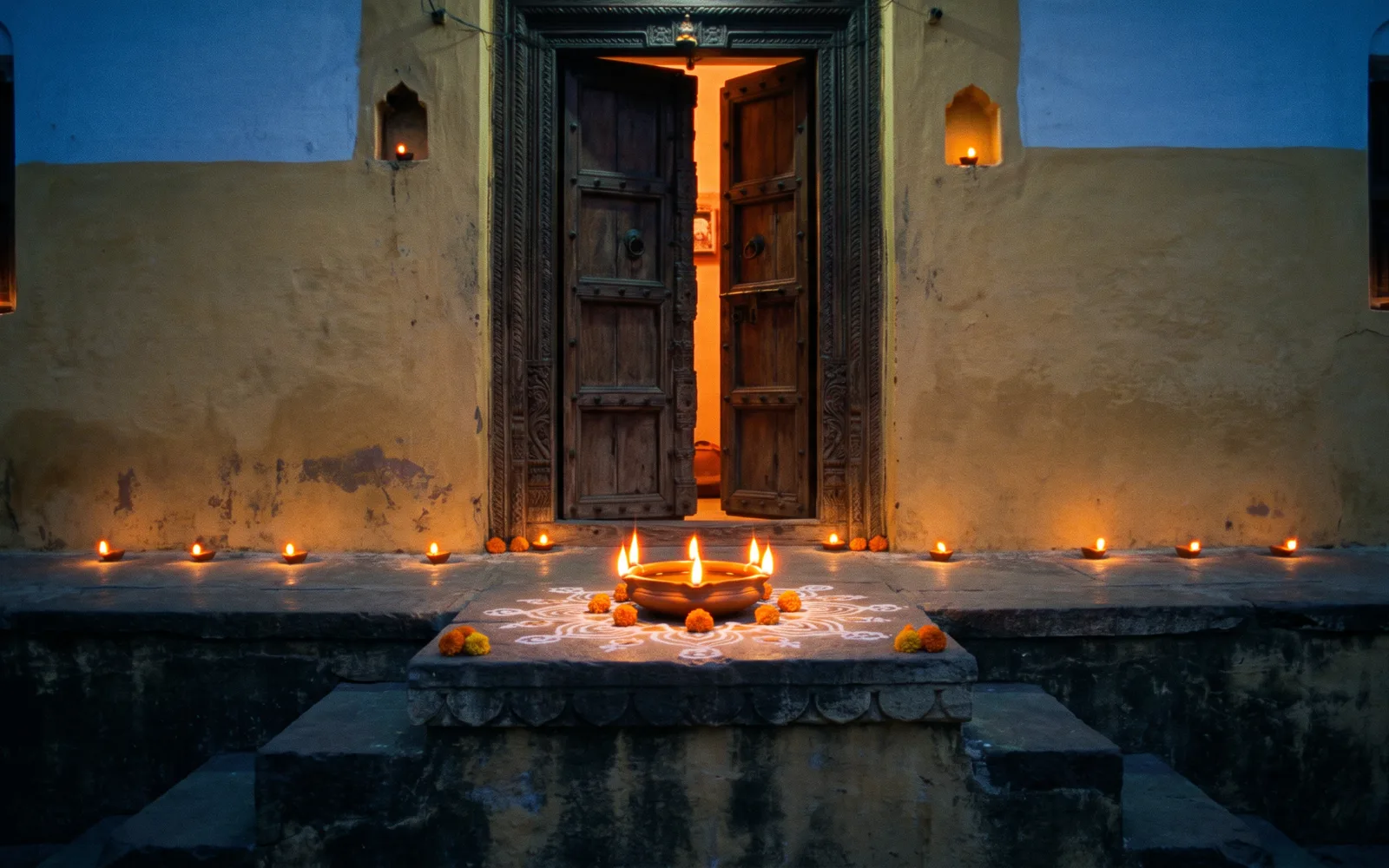
Chhoti Diwali 2026 Date (Chhoti Diwali Kab Hai): Narak Chaturdashi Puja and How Many Diyas to Light
Chhoti Diwali 2026 is on Saturday, 7 November, with the oil bath at dawn on the 8th. Puja vidhi, Kali Chaudas timing, and how many diyas to light.
Chhoti Diwali in 2026 falls on Saturday, 7 November, the evening before Diwali. You may also see 8 November printed against Narak Chaturdashi in some panchangs, and both are right. The festival is one tithi, Kartik Krishna Chaturdashi, but its rituals belong to different hours: the evening lamps and the Kali Chaudas worship to the night of 7 November, and the ritual oil bath to the dawn of 8 November, the morning of Diwali itself.
| Chhoti Diwali 2026 | Date and time |
|---|---|
| Chhoti Diwali (evening diyas) | Saturday, 7 November 2026 |
| Chaturdashi tithi | 10:47 AM, 7 Nov to 11:27 AM, 8 Nov |
| Kali Chaudas and Hanuman puja (night) | 11:39 PM, 7 Nov to 12:31 AM, 8 Nov |
| Abhyang snan (oil bath) | Before sunrise, Sunday, 8 November |
Chhoti Diwali 2026 Kab Hai: 7 or 8 November?
The confusion comes from one rule: each ritual of Narak Chaturdashi needs the Chaturdashi tithi at its own hour of the day. In 2026, Chaturdashi begins at 10:47 AM on Saturday, 7 November, and ends at 11:27 AM on Sunday, 8 November. That puts the rituals on two calendar days.
| Ritual | Chaturdashi needed at | 2026 date |
|---|---|---|
| Evening diyas (Chhoti Diwali) | Dusk | Saturday, 7 November |
| Kali Chaudas and Hanuman puja | Midnight | Night of Saturday, 7 November |
| Abhyang snan (Narak Chaturdashi bath) | Before sunrise | Dawn of Sunday, 8 November |
On the morning of 7 November, Chaturdashi has not yet begun, so the bath cannot be that day. By the evening of 8 November, Chaturdashi has ended and Amavasya has taken over for Diwali. So Hindi newspapers and most families mark Chhoti Diwali on 7 November, while some panchangs print "Narak Chaturdashi" against 8 November because of the bath.
What Is Narak Chaturdashi? Roop Chaudas, Kali Chaudas and Bhoot Chaturdashi
The best-known story is of Narakasura, a king who held sixteen thousand women captive and was finally killed by Krishna with Satyabhama at his side. The story is less tidy than a simple victory, though. Narakasura was the son of Bhudevi, the Earth, and in many tellings it is Satyabhama, herself seen as a form of Bhudevi, who strikes the final blow, so a mother ends her own son. Dying, he asked that the day be remembered not with mourning but with lamps, and that is the light of Chhoti Diwali.
The same Chaturdashi carries different names, and different rituals, across India:
| Name | Where | What families do |
|---|---|---|
| Chhoti Diwali / Narak Chaturdashi | North India | Evening diyas, a lamp for Yama, the oil bath at dawn |
| Roop Chaudas | Rajasthan and parts of the north | Ubtan of besan, haldi and sandalwood before the bath, for beauty and health |
| Kali Chaudas | Gujarat and parts of Rajasthan | Night worship of Mahakali and Hanuman to drive out negativity |
| Bhoot Chaturdashi | West Bengal | Fourteen lamps for fourteen generations of ancestors, and a dish of fourteen leafy greens |
| Naraka Chaturdashi | Tamil Nadu, Karnataka, Goa | The main Deepavali morning in the south; in Goa, effigies of Narakasura burn before dawn |
Kali Chaudas Night: Mahakali and Hanuman Worship
Where Chhoti Diwali is about light, Kali Chaudas is about protection. In Gujarat and Rajasthan, the night of Chaturdashi is given to Mahakali and Hanuman, the two deities trusted to drive out fear, the evil eye and whatever weighs on a household before Lakshmi is welcomed the next evening. In 2026, the Kali Chaudas puja falls in the nishita window, 11:39 PM on 7 November to 12:31 AM on 8 November.
Mahakali on Kali Chaudas
Families light a lamp of mustard oil before Mahakali, offer red flowers and black sesame, and chant her mantra through the night window. Tarapith in West Bengal, the Shaktipeeth of Maa Tara, is one of the places most closely tied to night worship of the Devi. Ekishwar arranges the Kali Chaudas Mahayagya at Tarapith in the nishita kaal, with 108 ahutis for protection.
Hanuman on Chhoti Diwali
In North India, many traditions keep Hanuman's worship, and in some his birth, on this Chaturdashi. Ayodhya's Hanumangarhi, the hilltop temple where Hanuman is believed to guard Ram's city, is the centre of it. Households offer sindoor and jasmine oil, a red chola and laddoos, and recite the Hanuman Chalisa.
For families who want this observance at the temples themselves, Ekishwar offers two. At Hanumangarhi, an 11,000 Ram Naam jaap is performed with a chola offered to Hanuman. At Mehendipur Balaji in Rajasthan, where Hanuman is worshipped alongside Bhairav, the Balaji Bhairav Mahakali puja brings all three protective deities of Kali Chaudas together in one anushthan.
Temple pujas for protection this Diwali week
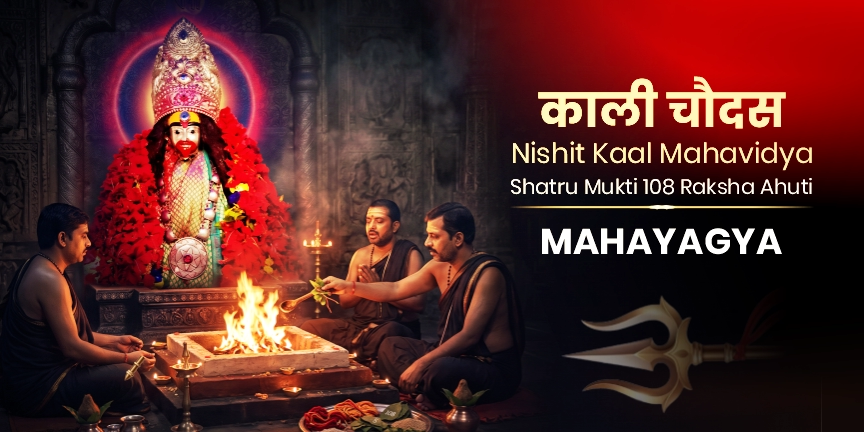 Kali Chaudas Nishit Kaal Mahavidya Shatru Mukti 108 Raksha Ahuti MahayagyaTarapith · Kali Chaudas, 7 Nov
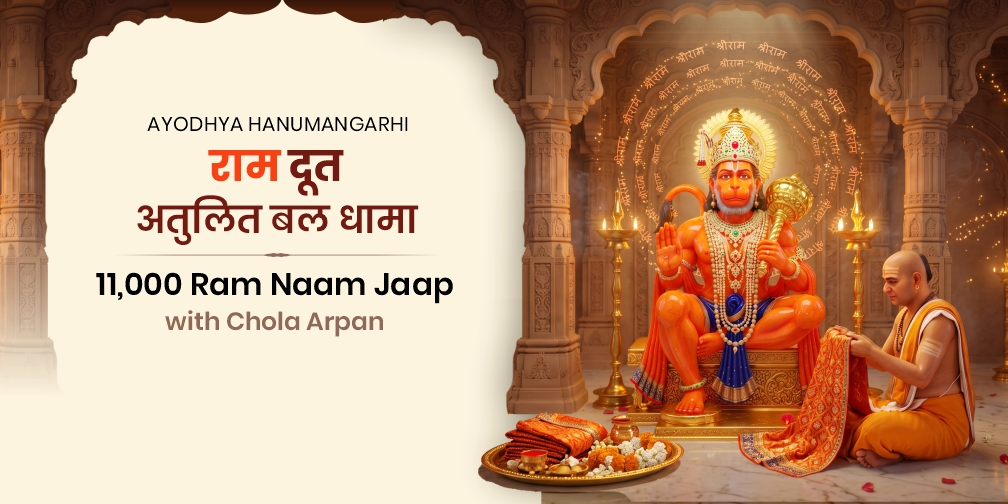 Ayodhya Hanumangarhi Ram Doot Atulit Baldhama 11,000 Ram Naam Jaap with Chola ArpanHanumangarhi, Ayodhya · 8 Nov
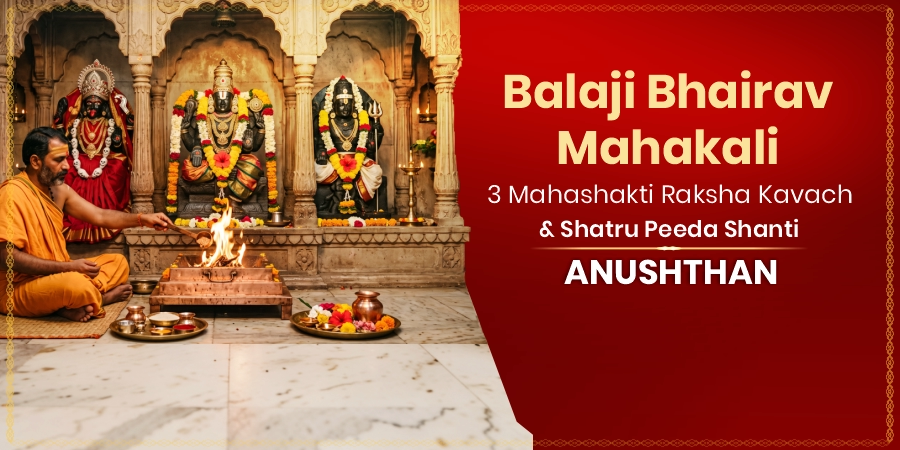 Balaji Bhairav Mahakali 3 Mahashakti Raksha Kavach & Shatru Peeda Shanti AnushthanMehendipur Balaji · 6 Nov
Choti Diwali Puja Vidhi: Step by Step
The Choti Diwali puja is short and centred on light. It runs across two calendar days in 2026: the lamps on the evening of 7 November, and the bath at dawn on 8 November.
Evening of Saturday, 7 November
- Clean and set the house. Finish sweeping and wiping before sunset. Many families draw a small rangoli at the door.
- Light the Yam deepak at dusk. A four-wick diya of mustard oil, placed outside the main door facing south, for Yama. Families who lit it on Dhanteras often light it again on Chhoti Diwali; follow your family's custom.
- A short puja. Before your household deity, or Krishna and Hanuman, offer roli, akshat, flowers and a sweet. Light the dhoop and the ghee diya and wave them three times.
- Light the diyas around the house. Start from the puja room and carry the flame outward to each place listed in the next section.
- Kali Chaudas or Hanuman puja, if you keep it. In the nishita window, 11:39 PM to 12:31 AM.
Dawn of Sunday, 8 November
- Abhyang snan. Before sunrise, massage sesame oil into the body, apply ubtan of besan, haldi and sandalwood, then bathe. In Maharashtra, families crush a small bitter karit fruit underfoot before the bath, a symbol of Narakasura's defeat.
- New or fresh clothes, and a lamp lit in the puja room to begin Diwali.
Chhoti Diwali's fragrance carries straight into Diwali, so it helps to choose one for both evenings. The Whispers of Gulab range, a rose fragrance, comes as dhoop cones for the short puja, and as incense sticks and dhoop sticks for the rooms where you light diyas.
Whispers of Gulab dhoop and incense, one fragrance from Chhoti Diwali to Diwali
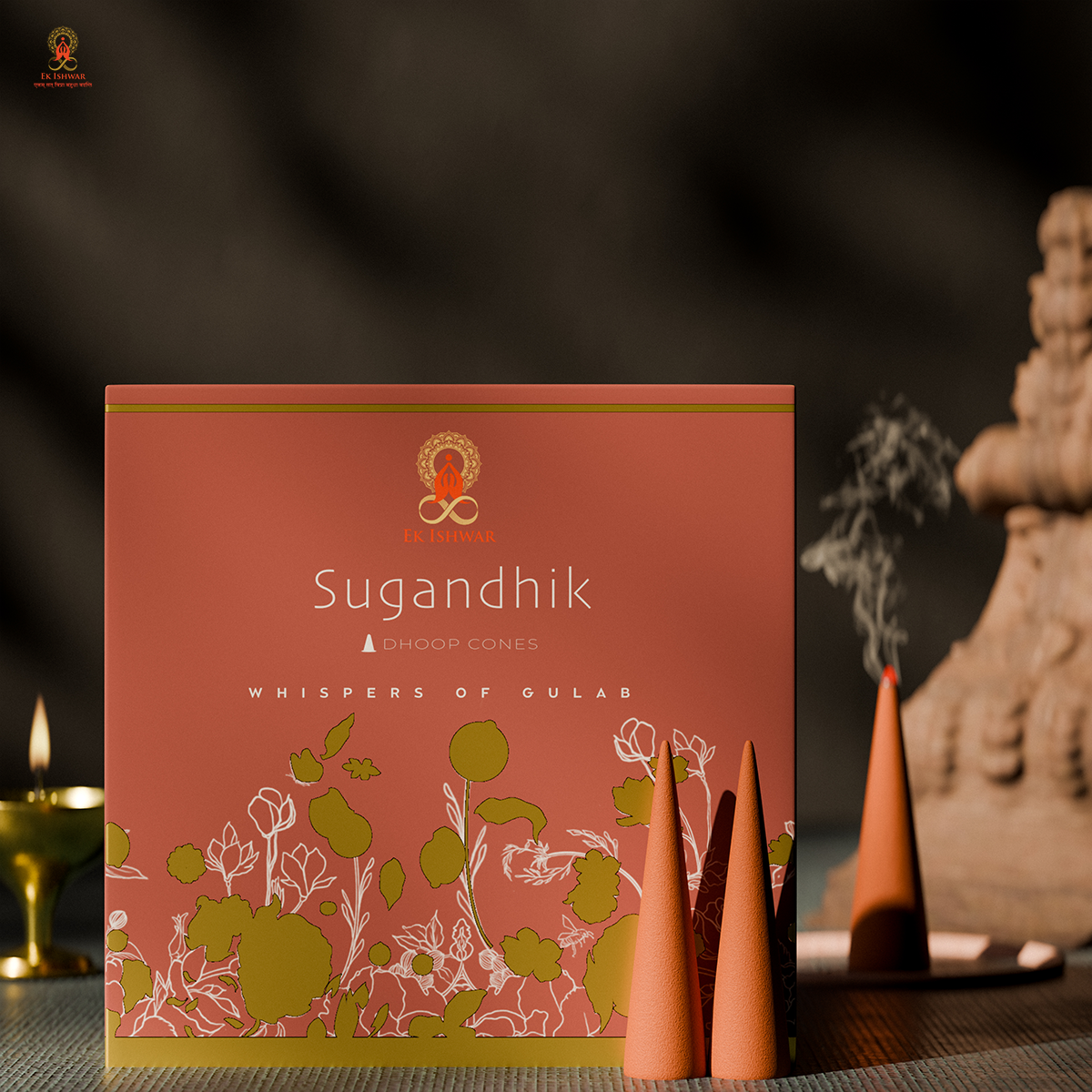 Dhoop Cones – Whispers Of GulabThe Whispers Of Gulab Dhoop Cones from Ek Ishwar’s Sugandhik range are designed to bring softness, calm, and devotion into everyday rituals.View product
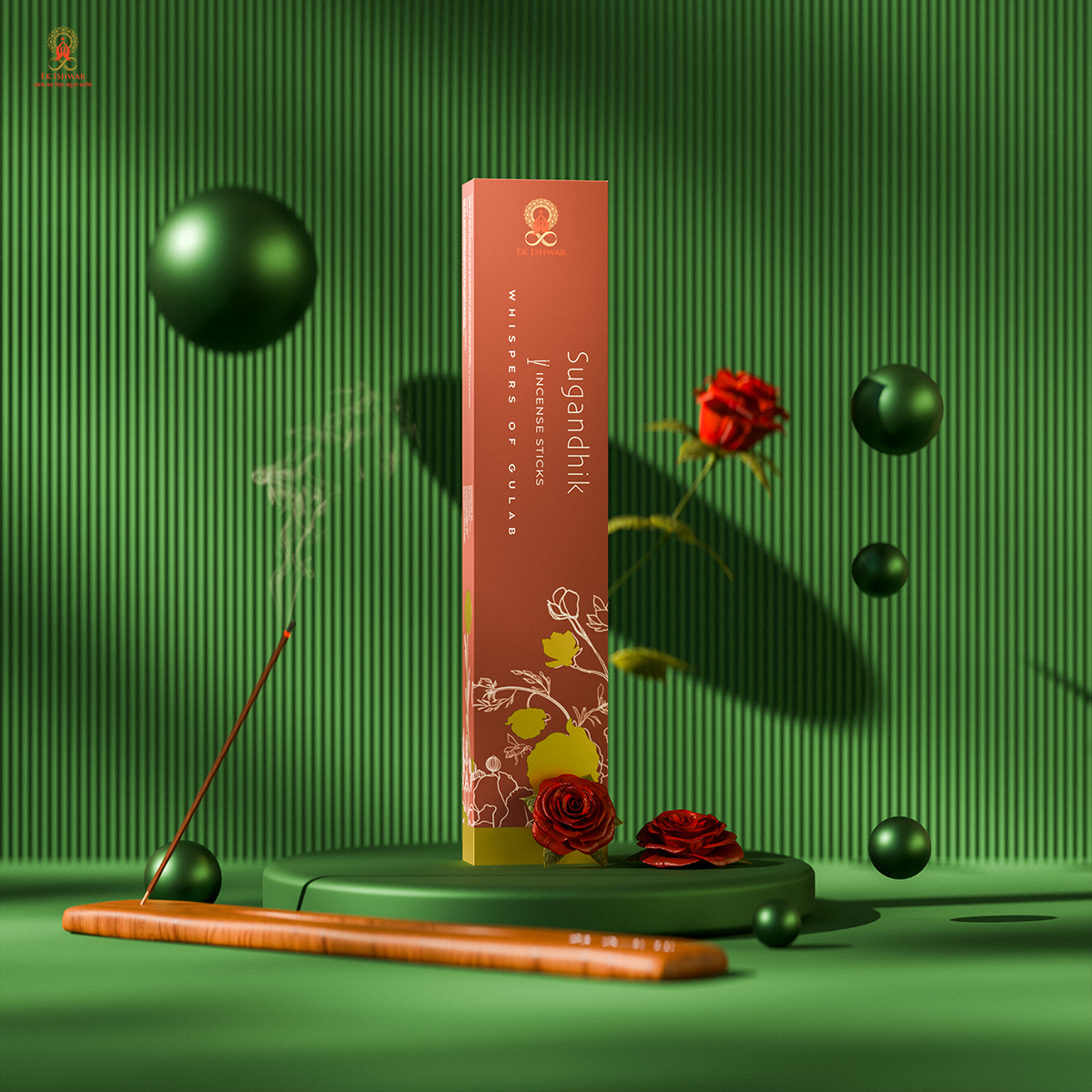 Incense Stick – Whispers Of GulabWhispers of Gulab Incense Stick is a gentle expression of devotion, designed to bring calm, purity, and emotional warmth into your sacred space.View product
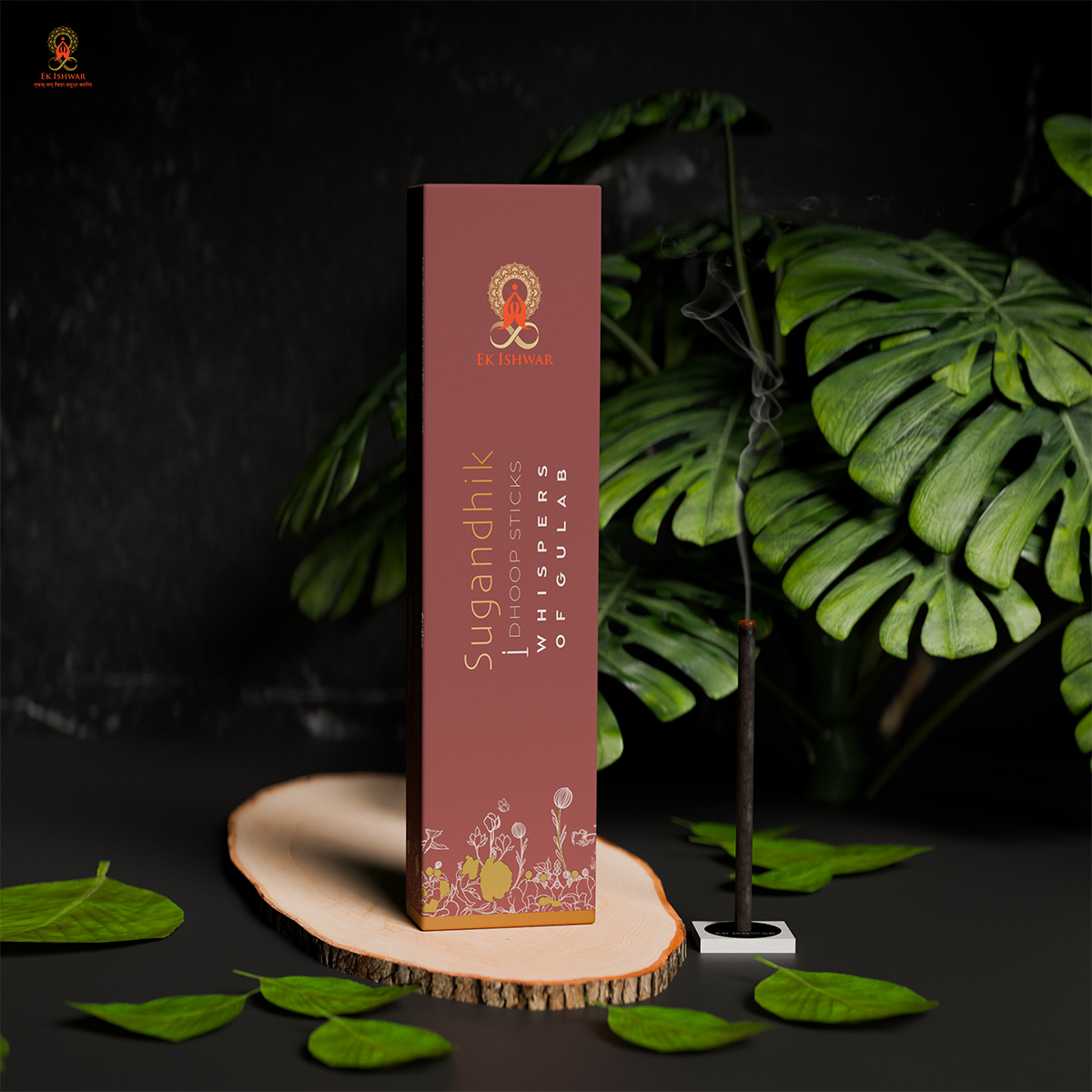 Dhoop Sticks – Whispers Of GulabThe Whispers Of Gulab Dhoop Sticks from Ek Ishwar’s Sugandhik range are crafted to bring gentle devotion into everyday rituals.View product
The full Lakshmi Puja the next evening follows the Diwali puja vidhi.
Choti Diwali Par Kitne Diye Jalaye: How Many Diyas and Where
The most common answer is 14 diyas, matching Chaturdashi, the 14th day of the waning moon. Bengal's Bhoot Chaturdashi follows the same count, with fourteen lamps for fourteen generations of ancestors. Many families light more; the 14 are the ones placed with purpose.
A common way to place them:
| # | Where | Why |
|---|---|---|
| 1 | Outside the main door, facing south | The Yam deepak, for Yama (four wicks, mustard oil) |
| 2–3 | Either side of the main entrance | To light the way in |
| 4 | The puja room | The first lamp lit, from which the others take flame |
| 5 | The kitchen | For a house that never runs short of food |
| 6 | Near the drinking water or the tap | Water is honoured alongside fire |
| 7 | Beside the tulsi plant | Tulsi is worshipped every evening in many homes |
| 8 | The balcony or terrace | Light visible from outside |
| 9 | The back or service door | No entrance left dark |
| 10 | Where money or valuables are kept | For Lakshmi, who arrives the next night |
| 11–12 | Windows facing the street | The traditional row of lights |
| 13 | A dark corner, store room or stairwell | Chhoti Diwali clears darkness from the whole house |
| 14 | Near the garbage area or drain outside | The lowest place gets light too |
One Tithi, Two Days: Planning Chhoti Diwali in 2026
Chhoti Diwali in 2026 is spread across a night and a dawn rather than a single day. The lamps, the Yam deepak and any Kali Chaudas or Hanuman worship belong to Saturday, 7 November; the oil bath belongs to sunrise on Sunday, 8 November, a few hours before the Lakshmi Puja. Plan around that split and both 7 and 8 November make sense. Fourteen diyas, placed with some thought, cover the house better than many lit at random.
For dhoop, incense and Lakshmi puja kits for Chhoti Diwali and Diwali, visit Ekishwar.
Lakshmi puja kits and Whispers of Gulab dhoop, delivered home
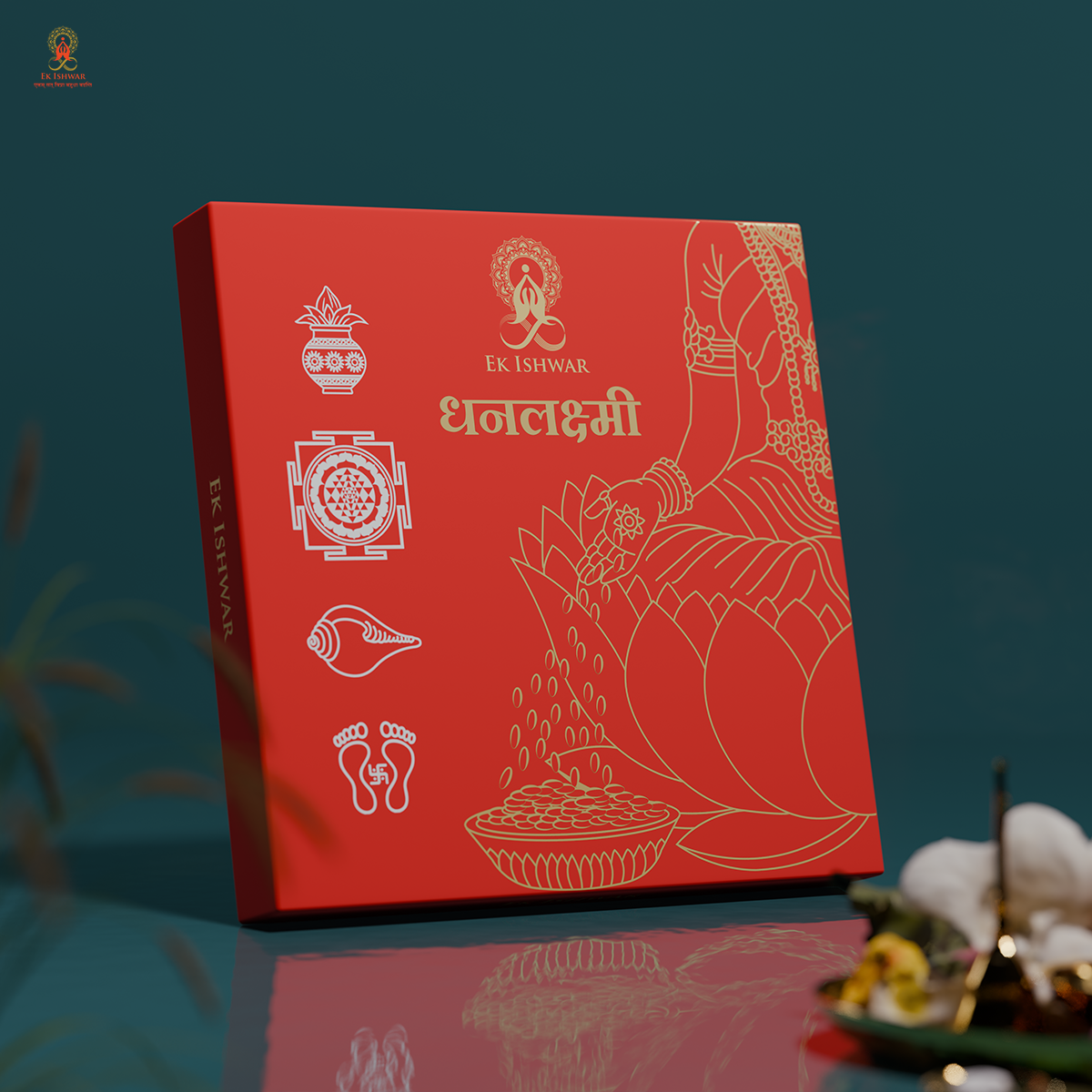 Dhanlakshmi BoxThe Dhanlakshmi Box is a premium 51-item sacred puja kit dedicated to the worship of Goddess Lakshmi, the bestower of wealth, prosperity, and divine grace.View product
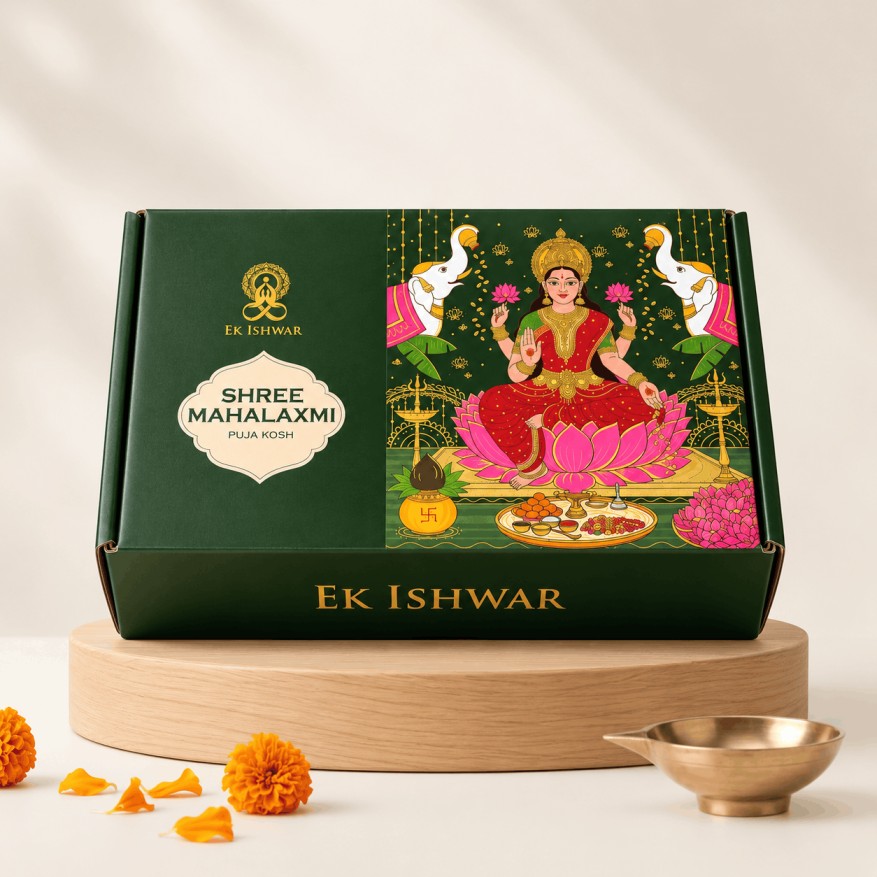 Shree Mahalaxmi Puja KoshComplete puja kit containing 21 essential Shree Mahalaxmi worship itemsView productDhoop Cones – Whispers Of GulabThe Whispers Of Gulab Dhoop Cones from Ek Ishwar’s Sugandhik range are designed to bring softness, calm, and devotion into everyday rituals.View product
Pujas for you
Swipe · 3 pujas- Kali Chaudas Nishit Kaal Mahavidya Shatru Mukti 108 Raksha Ahuti MahayagyaMaa Tarapith Shaktipeeth, West BengalBook now
- Ayodhya Hanumangarhi Ram Doot Atulit Baldhama 11,000 Ram Naam Jaap with Chola ArpanHanuman Garhi Temple, AyodhyaBook now
- Balaji Bhairav Mahakali 3 Mahashakti Raksha Kavach & Shatru Peeda Shanti AnushthanMehendipur Balaji Teerth Kshetra, RajasthanBook now
FAQs on Choti Diwali
- Chhoti Diwali kab ki hai 2026 mein?
- Chhoti Diwali is on Saturday, 7 November 2026, the evening before Diwali.
- Chhoti Diwali kitni tarikh ko hai, 7 or 8?
- 7 November for the evening diyas and the Kali Chaudas night. The Narak Chaturdashi oil bath falls at dawn on 8 November.
- What is the choti diwali puja time in 2026?
- Light the Yam deepak and the evening diyas at dusk on 7 November. For Kali Chaudas or Hanuman puja, the muhurat is 11:39 PM on 7 November to 12:31 AM on 8 November.
- How many diyas to light on choti diwali?
- Fourteen is the traditional count, starting with the Yam deepak outside the main door, facing south.
- Chhoti Diwali ki puja kaise karen?
- At dusk, light the Yam deepak, do a short puja with roli, akshat, flowers, dhoop and a diya, then light the 14 diyas around the house. Take the abhyang snan before sunrise the next morning.
- Is the Yam deepak lit on Dhanteras or on Chhoti Diwali?
- Both, depending on family custom. Many light it on Dhanteras, 6 November, and again on Chhoti Diwali, 7 November.
- Chhoti Diwali 2026
- Chhoti Diwali kab hai
- Narak Chaturdashi
- Choti Diwali puja vidhi
- Kali Chaudas
- Roop Chaudas
- Yam deepak
- Diwali 2026
Read next
All guides → DiwaliKali Puja 2026 (Kali Puja Kab Hai): Date, Puja Vidhi and Why It Falls on Diwali NightKali Puja 2026 is on Sunday, 8 November, the night of Diwali. Kolkata's Nishita puja runs 10:55 to 11:46 PM. Puja vidhi, Kali yantra and temples.5 Nov 2026 · 7 min read
 DiwaliDiwali Date 2026 (Diwali Kab Hai): Full 5-Day Calendar from Dhanteras to Bhai DoojDiwali falls on Sunday, 8 November 2026. All five days from Dhanteras to Bhai Dooj, the tithi behind each date, and the Monday with no festival this year.27 Oct 2026 · 7 min read
 DiwaliDiwali Puja Time 2026: Lakshmi Puja Shubh Muhurat on 8 November, City by CityLakshmi Puja muhurat for 12 cities on Sunday, 8 November 2026, from Kolkata at 5:20 PM to Mumbai at 6:27 PM, with Pradosh Kaal, choghadiya and fallbacks.2 Nov 2026 · 8 min read