Kali Khoh Mandir, Vindhyachal (Mirzapur)
The cave where Kali appeared to destroy Raktabeej.
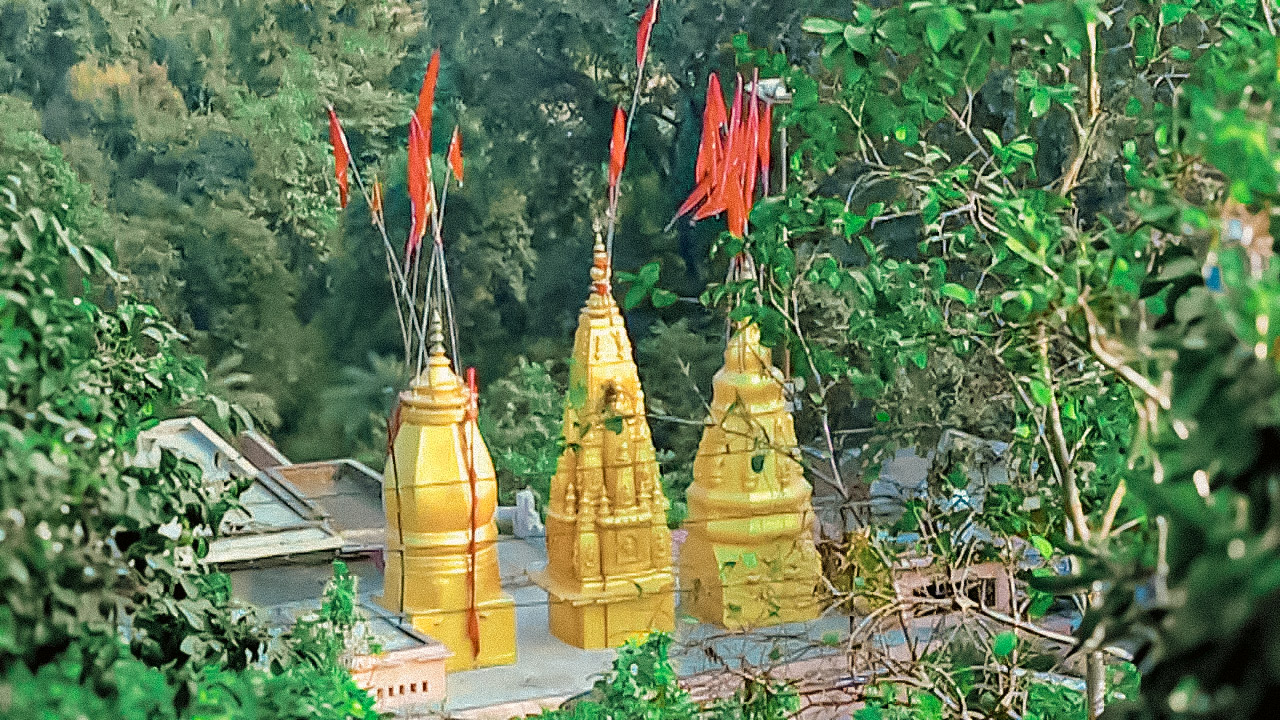
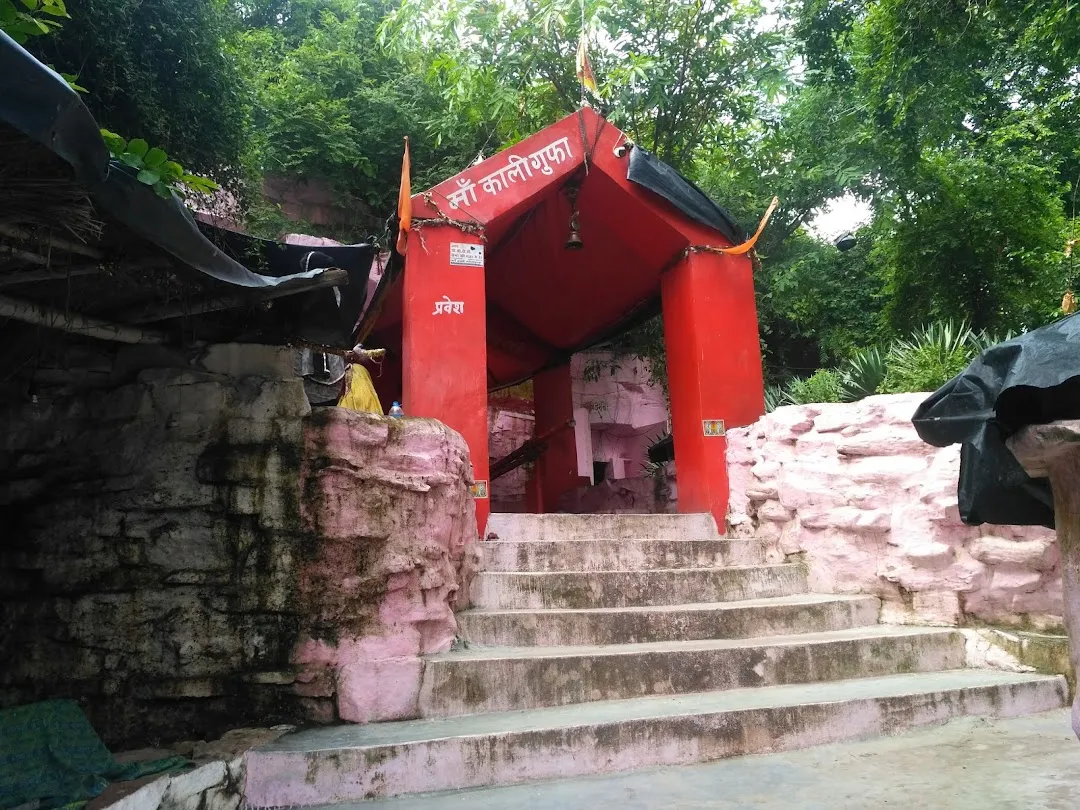
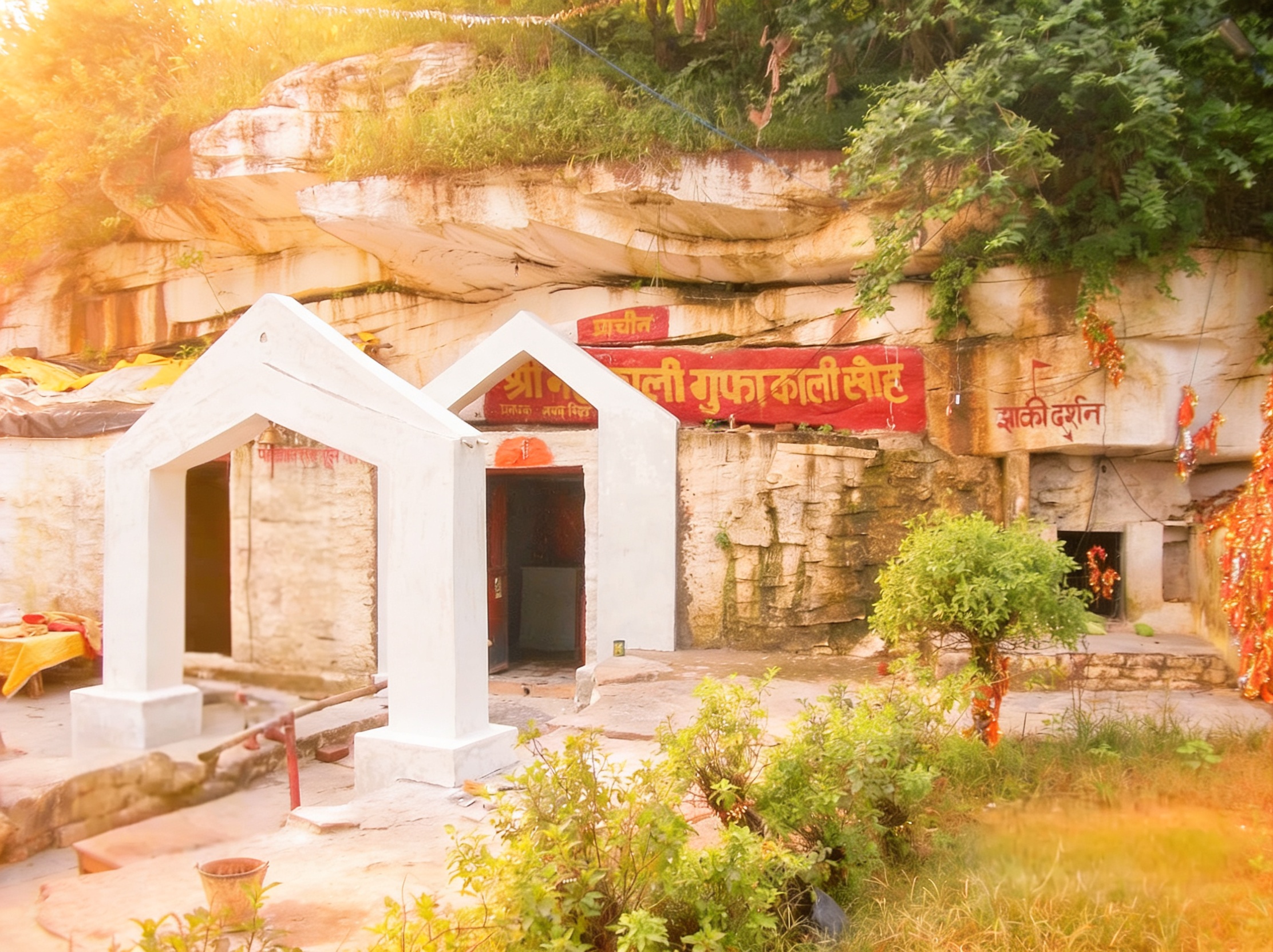
Kali Khoh Mandir is located in the Vindhya hills near Vindhyachal, a few kilometres from the Vindhyavasini temple. It is a cave temple formed naturally within the mountain. To reach the inner area, devotees travel through narrow steps and enter by bending low. The worship space lies deep inside the cave and remains cool throughout the year. Kali Khoh is visited as part of the Vindhyachal yatra, especially by devotees seeking protection, courage, and relief from fear.
According to belief, Kali Khoh is the place where Ma Kali appeared to defeat the demon Raktabeej. As every drop of his blood created another form of him, the goddess lifted her face upward to stop the blood from touching the ground and brought the battle to an end. Another belief says that after escaping from King Kansa, Yogmaya settled in the Vindhya region, and Kali Khoh became her hidden and powerful form. Local traditions suggest that this place was sacred even before organised temple worship began. Tribal communities worshipped the hills and caves here long ago. Over time, Kali Khoh became part of the larger Shakti worship of Vindhyachal and has remained an important place of devotion for centuries.
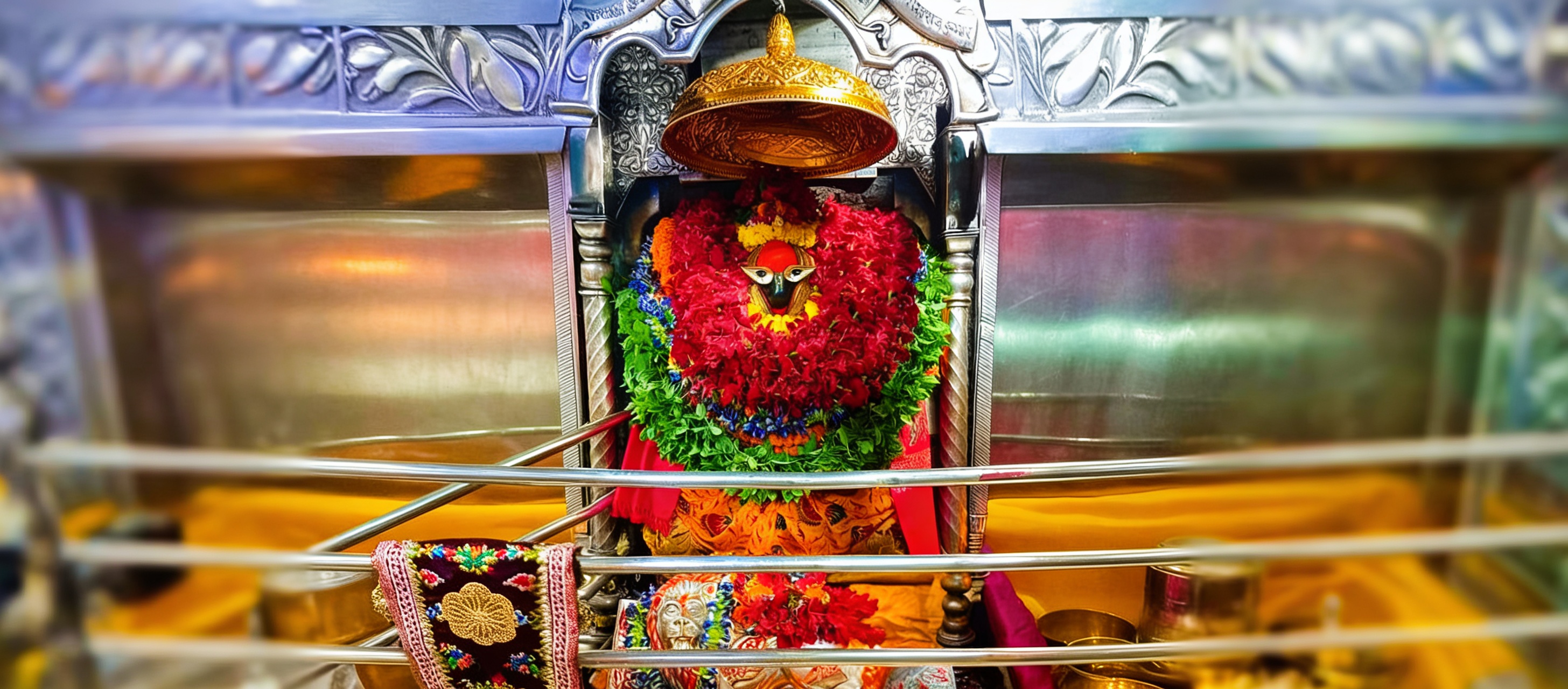
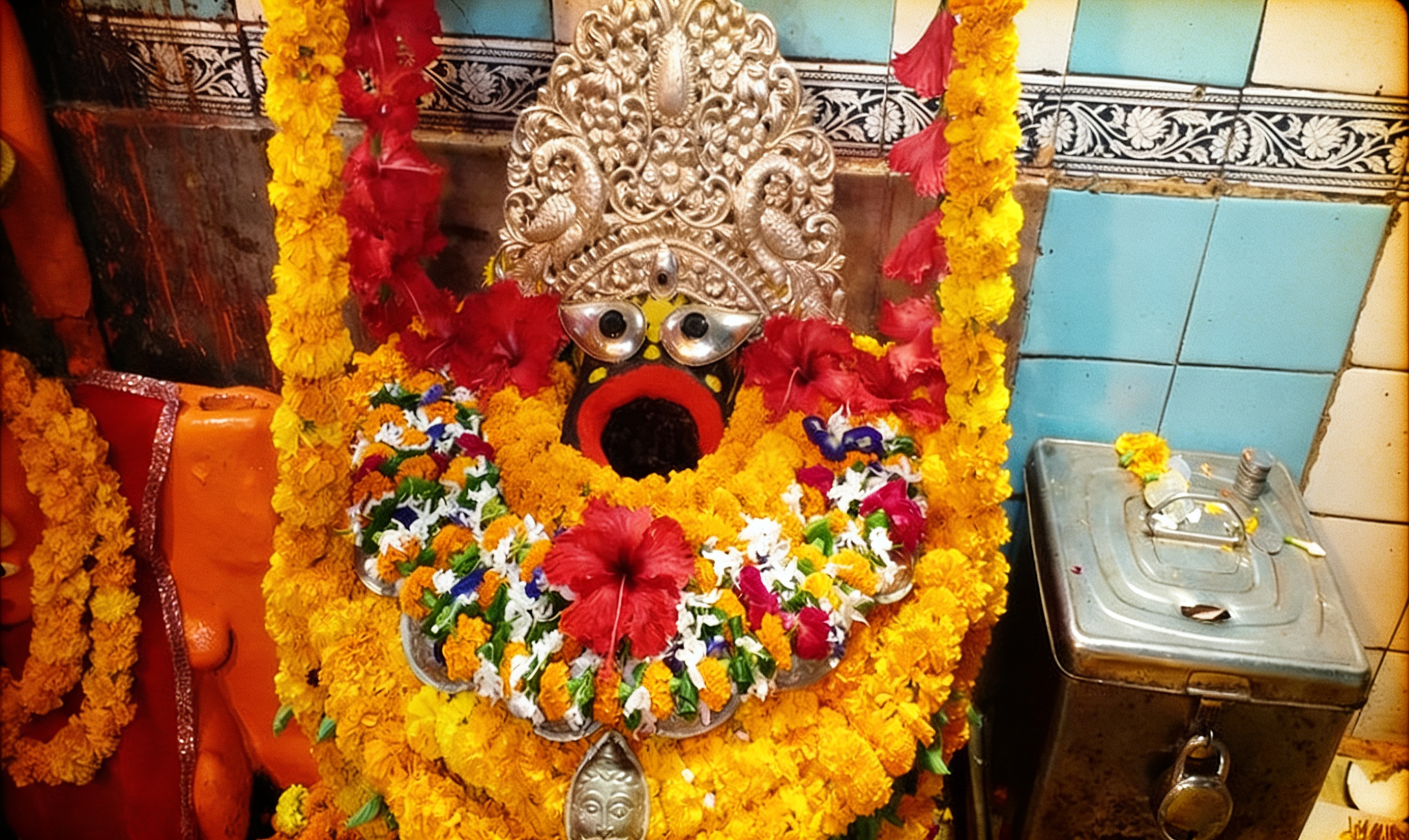
Kali Khoh is an important stop in the Vindhyachal Trikon Parikrama and represents the fierce and protective form of the Divine Mother. The temple is associated with Kriya Shakti, meaning the power to act and remove negative forces. The main murti of Ma Kali is made of black stone and placed inside the cave. Her face is tilted upward with an open mouth, symbolising the destruction of fear and harmful energies. The eyes are often decorated with silver. A shrine of Baba Bhairav is located behind the main cave and is traditionally visited to complete the worship. The cave setting and form of the deity have long made Kali Khoh an important centre for Shakti worship.
Kali Khoh is usually visited after Ma Vindhyavasini as part of the Trikon yatra. The temple follows fixed daily aartis, starting early in the morning and continuing till night. During Navratri, the temple remains open for long hours and sees heavy footfall. Devotees commonly offer lemon garlands, red chunari, coconuts, and light earthen lamps inside the cave. Many believe that lighting a diya here helps remove fear and negative thoughts. There is a ropeway for those who cannot walk long distances, but the final entry into the cave always requires going down on foot. Visitors are advised to move slowly inside, avoid carrying heavy items, and rely only on authorised temple pandits for any special rituals.
daily
Devi Shringar Pujan with flowers & garland
For emotional calm, gratitude, and feeling protected by Ma Kali. .
Devi Shringar Pujan with flowers-garland + Chunari
Seeking shelter under Ma Kali’s care