Gaya, Falgu Ghat & Akshay Vat
Where Ancestors Find Peace
Gaya, located on the banks of the sacred Falgu River in Bihar, is one of Hinduism’s most revered pilgrimage destinations, especially for Pitru Tarpan, Pind Daan, and ancestral rituals. At the heart of this sacred landscape lies Falgu Ghat and Akshay Vat, places deeply associated with the liberation and remembrance of departed ancestors./n /n Devotees believe that performing ancestral rites at Gaya can offer peace to departed souls and blessings to the family. The sacred Falgu River, ancient temples, and ritual sites together form an important pilgrimage circuit. Among them, Akshay Vat—also known as the imperishable banyan tree—is regarded as a particularly significant place for offering pind and performing rituals for ancestors./n /n For centuries, pilgrims have travelled to Gaya to fulfill their ancestral duties and seek spiritual blessings. The atmosphere around Falgu Ghat combines devotion, ancient traditions, sacred rituals, and the timeless presence of one of India’s most important pilgrimage centres.
Gaya has been an important centre of Hindu pilgrimage for centuries and is closely connected with traditions surrounding Pitru Karma and ancestral liberation. Ancient Hindu scriptures, including the Gaya Mahatmya, describe the sanctity of Gaya and its various sacred sites./n /n According to Hindu tradition, the land is associated with Gaya Asura, whose story forms an important part of the religious identity of the region. The city gradually developed into a major destination for families seeking to perform rituals for their ancestors./n /n The Falgu River and Akshay Vat became integral to this pilgrimage tradition. Through generations, priests, pilgrims, temples, and ritual practices have preserved Gaya’s role as a major centre for ancestral worship.
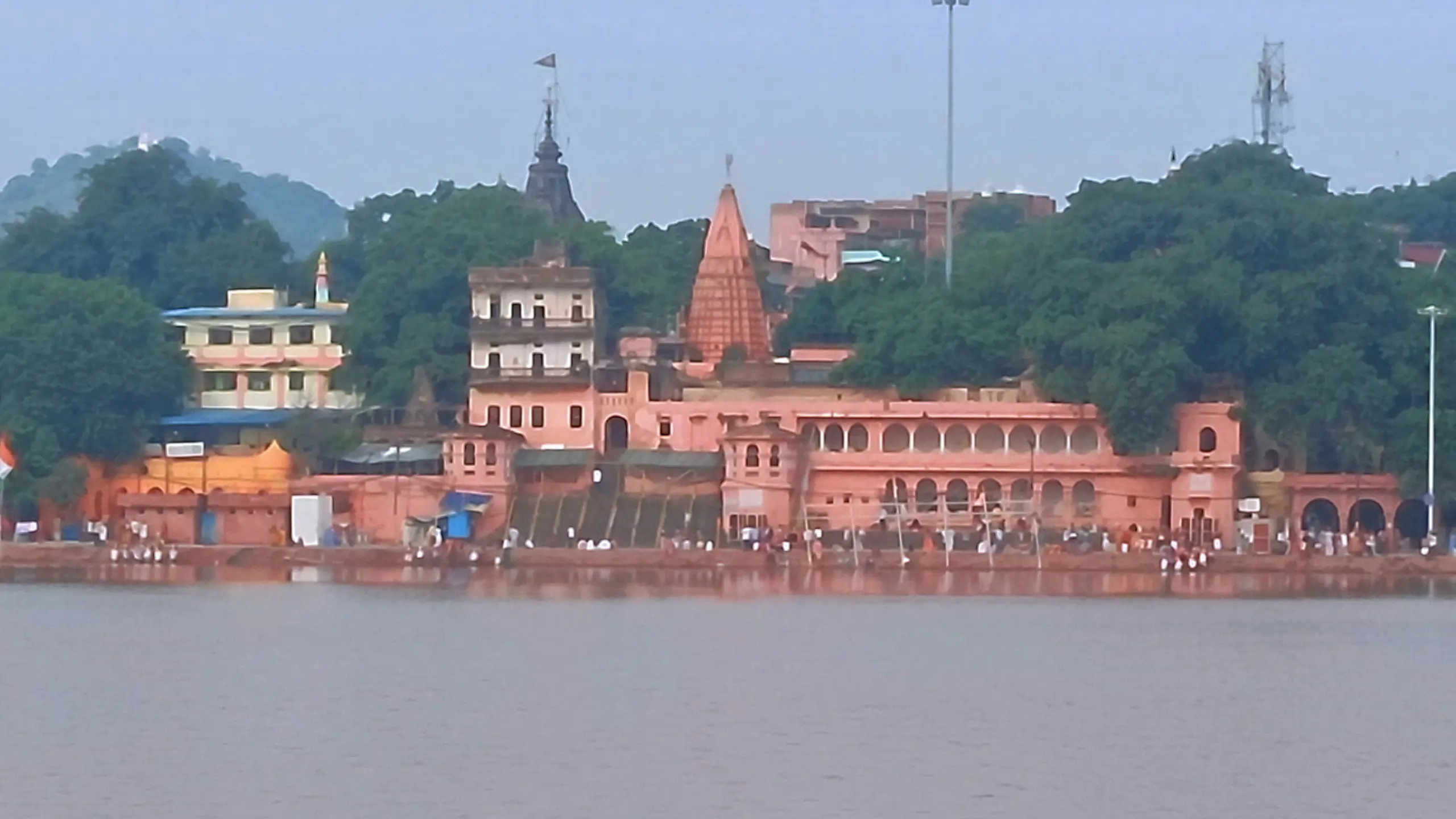
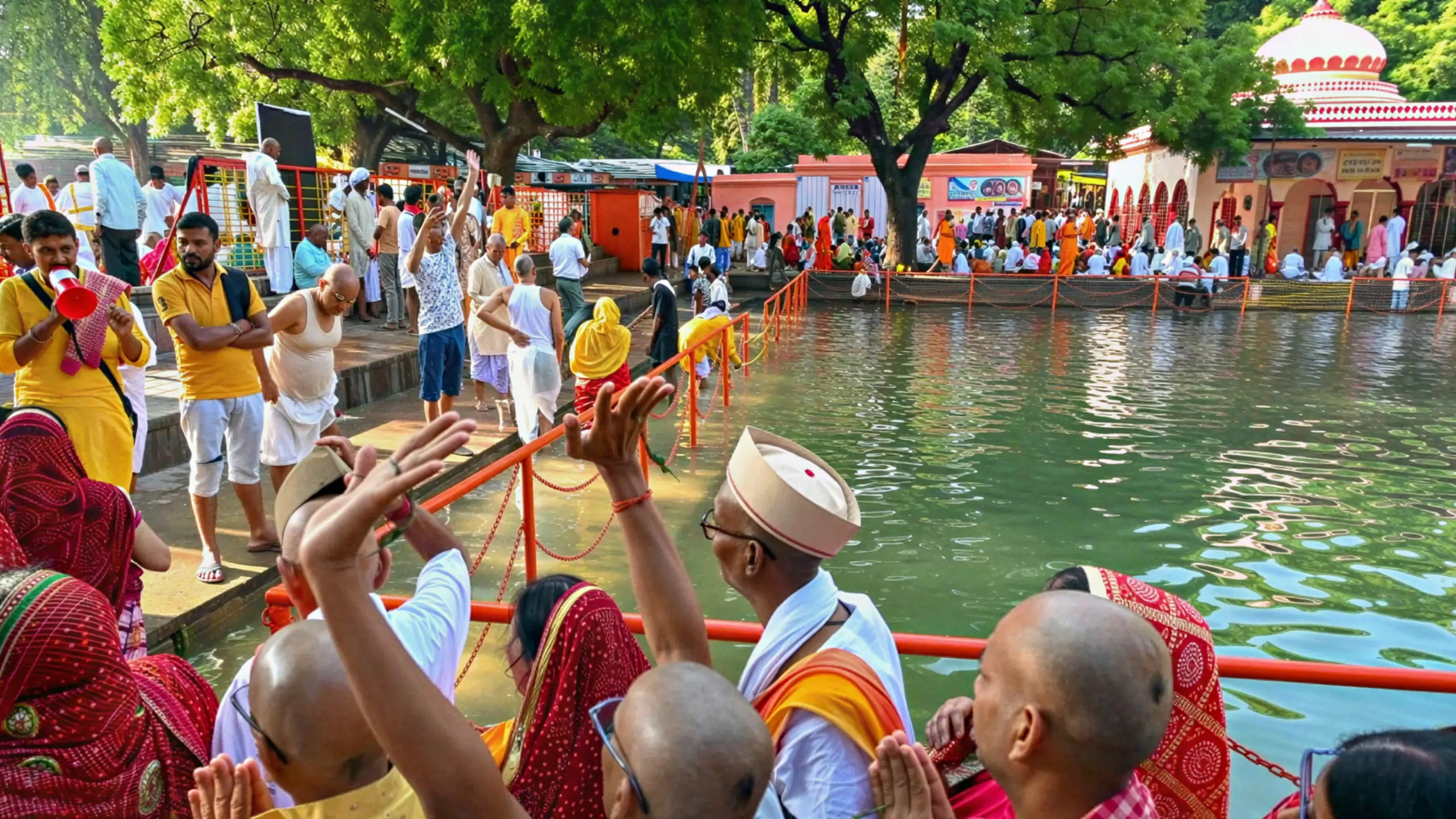
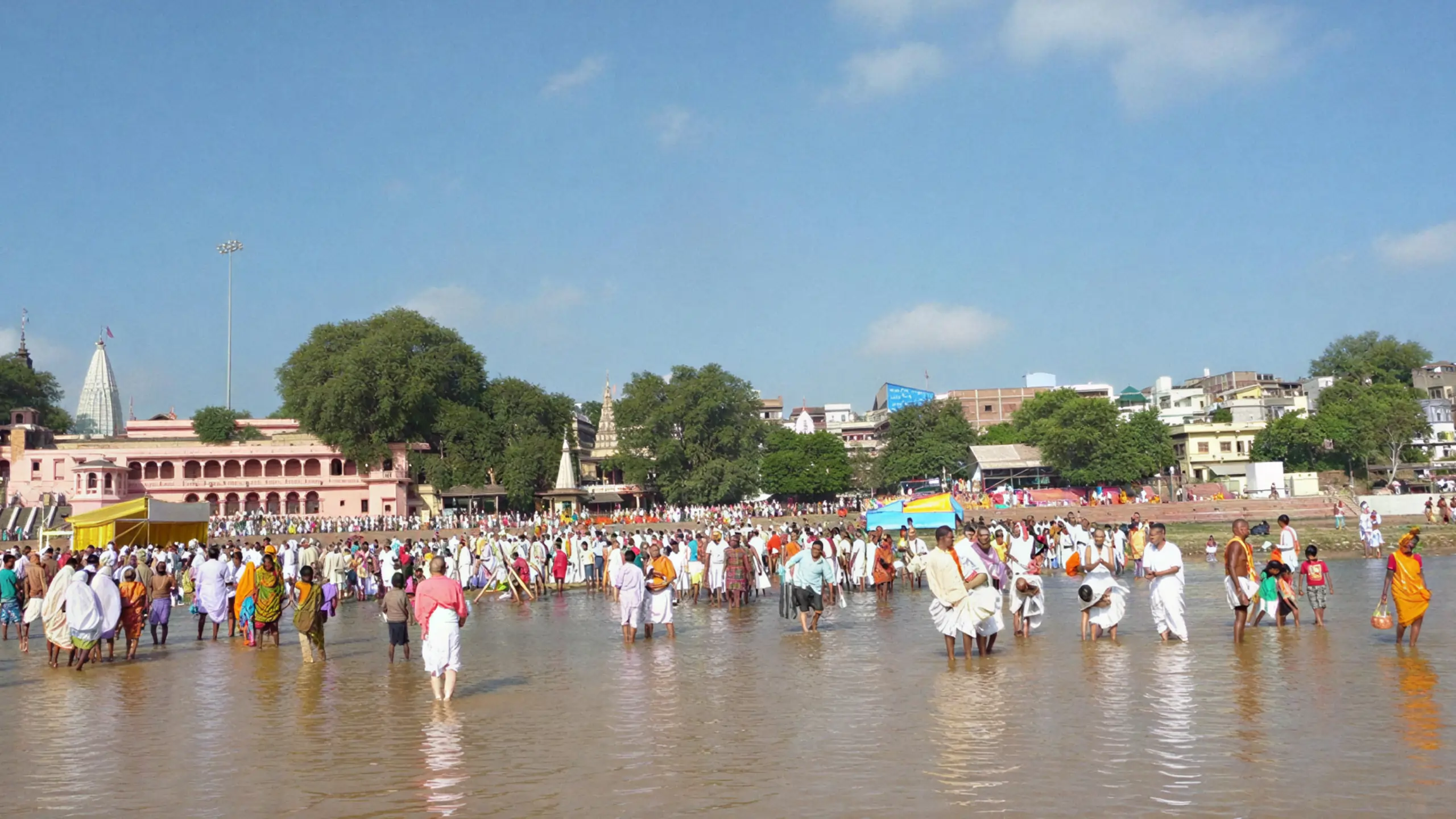
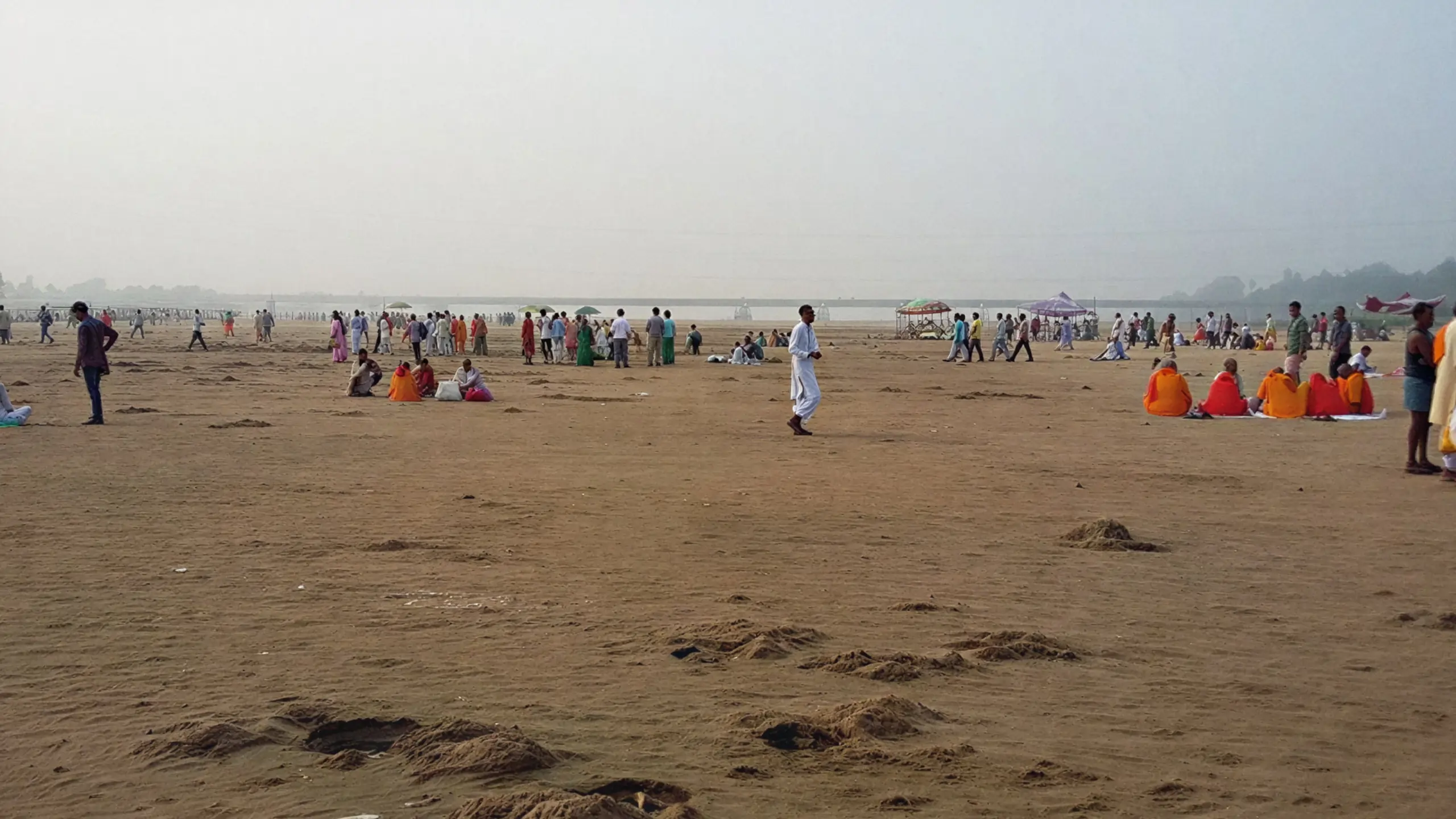
Falgu Ghat is a prominent ritual site along the sacred Falgu River, where devotees gather to perform Pind Daan, Tarpan, and other ancestral ceremonies. The riverbank forms an important part of Gaya’s pilgrimage landscape, with priests guiding families through traditional rituals./n /n Nearby stands Akshay Vat, the sacred banyan tree traditionally associated with the performance of ancestral rites. Its name, meaning “imperishable banyan,” reflects the belief in its enduring spiritual significance./n /n The architecture around the ghats reflects the traditional character of Gaya’s sacred spaces, with stone steps leading toward the river, temple structures, shrines, and ritual platforms. Together, the ghat and Akshay Vat create a deeply spiritual setting for pilgrims.
A yatra to Gaya, Falgu Ghat, and Akshay Vat is traditionally undertaken with the intention of performing ancestral rituals and offering prayers for departed family members. Pilgrims generally consult a local priest or Gayawal to understand the appropriate rituals and sequence for their family tradition./n /n At Falgu Ghat, devotees may participate in Tarpan and Pind Daan, offering water, prayers, and pind in remembrance of their ancestors. The journey may then include a visit to Akshay Vat, where rituals and prayers are performed according to local tradition./n /n The experience is less about sightseeing and more about fulfilling a deeply personal spiritual responsibility. Early mornings can offer a particularly serene atmosphere along the riverbank. Visitors should dress modestly, allow sufficient time for rituals, and confirm arrangements with a trusted priest beforehand./n /n For many devotees, the Gaya yatra represents a sacred opportunity to remember their ancestors, express gratitude, and seek blessings for the family.