Shri Lalita Devi Shakti Peeth, Naimisharanya
The Shakti Peeth where Sati’s heart fell.
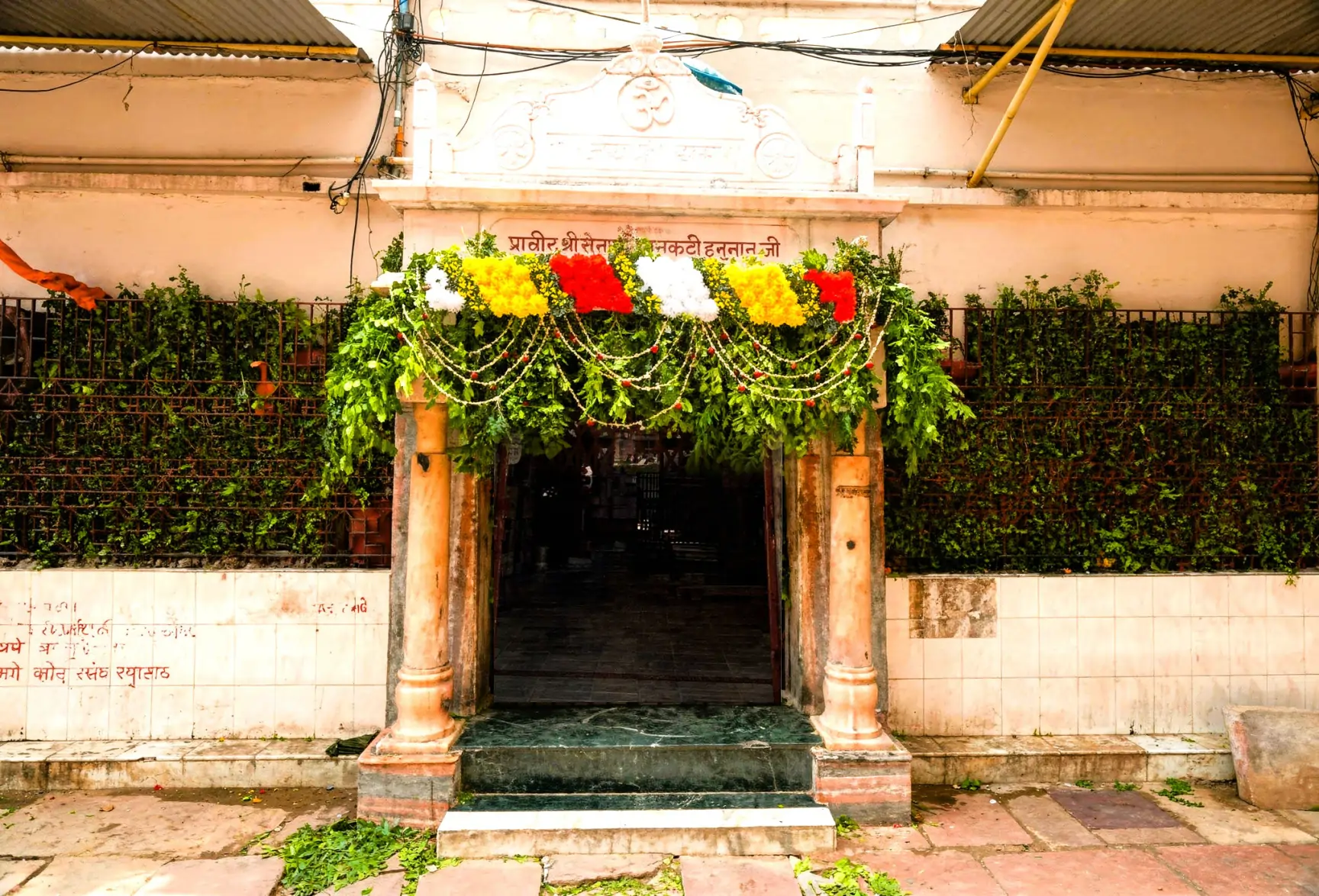
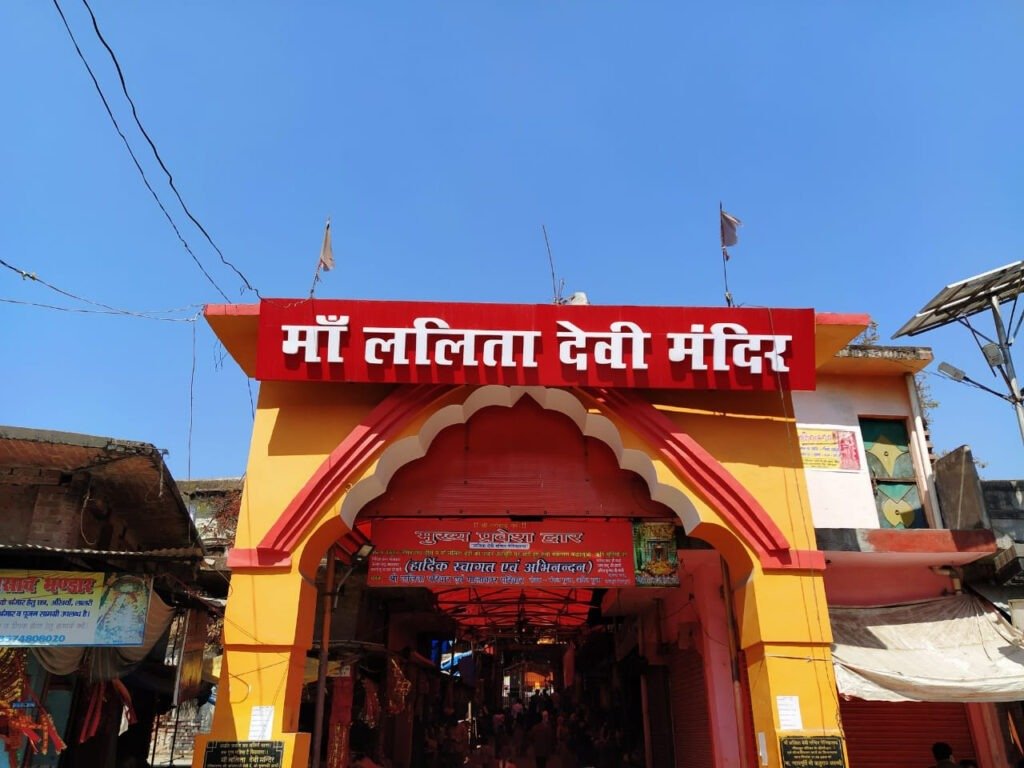
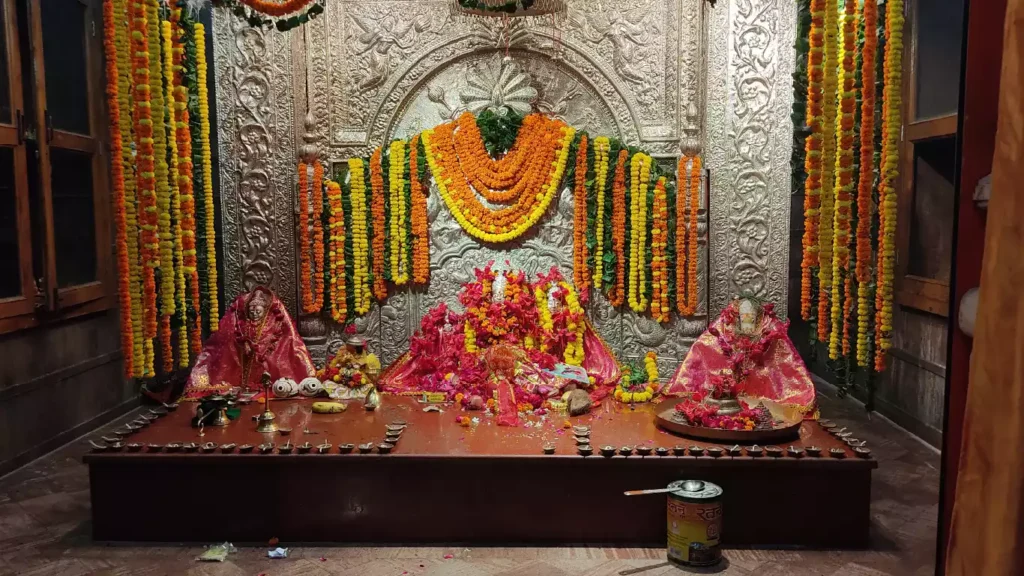
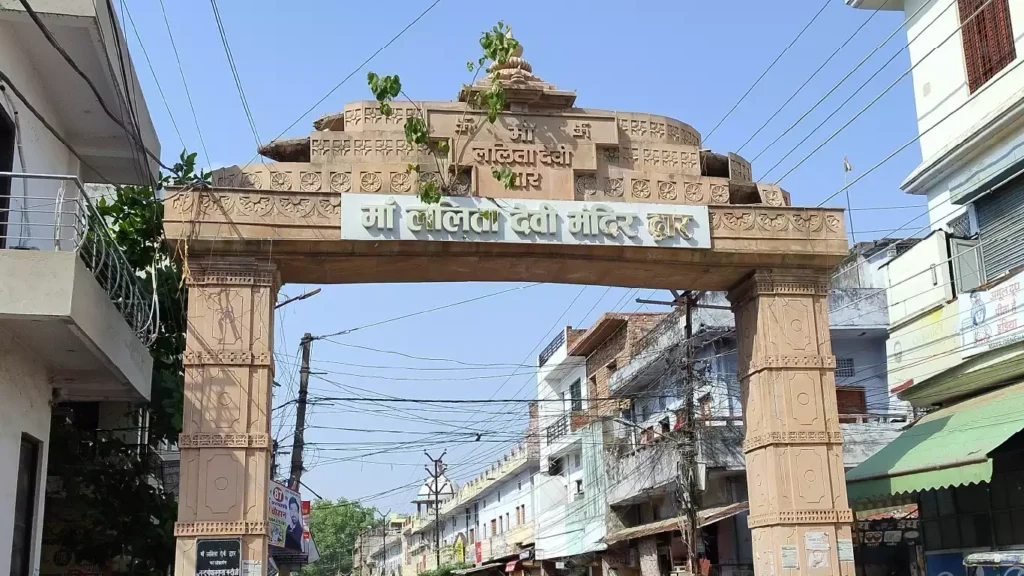
Lalita Devi Mandir is one of the most important temples in Naimisharanya, a forest region in Sitapur district, Uttar Pradesh, known for ancient rishi traditions. The mandir is dedicated to Ma Lalita Devi, a powerful form of Shakti. Pilgrims visit this temple as part of the Naimisharanya yatra, usually along with Chakra Tirth and nearby sacred spots. The mandir has been visited for generations by people coming with personal prayers related to family, health, marriage, children, and peace of mind. Worship here is simple and regular. Devotees offer flowers, diya, and recite Devi mantras. Many families return again and again, which is why this mandir holds a strong place in local and pilgrimage traditions of Naimisharanya.
The history of Lalita Devi Mandir is linked to the larger story of Ma Sati and the Shaktipeeths, which is mentioned in several Puranic texts. Naimisharanya itself is described in ancient scriptures as a place where many rishis stayed, performed yajnas, and shared knowledge. Over time, Lalita Devi Mandir became an important stop for pilgrims visiting Naimisharanya. The mandir has been maintained through continuous worship by local panditjis and devotees. While the structure has seen small changes over time, daily puja and traditional practices have continued in the same way for many years.
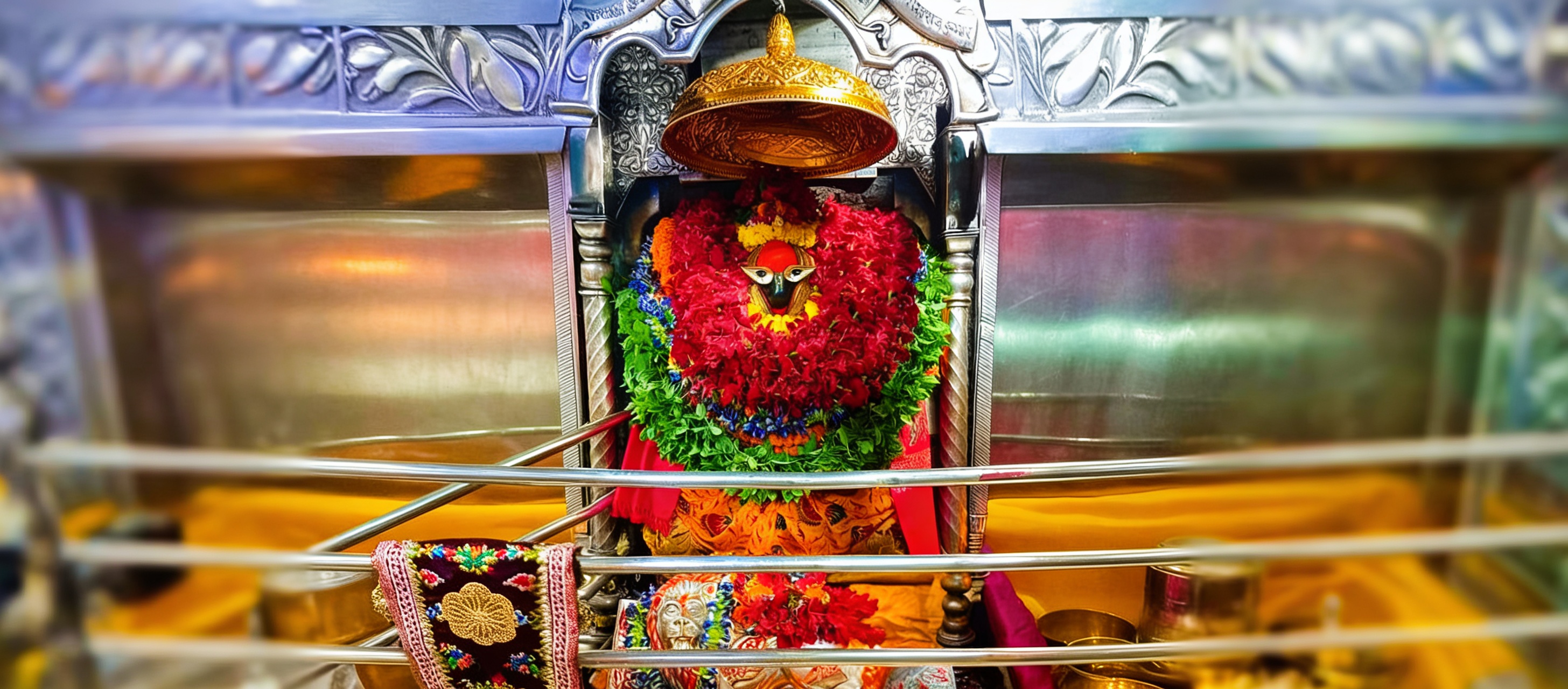
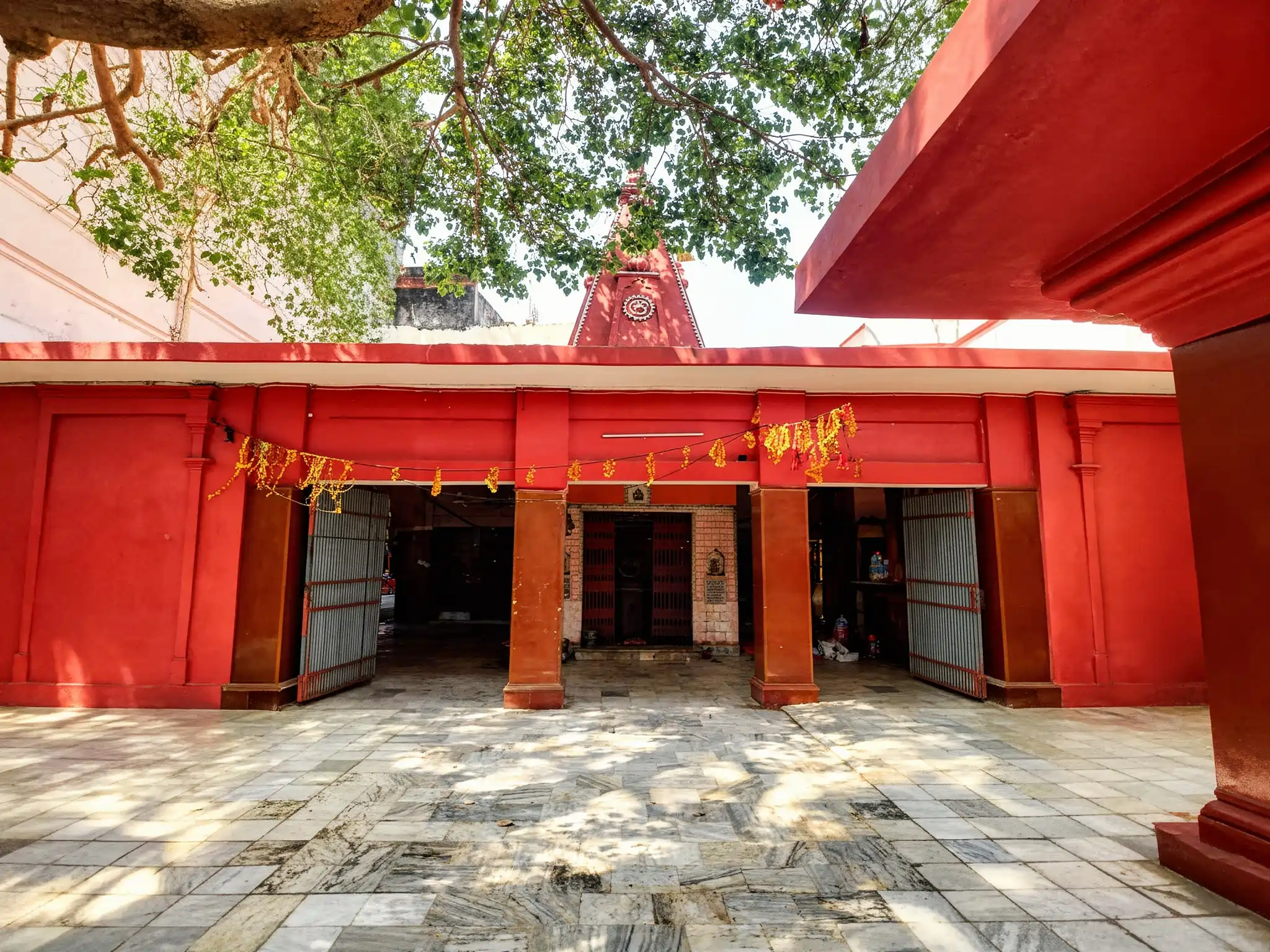
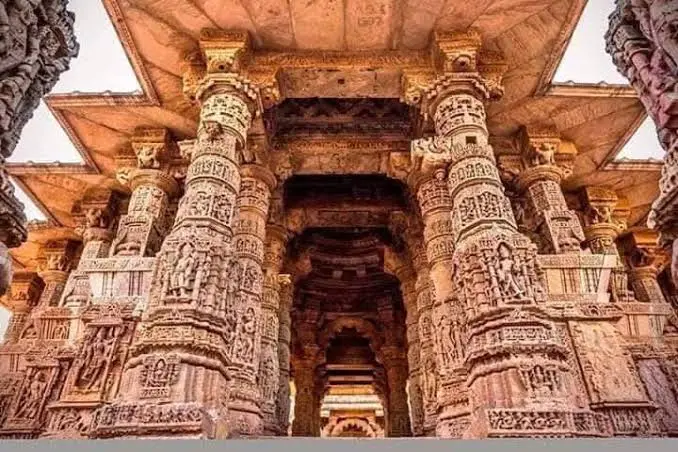
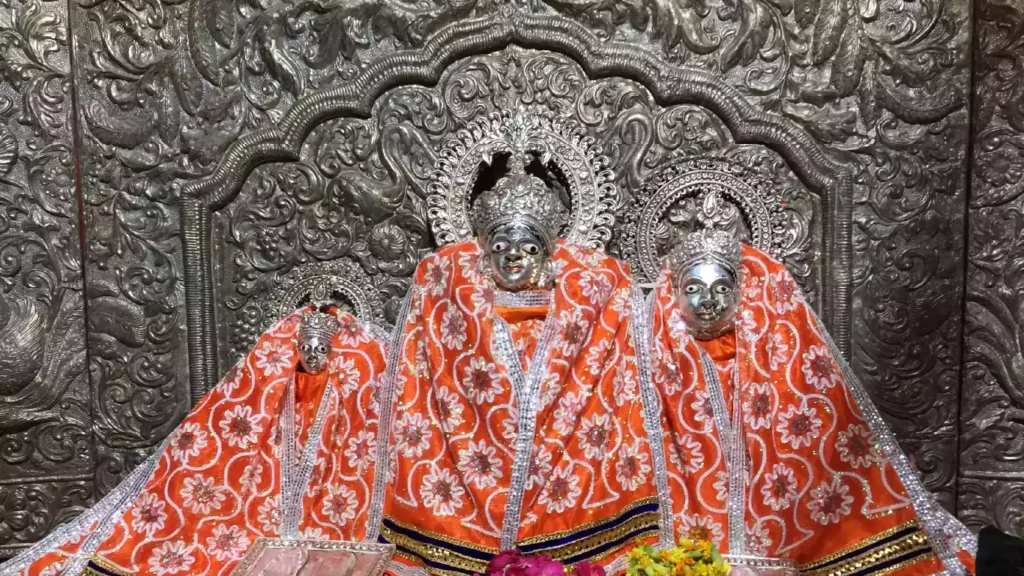
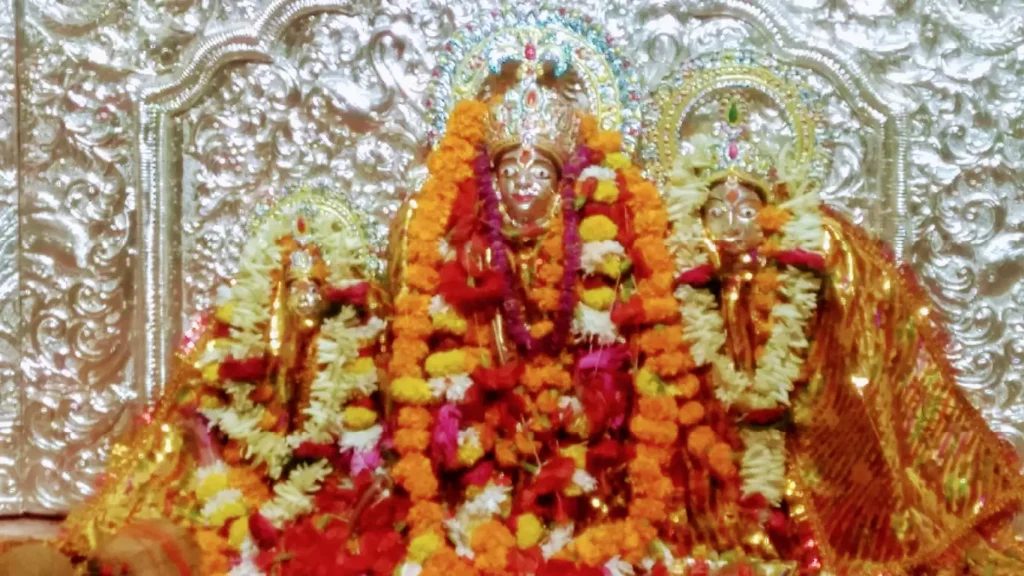
Lalita Devi Mandir is recognised as one of the 51 Shaktipeeths. According to Shaktipeeth tradition, this is the place where the heart of Sati Ma is believed to have fallen. Because of this belief, the mandir holds deep importance in Devi worship. The temple structure is simple and made to allow easy darshan. Inside the garbhagriha, Ma Lalita Devi is worshipped daily with flowers, chunari, diya, and chanting. The space around the garbhagriha allows devotees to sit, pray, and chant without rush.
Lalita Devi Mandir is easy to reach within Naimisharanya and is usually visited after Chakra Tirth. Devotees commonly offer flowers, red chunari, diya, and perform simple Devi chanting. Navratri, Amavasya, and Devi-related days see more visitors, but the mandir remains open for daily darshan throughout the year. Many pilgrims include Lalita Devi Mandir along with Vyas Gaddi, Chakra Tirth, and other nearby sites, making it an important part of a complete Naimisharanya visit.
daily
Morning
5:30 PM
Evening
6:30 PM
Tula Rashi 11,000 Shukra Mantra Jaap 108 Shri Sukt Paath - 108 Kamal Arpan
Unlock Venusian Prosperity & Harmony.
Divya Manokamnapurti Satyanarayan Pujan
For family peace, prosperity, and smooth new beginnings, Vishnu puja with katha for the household.
Rudrabhishek
For health, stress relief, and calming difficult phases, 1-hour Rudra abhishek with mantra chanting.
Shri Yantra Kumkumarchana Samriddhi Abhishek
For wealth & career growth, and home energy balance, Sri Yantra puja with kumkum archana for the family.
Pind Daan
For pitra shanti, marriage/progeny blocks, and family stability, pind daan done for the lineage.
Navratri Raj Rajeshwari Hridaya Shanti Prem-Saubhagya Lalita Trishati Anushthan
Seek Maa Lalita’s Grace for Prem, Shanti & Saubhagya