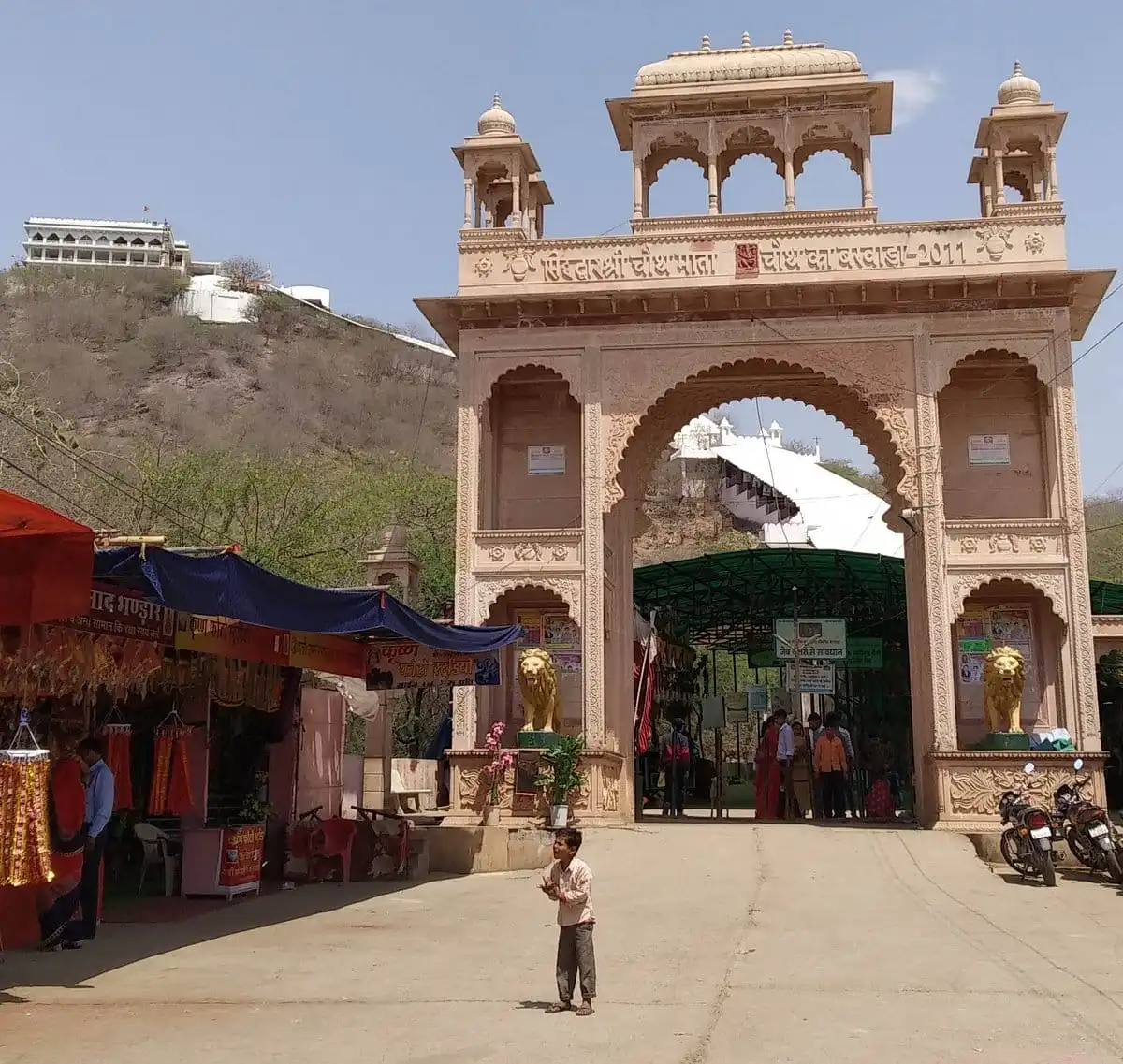
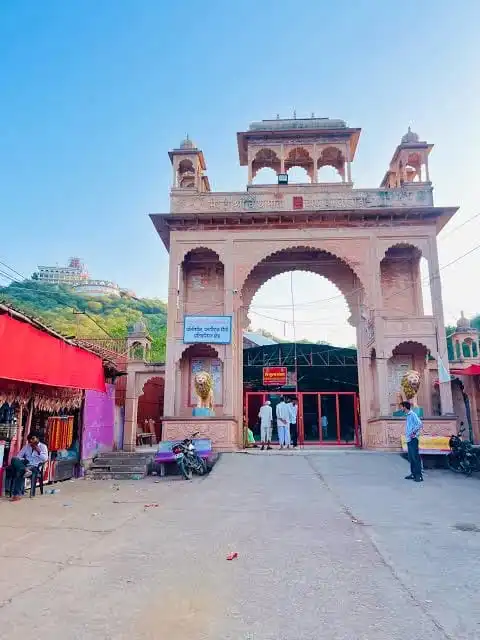
Chauth Mata Mandir, Rajasthan
Divine Grace, Eternal Suhag
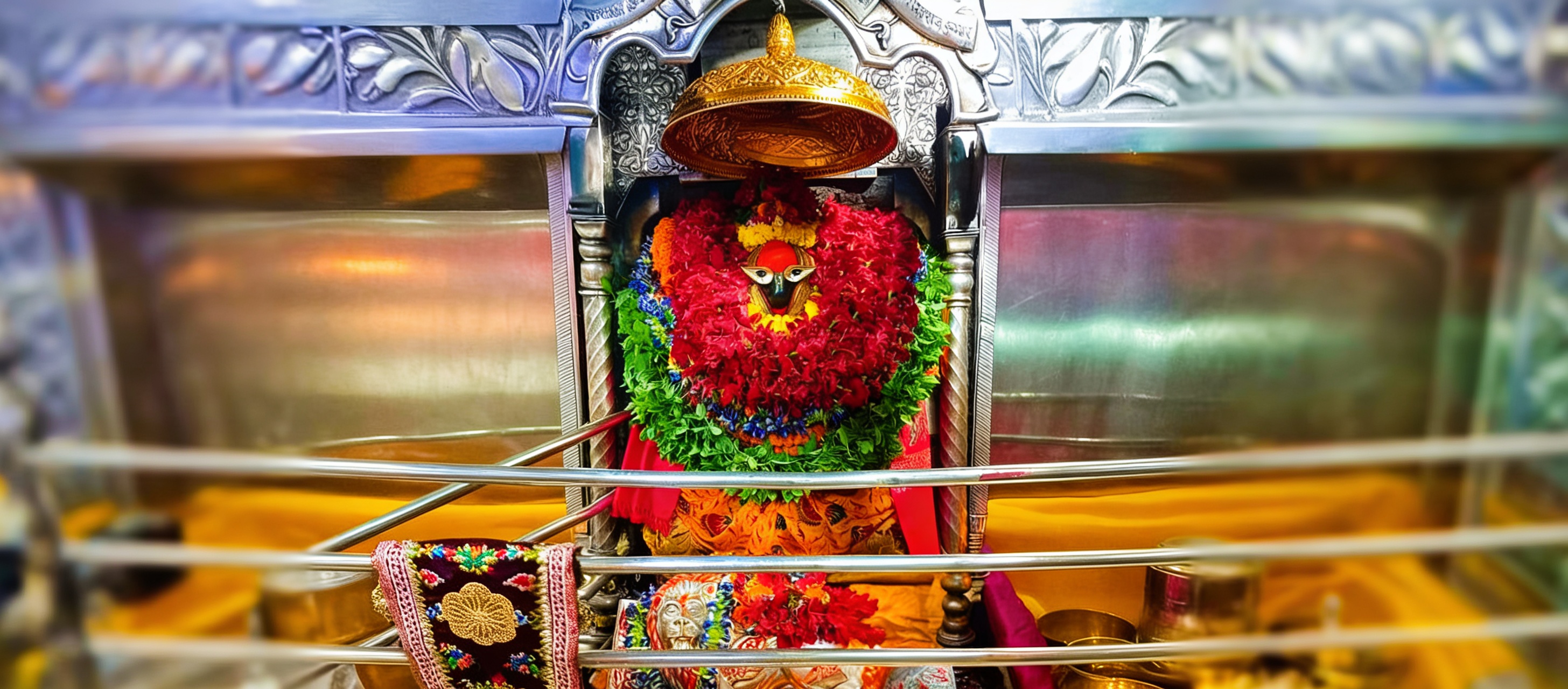
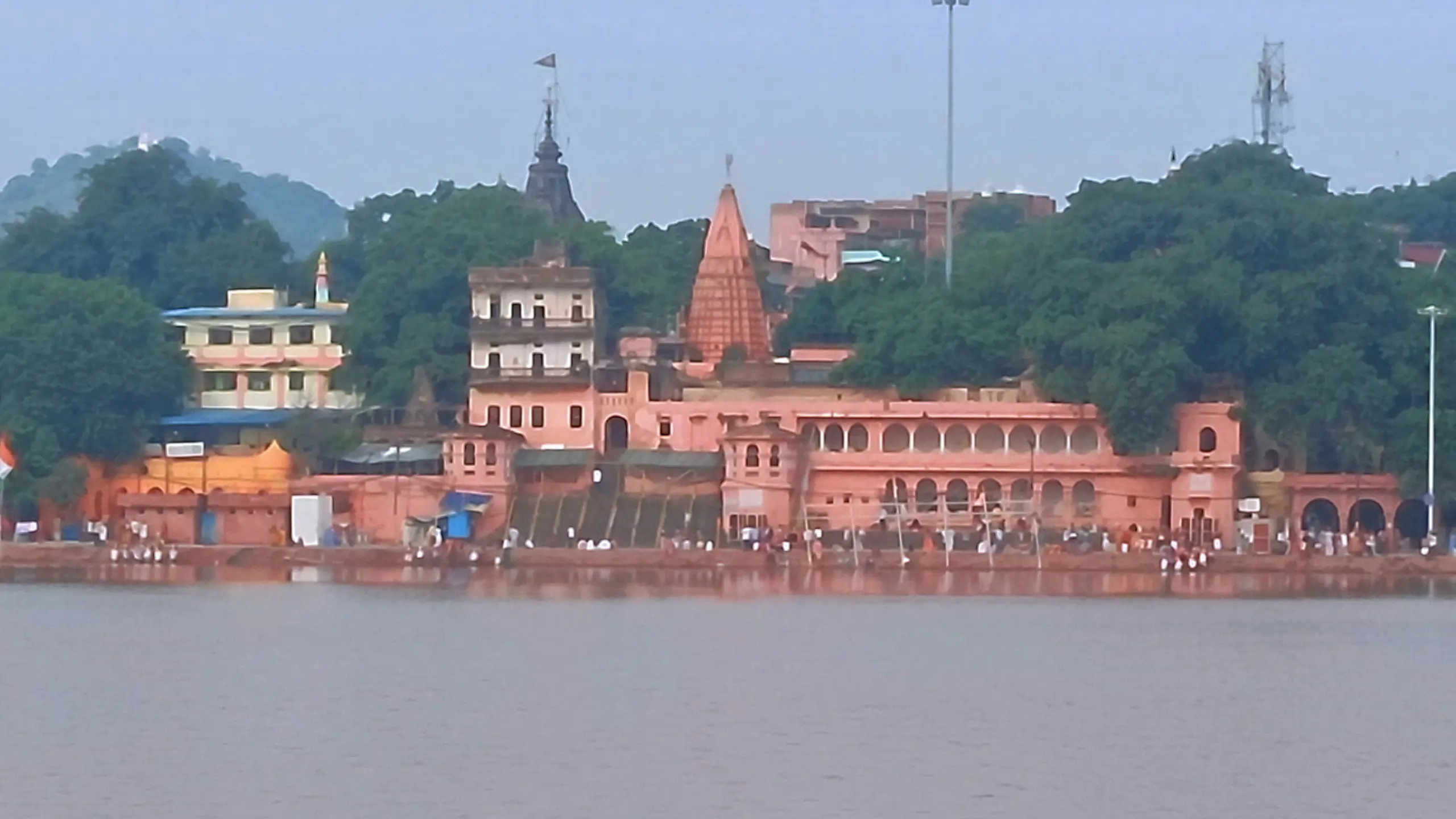
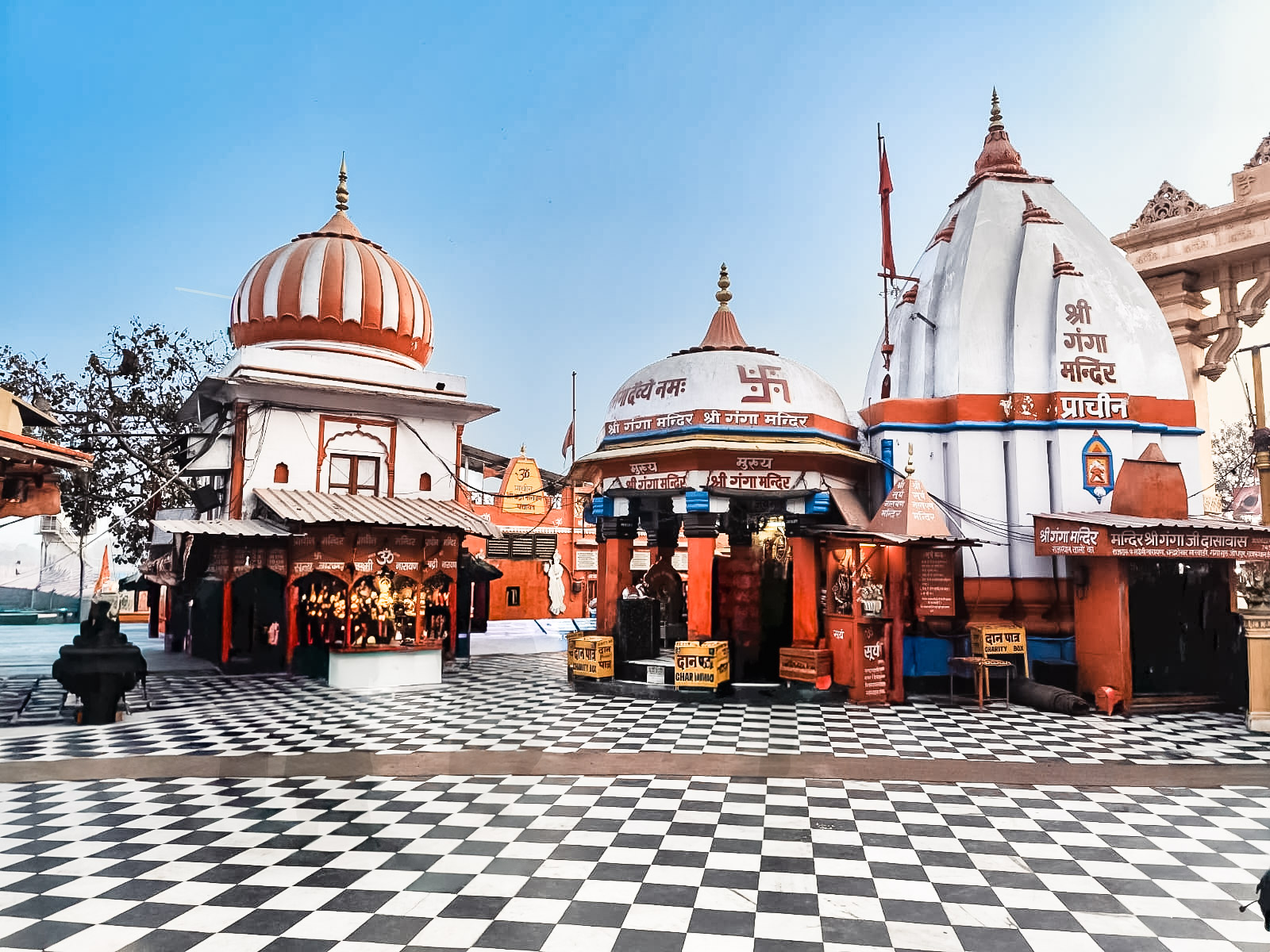
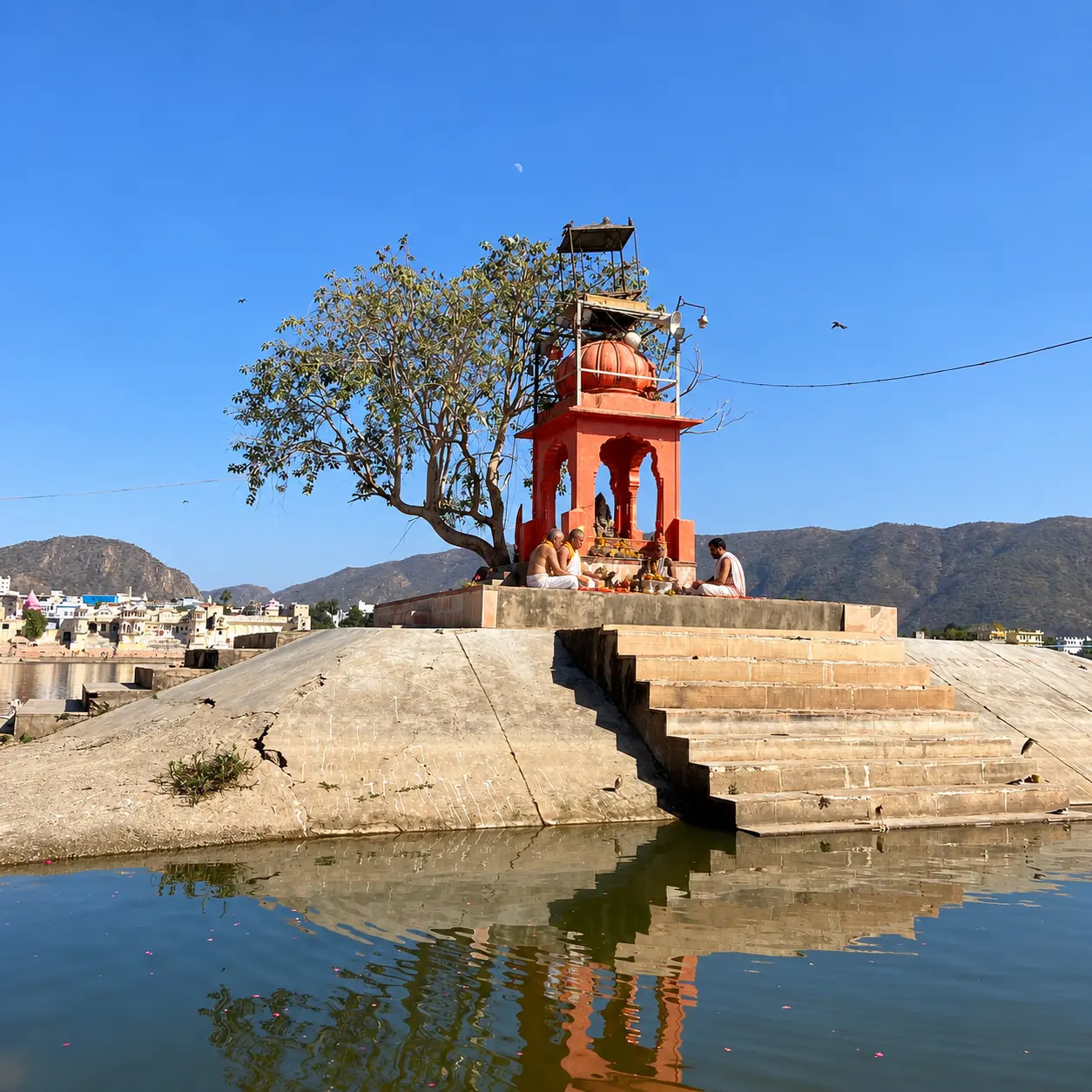
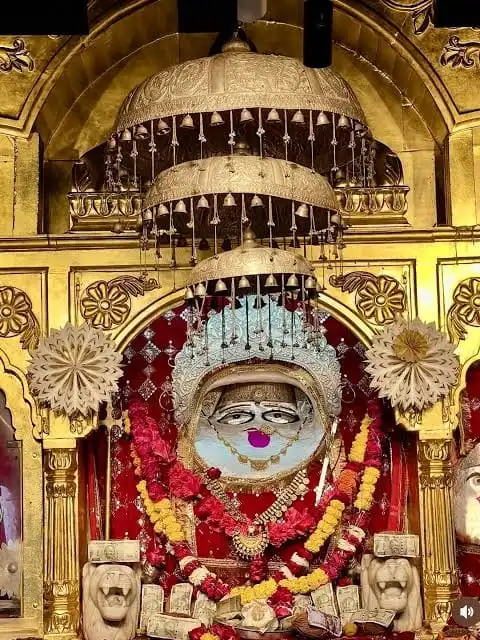
Chauth Mata Mandir is a revered Hindu pilgrimage site located atop a hill in Chauth Ka Barwara, in the Sawai Madhopur district of Rajasthan. Dedicated to Goddess Chauth Mata, who is worshipped by devotees as a form of Goddess Parvati, the temple holds special significance for married women praying for their husbands’ long life, marital happiness, and family well-being. It is particularly associated with the sacred observance of Karwa Chauth, when devotees seek blessings for an enduring marital bond and Akhand Saubhagya. Surrounded by the natural beauty of the Aravalli landscape, the temple offers a spiritually uplifting atmosphere for prayer and devotion. It attracts pilgrims throughout the year, with especially large gatherings during Karwa Chauth, other Chauth observances, and Navratri.
The history of Chauth Mata Mandir is traditionally traced to the 15th century. According to local legend and Rajasthan government documentation, the temple was established in 1451 by the Chauhan ruler Bhim Singh. It is believed that the king received divine guidance in a dream from Chauth Mata, instructing him to establish the Goddess at Barwara instead of Panchala village. Following this vision, the deity was installed on the hill, and the shrine gradually became an important centre of regional devotion. Chauth Mata came to be revered as a protective deity, with strong associations with the local royal traditions and the religious identity of Chauth Ka Barwara. Over the centuries, the temple has continued to attract devotees, particularly during major Chauth festivals and Navratri. While historical accounts vary on certain details of its origins, the temple remains a cherished symbol of faith and cultural heritage.
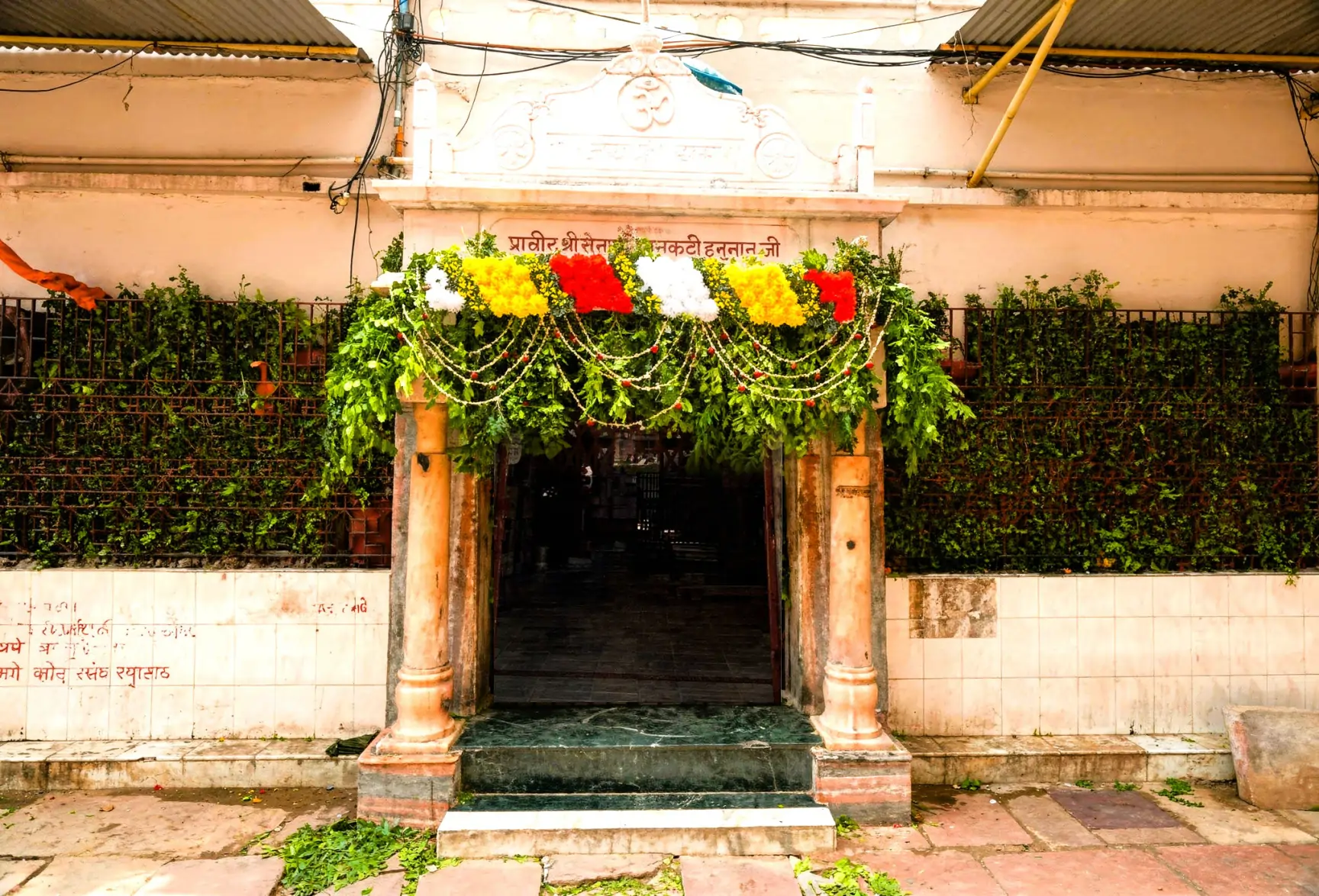
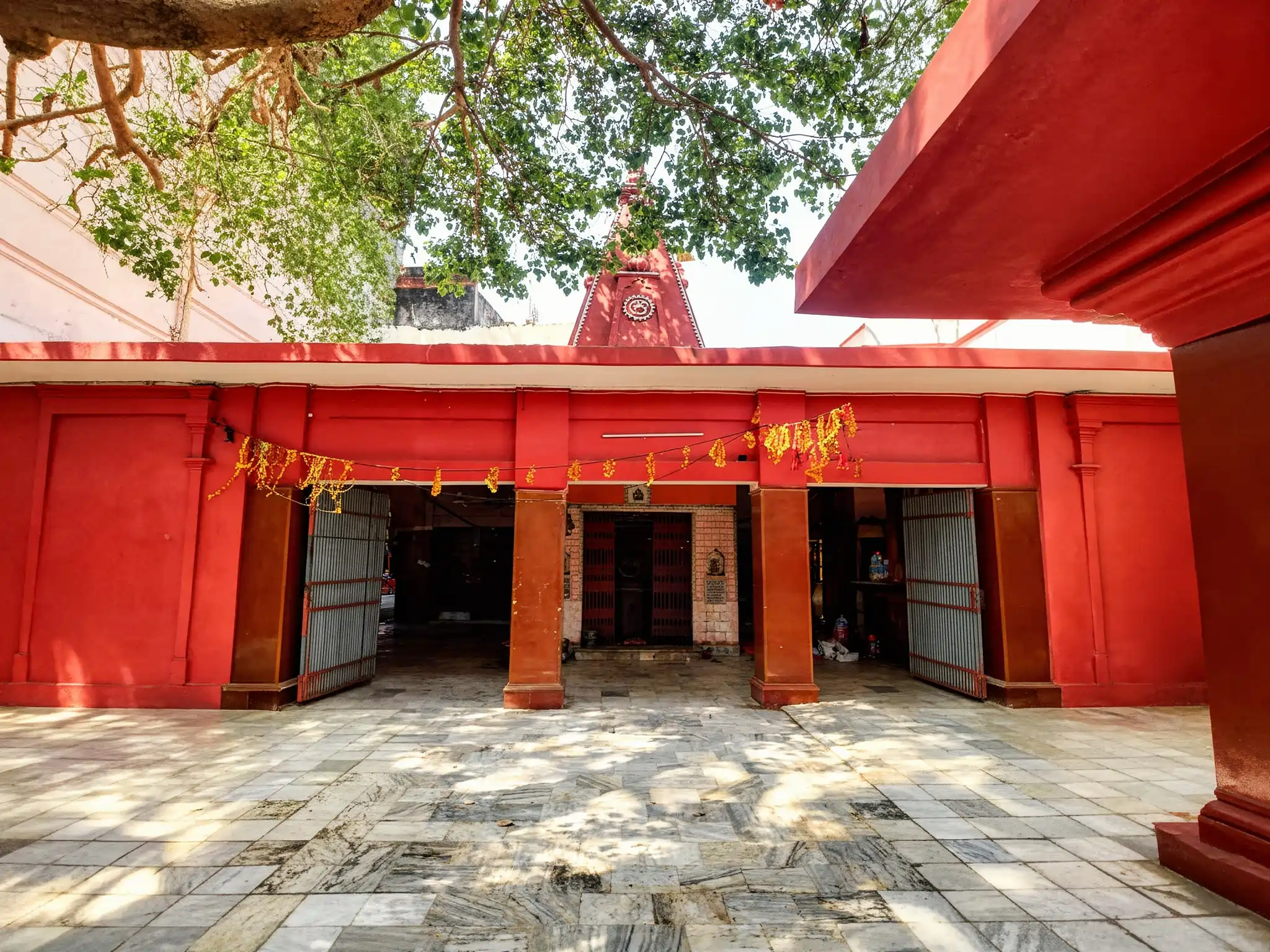
Chauth Mata Mandir is deeply connected with the traditions of marital devotion, feminine divinity, and Shakti worship. Devotees pray to the Goddess for their spouse’s well-being, harmony in married life, prosperity, and lasting family happiness. The temple becomes especially significant during Karwa Chauth and other auspicious Chauth occasions, when women gather to offer prayers and seek divine blessings. Architecturally, the shrine reflects traditional Rajasthani temple design, with white marble elements, decorative carvings, and a prominent hilltop setting. The temple complex features a grand entrance, a double-storeyed structure, and a flight of approximately 700 steps leading to the shrine. Images of Lord Ganesha and Bhairav are also associated with the complex. Its elevated location, sacred atmosphere, and traditional design make it both a spiritual landmark and an important part of Rajasthan’s religious heritage.
A visit to Chauth Mata Mandir combines spiritual devotion with a scenic hilltop pilgrimage. The temple is situated in Chauth Ka Barwara, in Rajasthan’s Sawai Madhopur district, and can be reached by road or rail, with Chauth Ka Barwara railway station serving the area. Pilgrims traditionally climb approximately 700 steps to reach the shrine, so comfortable footwear, drinking water, and a manageable pace are advisable. Karwa Chauth, Chauth observances, Navratri, and the annual Magh-period fair are particularly significant times to visit, although these occasions can draw large crowds. Devotees commonly offer prayers seeking marital harmony, their spouse’s well-being, and family prosperity. Visitors should allow extra time for the ascent and darshan, especially during festivals. Before travelling, it is advisable to confirm local temple arrangements and transport options, as crowd conditions and facilities may vary during major religious events.
Chauth Mata Divya Sindoor Suhag Dampatya Sukh Anushthan
Divine Blessings for Eternal Suhag