Vindhyavasini Devi Mandir, Vindhyachal, Mirzapur
The Devi mandir forming the Vindhyachal Shakti Trikon.
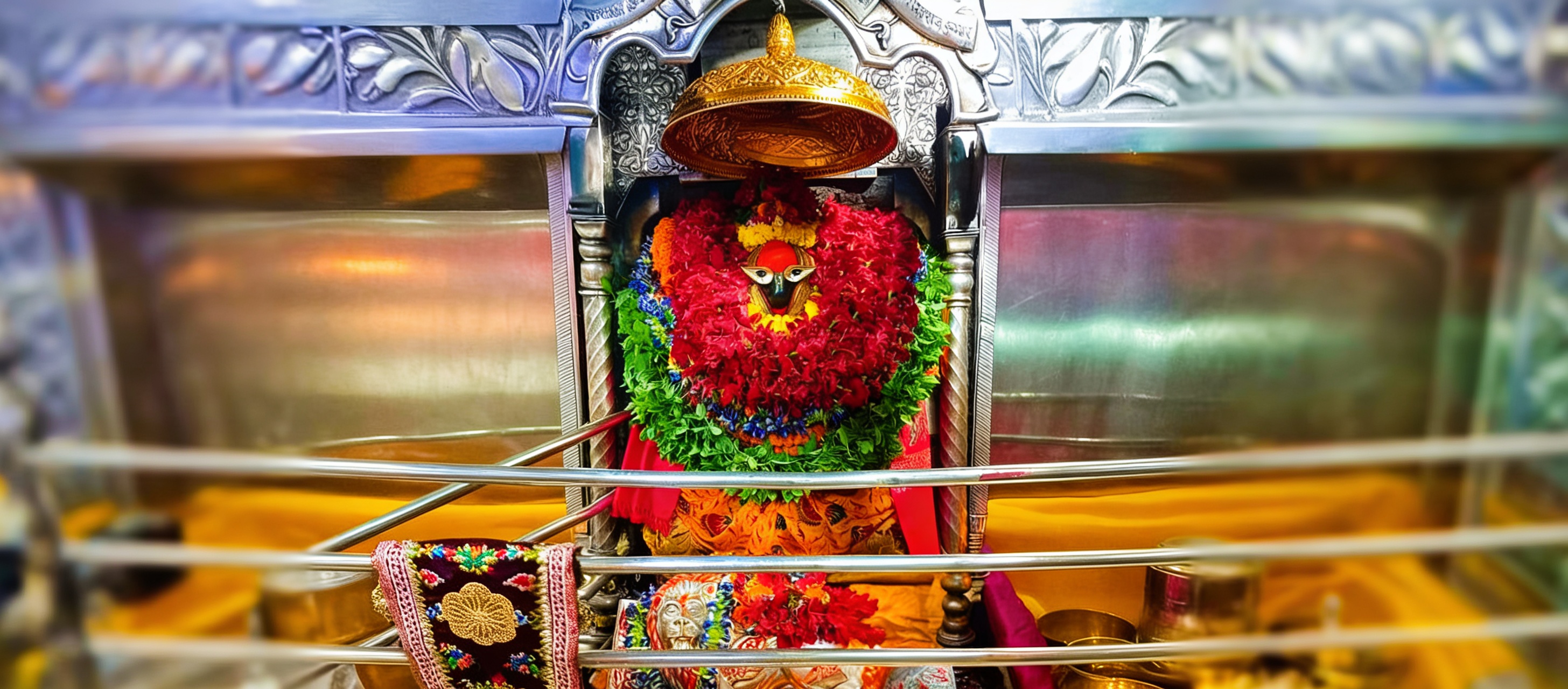
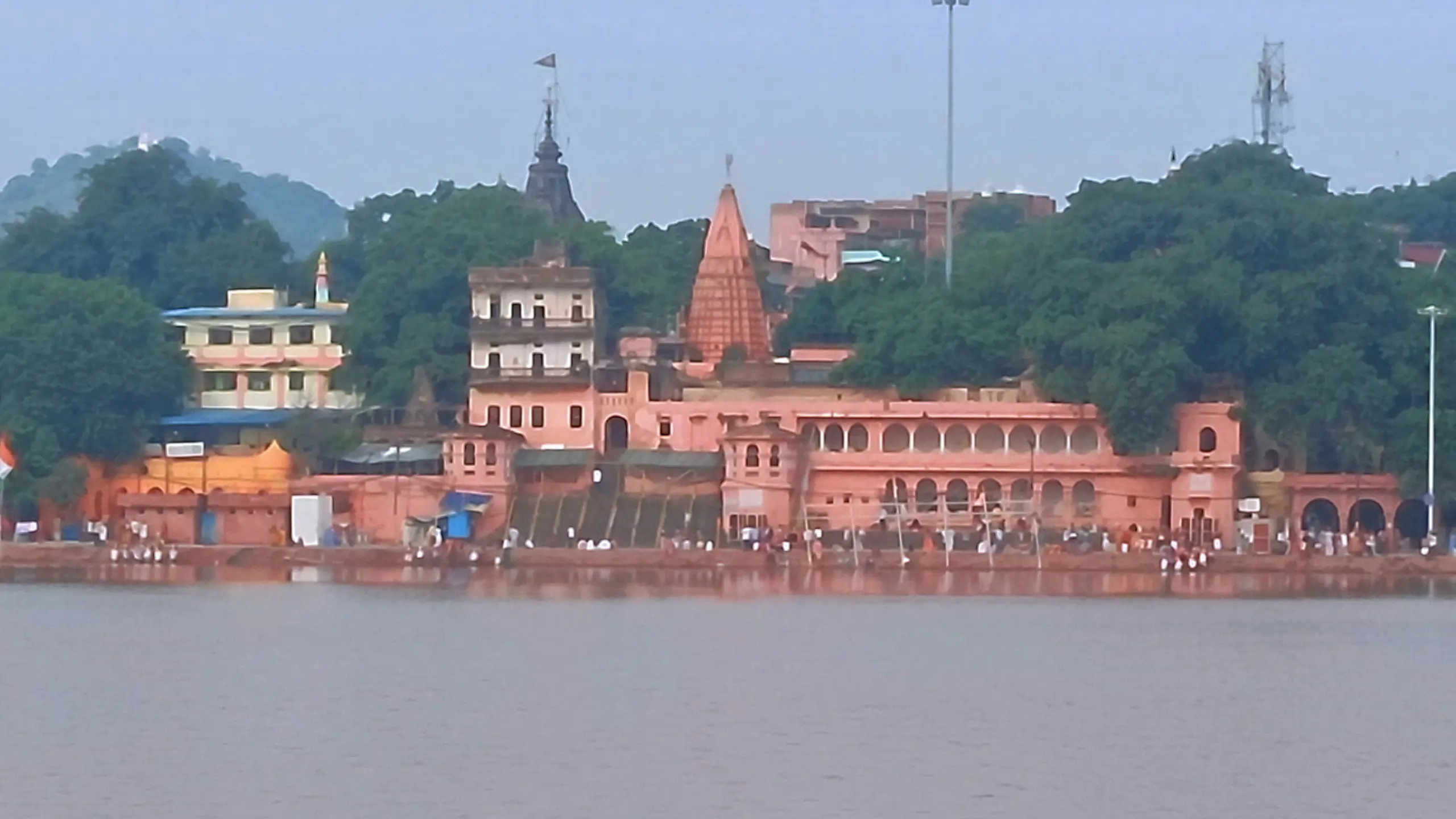
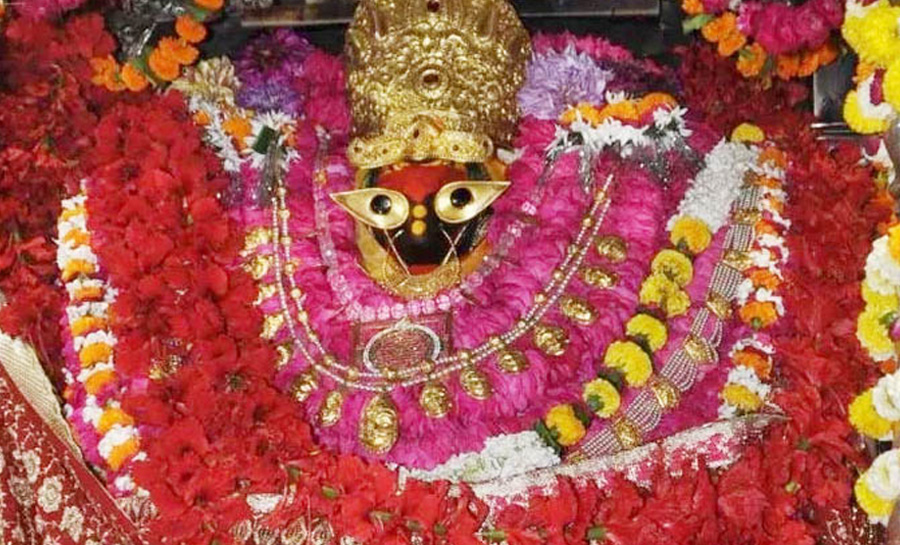
Located on the banks of the Ganga at Vindhyachal, Vindhyavasini Devi Mandir is one of North India’s most important Shaktipeeths. The temple is dedicated to Ma Vindhyavasini, worshipped as a self-manifest form of Adi Shakti. According to Shaktipeeth tradition, the left toe of Ma Sati is believed to have fallen here, which is why this place holds special importance in Devi worship. Devotees come throughout the day for darshan, prayer, and manokamna (wish-related) offerings. People seek strength, protection, and steadiness in life, especially during difficult phases.
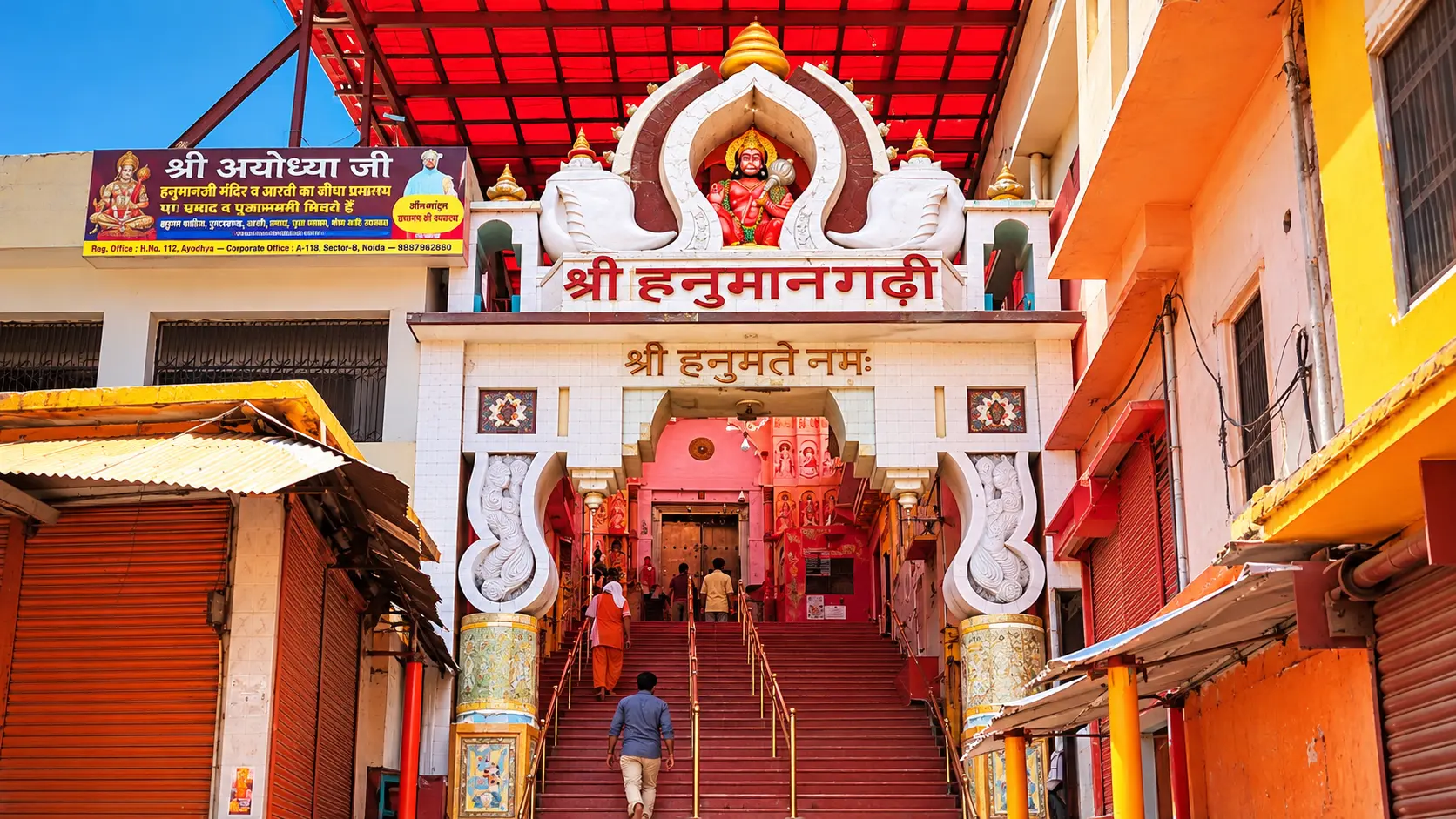
According to Puranic tradition, Yogamaya, born on the same night as Krishna, escaped Kansa’s attempt to kill her and revealed her divine form before choosing the Vindhya mountains as her seat. The Devi Bhagavata Purana, Markandeya Purana, and Skanda Purana all refer to Vindhyachal as a sacred Shakti region. Local tradition also links the area to Rama, Sita, and Lakshmana during their exile, with sites like Sita Kund and Rameshwar Mandir marking their stay. While the temple’s structure has changed over time, worship here has continued for centuries.
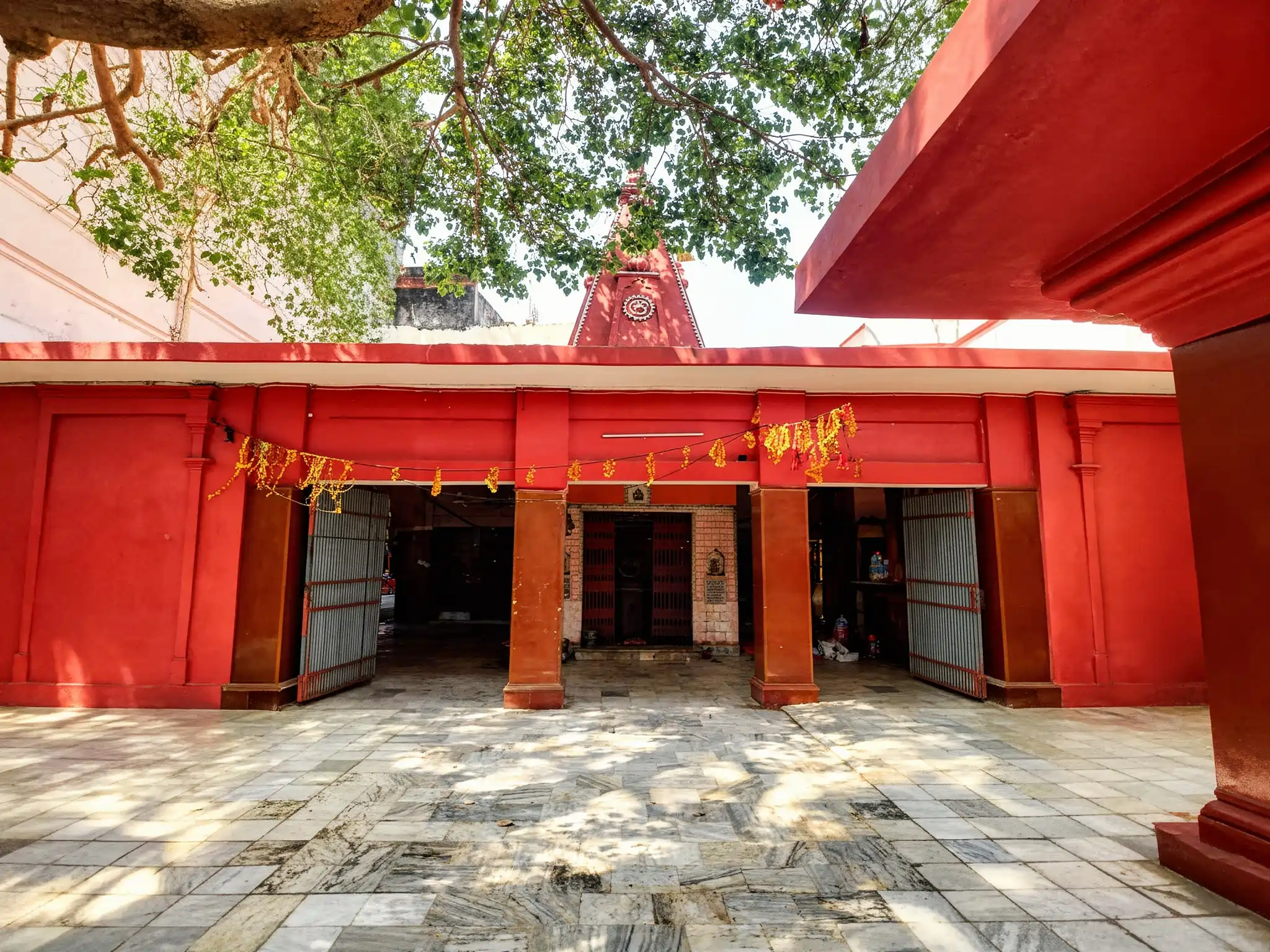
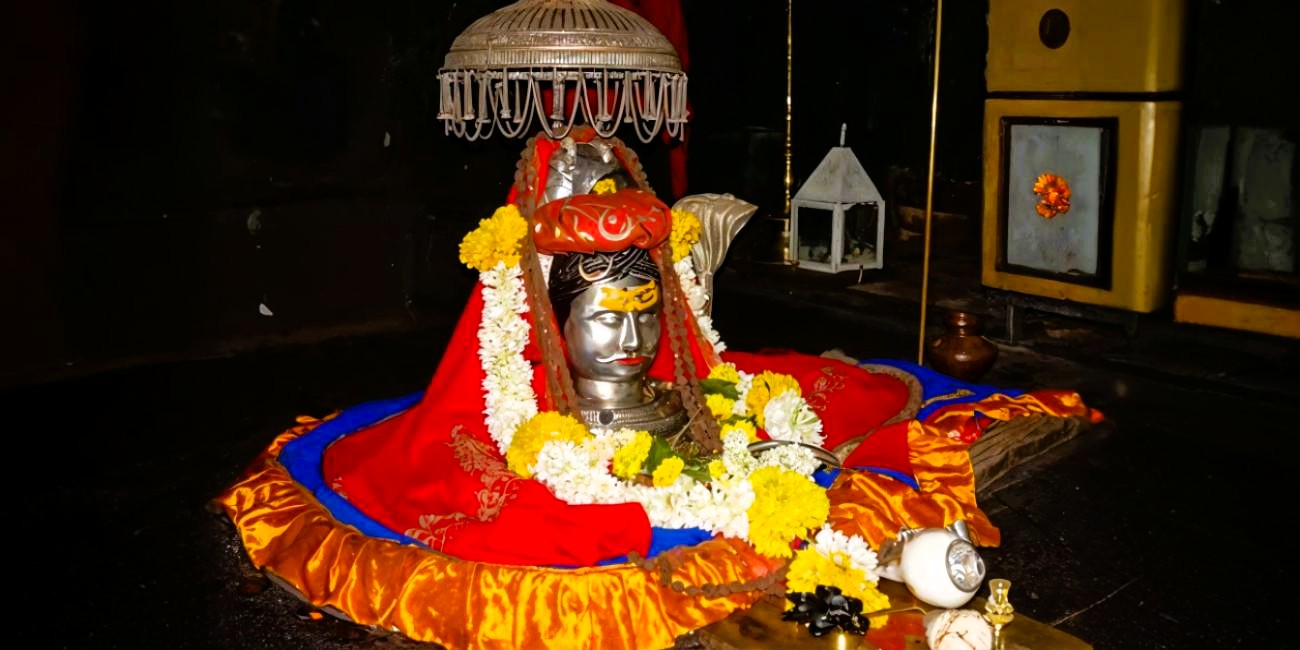
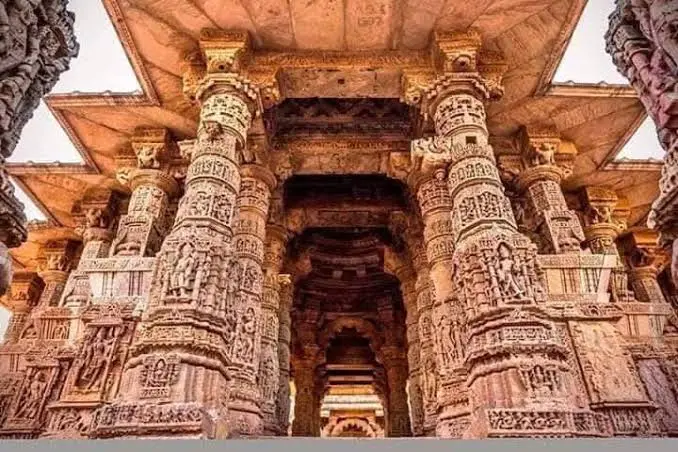
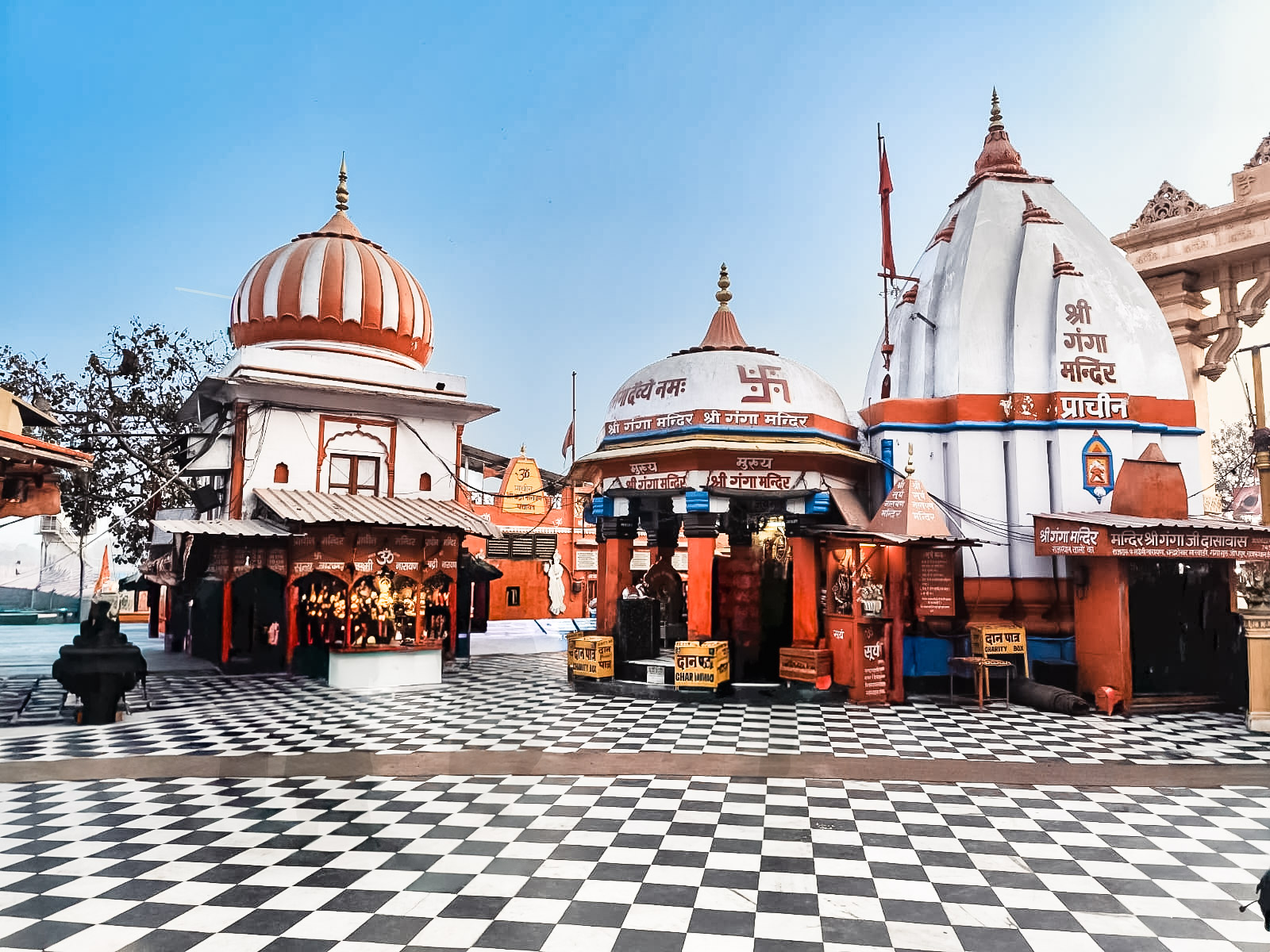
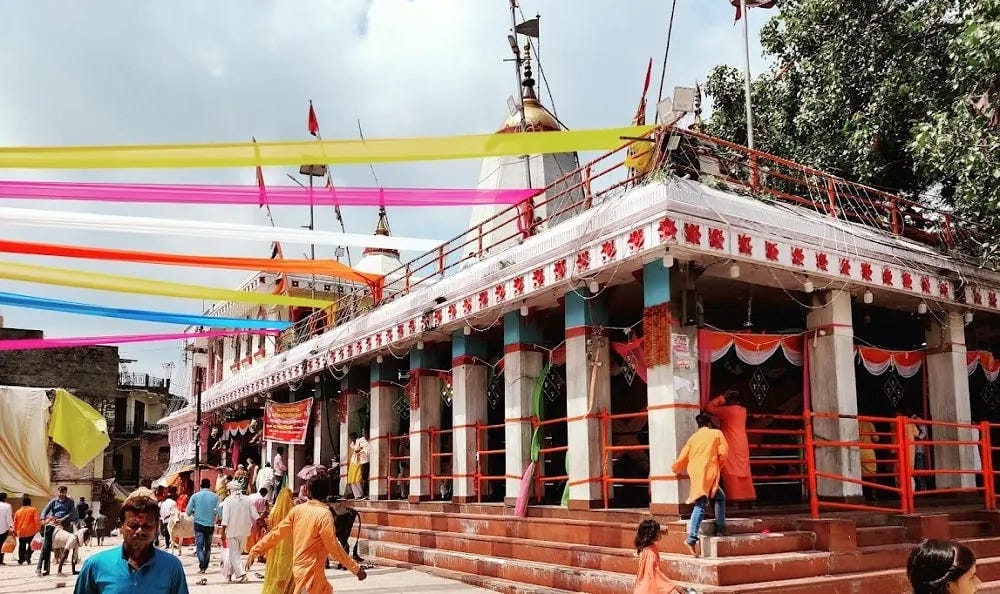
Vindhyachal is known for the Trikon of Shakti worship, which includes Vindhyavasini, Kali Khoh, and Ashtabhuja Devi. Together, these three represent balance in life through protection, care, and wisdom. The main mandir follows a simple Nagara style with a compact garbhagriha and mandap. Red stone walls, stone lions, and steady ritual activity define the space. Nearby are smaller Shiva Lingas, Bhairav sthans, and a yagyashala, reflecting the Shaiva–Shakta tradition of the region.
Many pilgrims complete the Trikon Parikrama, covering Vindhyavasini, Kali Khoh, and Ashtabhuja Devi, usually walking or by vehicle. Navratri brings very large crowds. Ram Gaya Ghat nearby is often visited for Ganga snan. Carry water, keep footwear outside, and offerings can remain simple. Evening aarti is usually attended by a lot of people.
daily
Morning Aarti
4:30 AM
Evening Aarti
6:00 AM
Nav Chandi Path (9 Days, 5 Brahmins)
For strength, protection, and facing long-standing difficulties
Upnayan Sanskar Puja (with Samagri & Rakt Bundle)
For a child’s spiritual discipline and protection
Shri Ran Chhatra Achan Poojan (2 Hours)
For courage, protection, and standing firm in difficult moments
Sat Chandi (110 Paath, 11 Pandits, 3 Days)
For serious problems that continue despite repeated effort
Devi Shringar Pujan with Bhog prasad 'Shri Rasham'
For gratitude, harmony, and receiving Ma’s grace
Maa Vindhyavasini Divya Darshan Pujan
A Complete Offering of Devotion at the Shakti Peeth