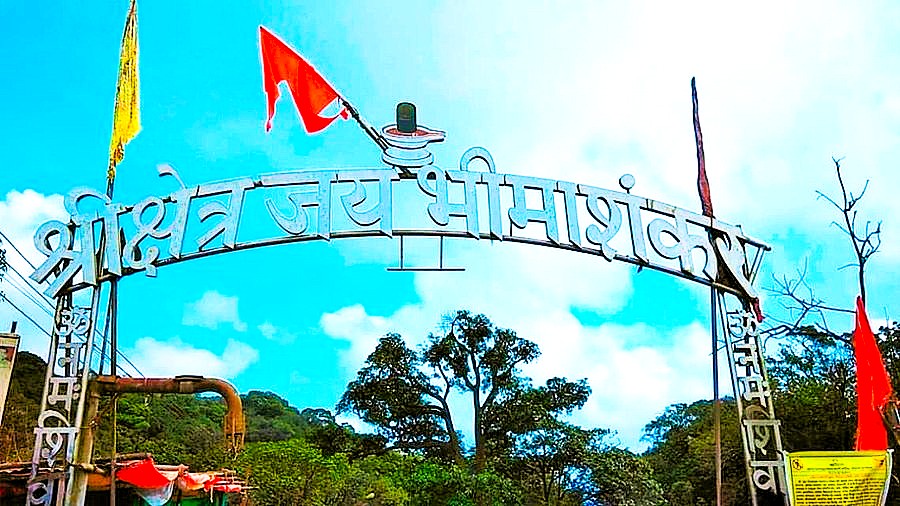
Bhimashankar Jyotirlinga
Where Shiva is worshipped at the source of the Bhima River.
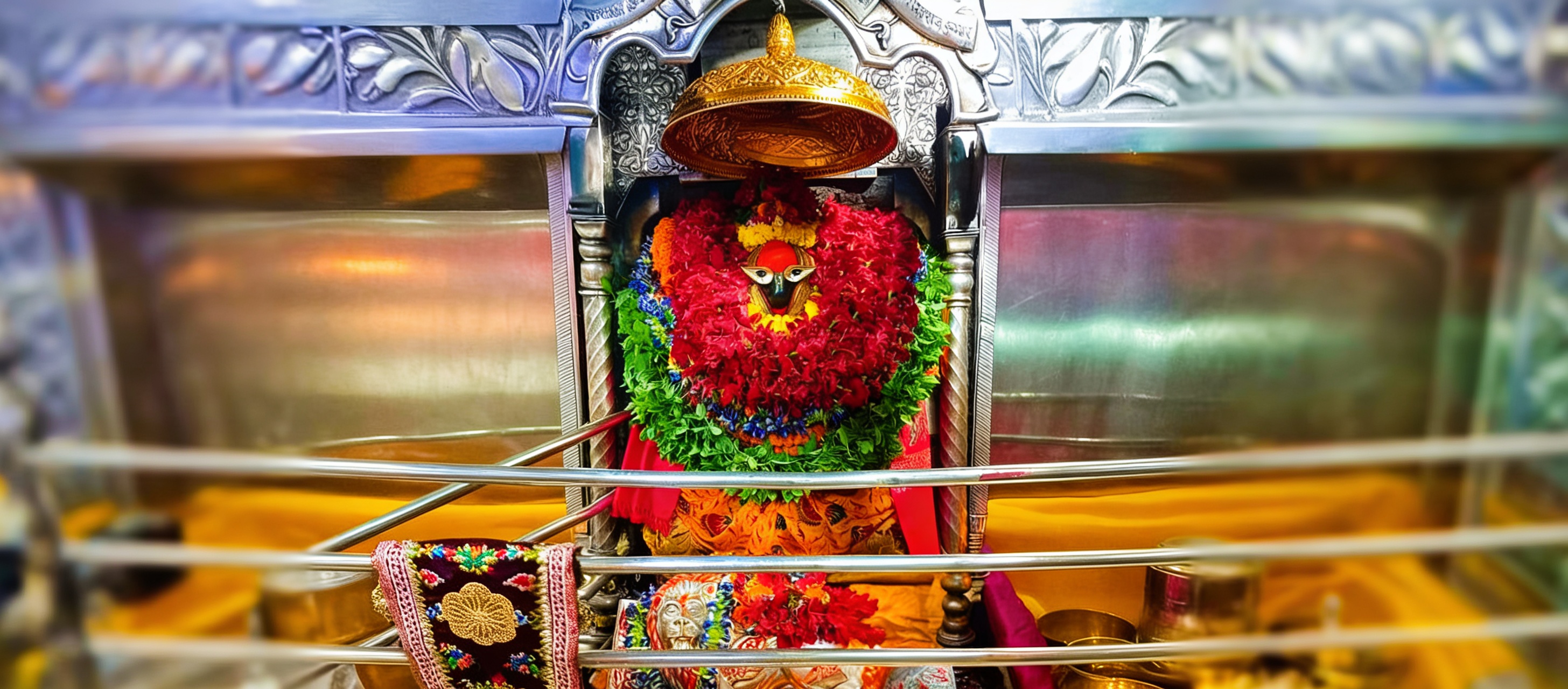
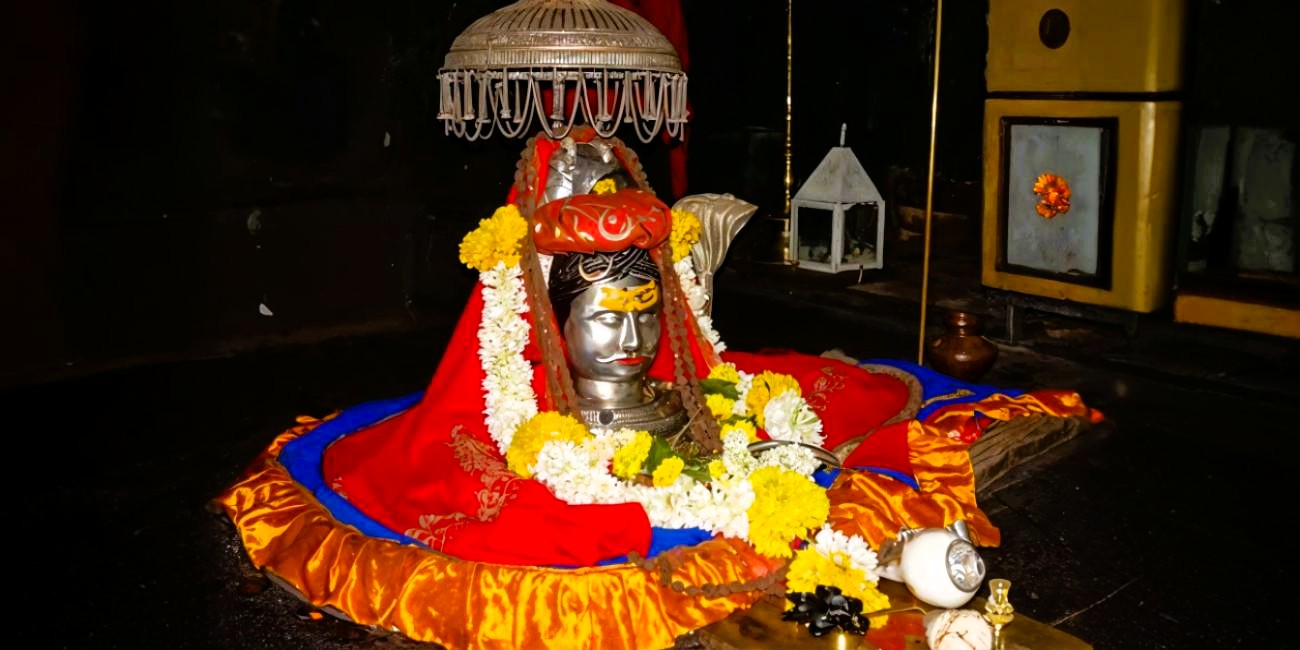
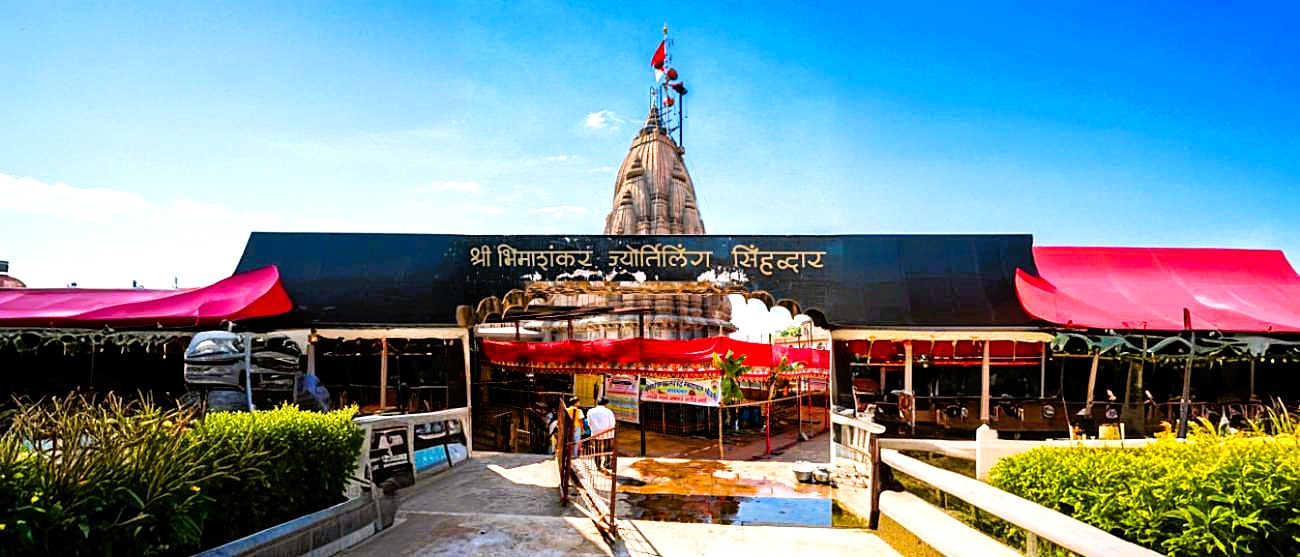
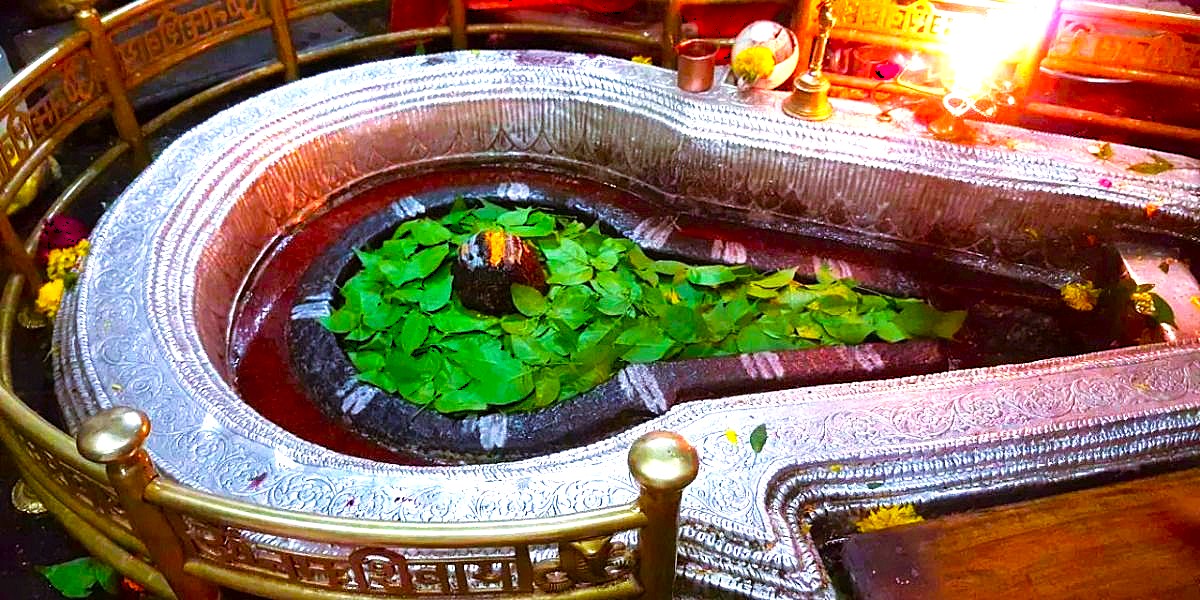
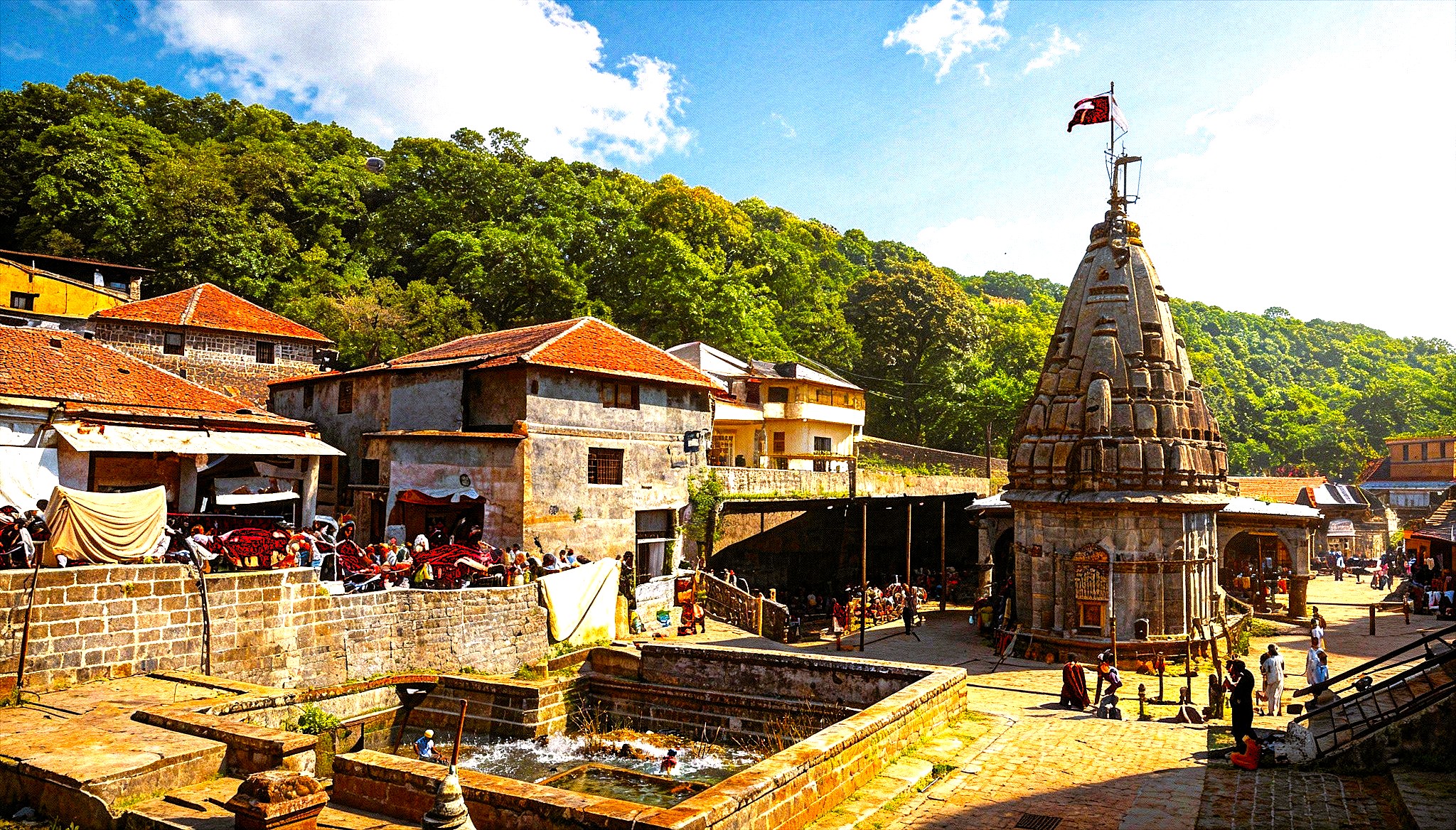
Bhimashankar Jyotirlinga Temple is one of the twelve Jyotirlingas of Lord Shiva. It is located in the Sahyadri hills of Maharashtra, about 110 km from Pune. The temple lies within the Bhimashankar Wildlife Sanctuary. This place is known as the starting point of the Bhima River, which adds to its importance for pilgrims. Devotees visit Bhimashankar mainly for darshan and prayer. Many people also come to perform rituals related to family matters and ancestors. The temple attracts devotees throughout the year and is an important stop in Shiva worship in this region.
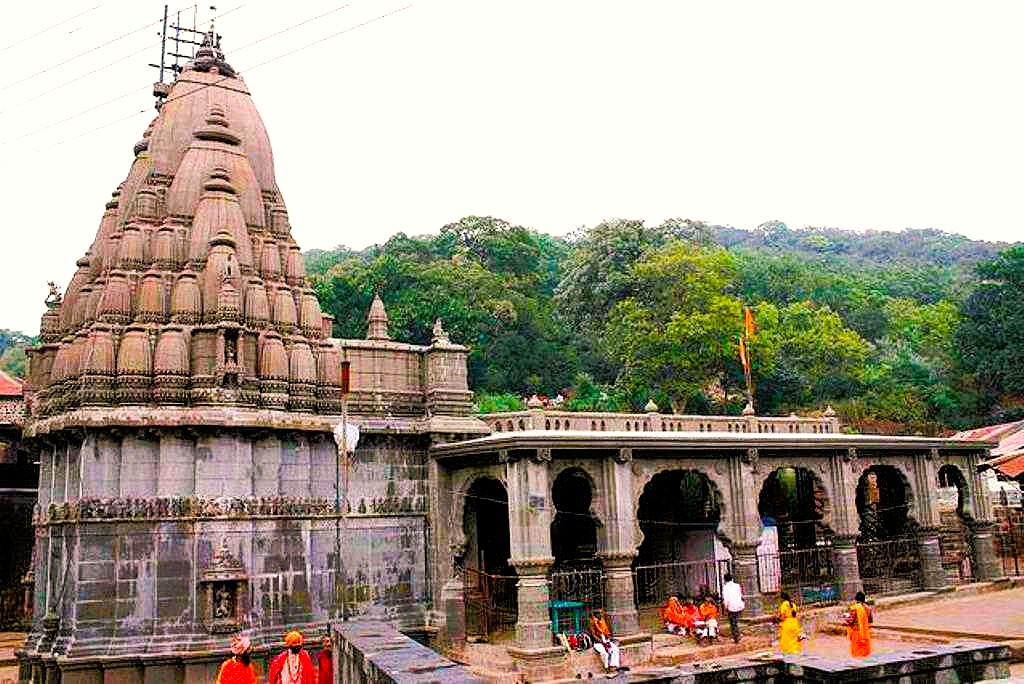
The temple’s story is linked to the legend of Lord Shiva defeating a powerful demon, after which the Jyotirlinga appeared here. Over time, Bhimashankar became an important centre of worship. Historically, the main structure dates back to the Yadava period. Later, during the Maratha era, leaders such as Nana Phadnavis supported the temple and helped expand parts of it. Even with changes over centuries, Bhimashankar has remained closely connected to both devotion and the surrounding land.
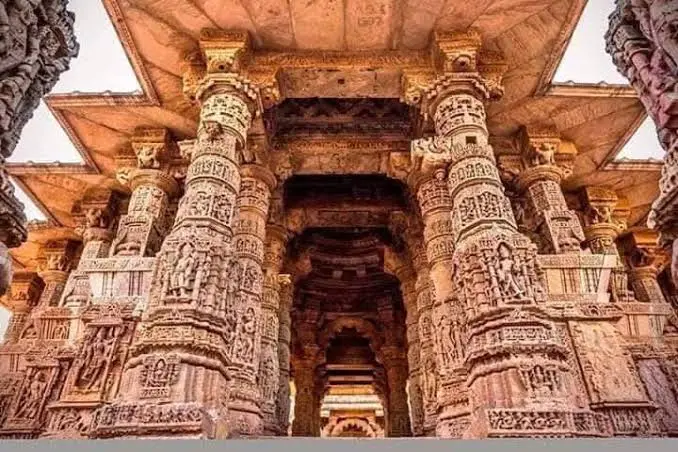
As a Jyotirlinga, Bhimashankar is known as a place where prayers to Shiva are considered very strong. Devotees come here for relief from unsolved worries, ancestral rituals like Tripindi Shraddha, and prayers for peace and clarity. The connection to the Bhima River adds to its importance, as places with river-origin are traditionally linked to cleansing. The temple follows the Nagara style with strong Hemadpanthi influence and is built using dark stone. The inner garbhagriha is old and simple, while outer sections were added later. One notable feature is the large temple bell placed outside, brought during the Maratha period. The temple structure feels solid and blends naturally with the forest landscape around it.
Bhimashankar is best reached by road from Pune or Mumbai. The final stretch is narrow and scenic. The temple opens early in the morning and remains active through the evening, with aartis bringing crowds. October to February is the most comfortable time to visit due to pleasant weather. During the monsoon, the area turns lush green, but roads can be slow. Mondays and Mahashivratri see higher footfall. Many visitors also include short forest walks or treks as part of their visit.
daily
Morning Aarti
5:30 AM
Evening Aarti
7:00 PM
Jyotirlinga Rudrabhishek - Mansik Shanti Vishesh
Cooling the Mind, Stabilising Life, Invoking Shiva’s Grace
Laghu Rudra Maha Naivedya with Brahmin Bhoj
For repeated obstacles, family-level problems, and the need for strong long-term protection.