Bhagwan Shani Dev Mandir, Varanasi
Seek patience, protection, and Shani Dev’s blessings here.
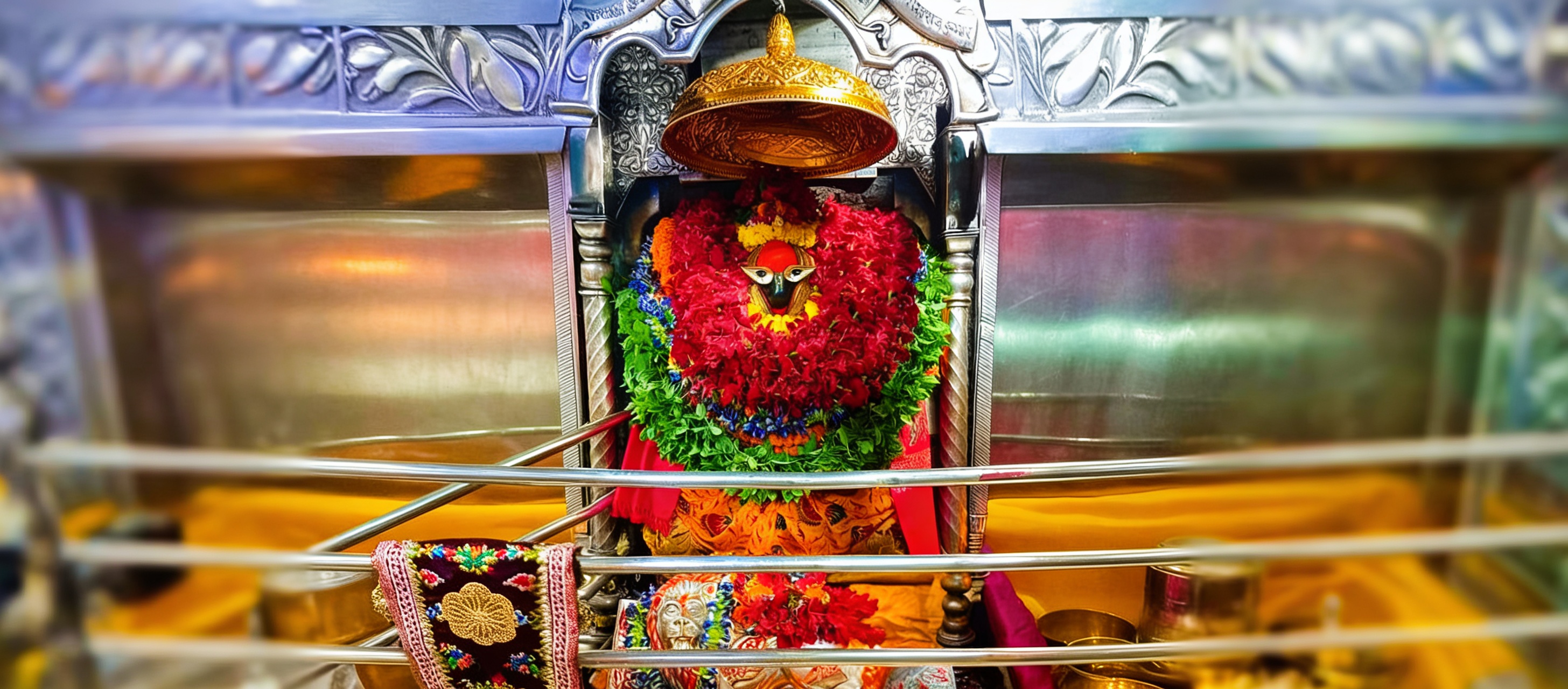
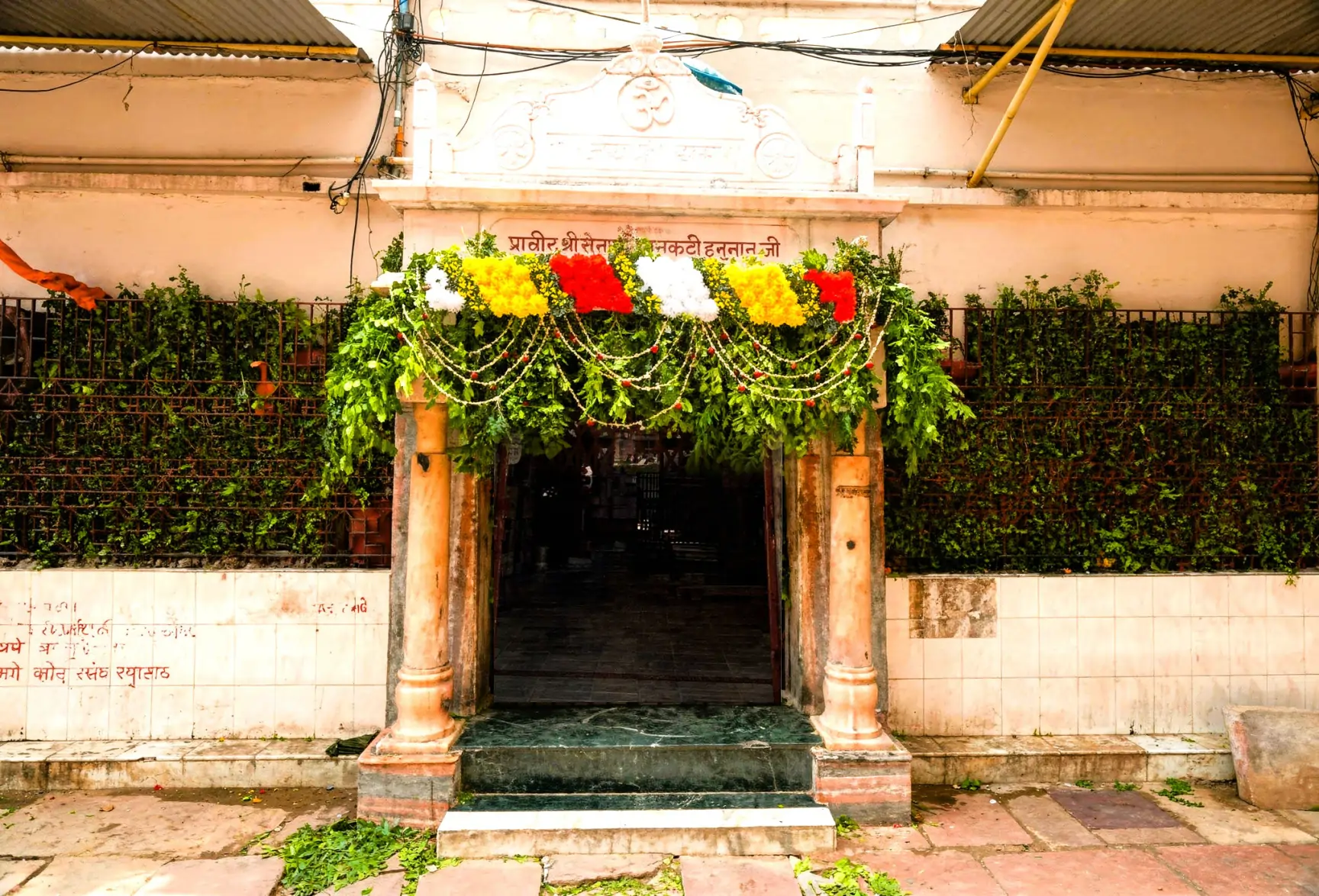
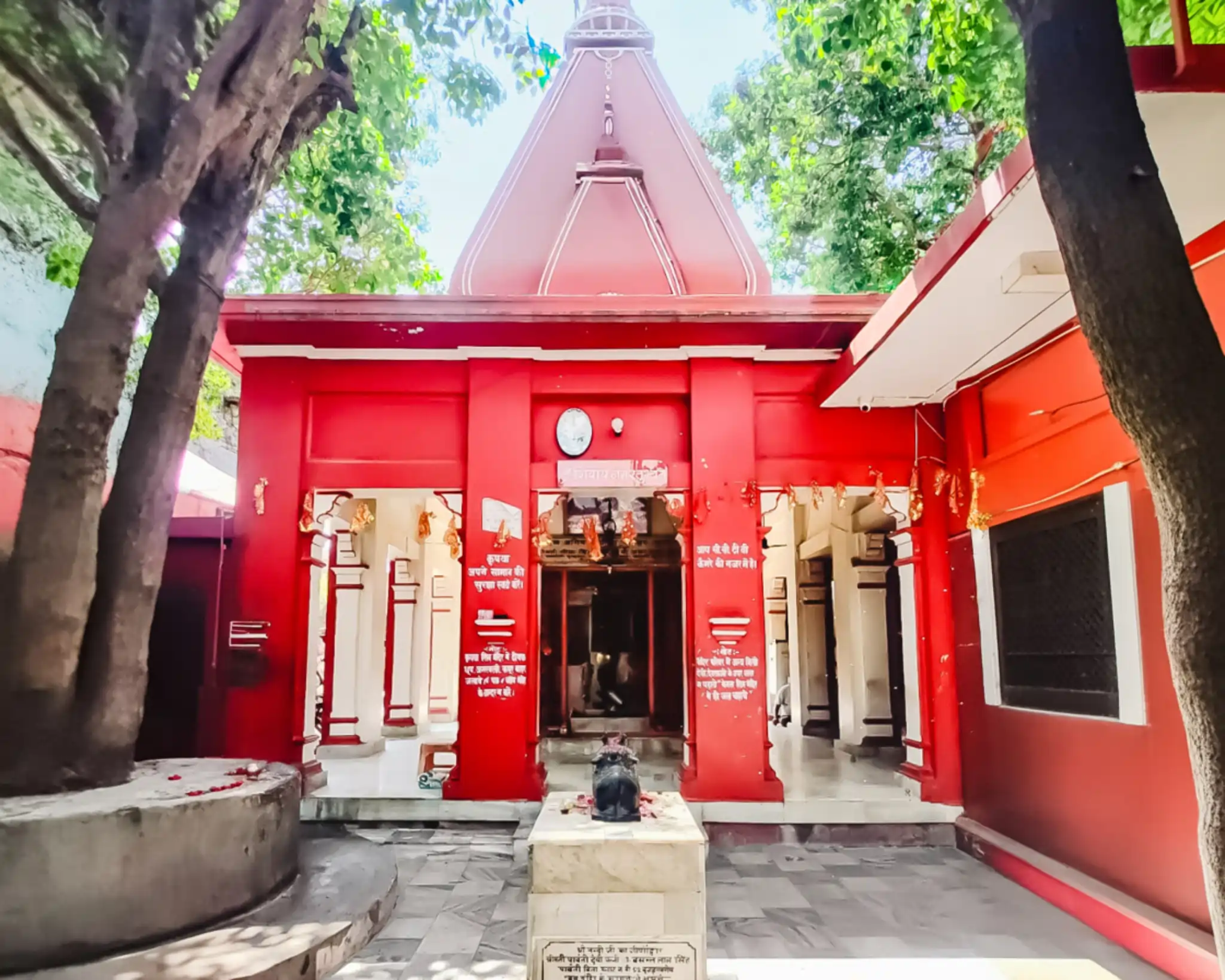
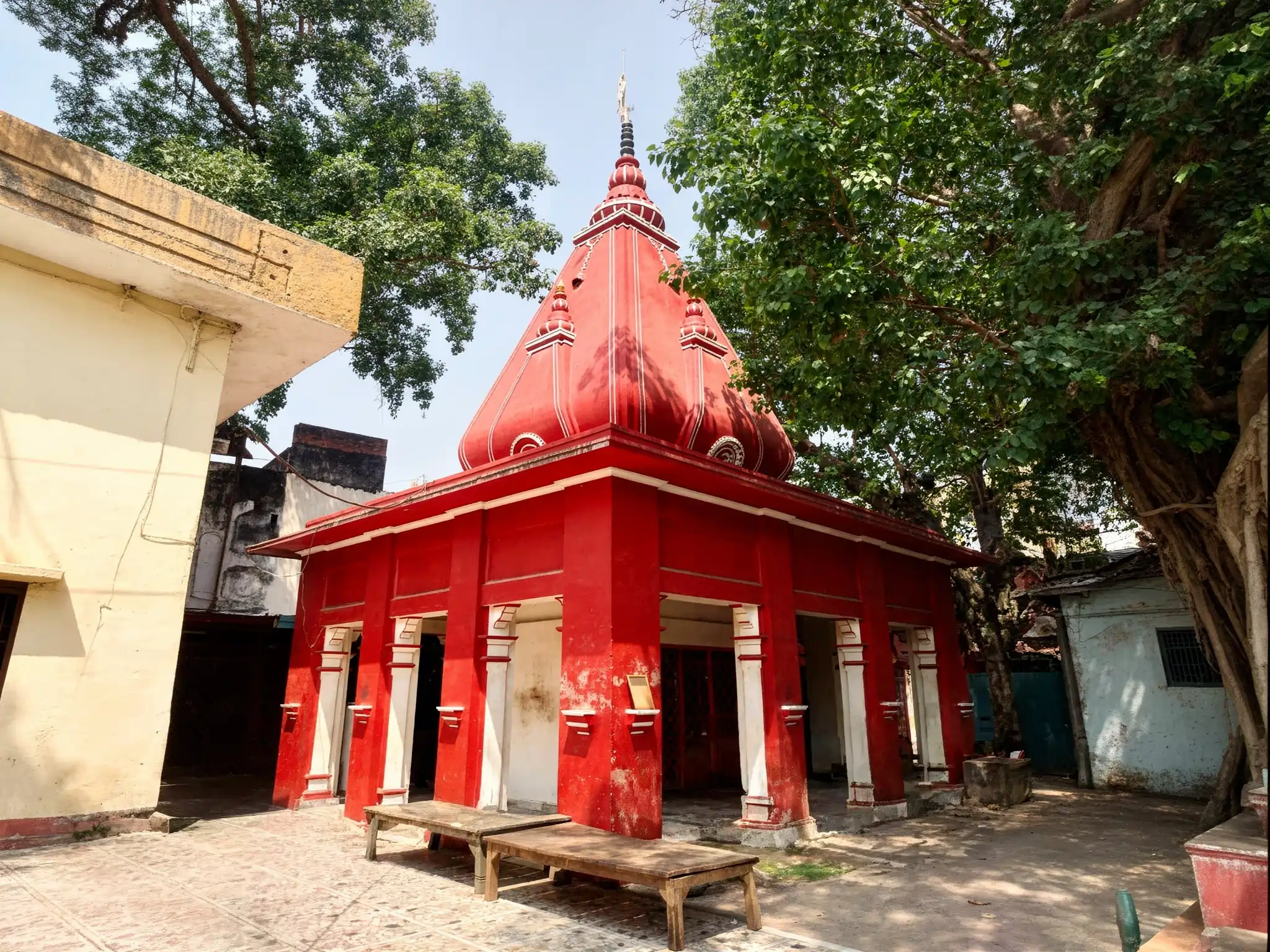
Bhagwan Shani Dev Mandir is a local and regularly visited temple in Varanasi. It serves the everyday devotional life of the neighbourhood, especially students, families, shopkeepers, and working people who come here for Shani-related prayers. The main deity is worshipped in the traditional form of Shani Dev, and Saturdays are the busiest day, when devotees gather with oil, black til, and other offerings connected to Shani worship. The temple is modest in size but active throughout the week, with its strongest devotional attendance seen on Saturdays and during difficult astrological periods.
Public historical records for this specific mandir are limited, its importance comes less from royal or medieval history and more from continued local use. Over time, it became one of the known places in this part of Varanasi for Shani-related worship and practical astrological remedies. That local role is what defines the temple today.
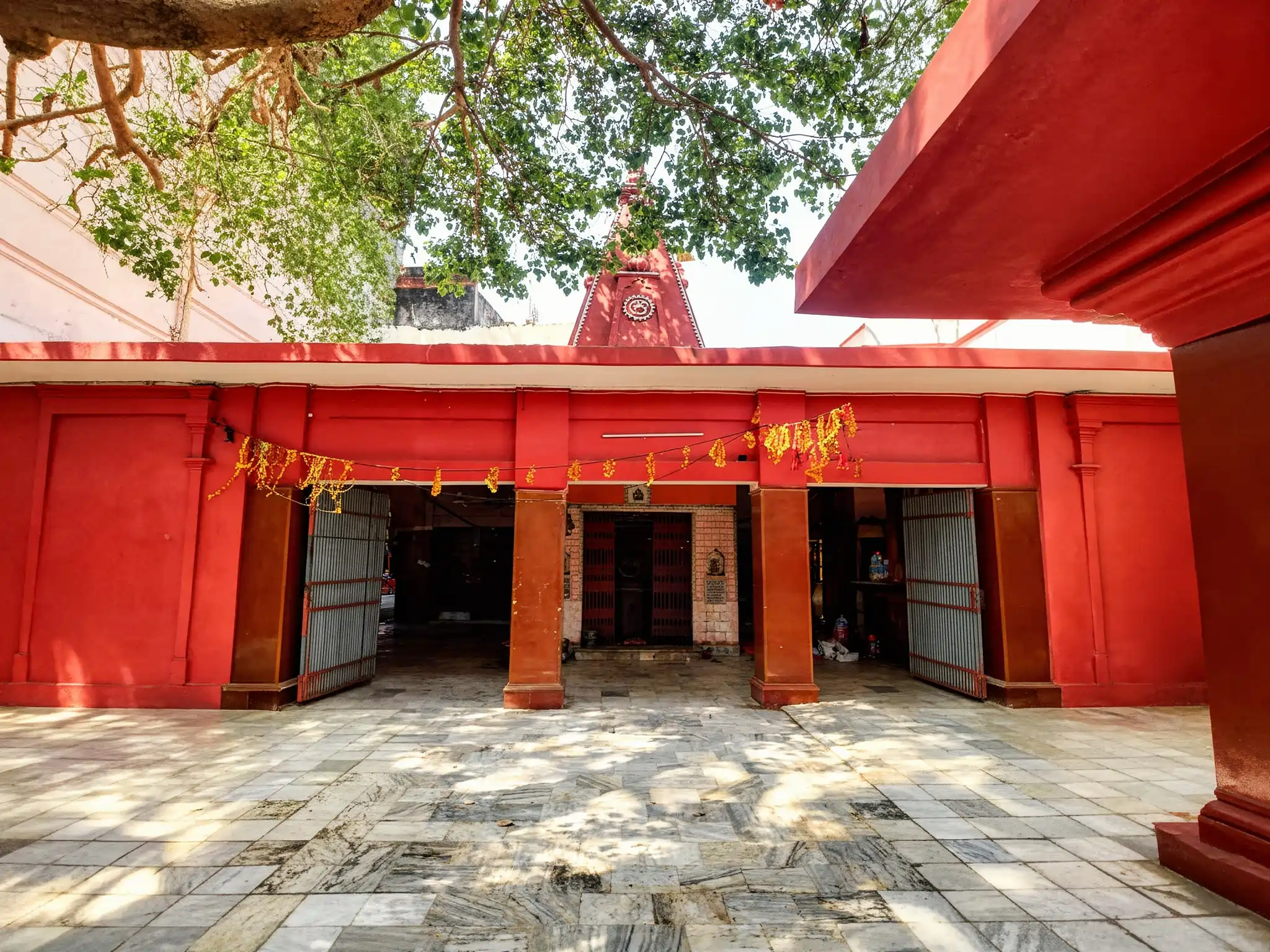
Shani Dev is worshipped in Hindu tradition as the giver of karmic results, discipline, patience, and justice. People come to this mandir especially when they are going through Sade Sati, Shani Mahadasha, repeated delays, legal trouble, work pressure, financial difficulty, or a heavy period in life. The common offerings here include mustard oil, sesame oil, black til, black cloth, and iron, all of which are linked with traditional Shani remedies. The temple structure is simple and practical, with a compact garbhagriha and a small open space in front where devotees stand in line for oil offering and prayer. In keeping with common Shani worship practice, Hanuman is also closely associated with this form of devotion, and many worshippers combine Shani prayer with Hanuman darshan for relief and protection.
The temple is located on BHU Road in the Gandhi Nagar–Newada side of the Sundarpur area and is easy to reach by auto, e-rickshaw, or on foot from Lanka and nearby neighbourhoods. Saturdays are the main day for darshan, especially in the evening, when the queue for tail-abhishek and Shani prayer becomes longer. People usually bring a small bottle of mustard or sesame oil, black til, and sometimes black cloth or iron for daan. For a quieter visit, weekday mornings are better. Many devotees also combine this visit with Hanuman worship and simple charity, which is a common part of Shani remedy practice.
daily
Mesh - Kumbh - Meen Rashi 11,000 Shani Mool Mantra Jaap - Sade Sati Shanti Anushthan
Shani Kripa • Sade Sati Relief
Kark-Tula-Meen Navpancham Guru-Shani Shanti Anushthan
Balance Guru-Shani, Invite Peace
Shani Dev Mahanusthan – 51 Deep Seva - Til Tel Abhishek
For Shani shanti, stability, and relief during difficult karmic phases.
Shani Sankalp aur Shani Chalisa
For regular Shani upasana, mental peace, and steady protection.
Shani Tantrik Mantra Jaap
For stronger Shani relief during severe obstacles and karmic pressure.
Shani Vaidik Mantra Jaap and Havan
For classical Shani shanti, stability, and relief from delay and hardship.
Shani Stotra Paath and Havan
For Shani relief through stotra recitation, prayer, and sacred fire.
Shani Dev ko Til ka Chadhawa
For karmic relief, peace, and simple Saturday Shani upasana.
Shani Dev ko Loha ka Chadhawa
For Shani shanti, humility, and relief from hard karmic pressure.
Shani Dev ko Sarso Tel aur Kaala Vastra ka Chadhawa
For overall Shani shanti, calmness, and relief from long delays.
Sawan Shiv-Shani 11,111 Sade sati Shanti MahaJaap - 11,111 Shami Archana
Relief from Shani Doshas