Varanasi Ghats (Dashashwamedh Ghat)
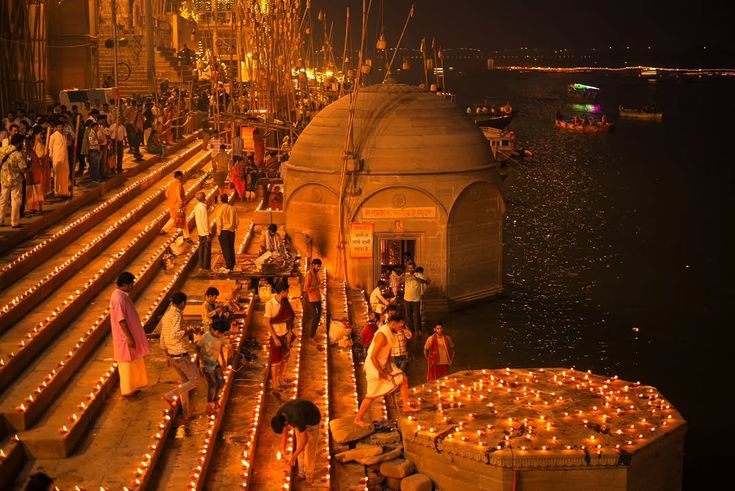
Where Maa Ganga flows as liberation, and every deep carries a prayer to the divine.
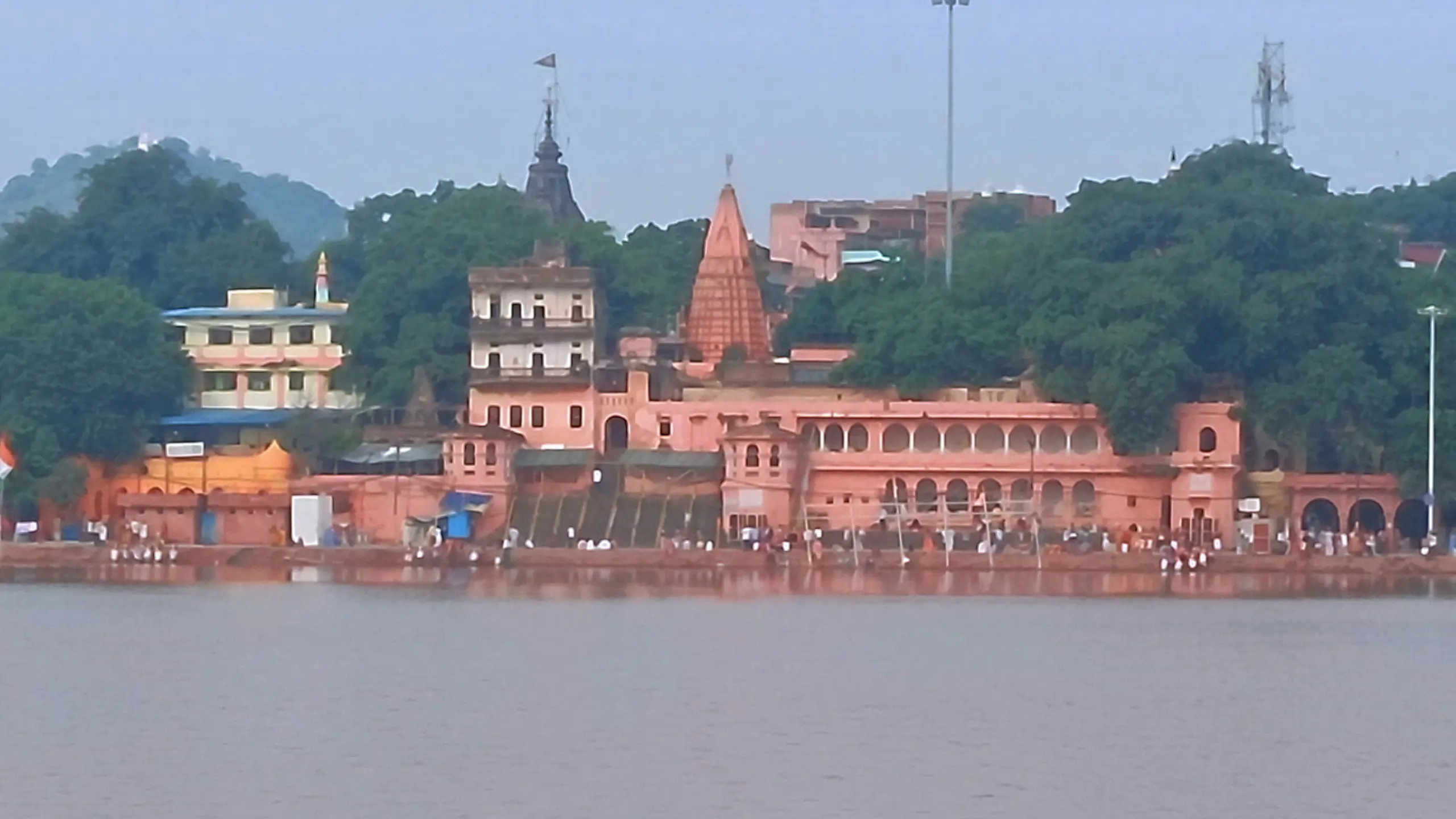
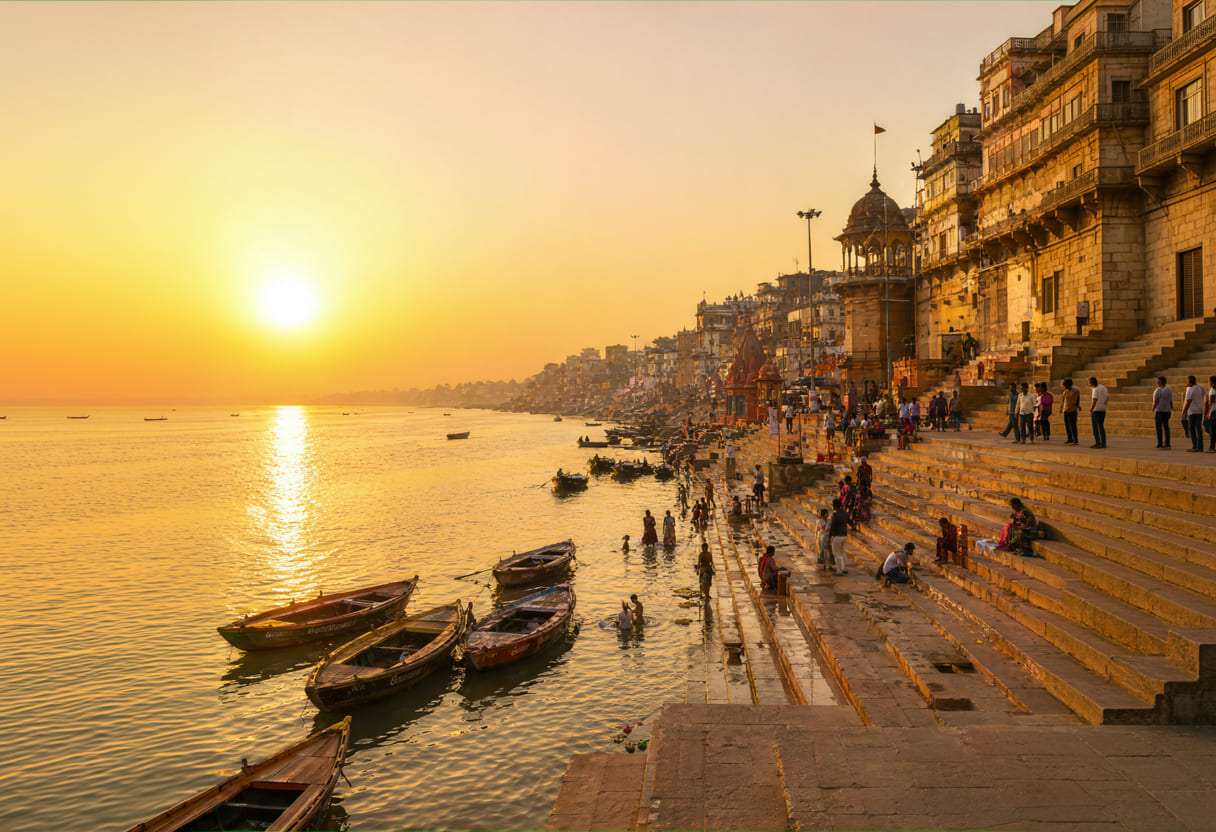
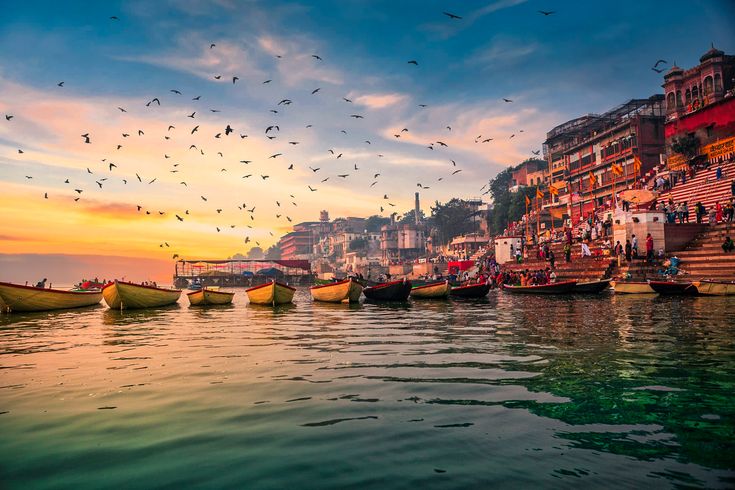
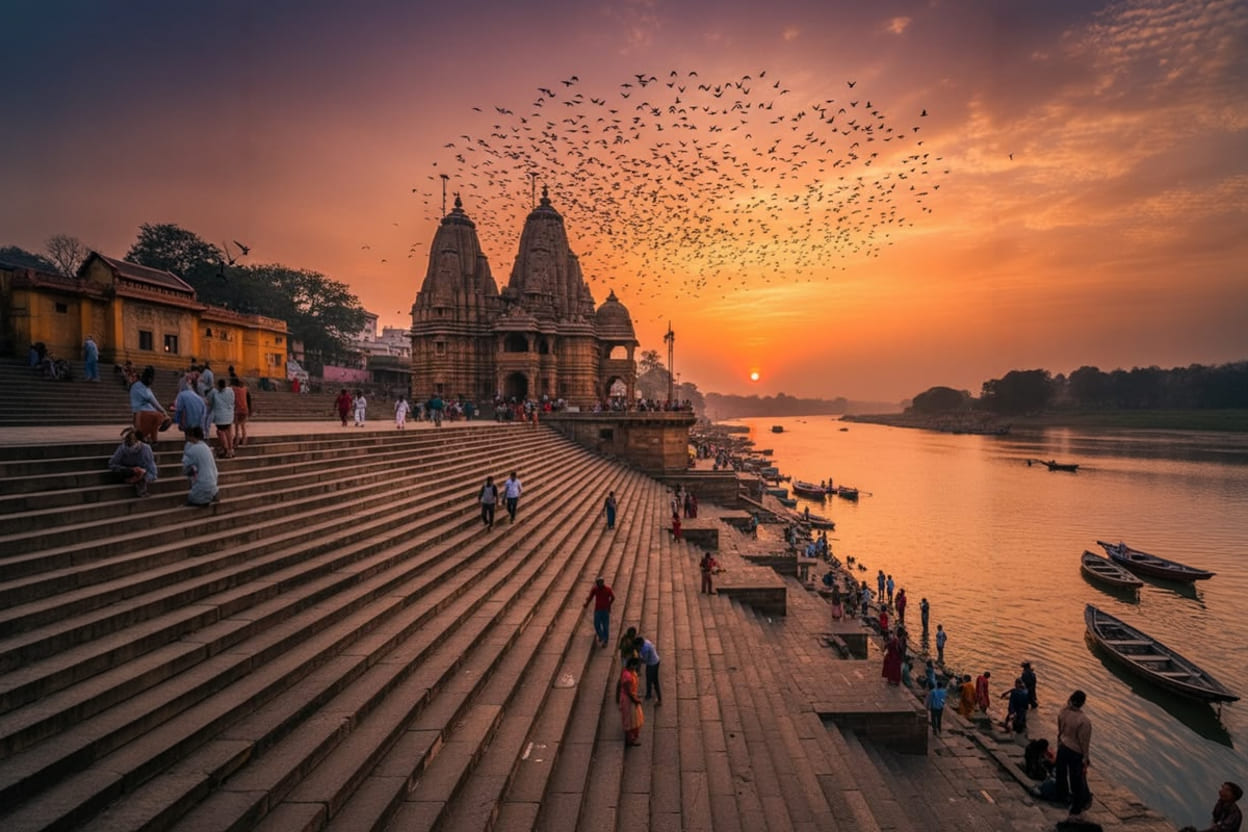
The ghats of Varanasi represent one of the most spiritually charged landscapes in the world, where life, death, devotion, and liberation coexist seamlessly. Stretching along the western banks of the sacred Ganga River, these ghats are not just physical steps leading to the river but are symbolic gateways between the earthly and the divine./n Every day, thousands of devotees gather here to perform Ganga snan (holy bath), deep daan (lamp offering), tarpan, pind daan, and various Vedic rituals. The air is filled with the sound of temple bells, Vedic chants, conch shells, and the rhythmic flow of the Ganga, creating an atmosphere that is deeply meditative and transformative./n The evening Ganga Aarti at Dashashwamedh Ghat is a grand spiritual spectacle, where priests perform synchronized rituals with fire lamps, incense, and chants, offering gratitude to Maa Ganga. It is not just a ritual—it is an experience that embodies devotion, discipline, and divine energy.
The history of Varanasi dates back thousands of years, making it one of the oldest continuously inhabited cities in the world. According to Hindu scriptures: Dashashwamedh Ghat is believed to have been created by Lord Brahma, who performed ten Ashwamedha Yajnas here./n The city itself is said to have been established by Lord Shiva, making it his eternal abode (Kashi)./n Over centuries, the ghats were rebuilt and expanded by rulers like the Marathas, Peshwas, and various regional kings./n The ghats have witnessed the presence of countless saints, sages, scholars, and seekers, making them a living repository of India’s spiritual heritage.
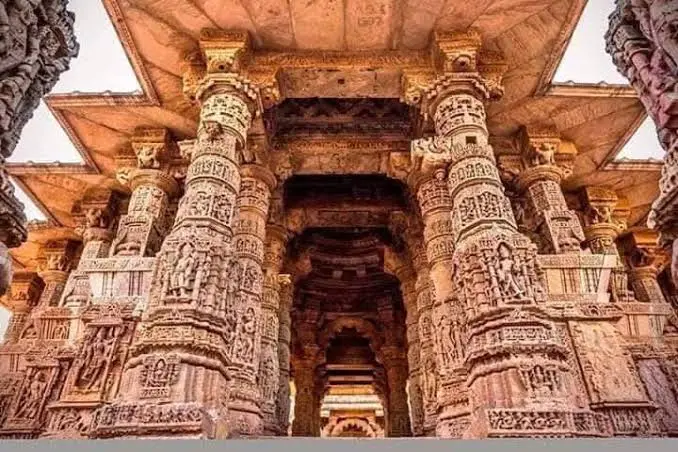
The ghats of Varanasi are considered among the holiest pilgrimage sites in Hinduism, believed to grant moksha (liberation from the cycle of birth and death). Bathing in the Ganga here is said to cleanse sins accumulated over lifetimes and purify the soul./n Architecturally, the ghats are a continuous stretch of stone steps, platforms, shrines, temples, and palatial structures, built over centuries by various kings, dynasties, and devotees. Each ghat has its own spiritual identity and purpose: Dashashwamedh Ghat: Main ceremonial ghat, known for Ganga Aarti Manikarnika Ghat: Sacred cremation ghat, associated with moksha Assi Ghat: Popular for sunrise rituals and spiritual gatherings The design reflects traditional Kashi-style architecture, with layered steps descending into the river, flanked by ancient temples and dharmashalas.
Best Time to Visit: Early morning (Brahma Muhurta) for peaceful snan and sunrise darshan Evening for the mesmerizing Ganga Aarti/n Spiritual Activities to Perform: Ganga Snan for purification Deep Daan (floating diyas in the river) Pind Daan & Tarpan for ancestors Rudrabhishek & special pujas nearby temples/n Important Tips: Expect heavy crowds, especially on Purnima, Amavasya, and festivals like Dev Deepawali & Ganga Dussehra Wear modest, comfortable clothing Be cautious of local guides—opt for trusted services Carry minimal belongings near the river
Moolank 1 Surya Aashirwad Dhan-Safalta Puja
Unlock Success & Confidence with Surya Dev’s Divine Blessings
Singh Rashi 108 Aditya Hriday Stotra Paath & 108 Navgrah Deep MahaPuja
Illuminate Success with Solar Grace.