Shri Trimbakeshwar Jyotirlinga Teerth, Nashik
The Jyotirlinga where Brahma, Vishnu, and Mahesh are worshipped together.
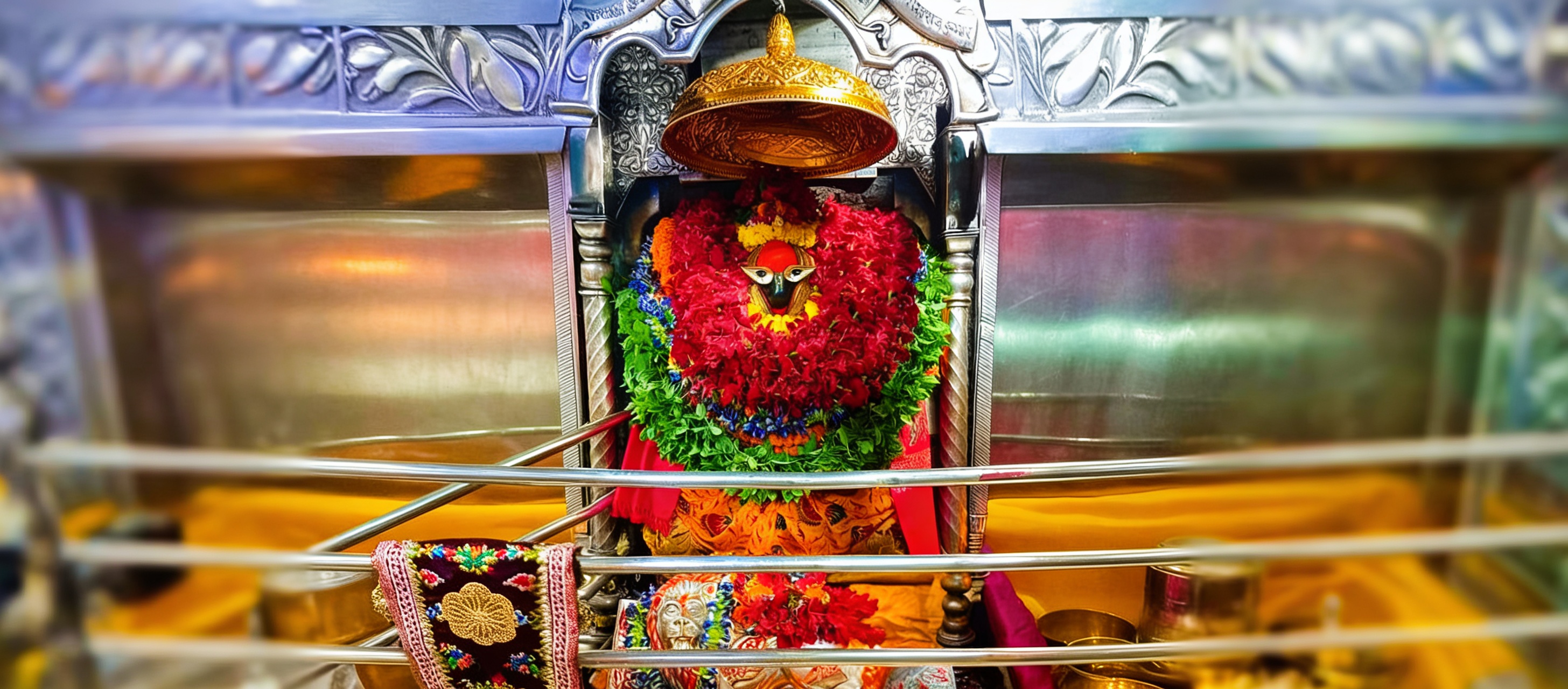
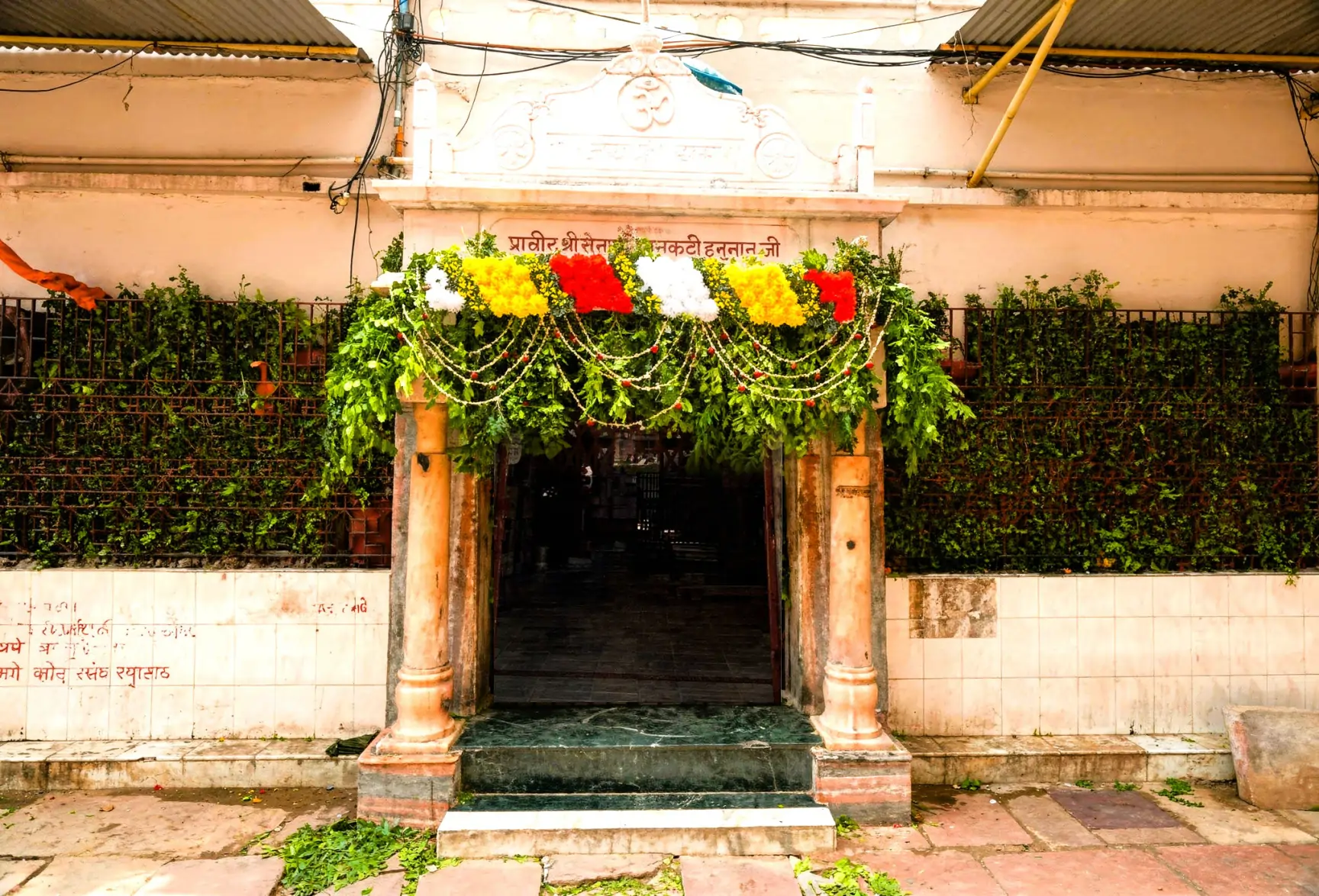
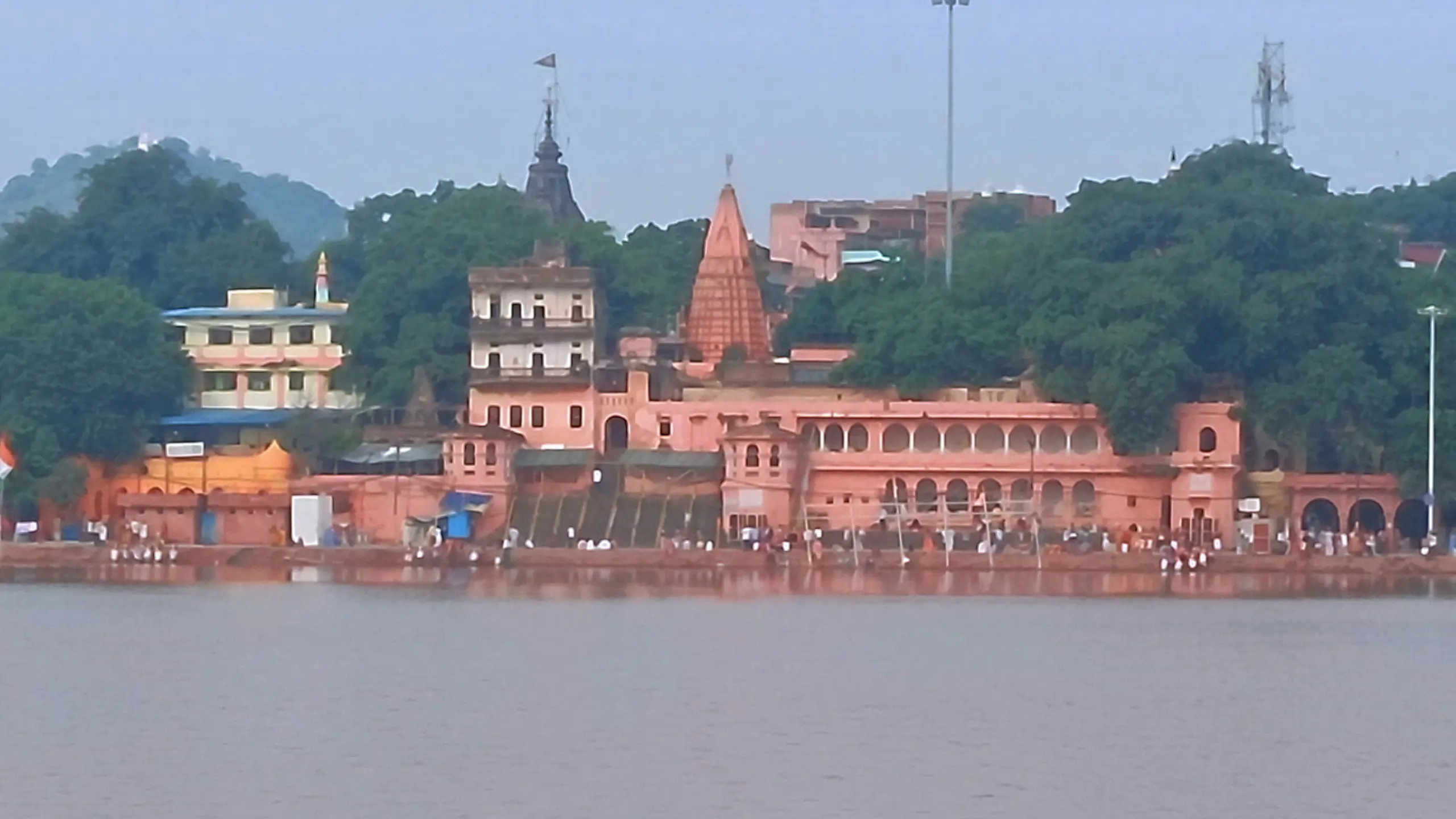
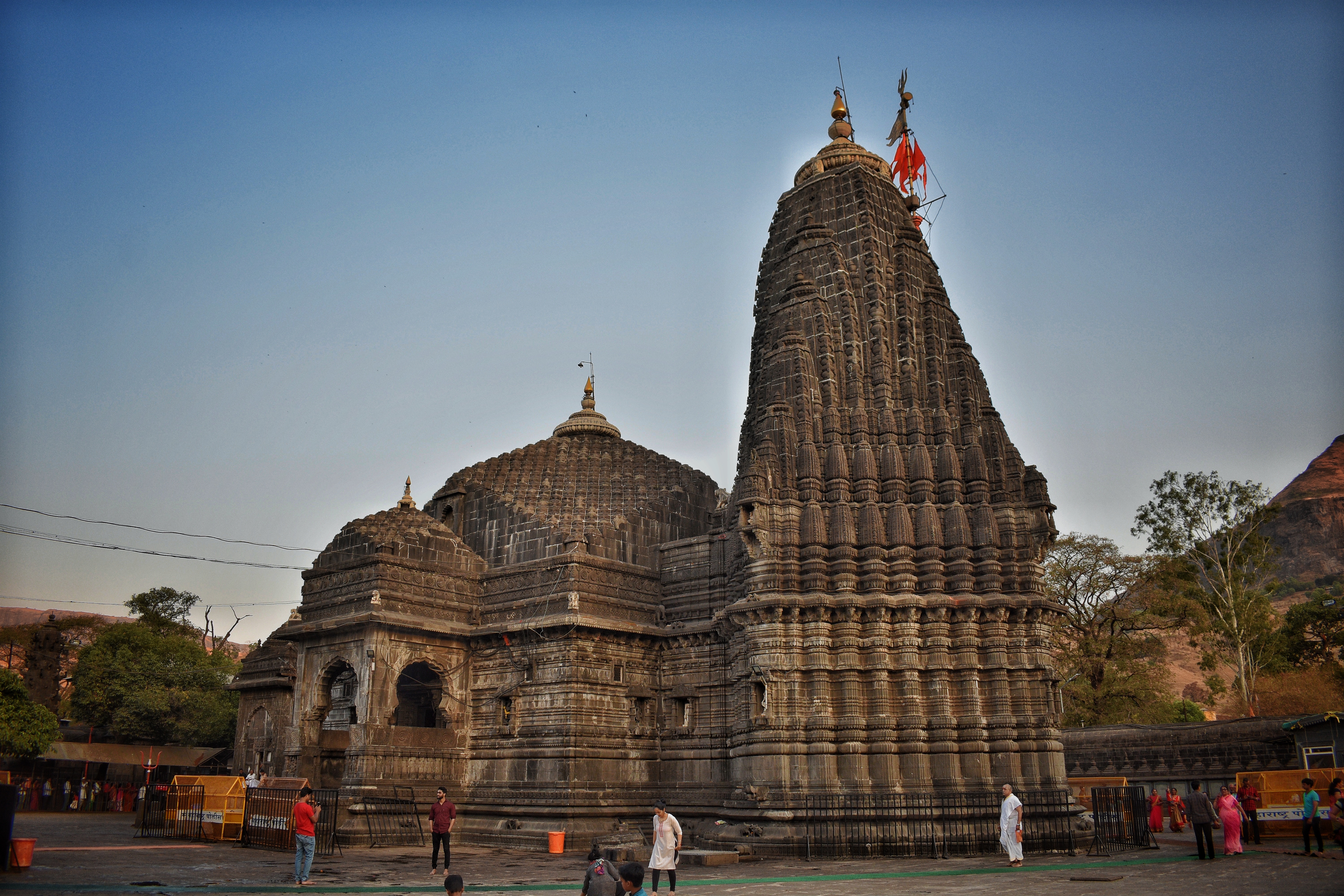
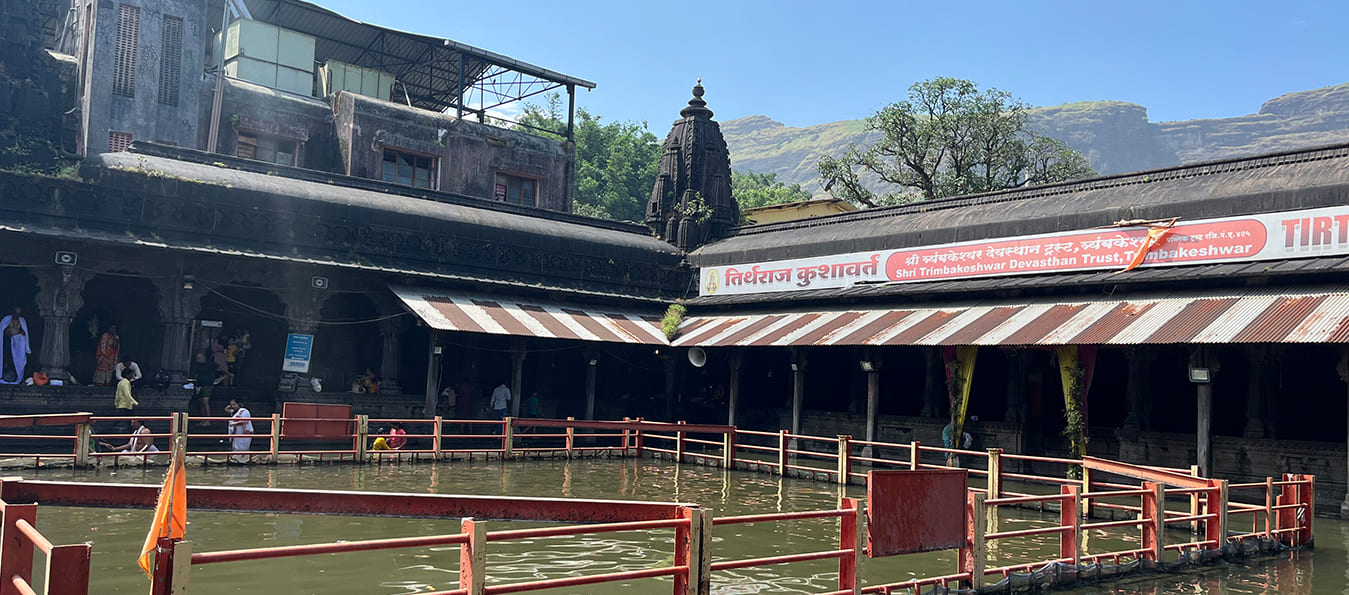
Shri Trimbakeshwar Jyotirlinga Temple is one of the twelve Jyotirlingas of Lord Shiva and is among the most important Shiva temples in India. It is located near Nashik, in the town of Trimbak, close to the Brahmagiri hills where the Godavari River begins. Because of this, the place holds deep importance in Shiva worship and ancestral rituals. This temple is especially known for Kaal Sarp Dosh Puja. Many people come here after being advised by pandits or astrologers to perform this puja at Trimbakeshwar. The presence of the Jyotirlinga is believed to make prayers and rituals more effective. Devotees visit from across India to perform Kaal Sarp Puja for relief from long-standing personal, family, or life-related difficulties. Many visitors also perform ancestral rites and prayers connected to family lineage. Before certain pujas, devotees visit Kushavarta Kund, which is linked to the Godavari. Because of these reasons, Trimbakeshwar is widely chosen for Kaal Sarp Dosh Puja and other important Shiva-related practices.
The history of Trimbakeshwar is linked to early Shaiva traditions connected to the Brahmagiri hills. Religious texts connect this place with Rishi Gautama and the origin of the Godavari River. The present temple structure was rebuilt during the Maratha period. Even after repairs and changes over time, worship here has continued in the same way, following practices that have been going on for a long time.
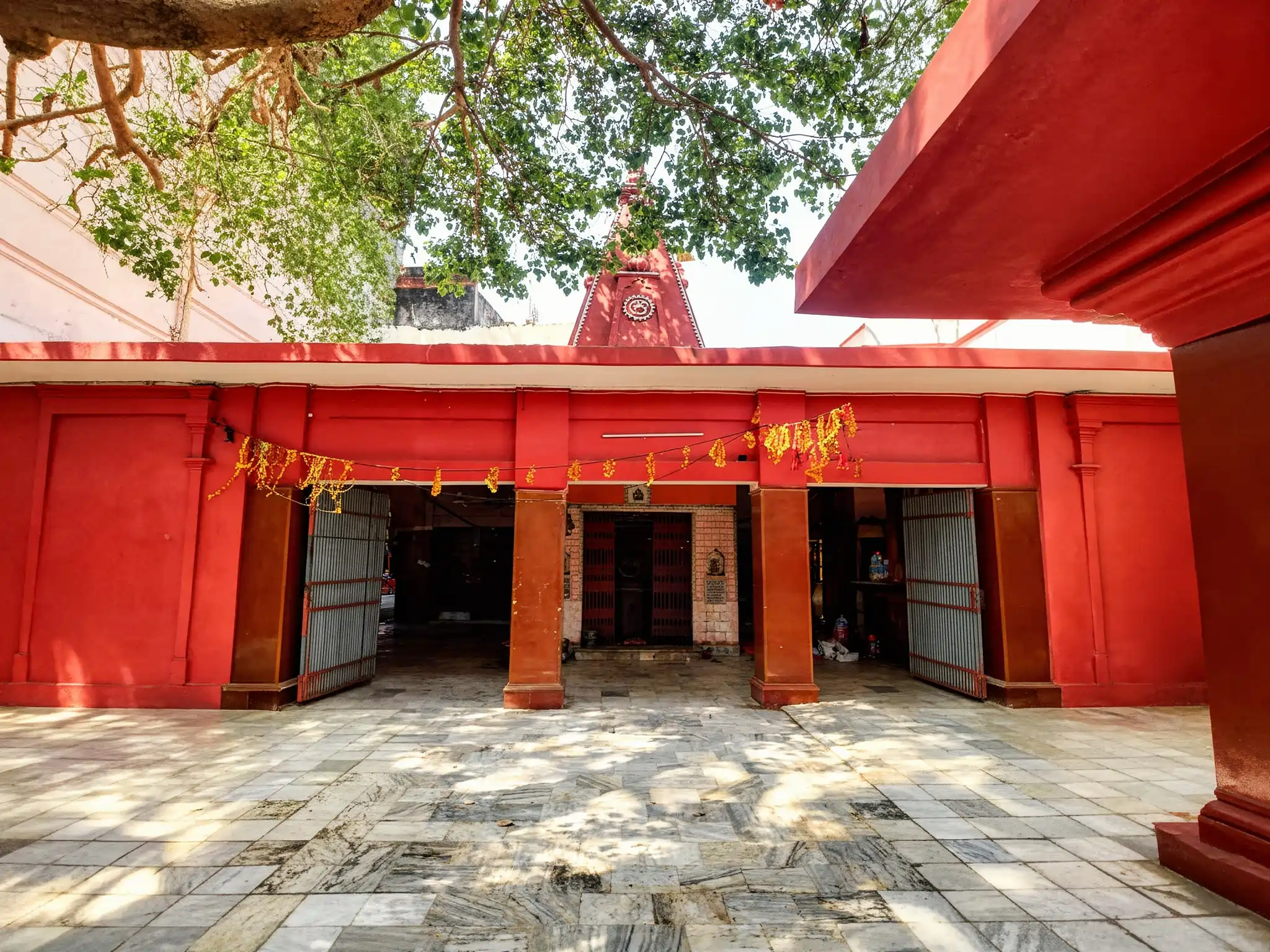
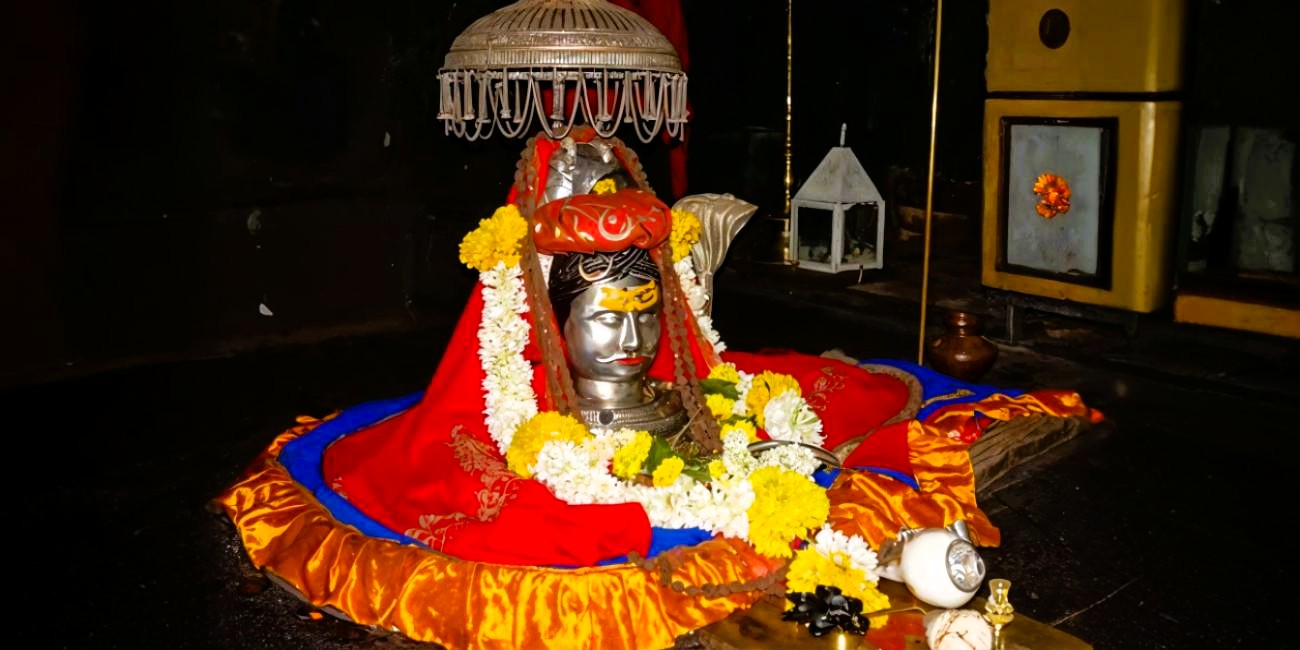
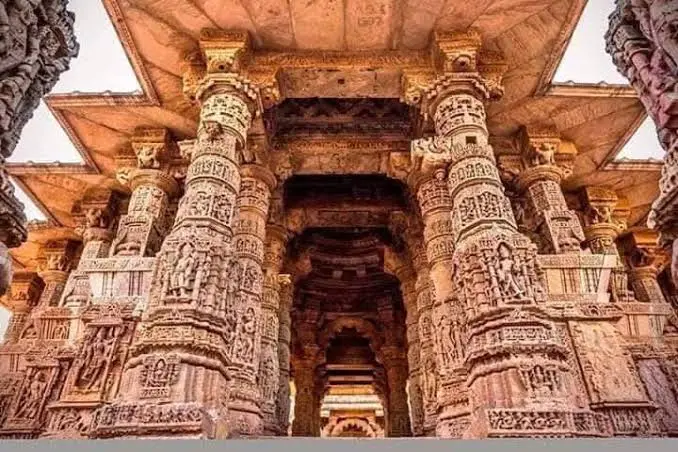
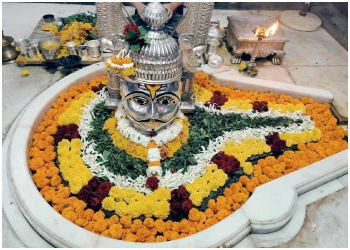
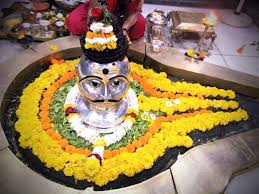
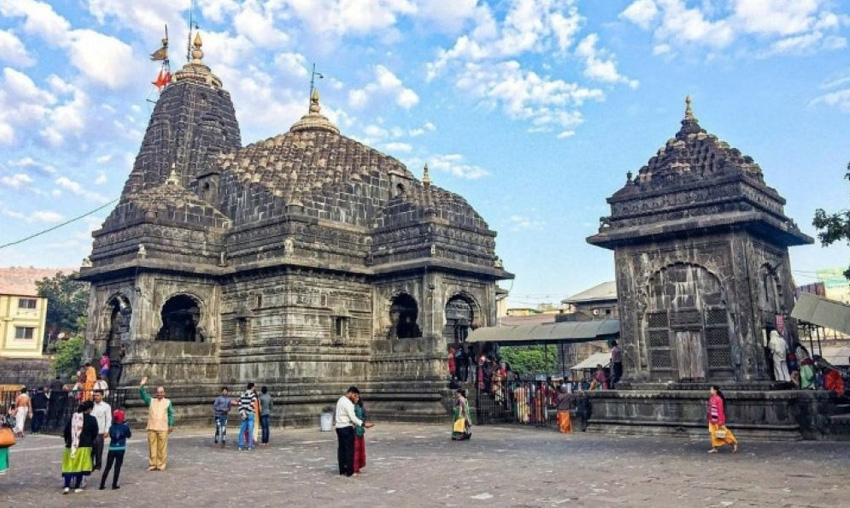
What sets Trimbakeshwar apart is the form of the Jyotirlinga. The linga here is seated lower than ground level and has three impressions, traditionally associated with Brahma, Vishnu, and Mahesh. This makes the temple unique among the twelve Jyotirlingas and attracts worshippers looking for balance across different aspects of life. Trimbakeshwar is also widely chosen for specific Shaiva rituals, especially those related to ancestral duties and planetary issues. Families often return here through generations. Architecturally, the temple is built entirely in black stone and follows the Nagara style of architecture. A white Nandi faces the garbhagriha, and open spaces around the temple allow devotees to sit, wait, and move through the process of worship without crowding the inner garbhagriha.
Darshan at Trimbakeshwar often involves waiting, and devotees are advised to arrive early, especially on Mondays, during Shravan, and on festival days. Many rituals require advance planning and guidance from authorised panditjis, and visitors usually set aside several hours, or even multiple days, depending on the purpose of their visit. Modest clothing is expected, and traditional attire is required for certain pujas. Silence and order are maintained within the temple complex, and photography is restricted near the garbhagriha. The surrounding area offers basic facilities.
daily
Morning
7:00 AM
Evening
7:00 PM
Moolank 5 Vaak Siddhi Vishesh Rudrabhishek
For recurring challenges, mental stress, and the need for constant protection.
Narayan Nagbali Puja (Pitra dosh Puja)
For repeated family setbacks, infertility, sudden losses, and unresolved ancestral issues.
Tripindi Shradh - Purvaj Kalyan Puja
For family unrest, marriage delays, and ancestral issues.
Tridev Jyotirlinga Kaal Sarp Dosh Shanti Puja
For intense Rahu–Ketu effects, repeated failure, and feeling stuck in life.
Mahamritunjay Mantra Jaap (11,000 Jaap)
For protection during serious health phases, fear, and uncertainty.
Sawan Trimbakeshwar Trinetra Kripa Godavari Jal Arpan
Awaken Mahadev's Third Eye