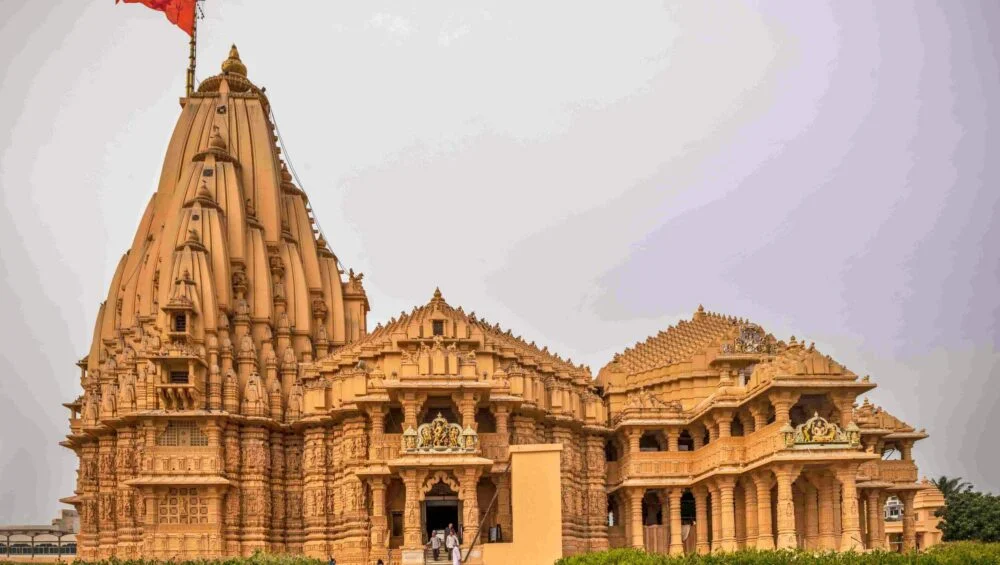
Shri Somnath Jyotirlinga Teerth, Prabhas Patan
The first Jyotirlinga of Lord Shiva, linked to the Moon God
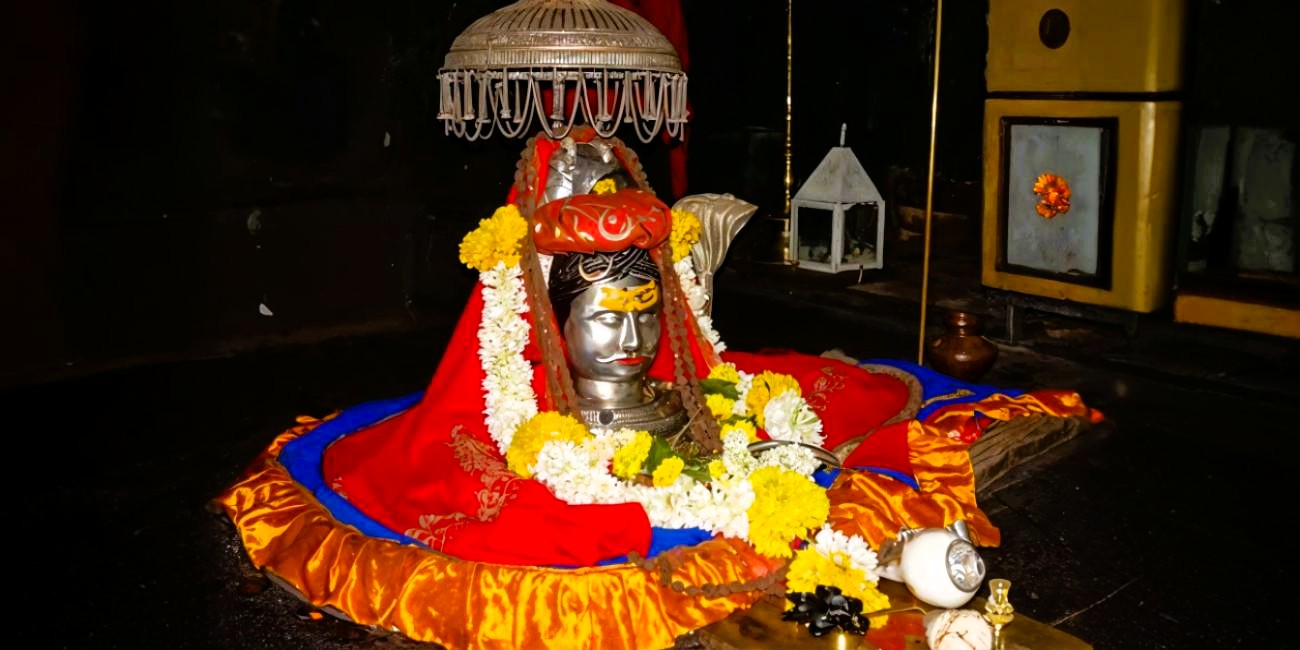
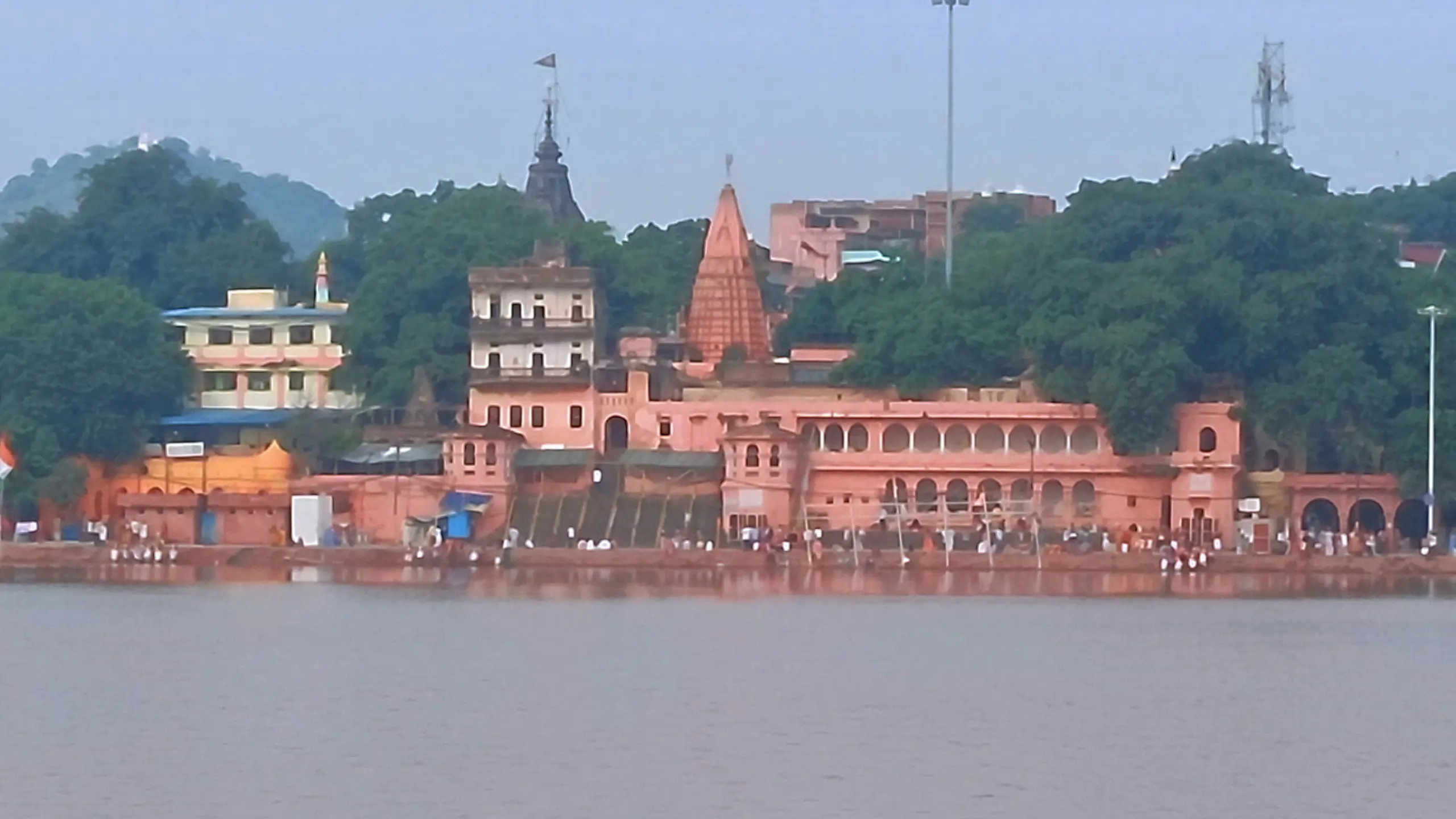
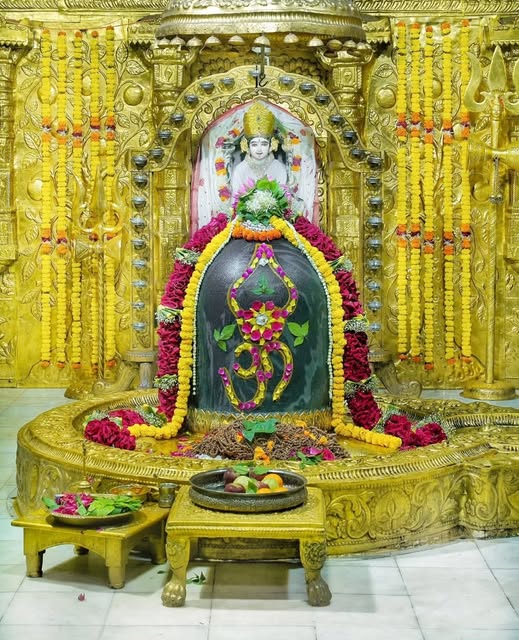
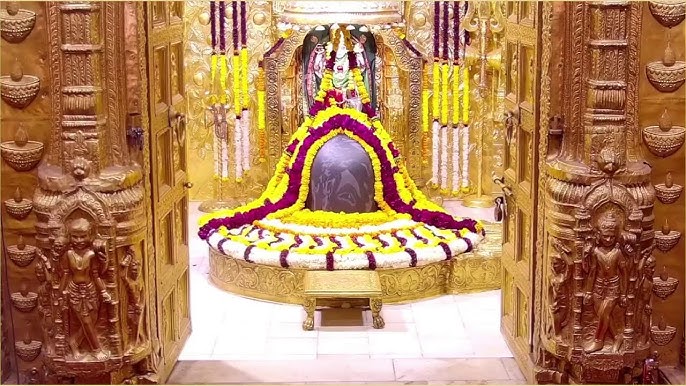
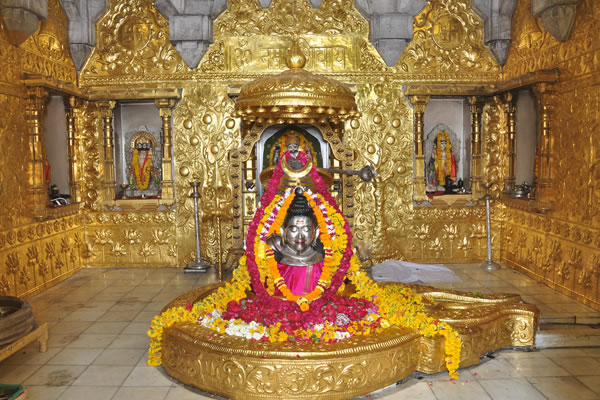
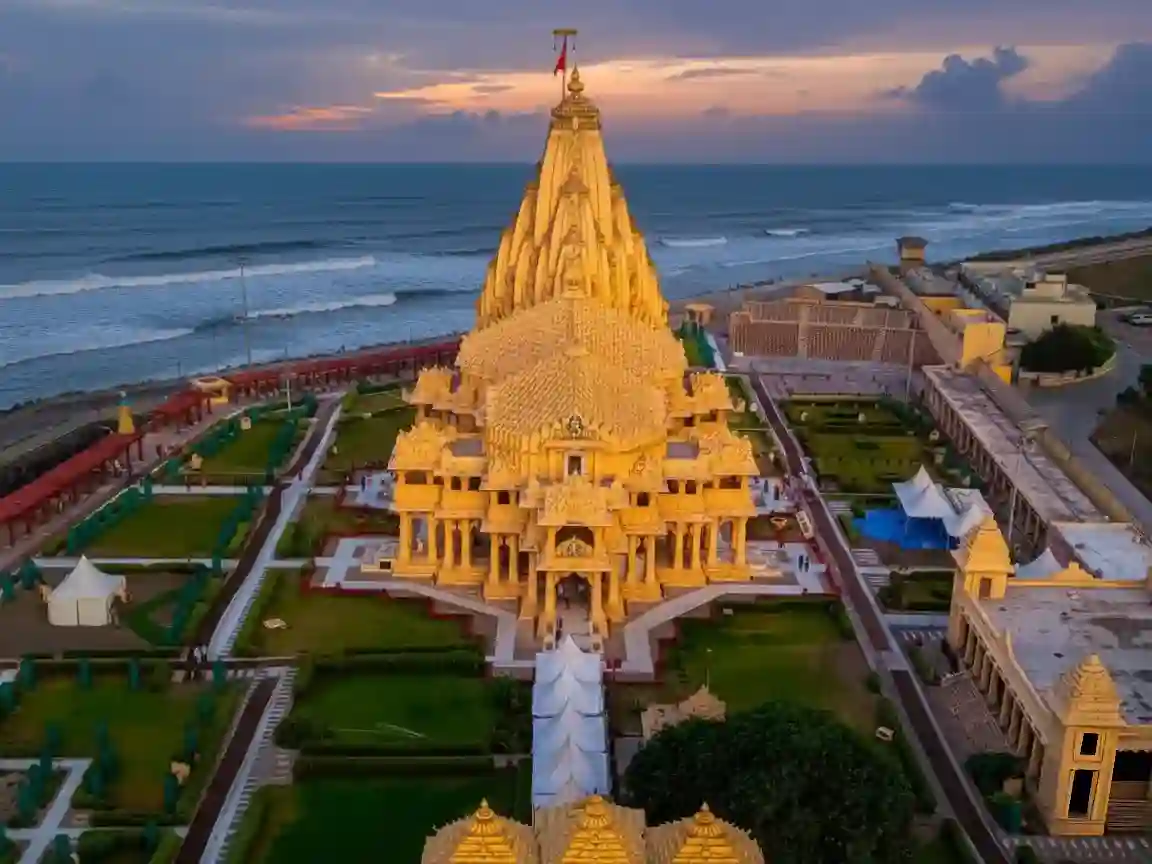
Shri Somnath Jyotirlinga is located at Prabhas Patan, near Veraval in Gujarat, along the banks of Arabian Sea. It is regarded as the first of the twelve Jyotirlingas of Lord Shiva and holds a central place in the Jyotirlinga tradition. The temple stands close to the Triveni Sangam, where the rivers Hiran and Kapila meet the sea, along with the traditionally believed Saraswati. Devotees visit Somnath as part of major pilgrimage circuits across western India, and for many, it marks an important milestone in a Shiva yatra. The temple complex is spacious, well managed, and designed to accommodate large numbers of pilgrims throughout the year.
Somnath has a long and well-documented history of destruction and reconstruction. Over many centuries, the temple was damaged during invasions and later rebuilt multiple times by different rulers and devotees. Despite these disruptions, worship at Somnath remained a part of religious life in the region. The current structure was rebuilt after India’s Independence, around 1951. Since then, the temple has functioned continuously as an active place of worship and remains one of the most visited Shiva temples in the country.
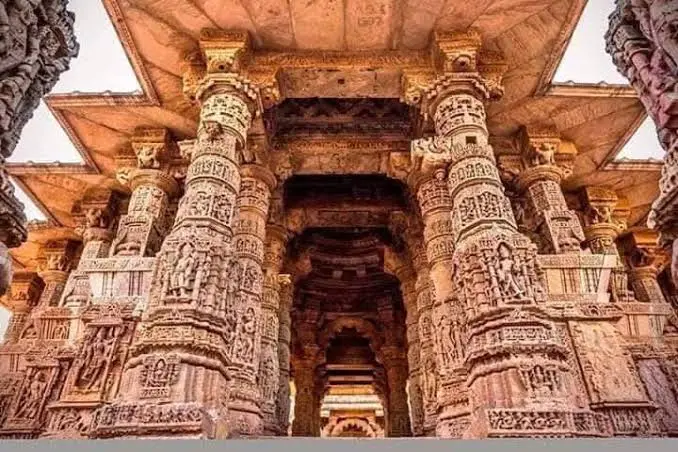
Somnath is associated with Chandra, the Moon, from whom the name originates. According to tradition, this is the place where Chandra worshipped Shiva and was relieved from his suffering. Because of this, devotees pray here for mental peace, emotional balance, and relief from repeated difficulties. The present temple is built in the Chalukya style, using finely carved stone. The tall shikhara rises against the sea and is known for its clean lines and strong structure. A notable feature is the Baan Stambh, a pillar facing the ocean.
Somnath is easily accessible by road and rail, making it suitable for both planned pilgrimages and short visits. The temple follows a strict security system; mobile phones and electronic items must be deposited before entry. Darshan is conducted in a regulated queue system, especially during peak hours. Morning and evening aartis draw the highest footfall. Winter months are the most comfortable for travel, while Mahashivratri and Kartik Purnima see very large gatherings. Many pilgrims also visit nearby sites connected to the Somnath tradition, completing their visit over a full day rather than a single darshan.
daily
Morning Aarti
6:00 AM
Evening Aarti
6:00 PM
Somnath Teerth - Doodh Abhishek
For calm mind, steady devotion, and daily Shiva blessings.
Somnath Teerth - Panchamrit Puja
For life balance, family harmony, and overall well-being.
Somnath Teerth Kshetra - Mrityunjaya Puja
For fear, illness, and phases where life feels unsafe or uncertain.
Somnath Teerth - Rudrabhishek
For repeated obstacles, mental pressure, and unstable life situations.
Somnath Teerth Jal Abhishek-Pitru Puja
For family peace and prayers for ancestors.
Pitru Tarpan
For remembering ancestors and offering them peace through water prayers.
Tirth Shraddh
For completing Shraddh rituals at a sacred pilgrimage place.
12 Jyotirlinga Sankalp - 12 Kalash Jalabhishek - Sawan Maha Anushthan
Invoke All 12 Jyotirlingas
Sawan Purnima Mahadev-Chandra Kripa Anushthan
Mahadev-Chandra Ki Kripa