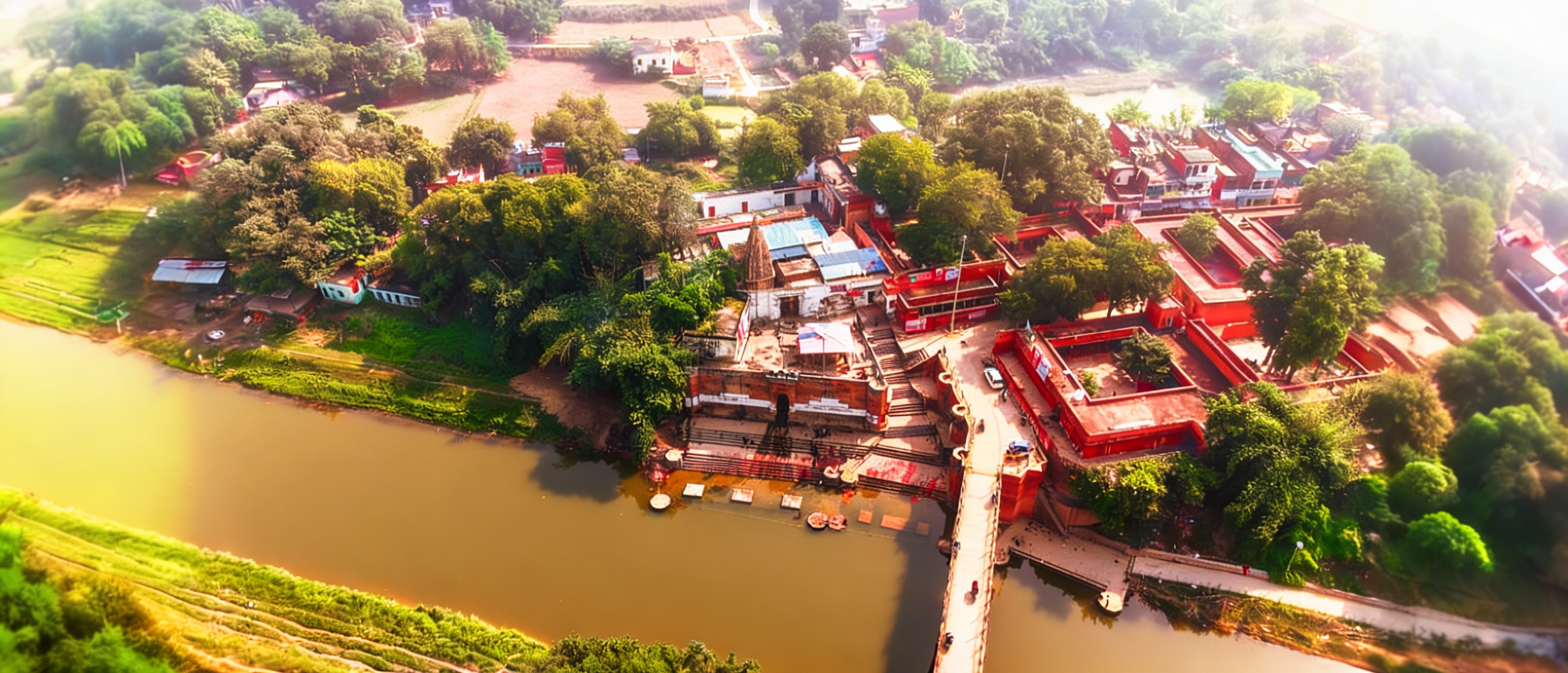
Shri Rameshwar Mahadev Mandir
Believed to be established by Lord Ram to worship Lord Shiva
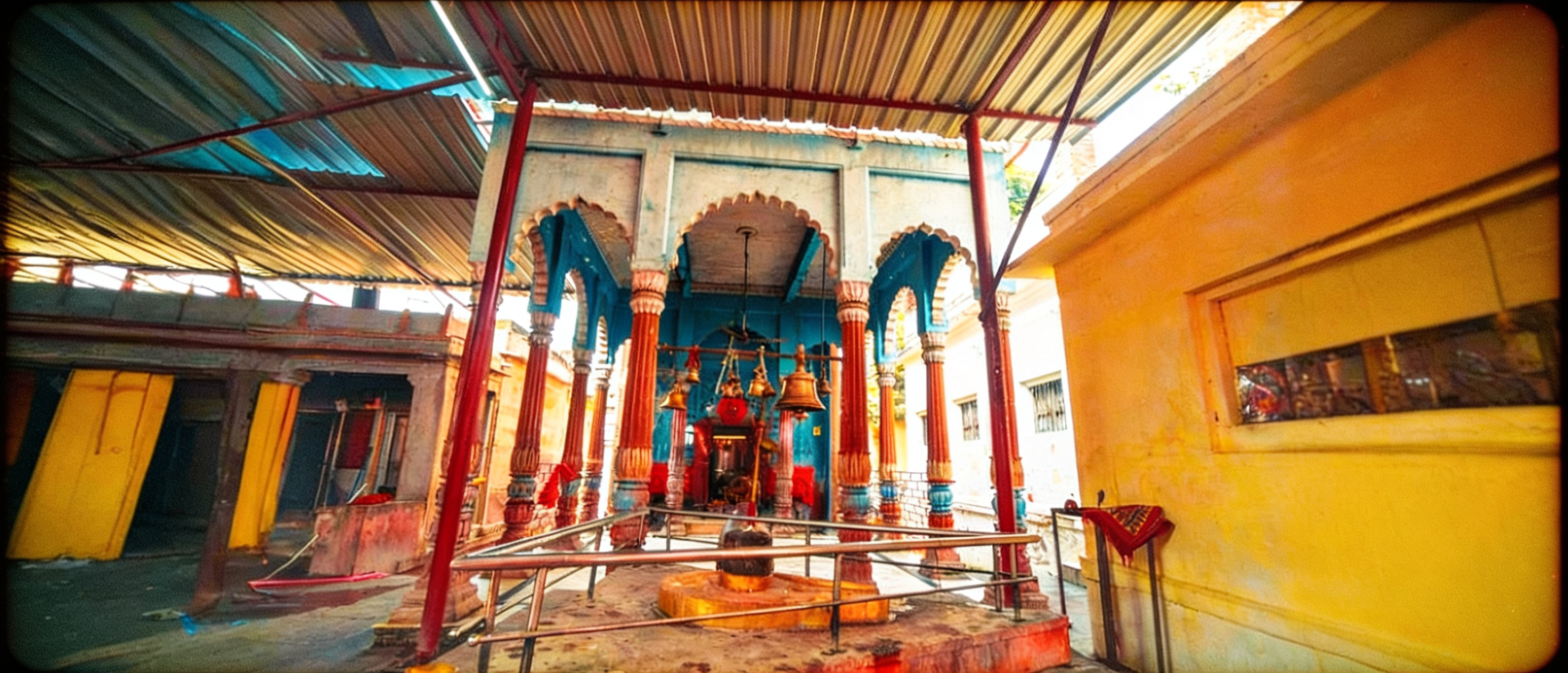
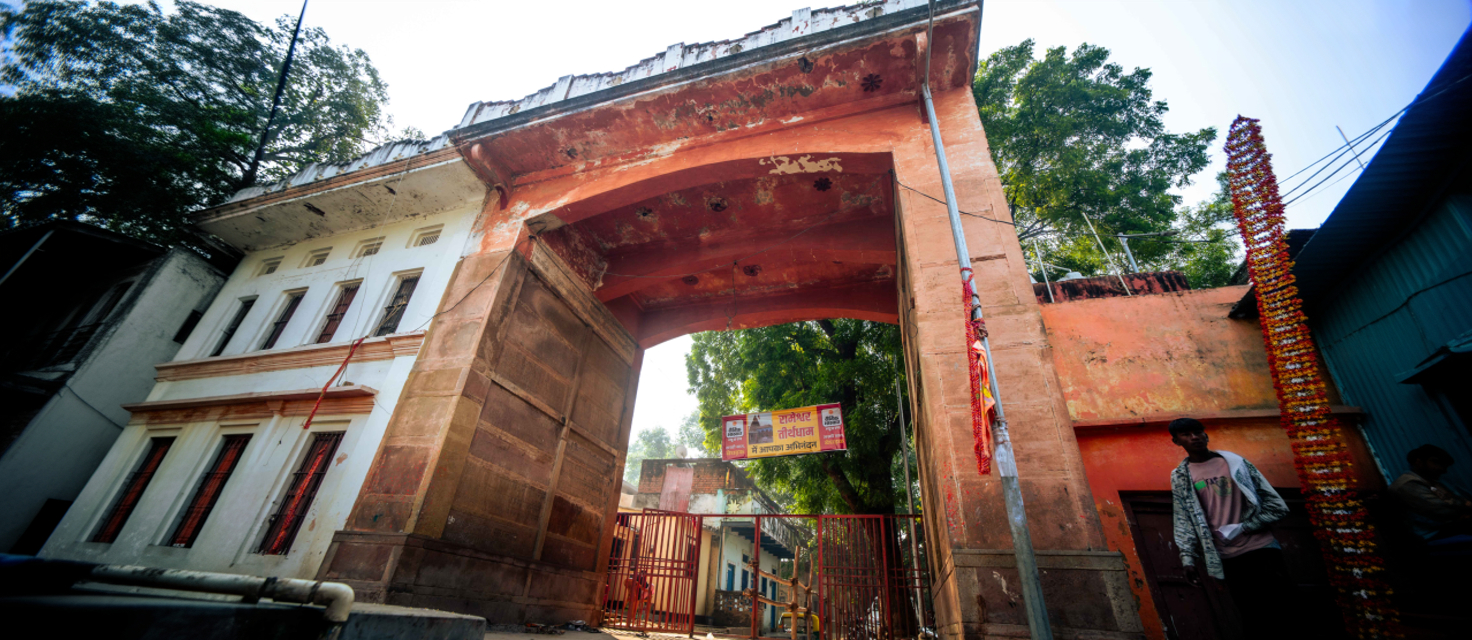
Shri Rameshwar Mahadev Mandir is one of the most well-known and respected Shiva temples on the outskirts of Varanasi. Located in the peaceful village of Rameshwar near Rajatalab, on the banks of the Varuna river, this temple is closely linked to Lord Rama’s journey through Kashi. Pilgrims on the Panchkroshi Yatra traditionally stop here, following a practice that has continued for centuries. The mandir is around 22 km from the city centre, away from daily crowds, yet well-connected to Kashi’s spiritual landscape. Devotees visit this temple for peace of mind, relief from long-standing family issues, and prayers related to ancestors and karmic balance.
References to Rameshwar Mahadev appear in the Kashi Khand of the Skanda Purana, which records Rama’s worship at this site. Over time, the temple grew in importance as part of Kashi’s spiritual circuit. Local belief holds that despite periods of destruction in the region, this temple remained protected, strengthening its reputation as a powerful and safeguarded place of worship. For generations, families have come here to pray for relief from ancestral debts, planetary difficulties, and repeating hardships. The continuity of worship and ritual has made Rameshwar Mahadev one of the most trusted temples for those seeking long-term spiritual relief.
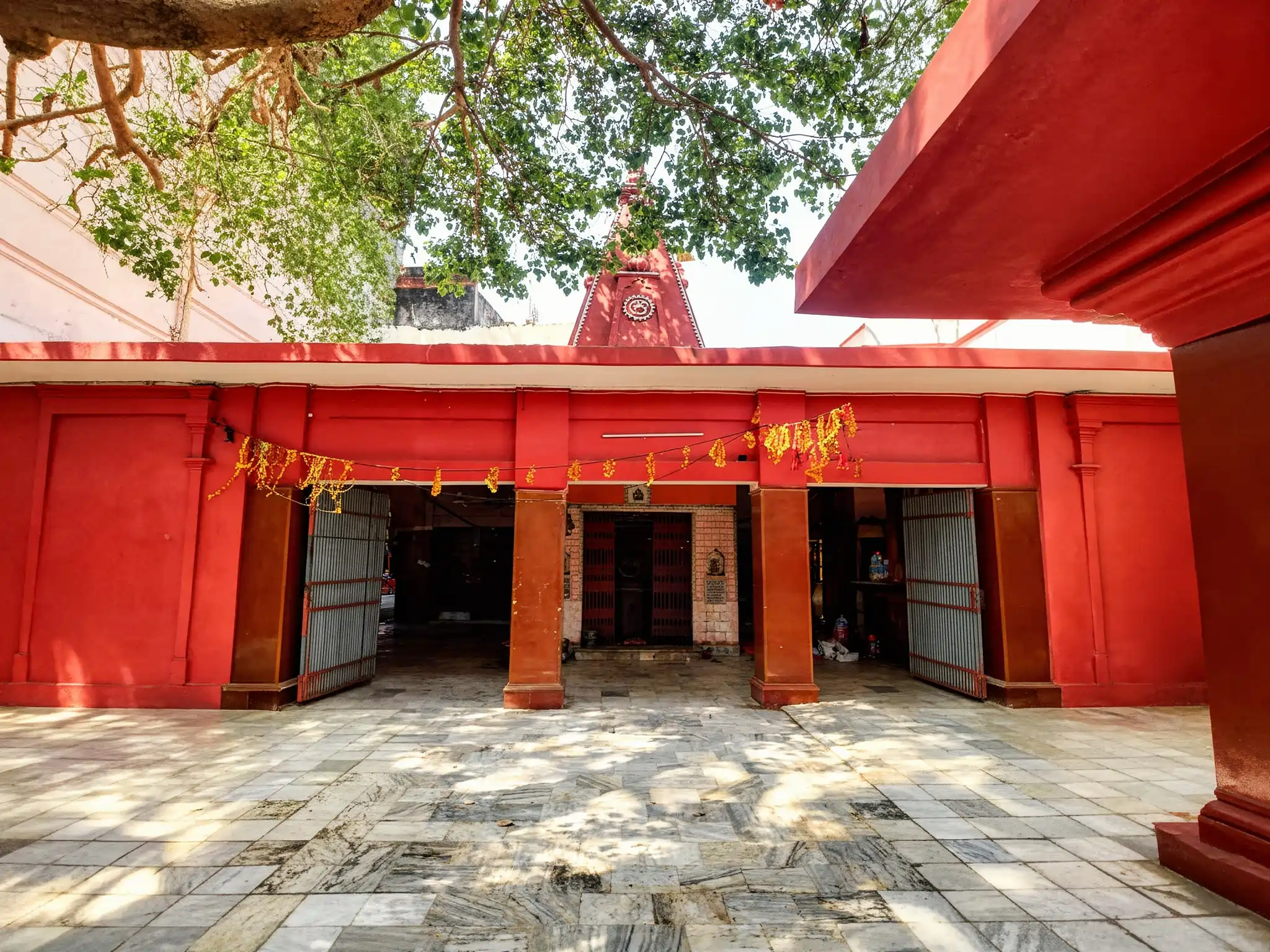
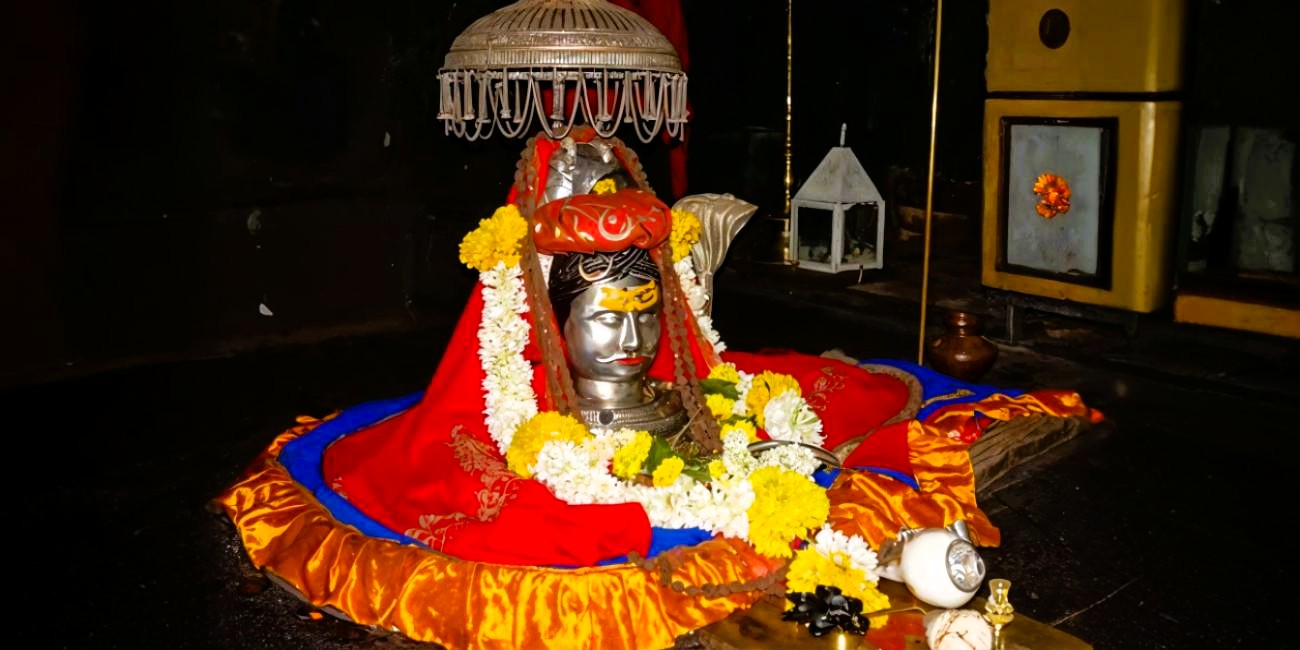
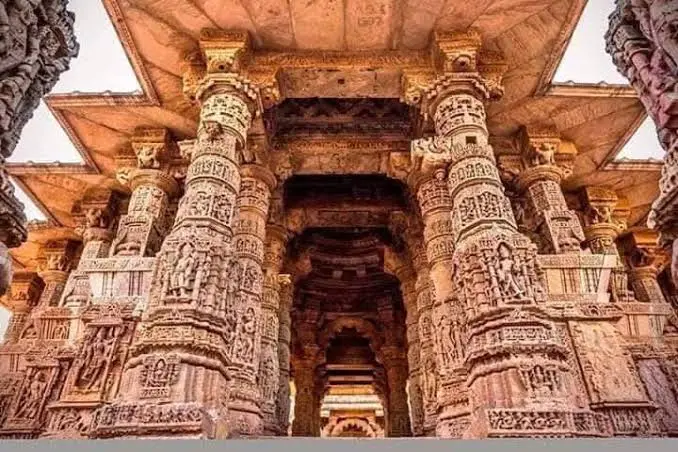
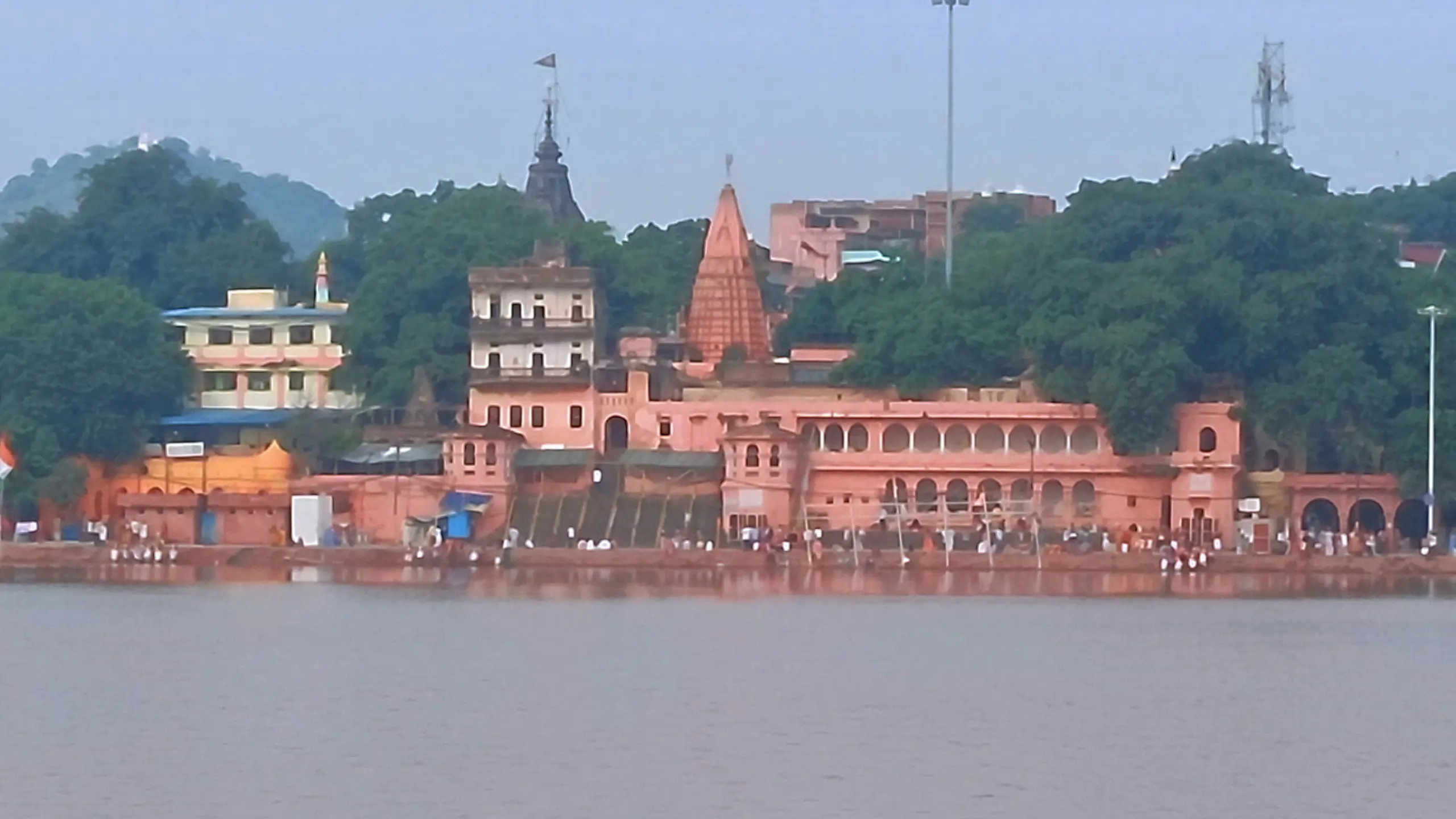
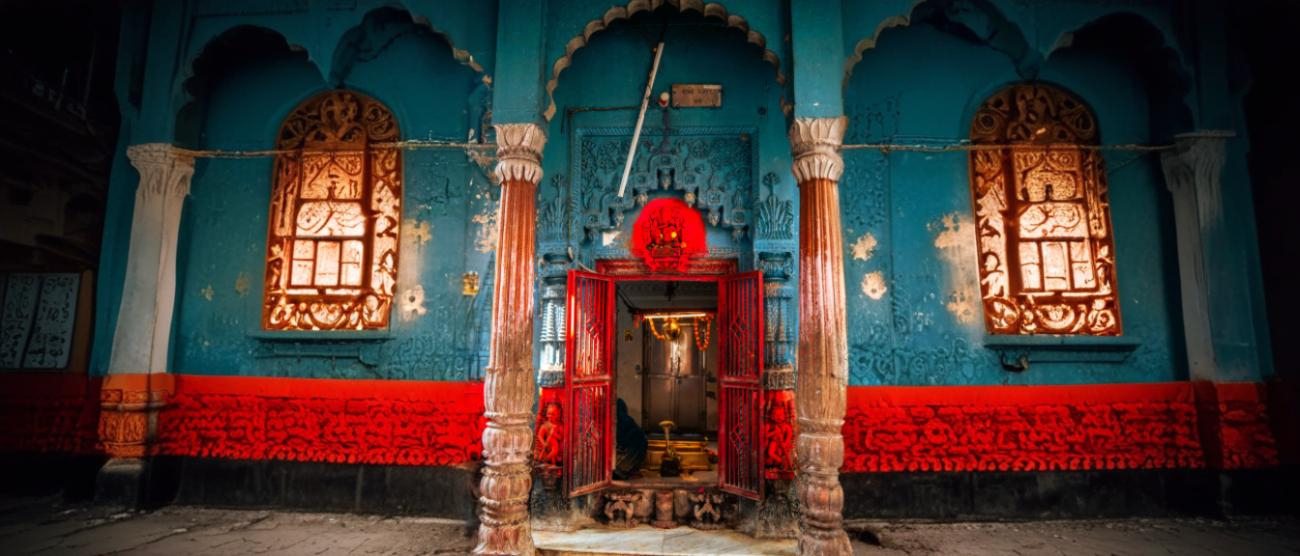
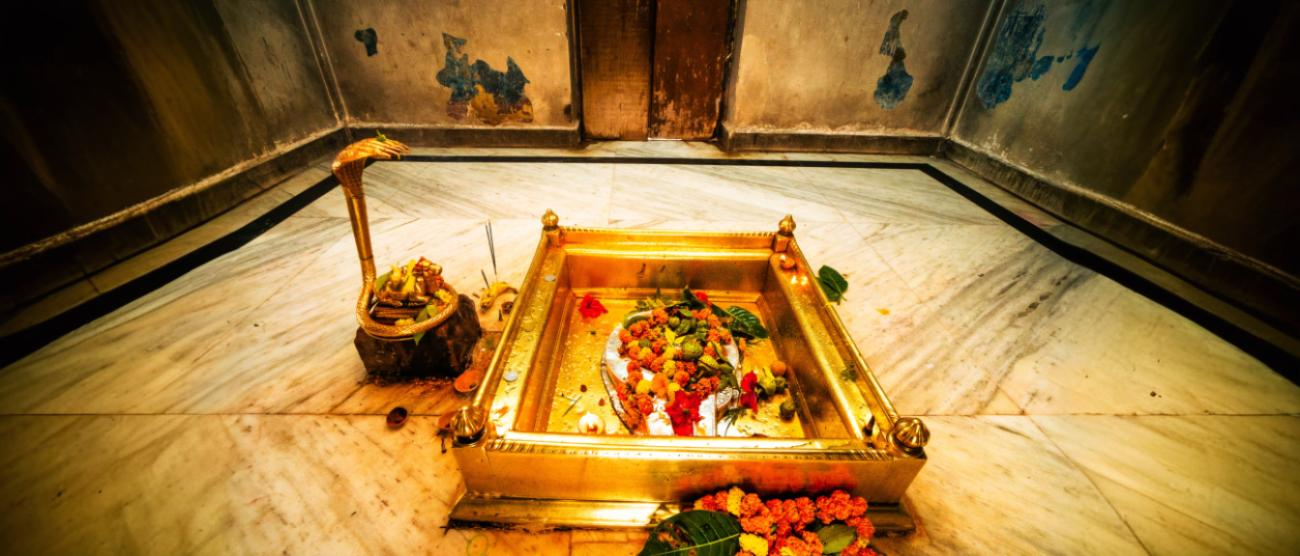
Rameshwar Mahadev is especially important because of its connection to the Ramayana. It is believed that Lord Rama formed a Shiva Linga from the sand of the Varuna river and performed worship along with Sita, Lakshmana, and Hanuman. Because of this, the temple is widely known for ancestral remedies, pitru shanti, and relief from deep-rooted karmic and planetary challenges. The present temple complex was rebuilt by Maratha rulers during the 18th and 19th centuries and is made largely of red stone. Stepped ghats lead down to the river, and the main garbgriha houses the Rameshwar Linga. Within the compound are several other lingas believed to be established by Rama’s brothers and Hanuman. Smaller mandirs dedicated to Someshwar, Agneshwar, Dattatreya, Narasimha, Ganesh, and Tulja Bhavani make this temple complex one of the most spiritual spaces in the region.
The temple is located around 22–25 km southwest of Varanasi in Rameshwar village. It is easily accessible by road, with regular taxis, buses, and private vehicles serving the route. As the third major stop of the Panchkroshi Yatra, the temple sees a flow of pilgrims throughout the year. Many devotees rest by the Varuna river, perform Jal abhishek, and offer prayers specifically meant for ancestors and family well-being. Early mornings and Mondays are especially popular, while Shravan and Maha Shivaratri bring large gatherings and longer rituals.
daily
Morning Aarti
4:30 AM
Evening Aarti
6:00 AM
Sayan Aarti
9:00 AM
Rudrabhishek
For mental stress, repeated life pressure, and the need for calm and stability.
Kaal Sarp Dosh Puja
For repeated delays, sudden setbacks, and long phases of blocked progress.
Grah Shanti Pooja
For confusion, instability, and imbalance caused by planetary influence.