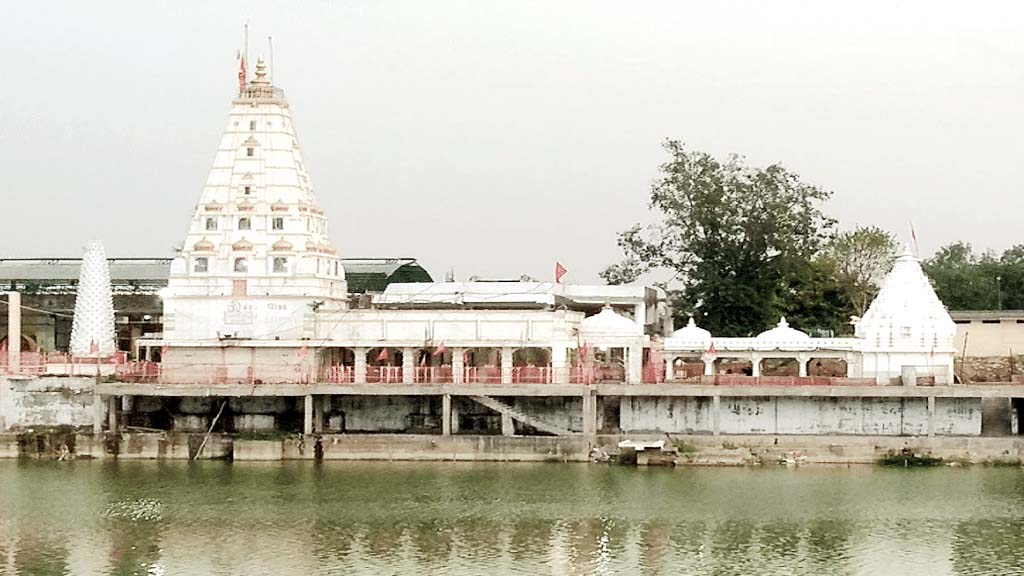
Shri Pashupatinath Mahadev, Ujjain
The Shiva mandir linked to Pashupati worship.
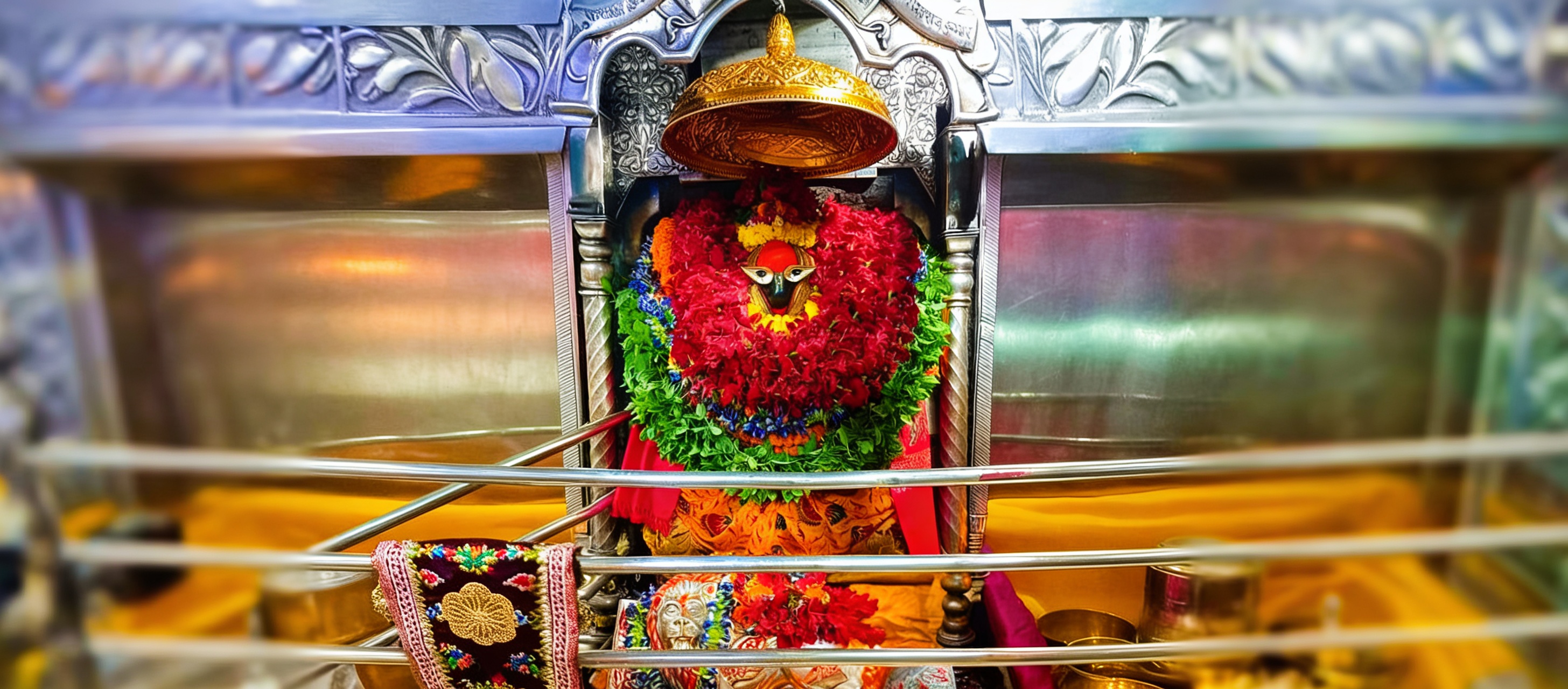
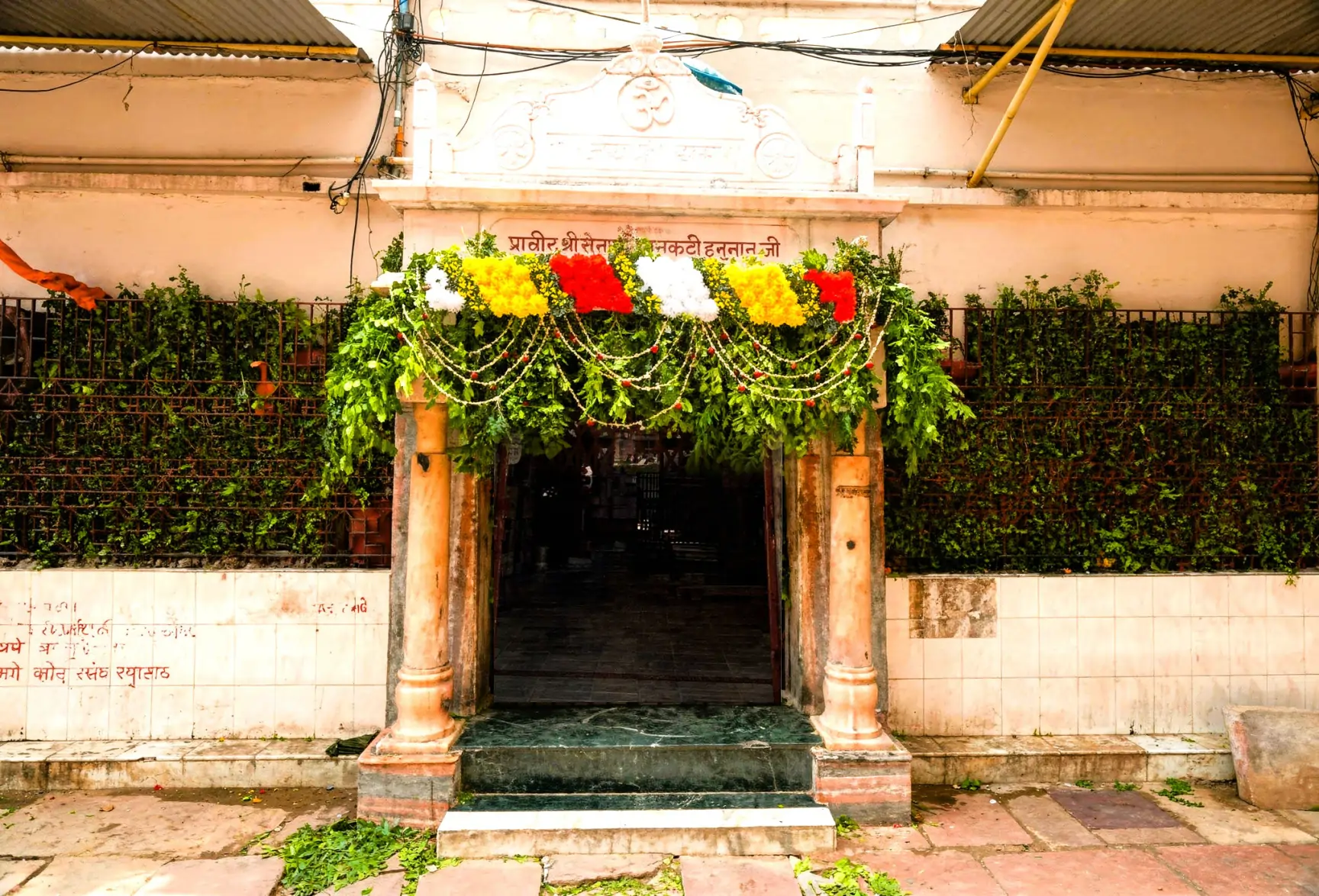
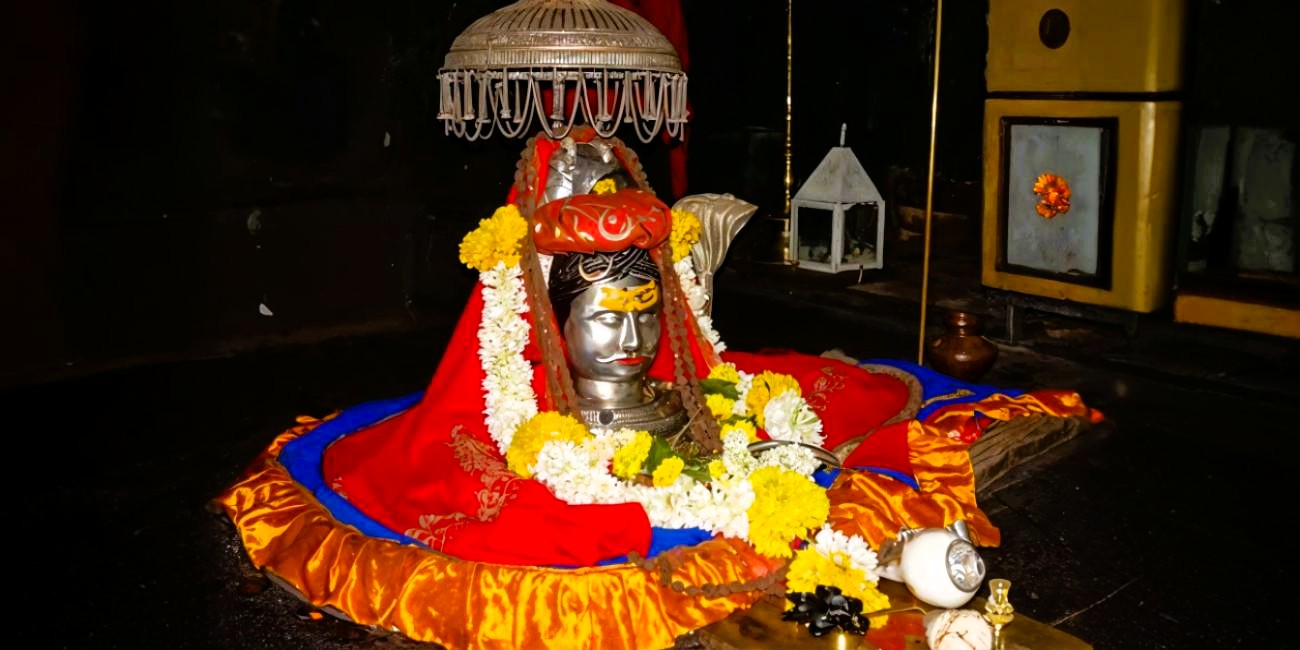
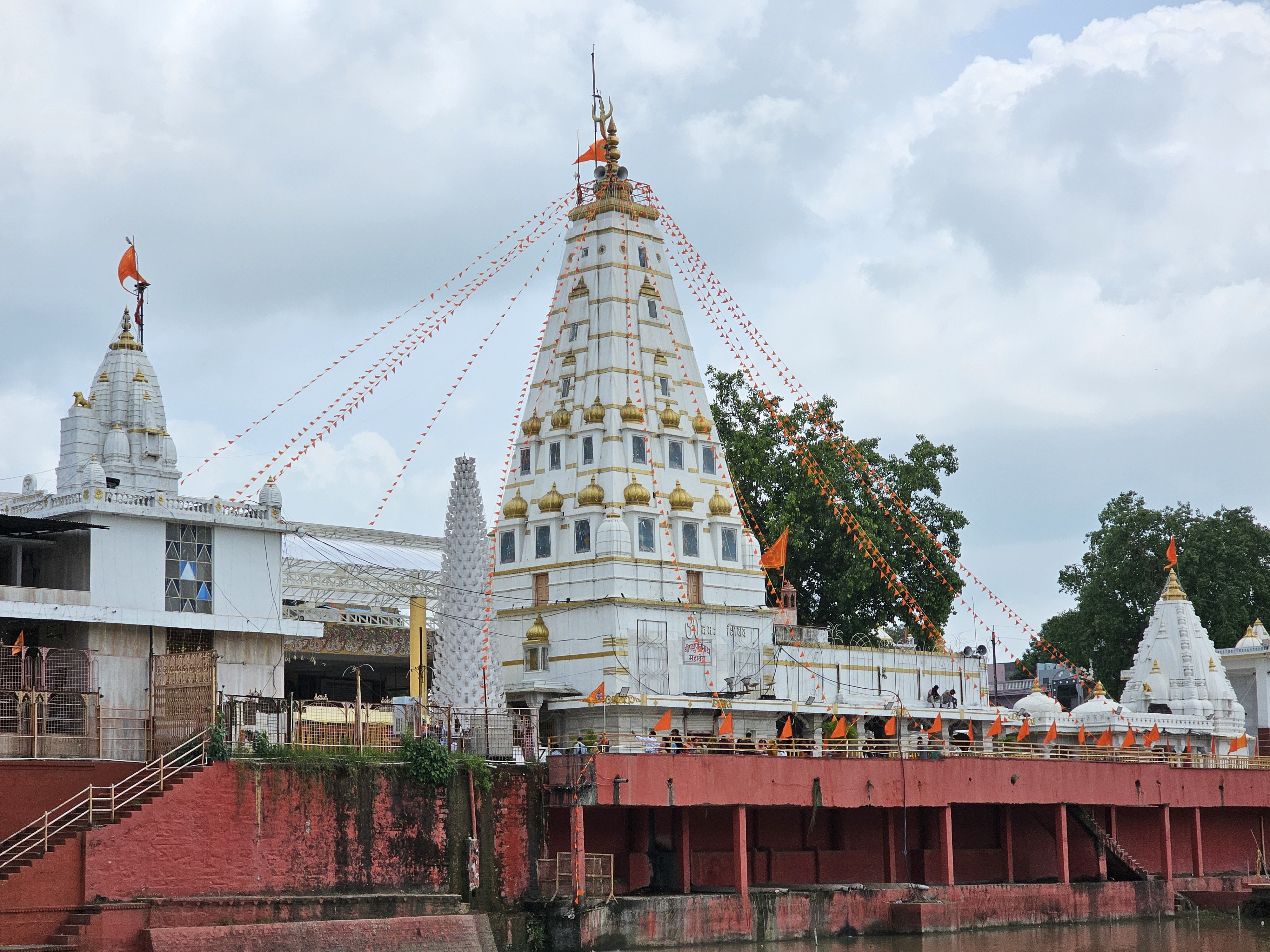
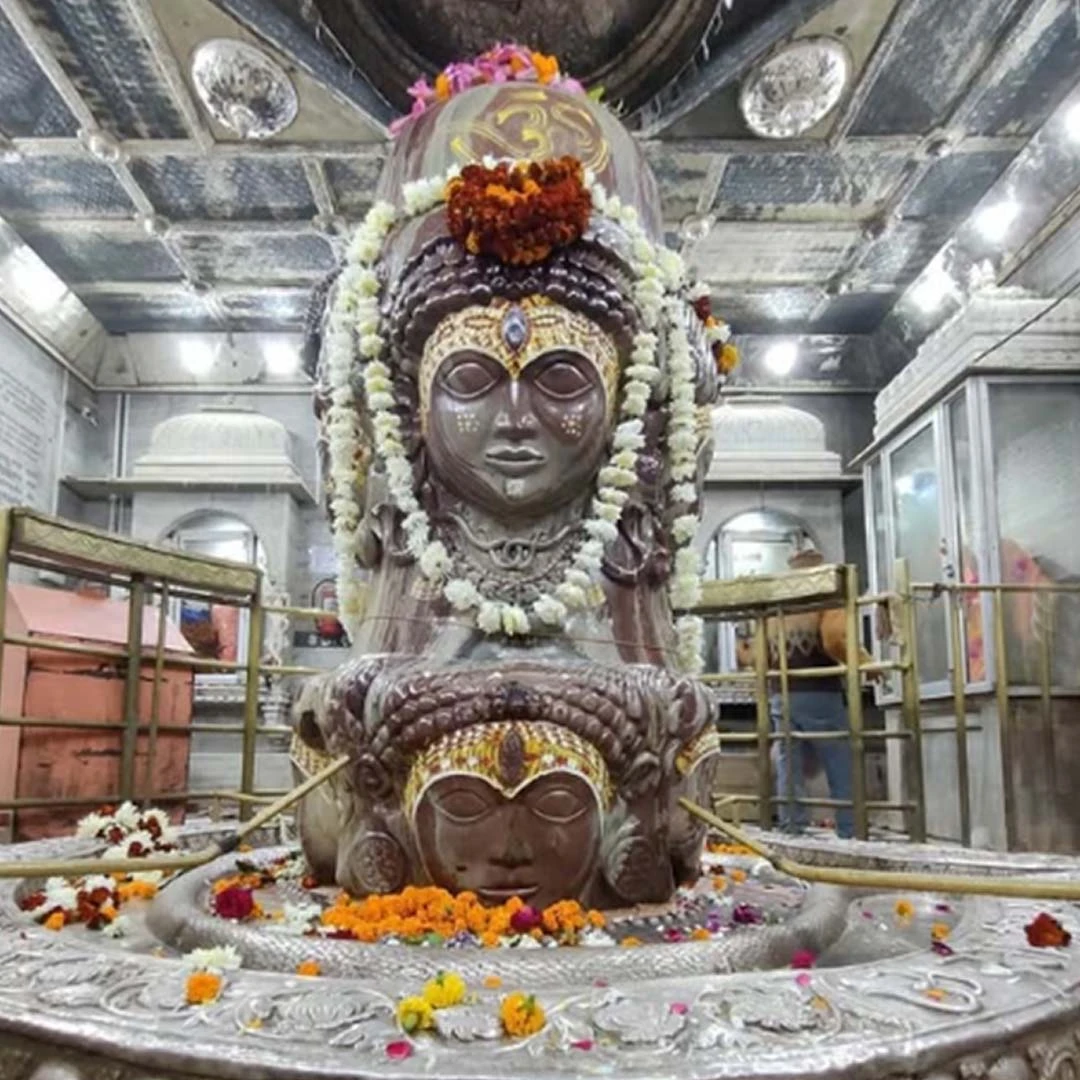
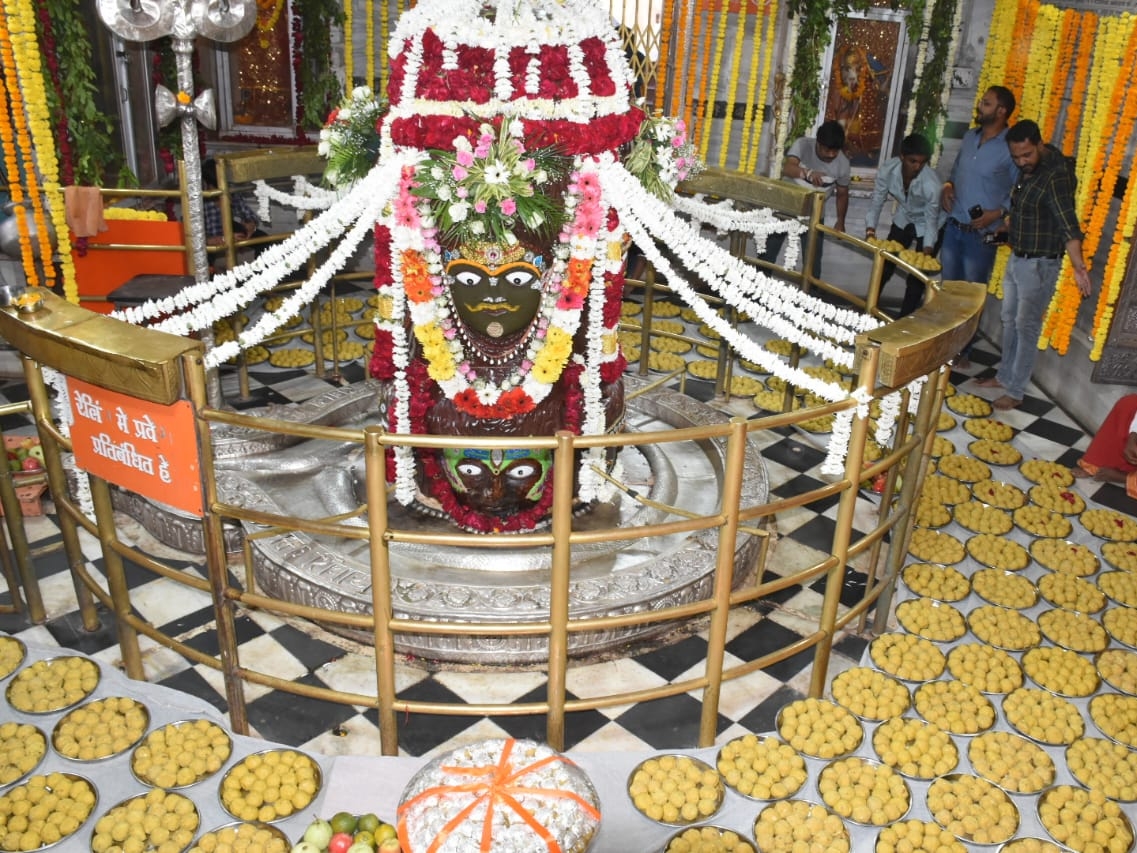
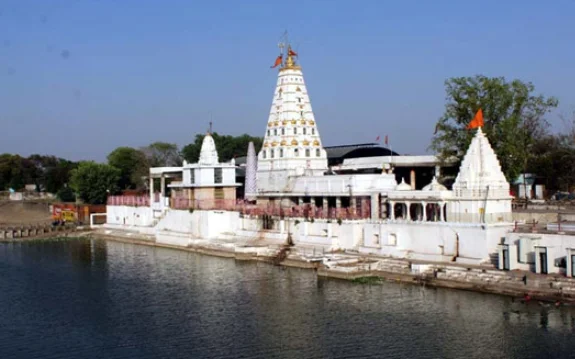
Shri Pashupatinath Mahadev Mandir in Ujjain is a Shiva temple that devotees visit for regular prayer and focused worship. The main deity here is Lord Shiva in the form of Pashupatinath. People come to offer jal, milk, bilva patra, and flowers, and to spend quiet time in prayer. What makes this temple special is the large eight-faced Shiva linga placed at the centre. The linga is very old and is believed to date back to the 5th–6th century. Many devotees believe that worship here helps cleanse past sins and supports the soul’s journey toward moksha. The temple is active throughout the day and is visited by individuals, families, and elderly devotees as part of their daily or weekly routine.
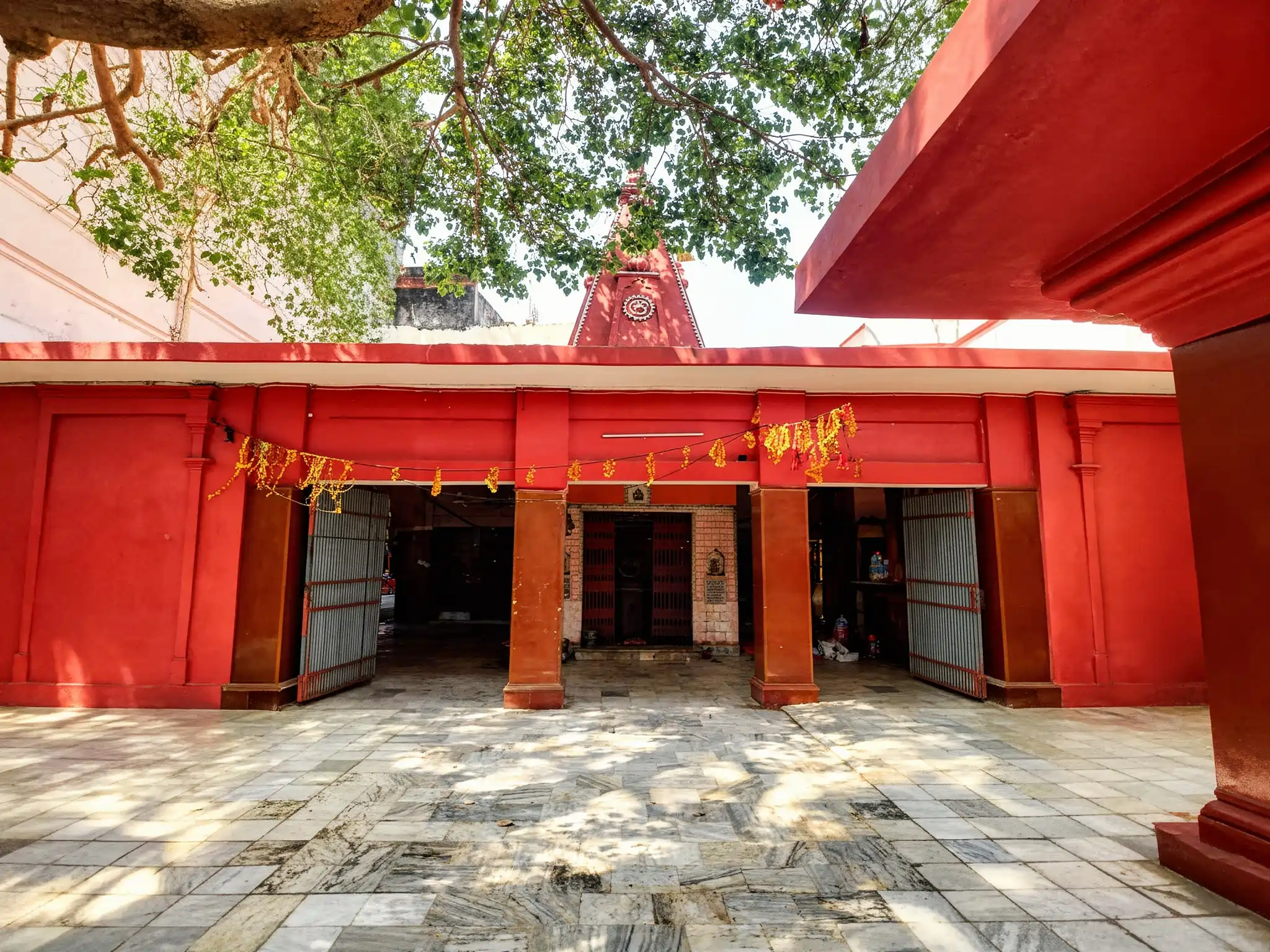
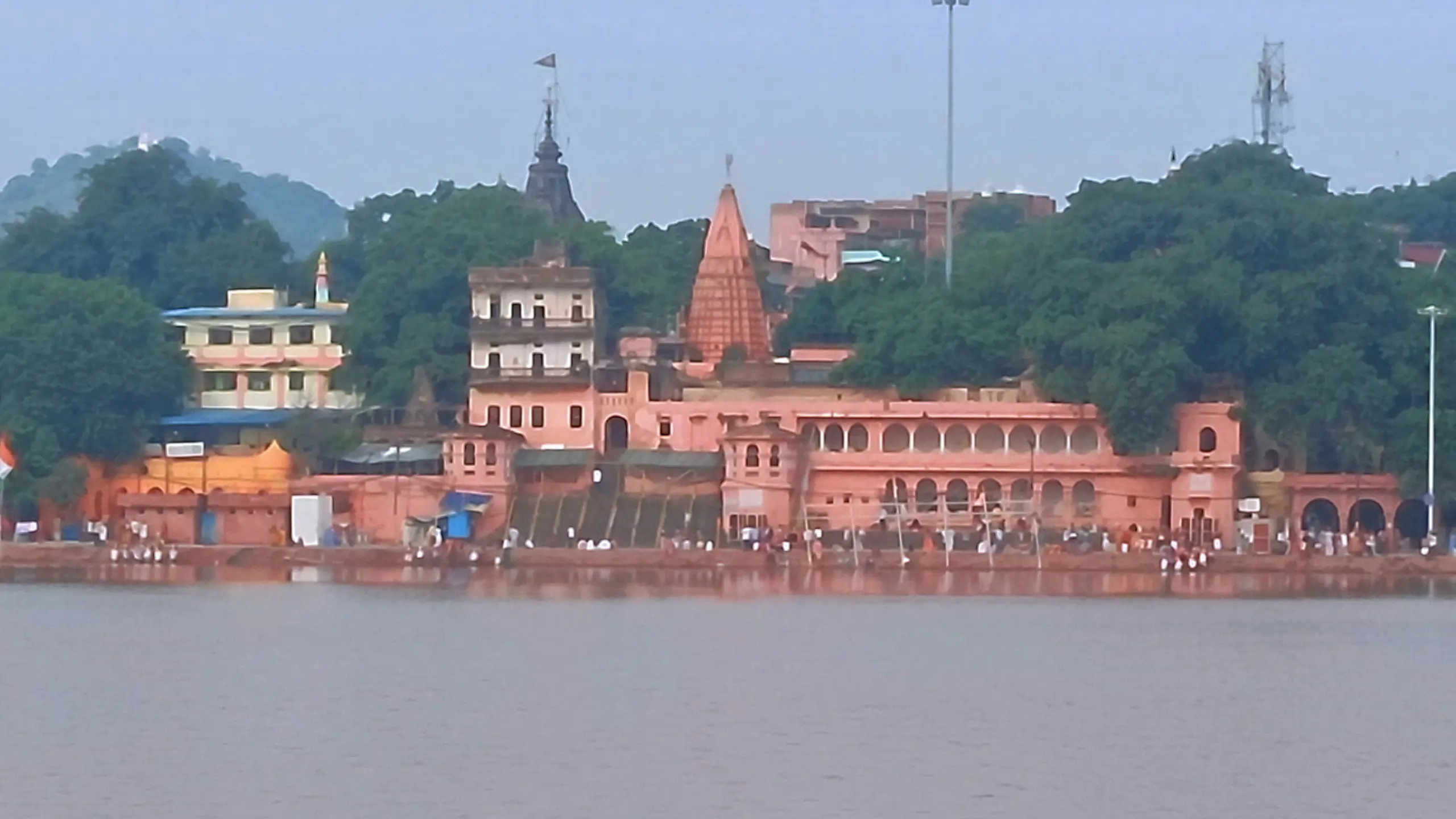
Over the years, Shri Pashupatinath Mahadev Mandir has become a big part of Ujjain’s local religious life. It grew in importance through continued worship and care by the community rather than through royal patronage/support or large-scale reconstruction. Families living nearby have visited this temple for decades, making it a familiar place across generations. Its identity has been shaped by everyday devotion and regular rituals that have continued without major change.
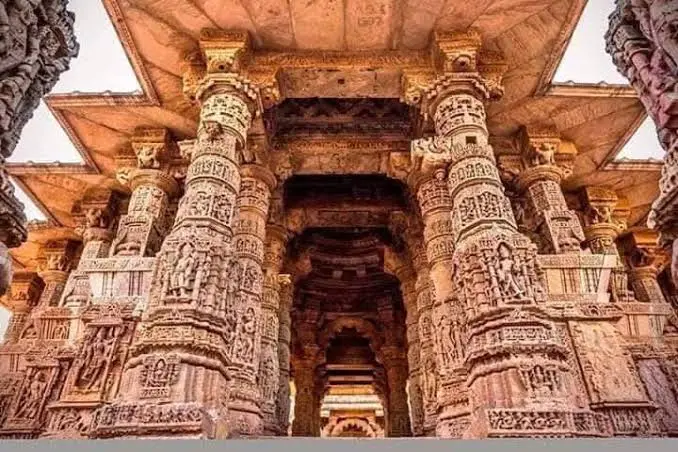
The most important feature of this temple is the eight-faced (ashta-mukhi) Shiva linga, which is about 7.25 feet tall and weighs several tons. Each face is believed to represent a different aspect of Lord Shiva. This makes the linga rare and deeply respected among Shiva devotees. According to local belief, during the monsoon season, the nearby Shivna river rises and its water naturally reaches the linga, performing a natural jal abhishek, which is considered highly auspicious. This event draws many devotees during the rainy months. The temple's design is often compared to the Pashupatinath Temple of Kathmandu. The structure includes carved stone work and remains focused on simple, making darshan accessible and smooth for all age groups.
The temple is easily reachable from most parts of Ujjain by local transport. Morning hours are preferred by those who wish to complete abhishek peacefully, while evenings draw devotees for aarti. Mondays and the month of Shravan see a higher number of visitors, so arriving earlier in the day is recommended during these times. Many pilgrims include this temple as part of a broader Ujjain visit, planning stops based on time and ease rather than strict sequence.
daily
Morning
8:00 AM
Evening
6:00 PM