Shri Mamleshwar Jyotirlinga, Omkareshwar
The island Jyotirlinga of Shiva shaped by the sacred sound of Om.
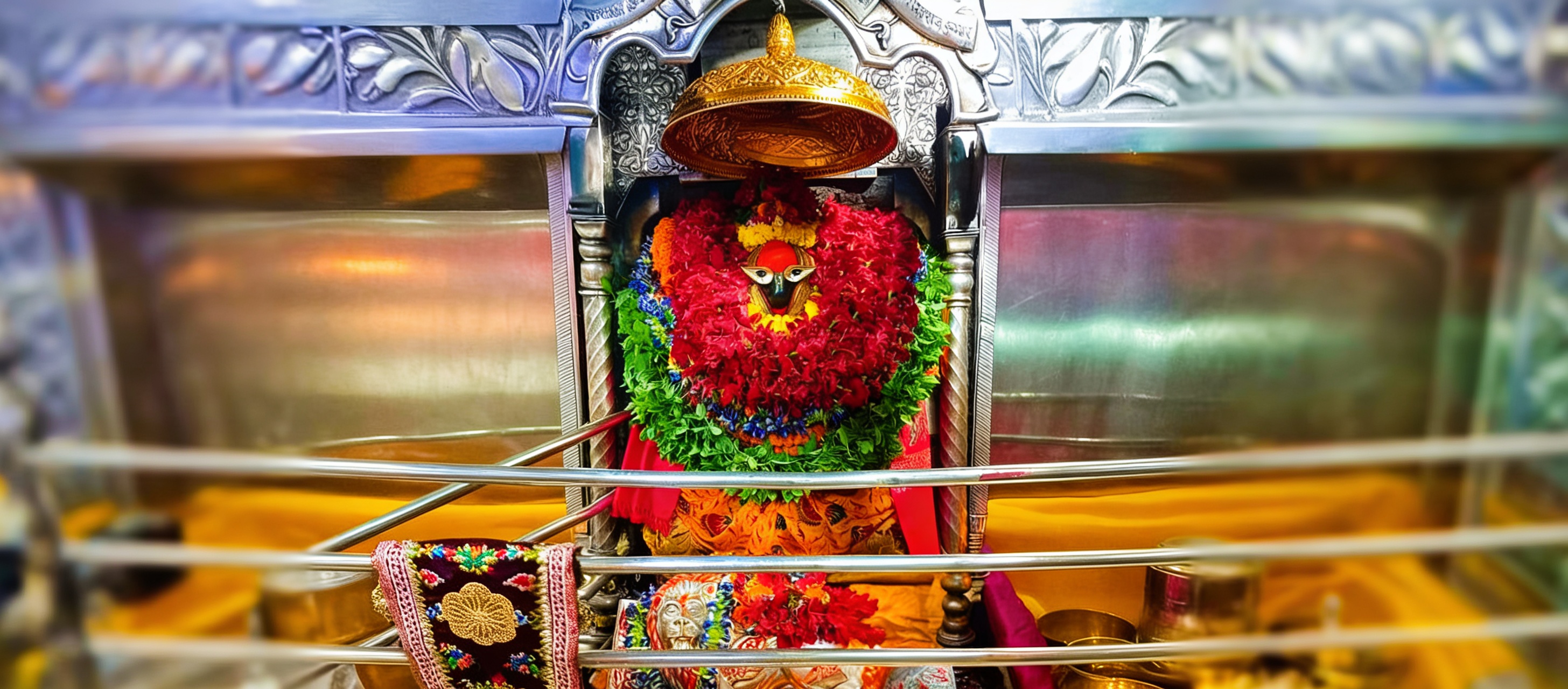
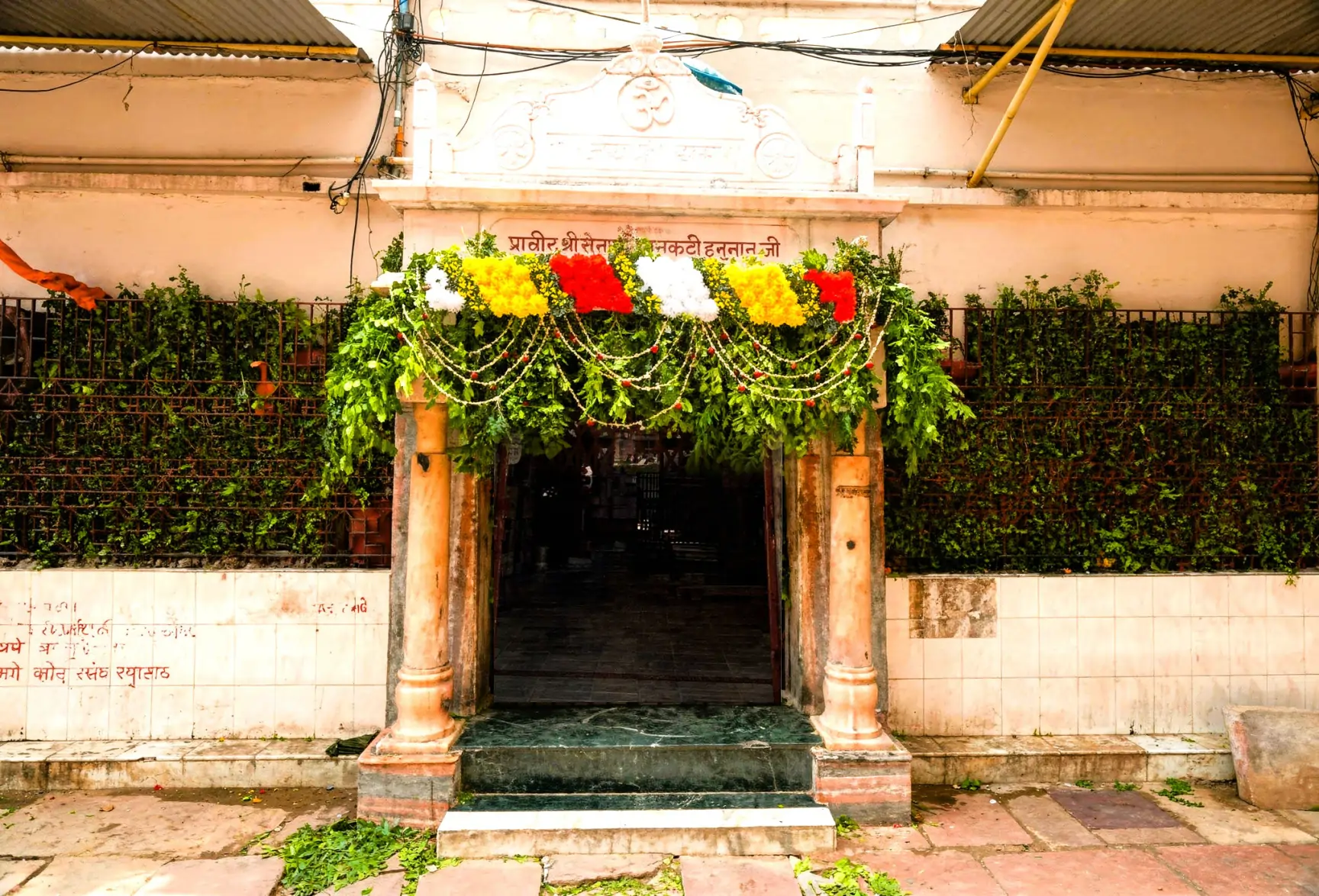
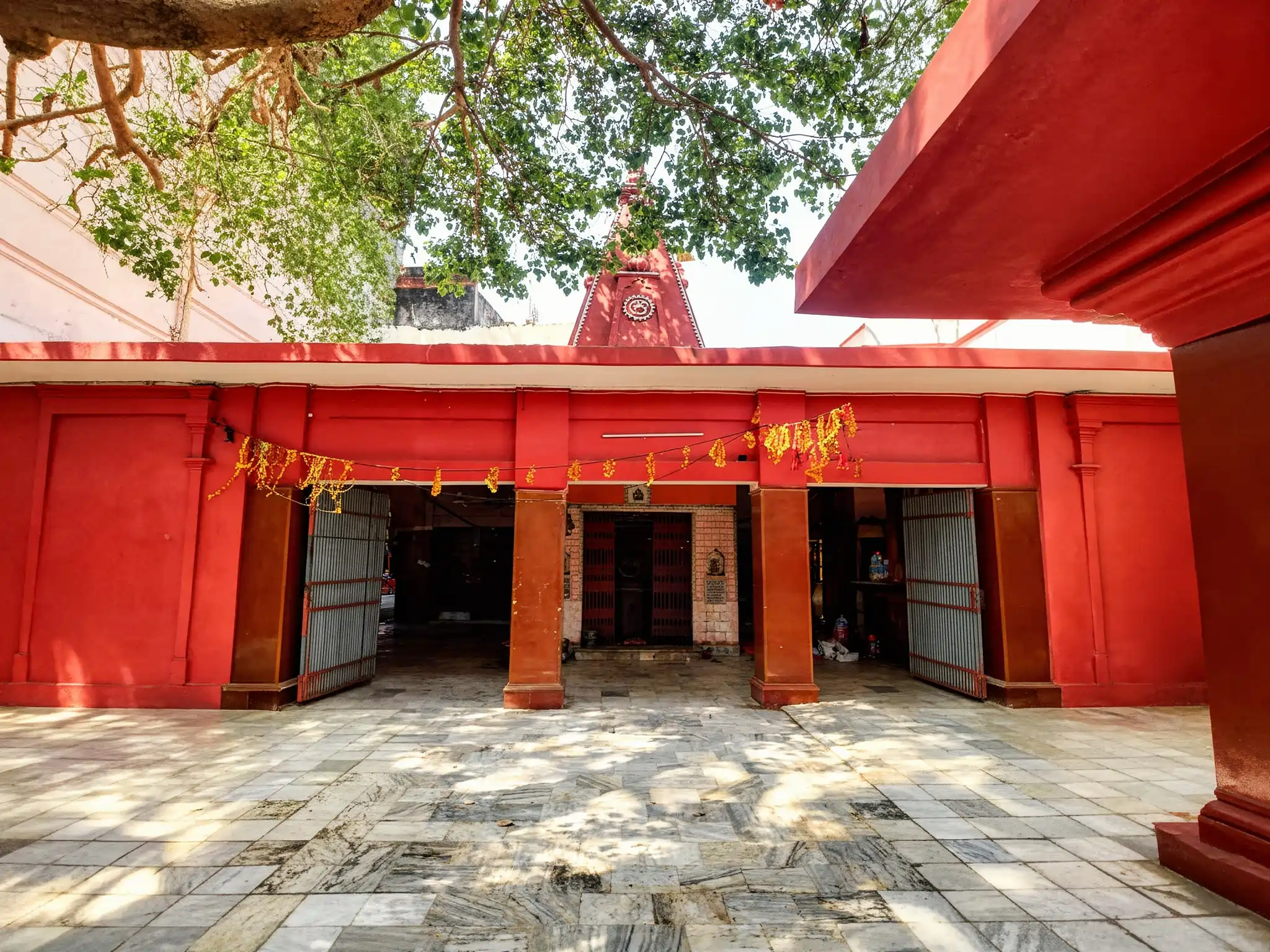
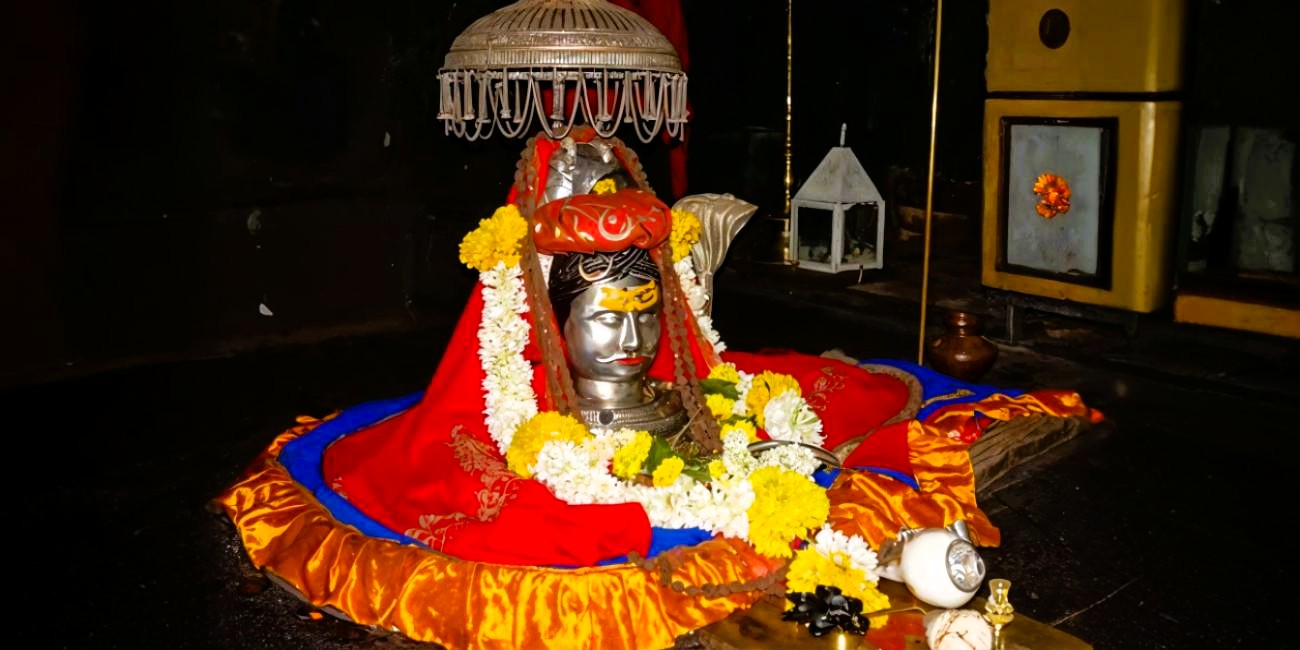
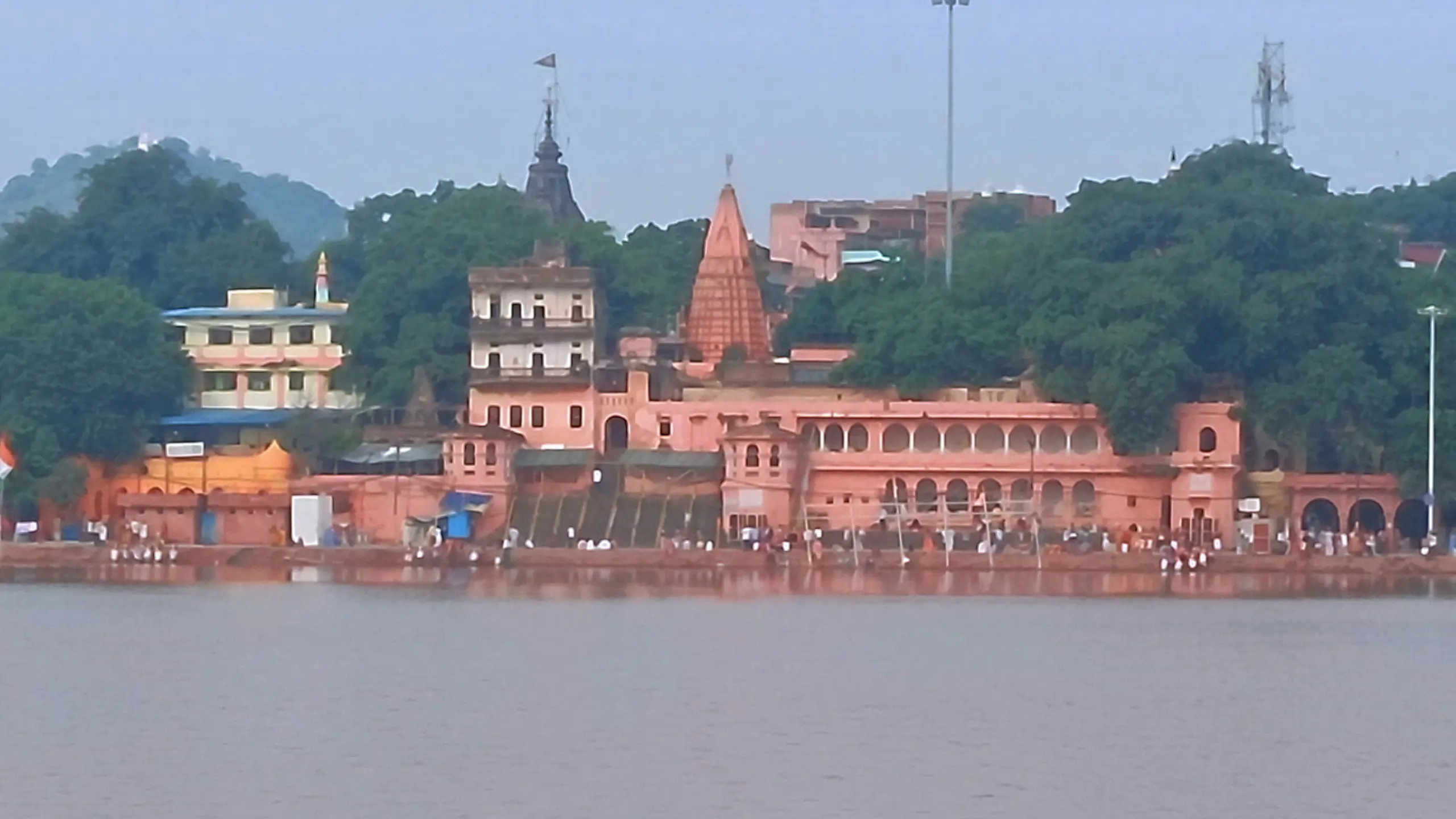
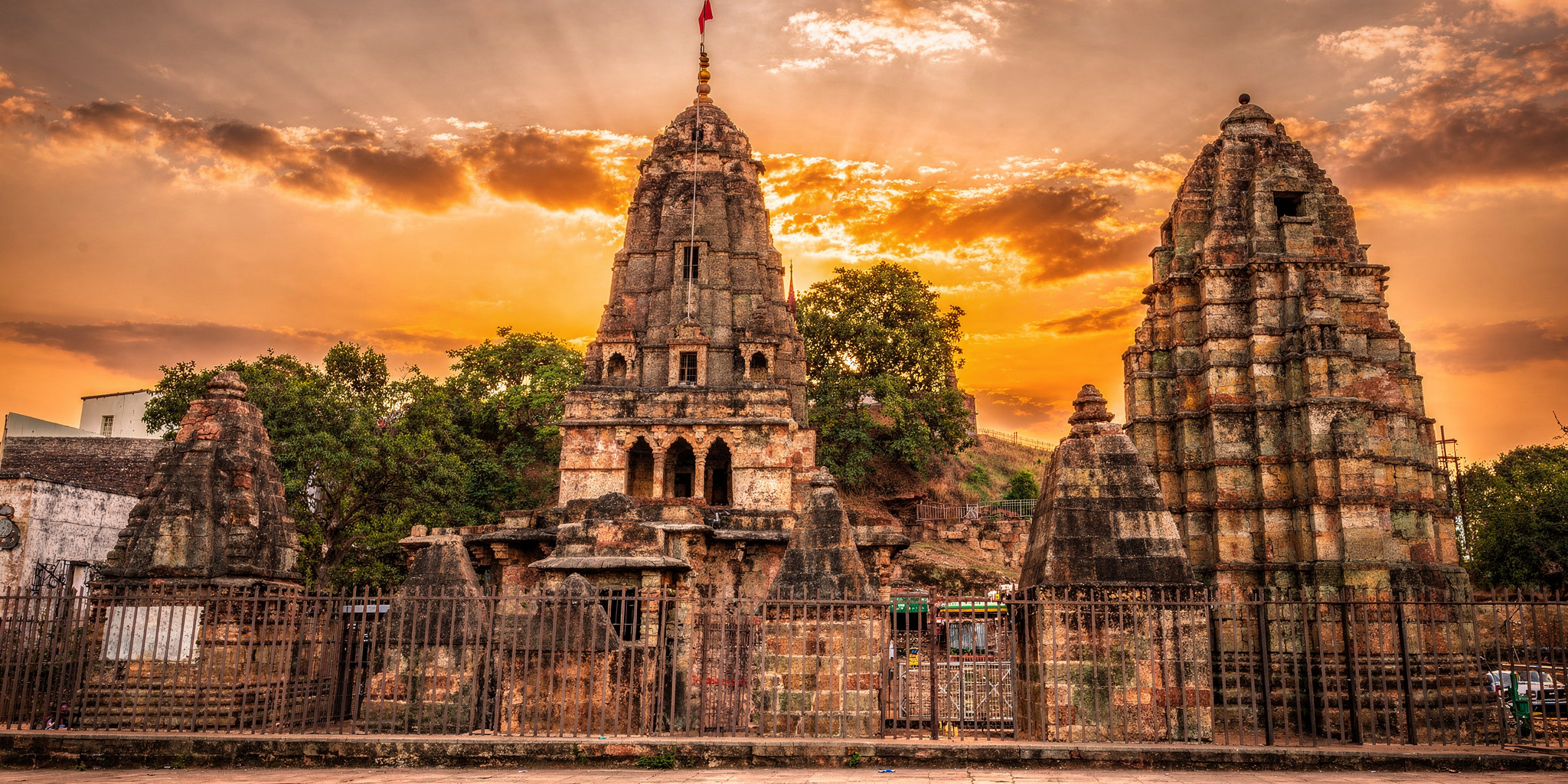
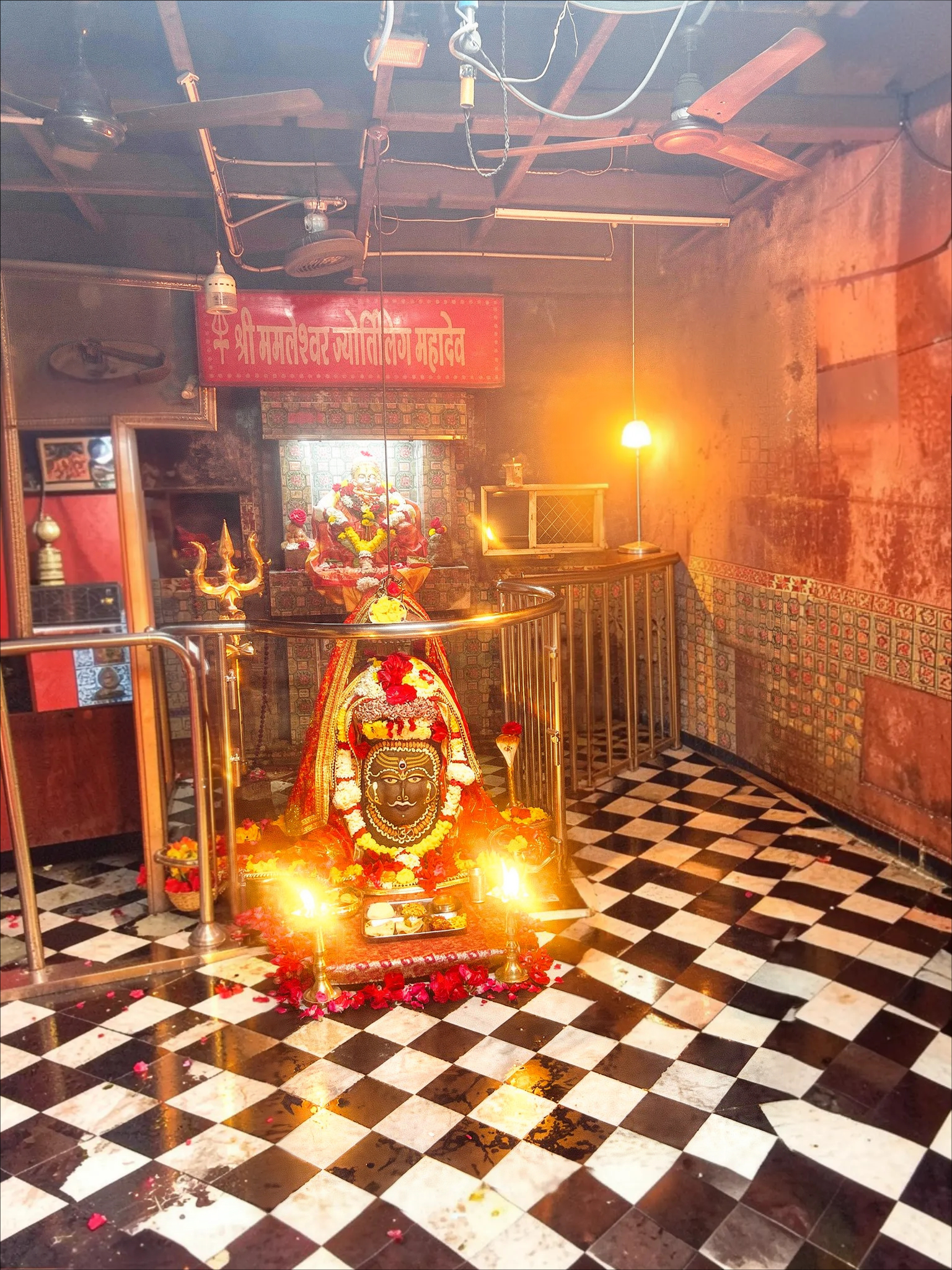
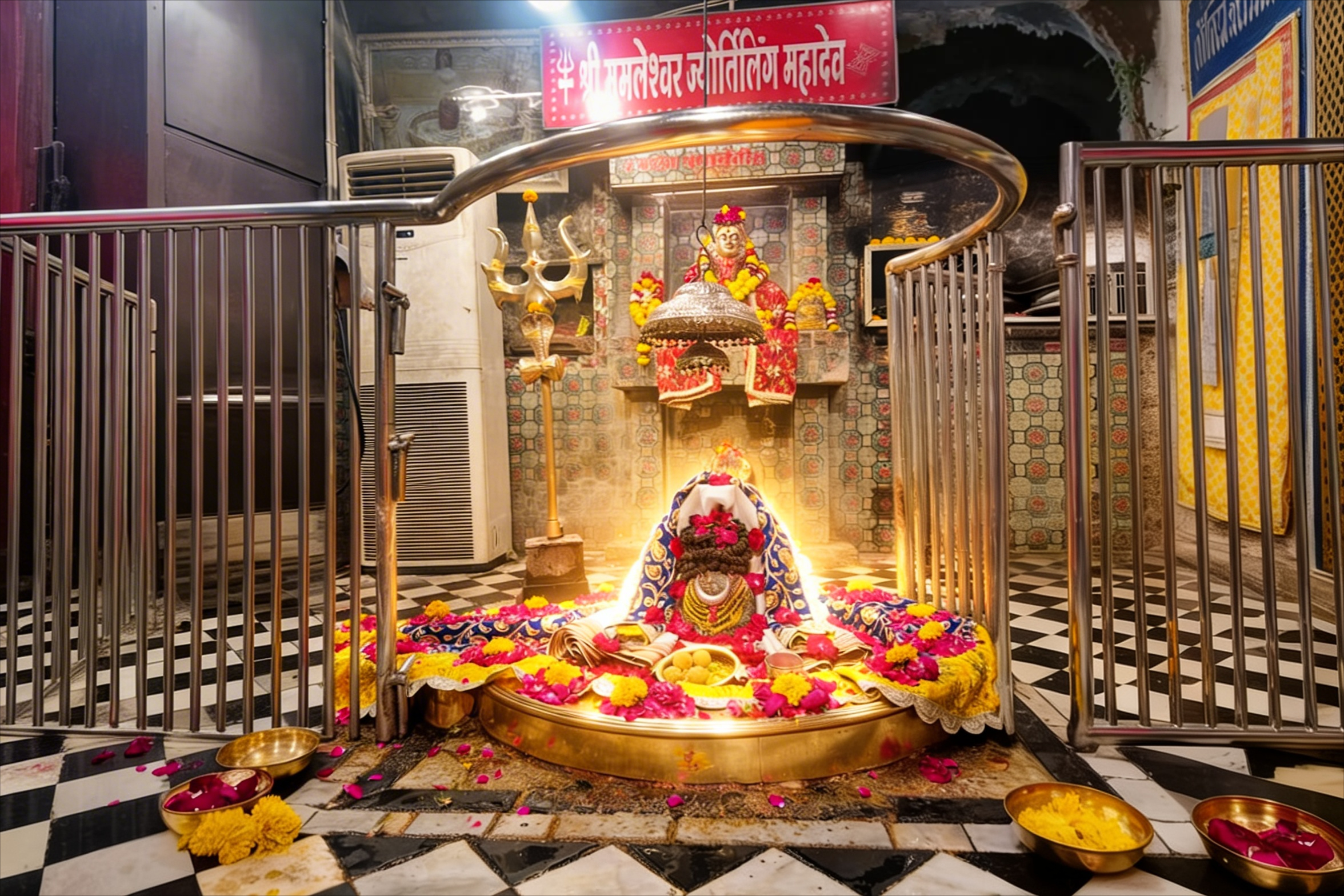
Shri Omkareshwar Jyotirlinga Temple is one of the twelve Jyotirlingas of Lord Shiva and one of the most important Shiva pilgrimage sites in India. It is located on Mandhata island in the Narmada river in Madhya Pradesh. The island itself is traditionally understood to have the shape of the sacred syllable “Om,” which gives the kshetra its name and its spiritual identity. Pilgrims come here not only for Jyotirlinga darshan, but also for Narmada snan and a more complete Shiva yatra that includes both Omkareshwar and the nearby Mamleshwar temple. Shri Mamleshwar Jyotirlinga is a sacred temple on the Narmada River’s south bank, paired with Omkareshwar Jyotirlinga. Devotees seek blessings for peace, prosperity, and liberation through rituals, abhishek, and deep spiritual devotion.
Omkareshwar has been a major Shiva tirth for many centuries and is associated with old Puranic traditions, medieval temple building, and later regional patronage. The island is also known as Mandhata, after the legendary king whose worship is closely linked with the site. Historical and cultural writing on Omkareshwar shows that this area once supported a much wider sacred network, including other temple groups such as the 24 Avatars and Satmatrika temples. Over time, the main Omkareshwar temple remained at the centre of this sacred region and continued to draw pilgrims, scholars, and Narmada parikrama yatris.
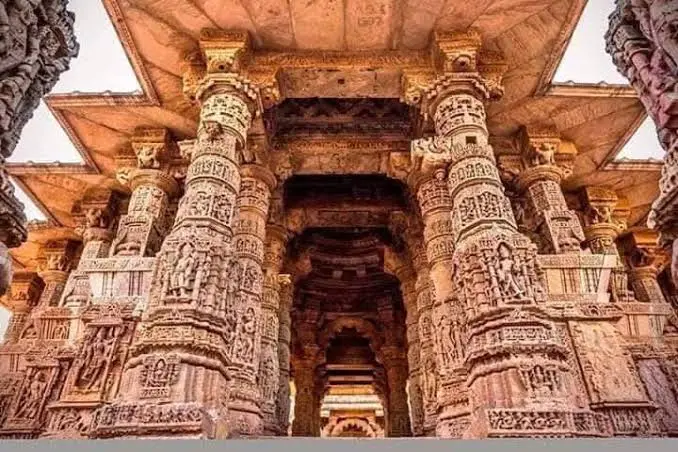
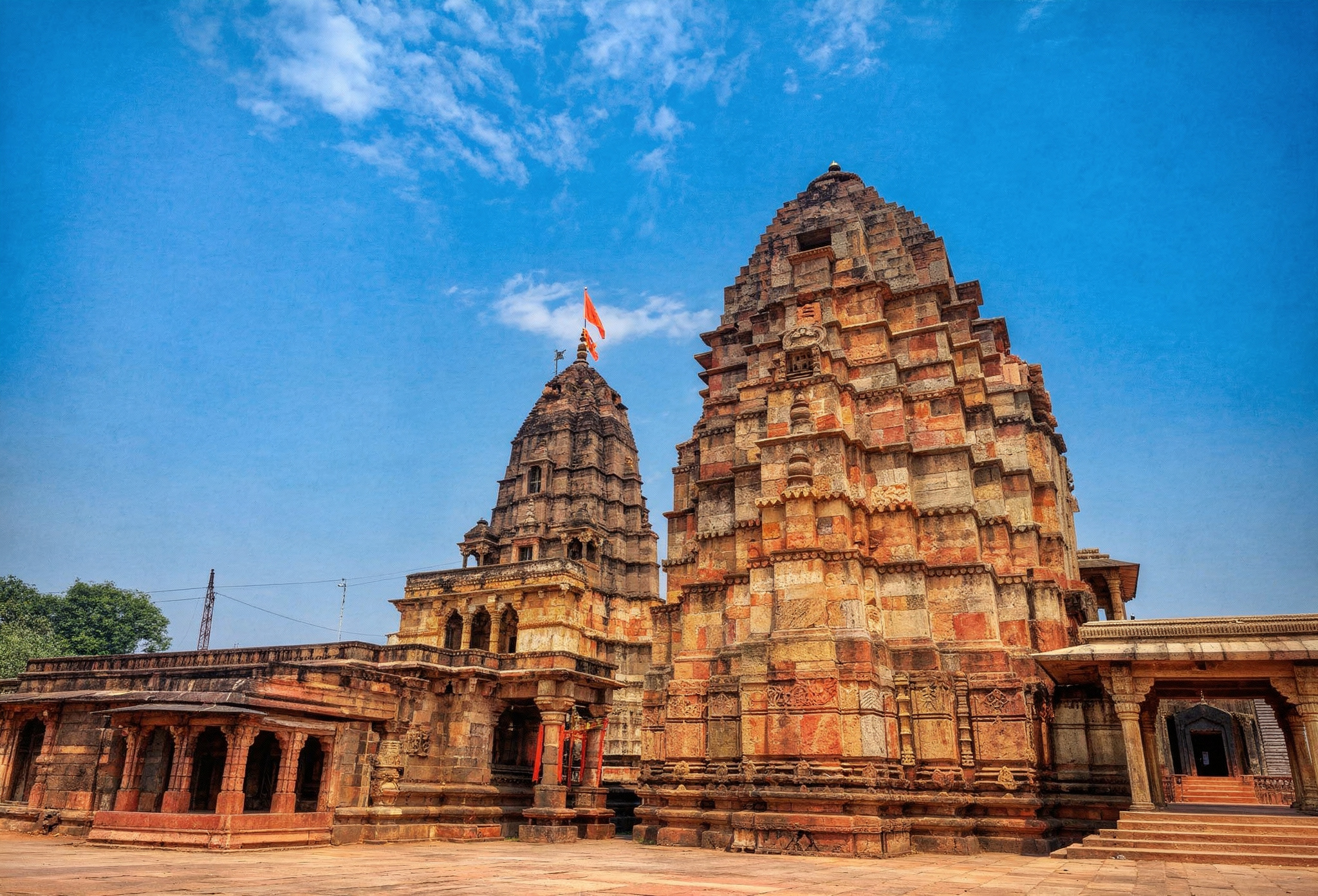
Omkareshwar is worshipped as a Jyotirlinga connected with Shiva’s divine presence in sound, form, and sacred geography. Tradition links the place with King Mandhata’s tapas and with Shiva’s manifestation here in response to deep devotion. The Narmada river adds to the holiness of the site, and the full island is treated as a sacred mandala rather than only a single temple building. Architecturally, the main temple follows the Nagara style with a tall shikhara rising above the riverfront. The structure stands on an elevated level reached by steps from the ghats. Inside, the garbhagriha houses the black Jyotirlinga, while the mandap and surrounding areas include carved pillars and smaller temples dedicated to other deities. The larger temple town includes smaller shrines, and parikrama paths, making Omkareshwar a complete sacred landscape rather than just one darshan point.
Omkareshwar is usually reached from Indore, Khandwa, or Ujjain by road, and from the main arrival point pilgrims cross toward the island and then walk or take local transport to the temple side. Many pilgrims begin with Narmada snan, then visit Omkareshwar Jyotirlinga, perform and also take darshan at Mamleshwar on the mainland. Shravan and Mahashivratri bring very large crowds, while winter is often more comfortable for those who want to walk the island slowly and spend more time in the kshetra. A stay of one or two nights is common among devotees who want a fuller experience of the temple, the Narmada, and the parikrama route.
daily
Morning Arti
4:00 AM
Dopahar Aarti
11:30 AM
Sayan Aarti
9:10 PM
Moolank 2 Chandra Shanti Rudrabhishek
Calm the Mind. Balance Emotions. Invite Inner Peace.
Narmada Pujan - Narmada Aarti
For purification, emotional peace, and the blessings of Maa Narmada.
Laghu Rudrabhishek
A Simplified Yet Powerful Shiva Offering.
Namak Chamak Rudrabhishek
For deeper Shiva grace, prosperity, purification, and removal of karmic heaviness.