Shri Ghrishneshwar Jyotirlinga, Ellora, Maharashtra
India’s twelfth and final Jyotirlinga, located near the Ellora caves
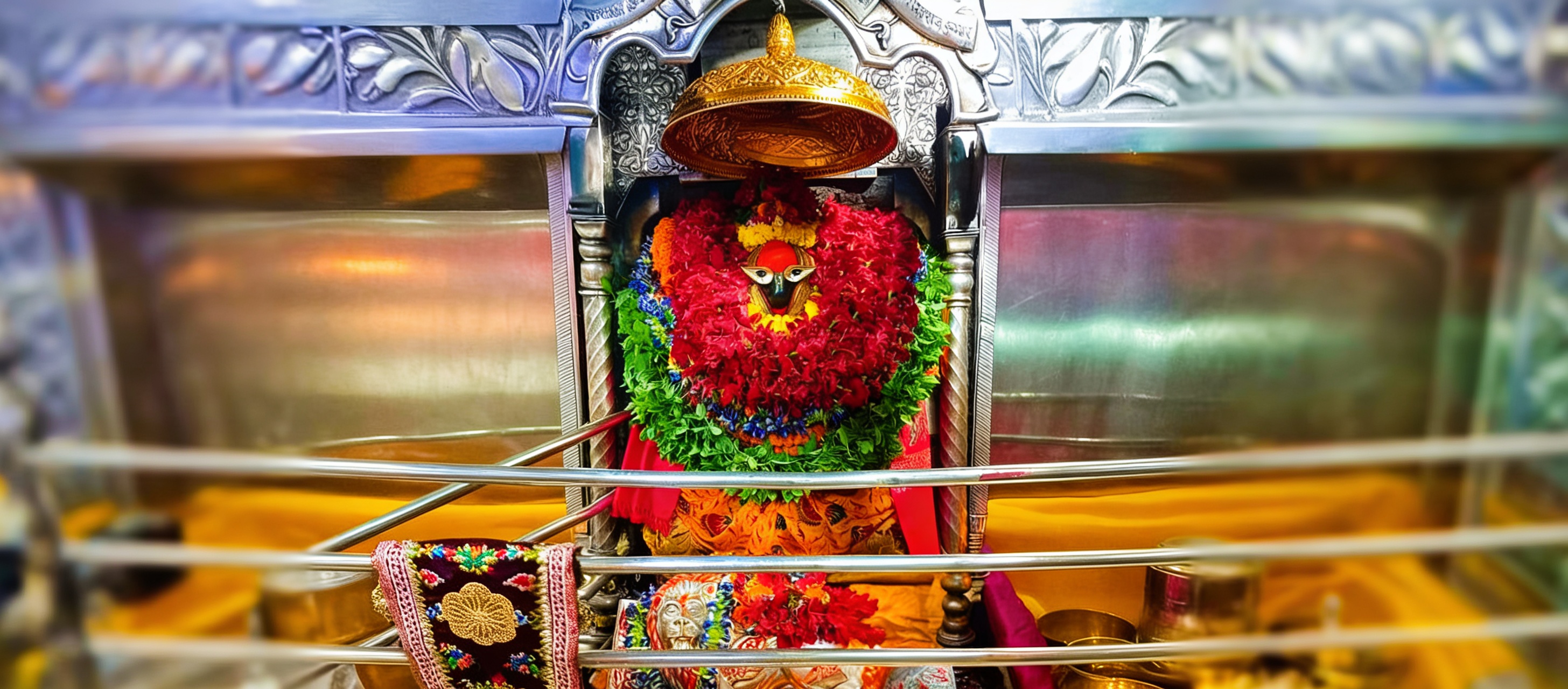
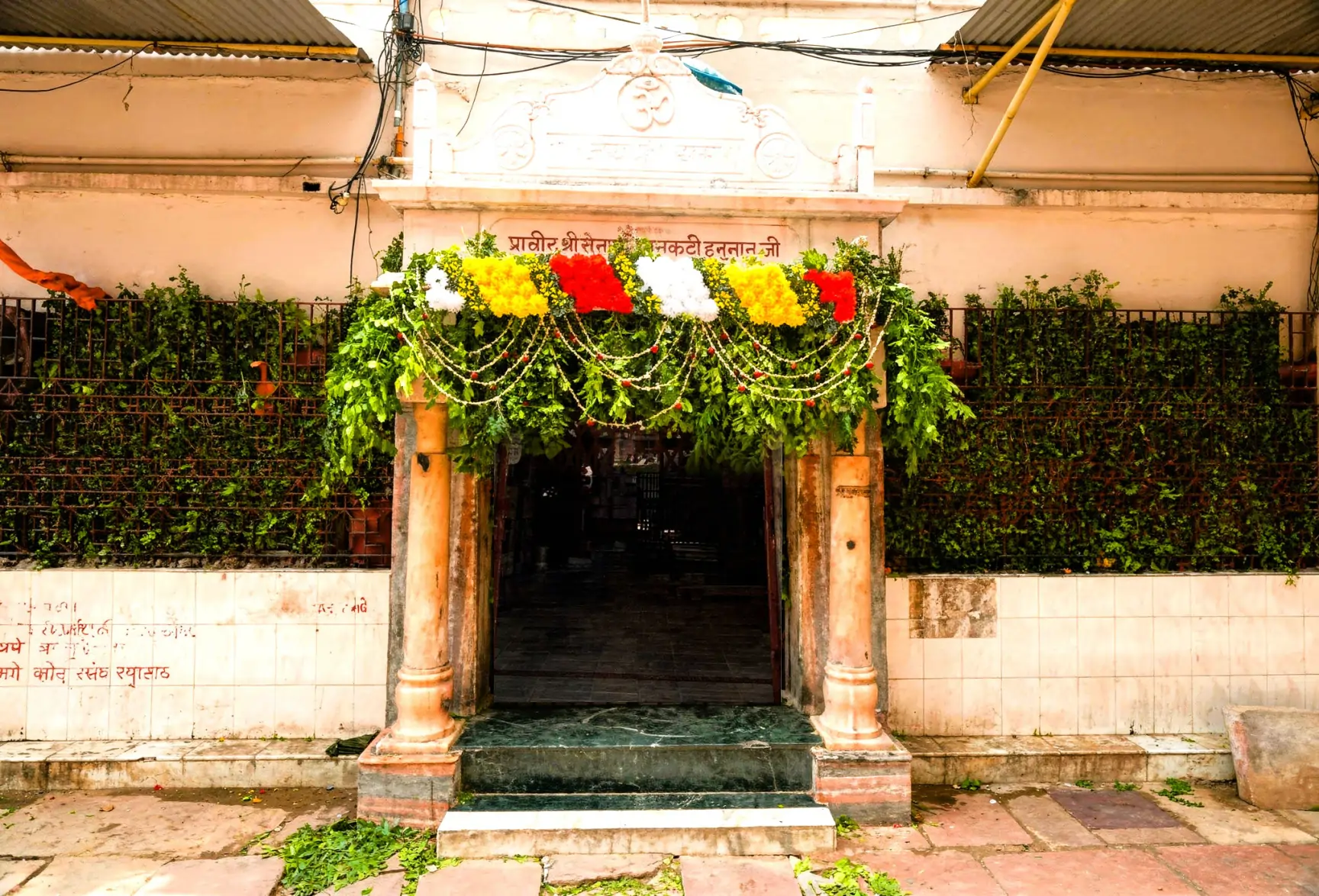
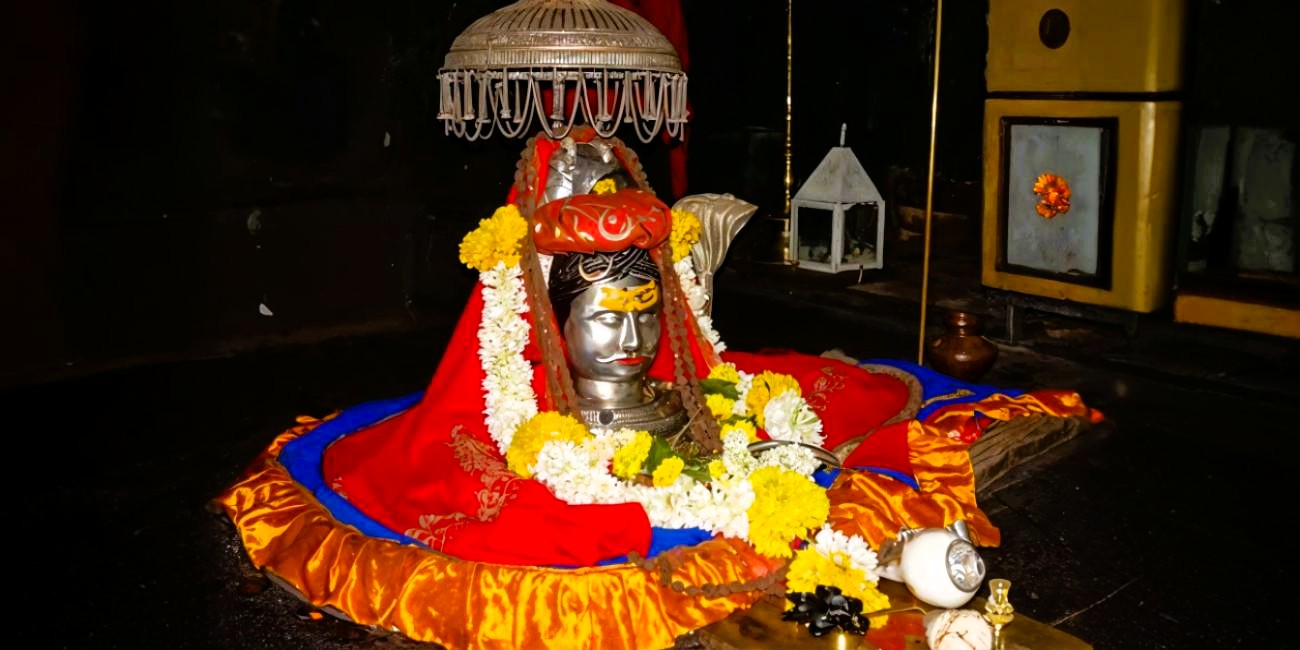
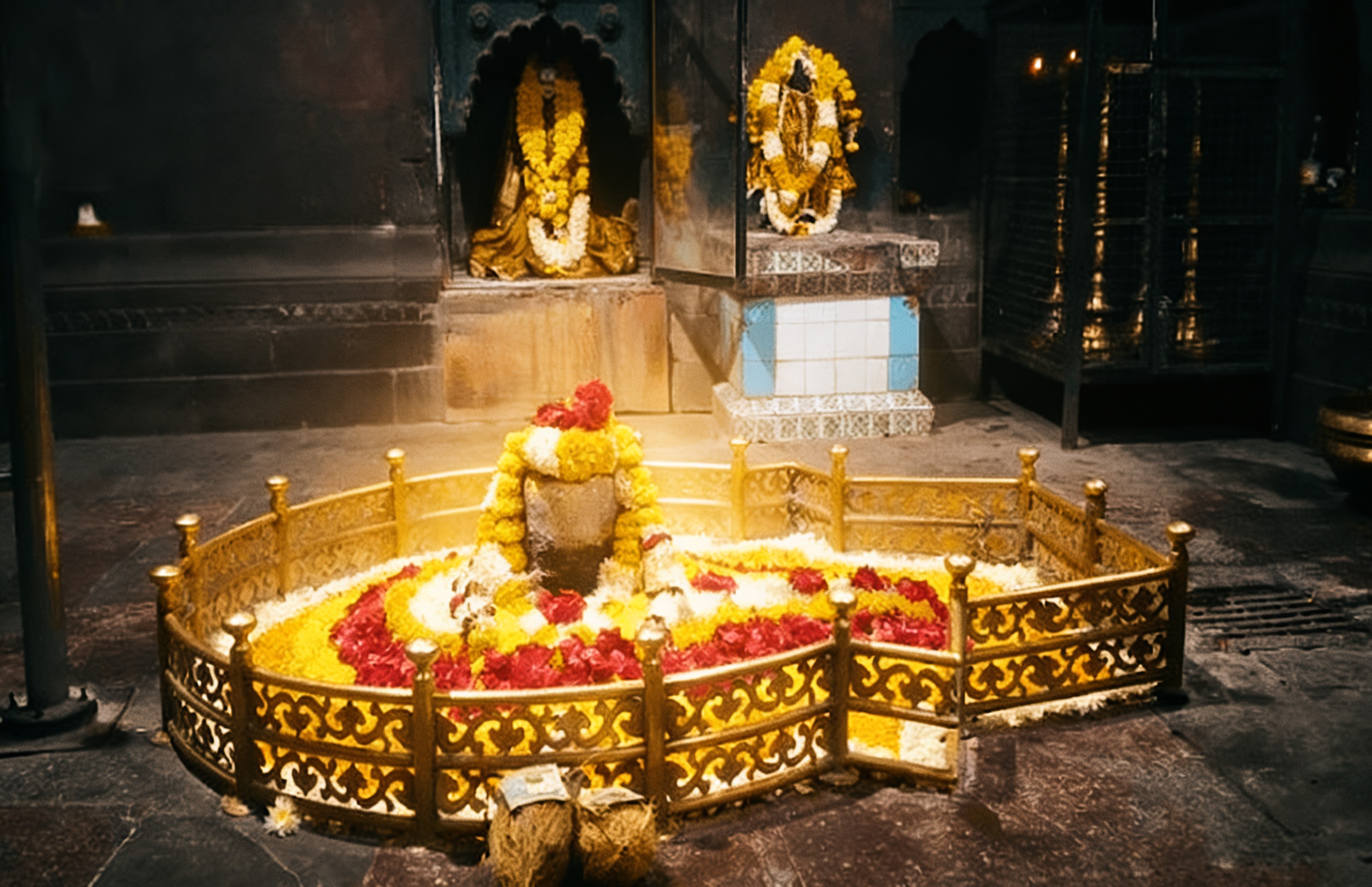
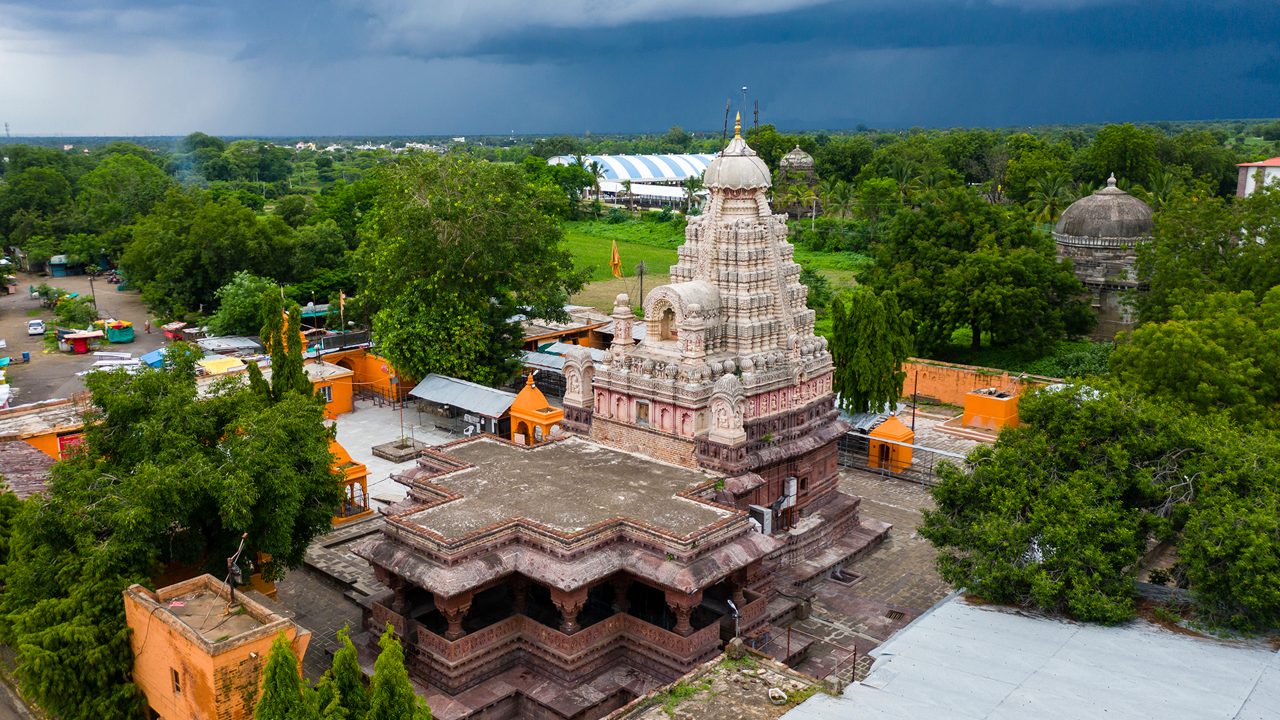
Shri Ghrishneshwar Jyotirlinga is one of the twelve Jyotirlingas of Lord Shiva. It is located near the Ellora caves in Maharashtra. This mandir is a major stop in the Dwadash Jyotirlinga yatra and is deeply respected across India. Devotees visit Ghrishneshwar to pray for family peace, forgiveness, and emotional healing. Many people come here after facing loss, tension at home, or long personal struggles. The Shiva Linga here is worshipped through daily abhishek, chanting, and simple offerings. The mandir remains active throughout the year and receives pilgrims from all parts of the country.
The origin of Ghrishneshwar Jyotirlinga is linked to the story of Ghushma, a devoted woman who worshipped Shiva daily by making clay lingas. Even after facing severe personal loss, she did not stop her worship or turn bitter. Shiva appeared pleased with her faith and restored her son, choosing to remain at that place as Ghrishneshwar. Over time, this site became recognised as one of the twelve Jyotirlingas. The mandir structure was rebuilt and restored by various rulers, including Marathas. Despite changes in the building, the core worship of the Jyotirlinga has continued without break.
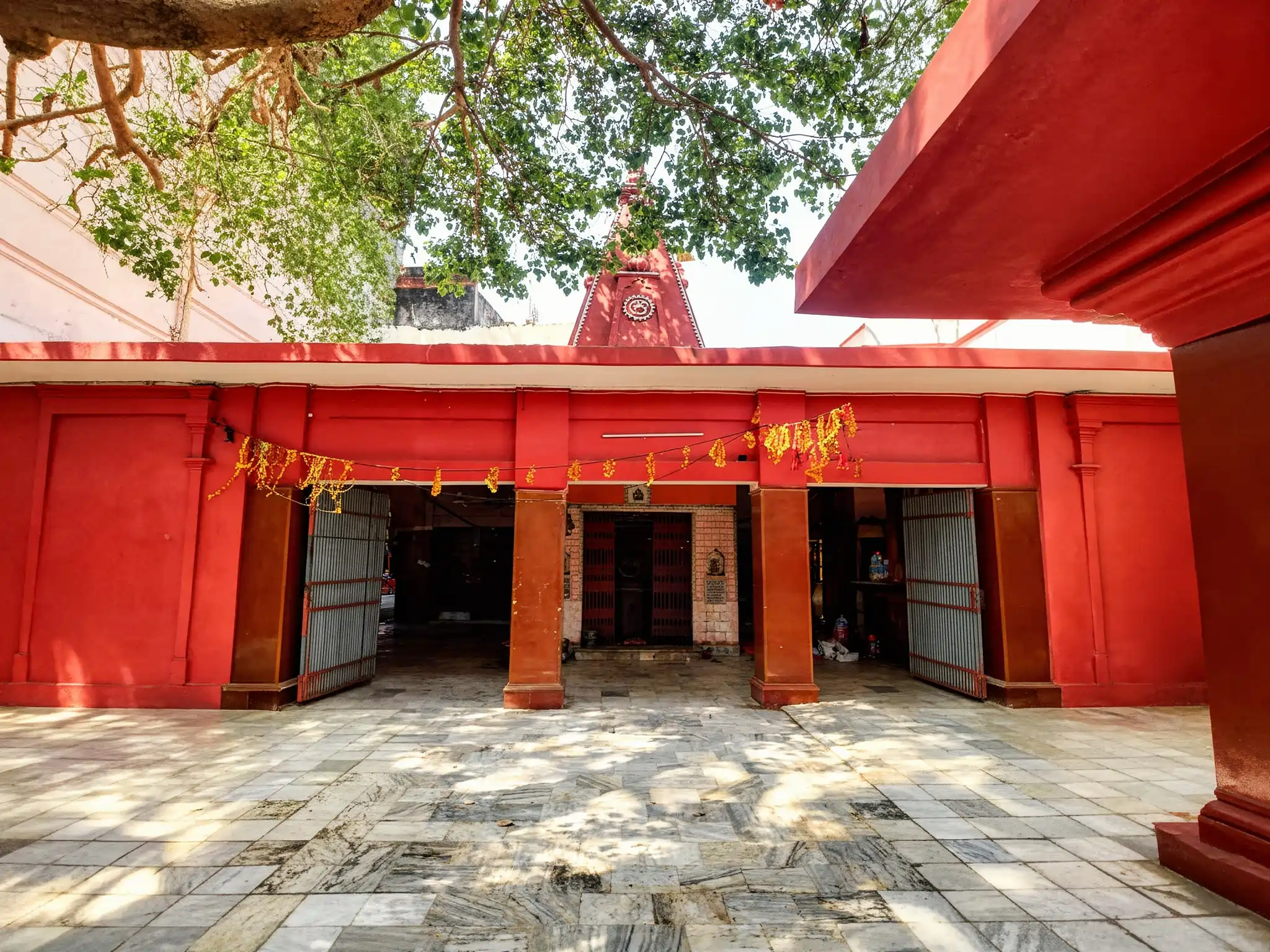
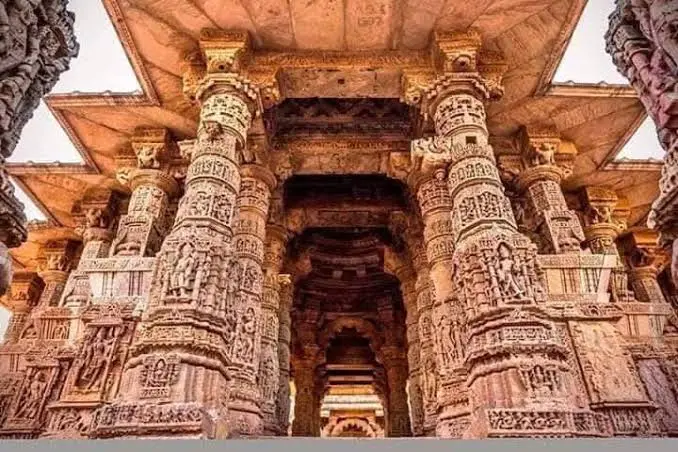
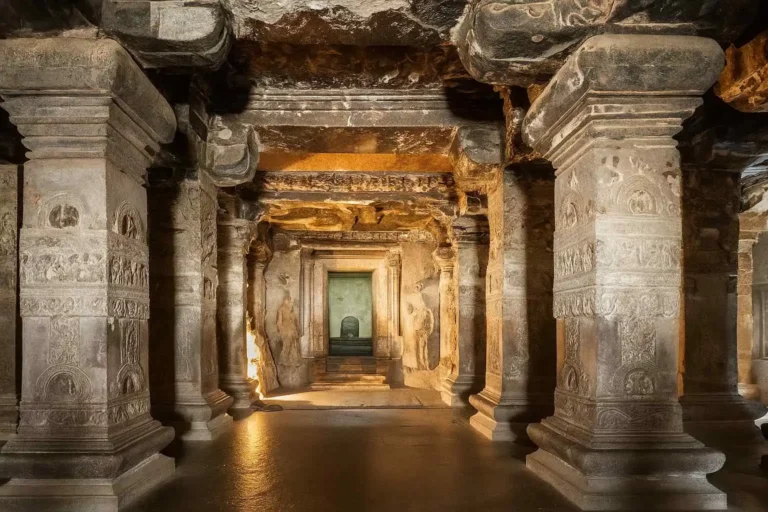
Ghrishneshwar is known as the Jyotirlinga connected with compassion and patience. Devotees believe that sincere prayer here helps soften difficult situations and brings balance back into life. Many couples and families visit together to pray for unity and understanding. The mandir is built in traditional South Indian style using red stone. The garbhagriha houses the Jyotirlinga, which is open for close darshan. A Nandi sits directly in front of the Linga. The mandir also has carved pillars and walls with scenes from Shaiva tradition.
Ghrishneshwar Jyotirlinga is located close to the Ellora caves and is easy to reach by road. Many pilgrims combine darshan here with a visit to Ellora. Mondays, Shravan month, and Mahashivratri see the highest footfall. Abhishek is allowed, but it is usually done through authorised panditjis. Early morning hours are best for smoother darshan. Modest clothing is required, and crowds increase during festival periods. Most pilgrims consider this mandir an important milestone in completing the Jyotirlinga yatra.
daily
Jyotirlinga Divya Jal Abhishek with Purush Sukta
Simple Water Offering for Peace, Purification & Continuity
Panchamrit Abhishek
Five-Nectar Abhishek for Complete Life Purification
Rudrabhishek
Shiva Abhishek for Mental Peace & Destiny Stability
Kaal Sarp Shanti Puja
Relief from Repeated Obstacles & Destiny Blocks
Rudrabhishek Mahapuja
Shiva Abhishek for Major Life Correction
Laghu Rudrabhishek (11 Pujari)
Group-Powered Rudra Abhishek for Strong Impact
Laghu Rudrabhishek (11 Pujari with Brahman Bhoj)
Complete Ritual Cycle for Maximum Merit