Shri Gauri Kedareshwar Mandir, Varanasi
The mandir where Shiva and Parvati are worshipped together.
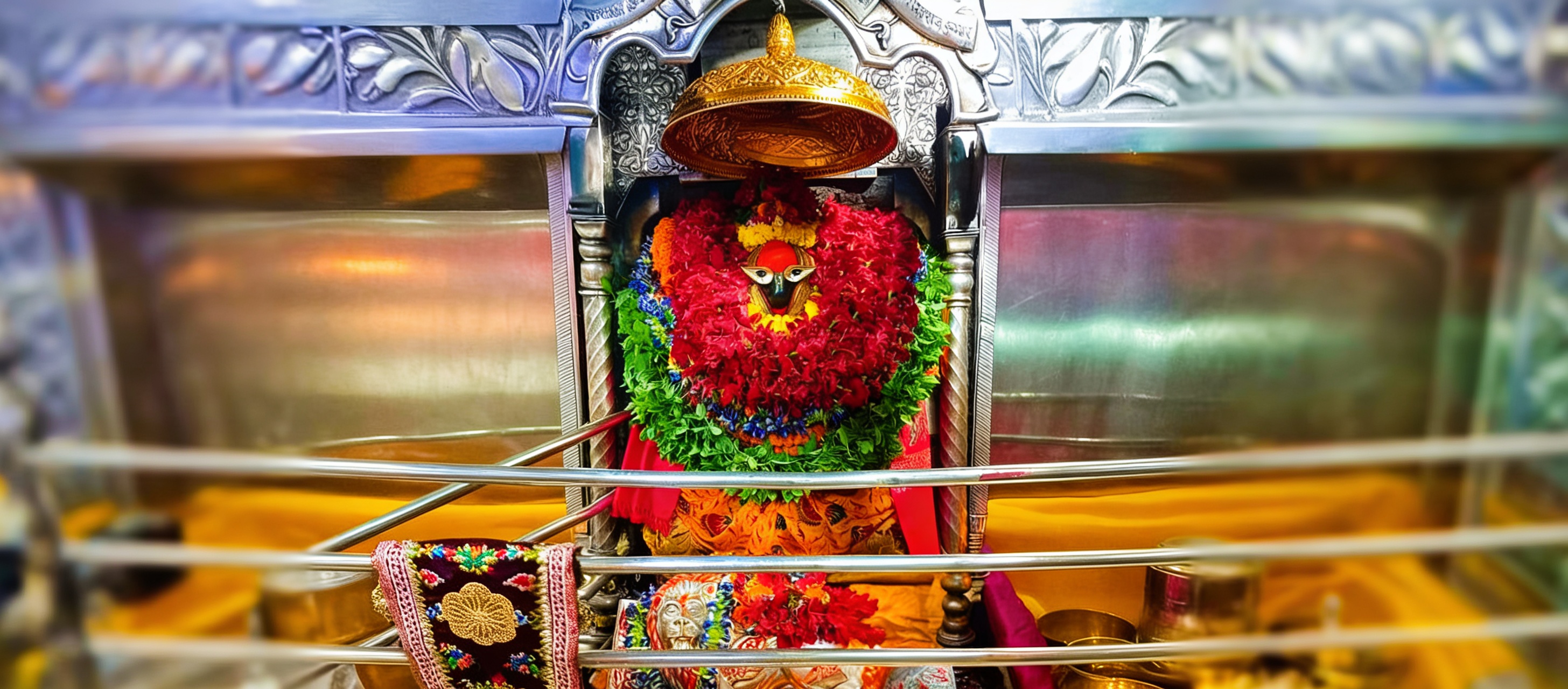
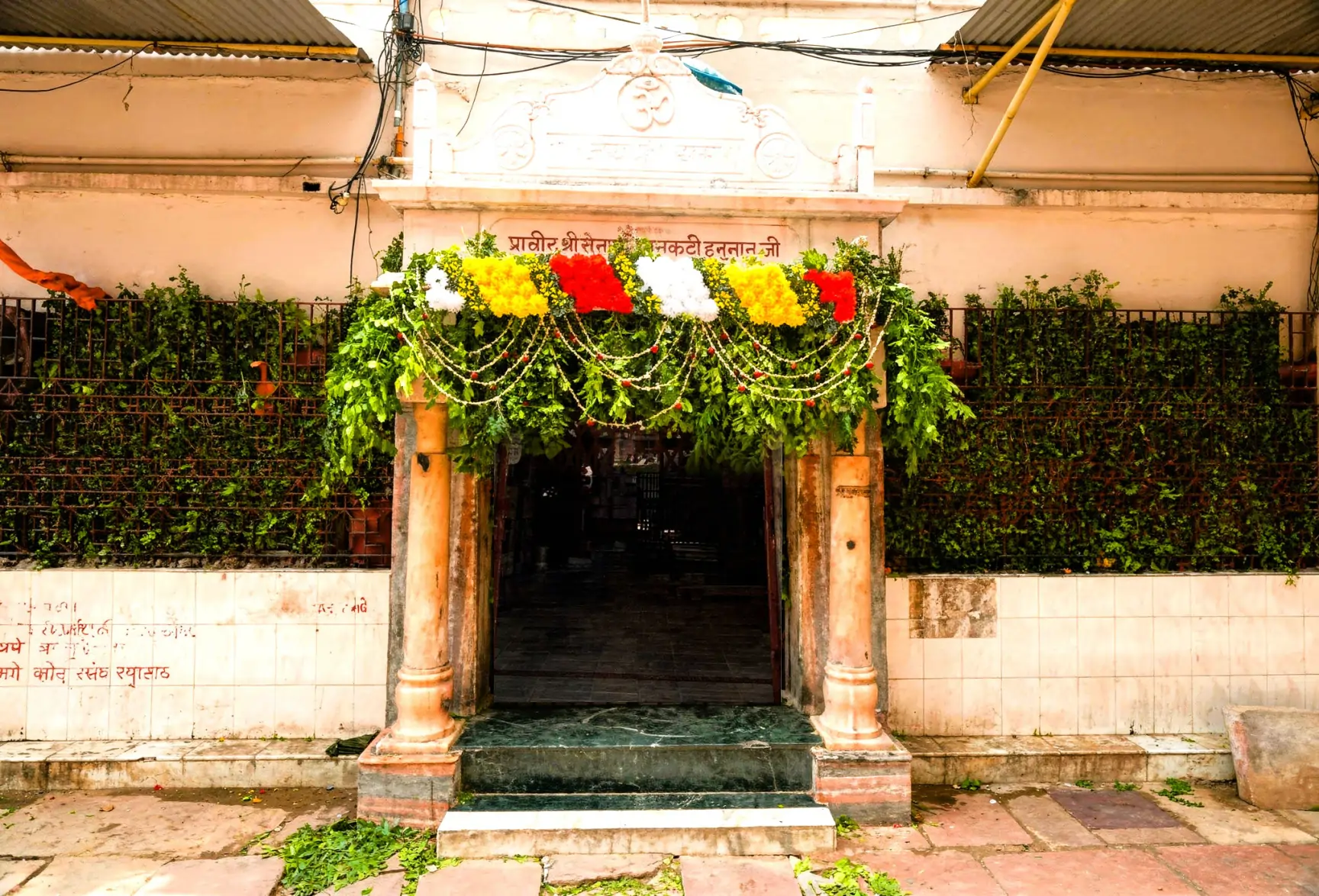
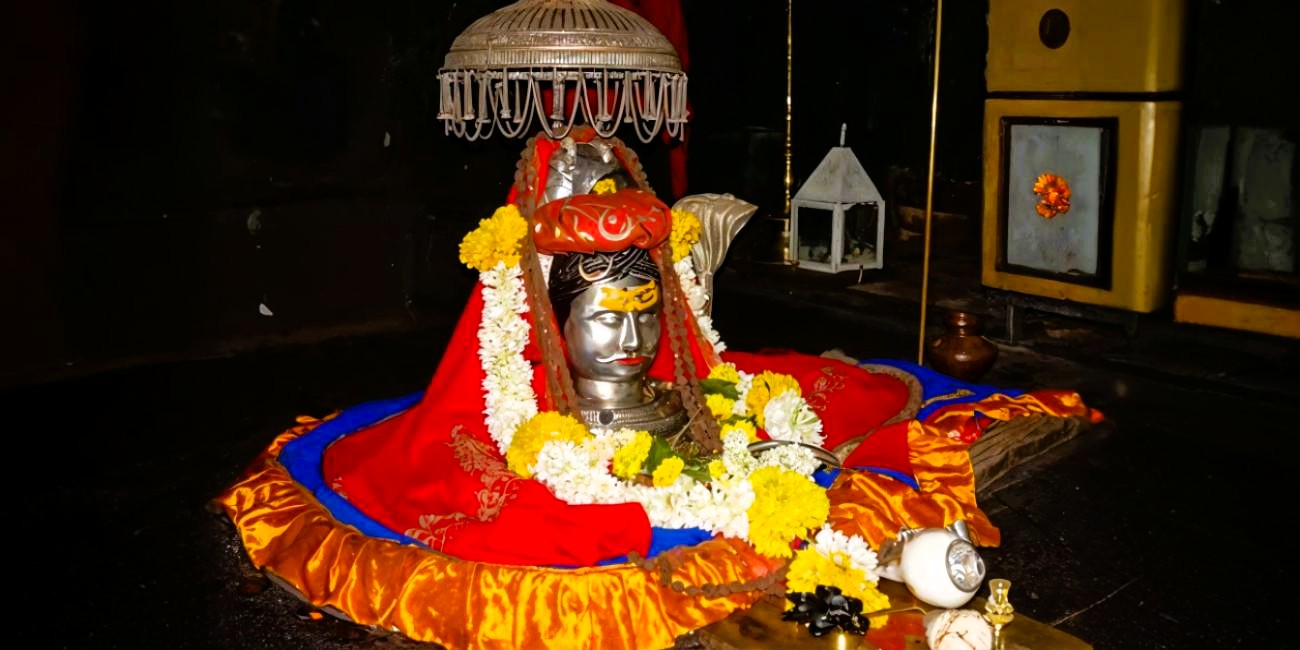
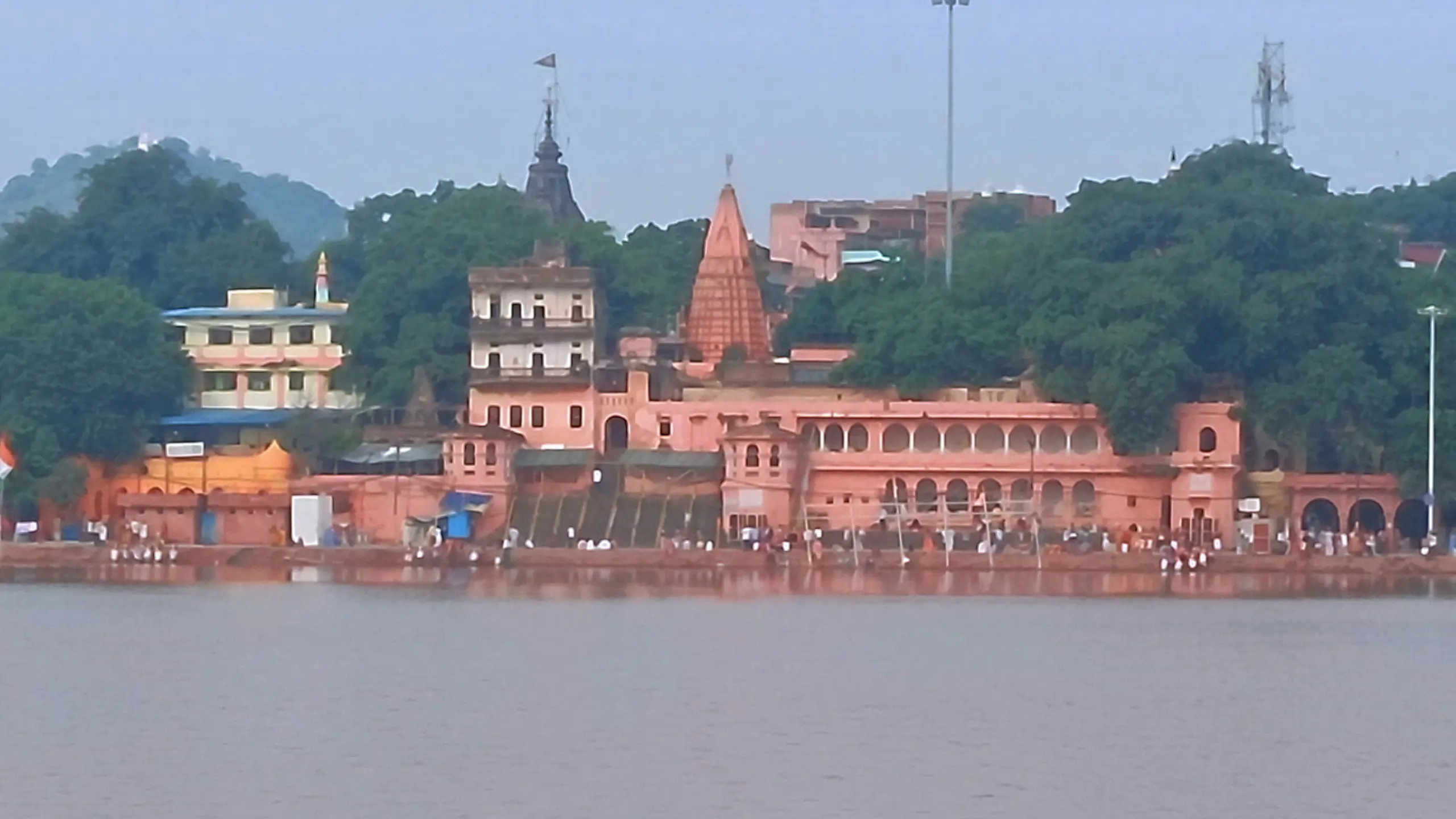
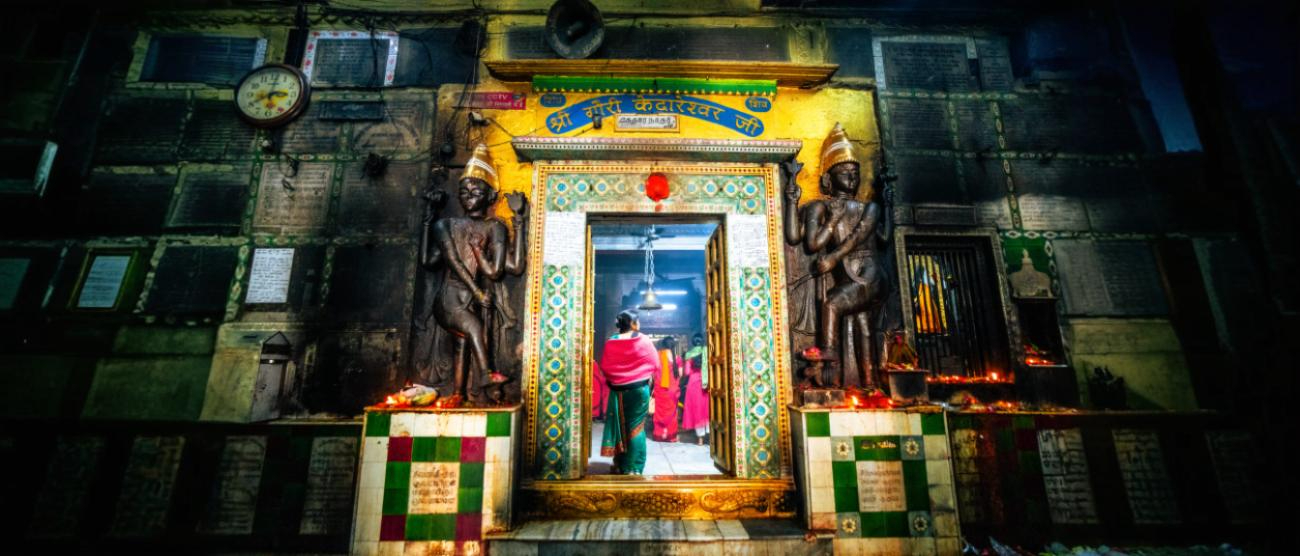
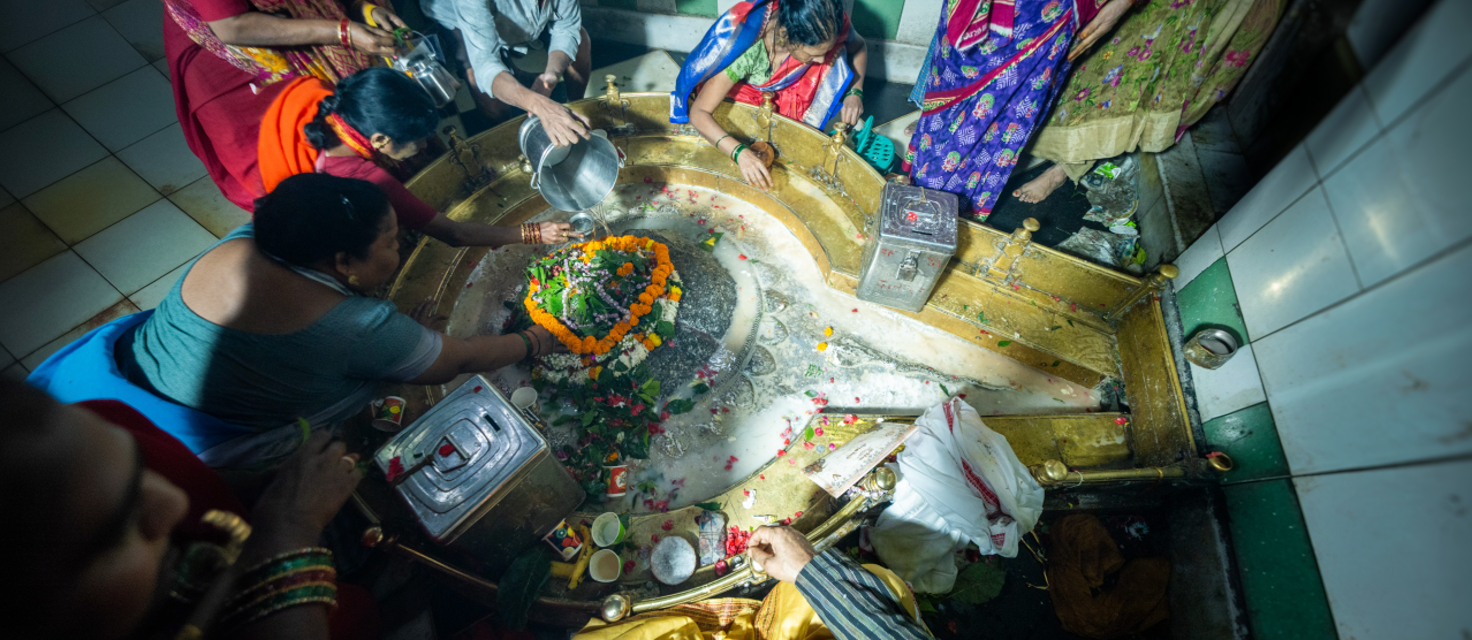
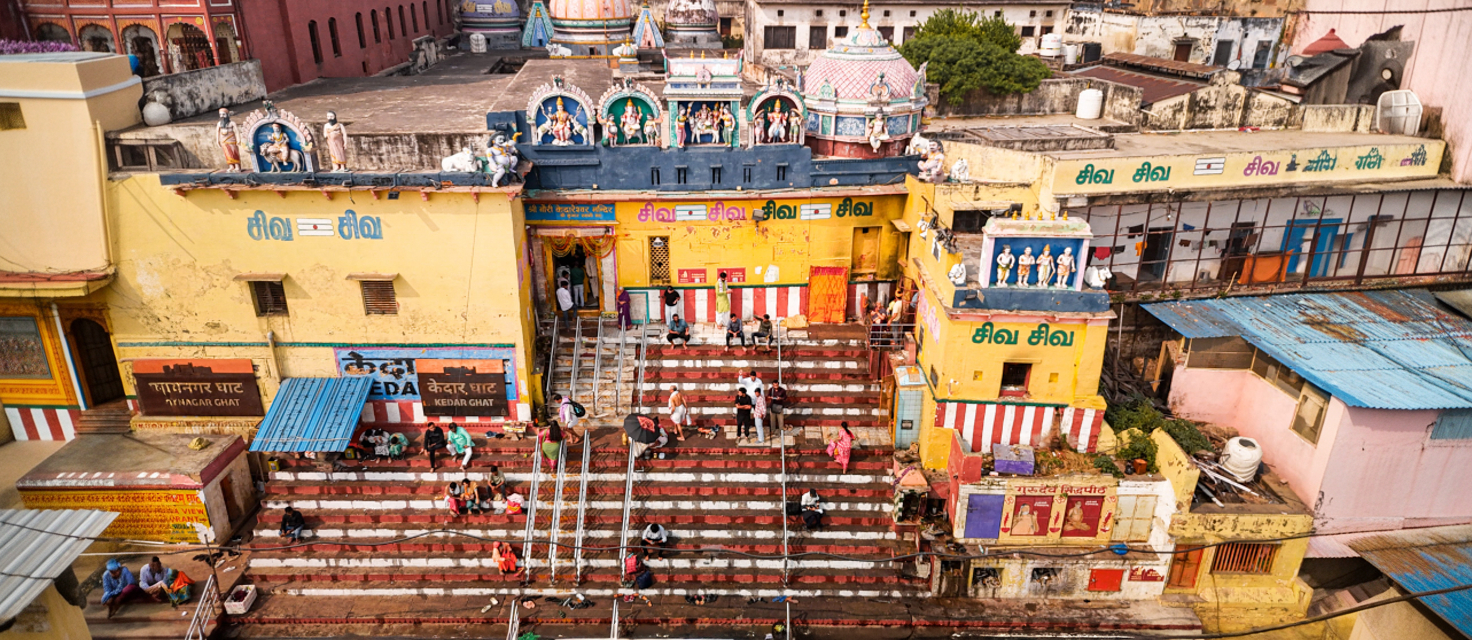
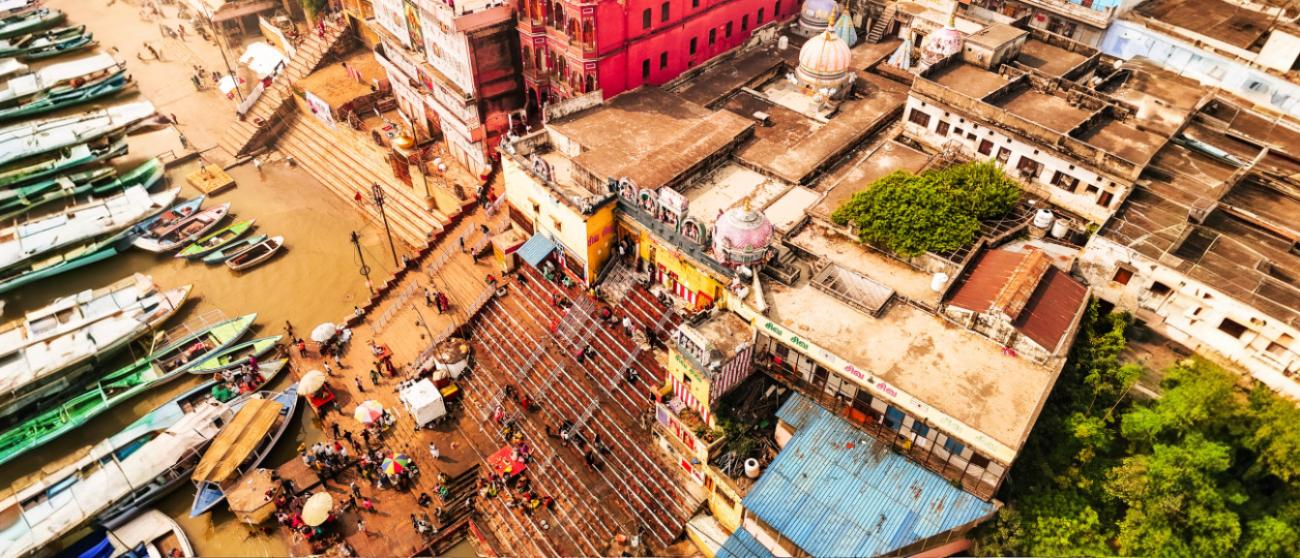
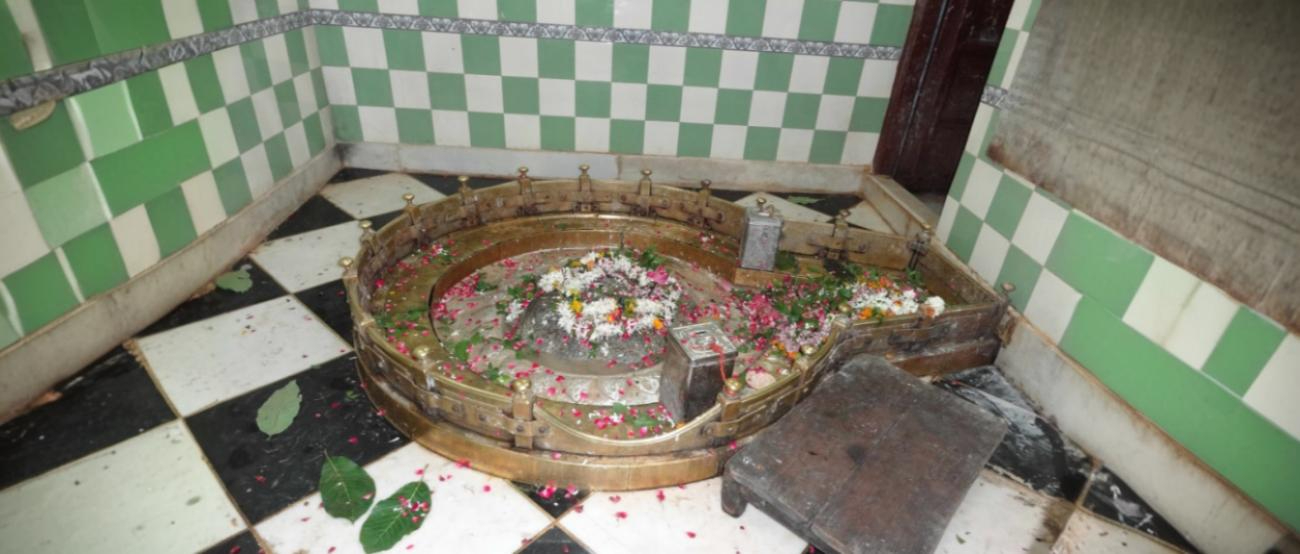
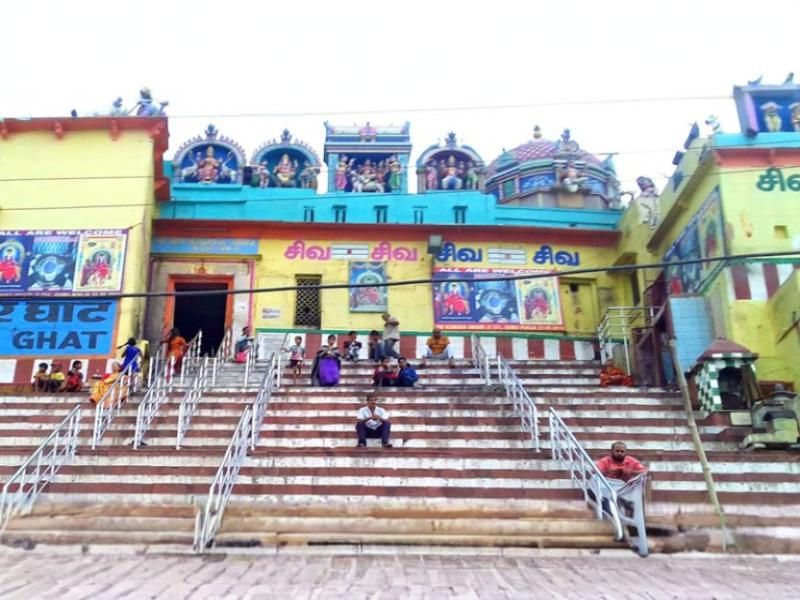
Located at Kedar Ghat in Bengali Tola, Shri Gauri Kedareshwar Mandir is a respected Shiva temple in Varanasi. Devotees believe this temple represents Kedarnath within Kashi. The Shiva Linga here is ancient and naturally formed, and is said to resemble the Himalayan Jyotirlinga. For pilgrims who cannot travel to the mountains, this mandir offers a way to receive the blessings of Kedarnath in Kashi itself. With the Ganga flowing beside it, the temple is visited daily by local devotees, Panchkoshi yatris, and families who come with strong faith.
Temple tradition links this mandir to Sage Vashishtha, who travelled from Kashi to Kedarnath every year for many years. When he grew older and found it difficult to travel, he prayed here that Kedarnath’s presence should come on the banks of the Ganga. It is believed that Shiva accepted this prayer and appeared here as Kedareshwar. Ancient texts mention Kedara worship in Kashi even before references to Vishwanath, showing how old this tradition is. Adi Shankaracharya is also believed to have spent time here. Despite changes in the ghat and city over centuries, worship at this Linga has continued without break.
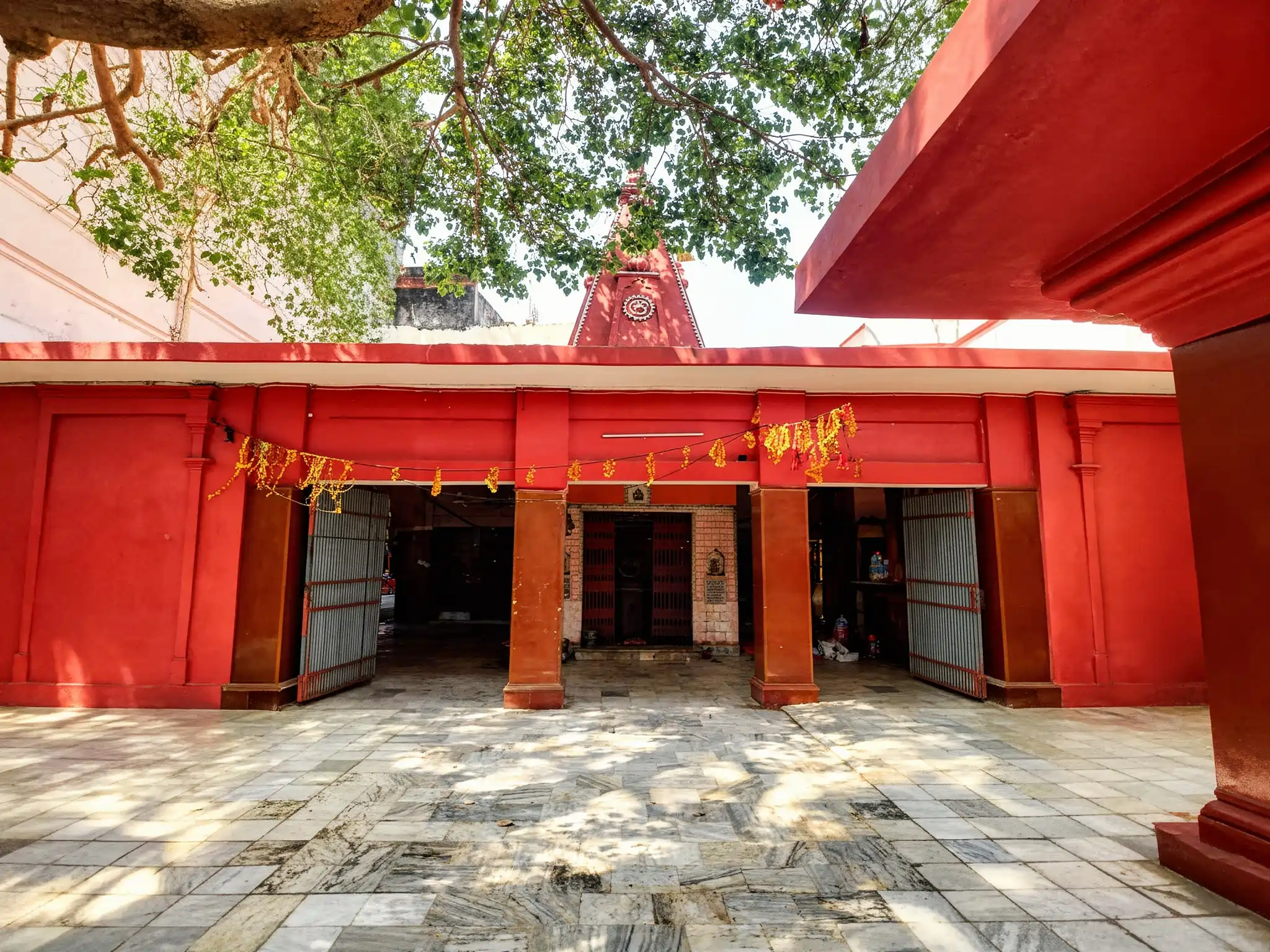
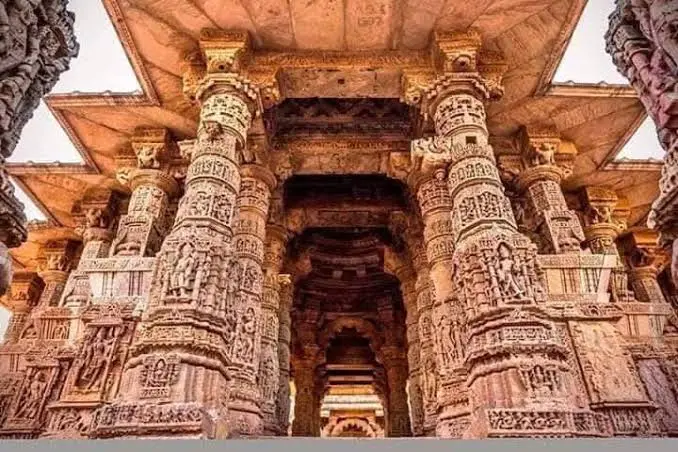
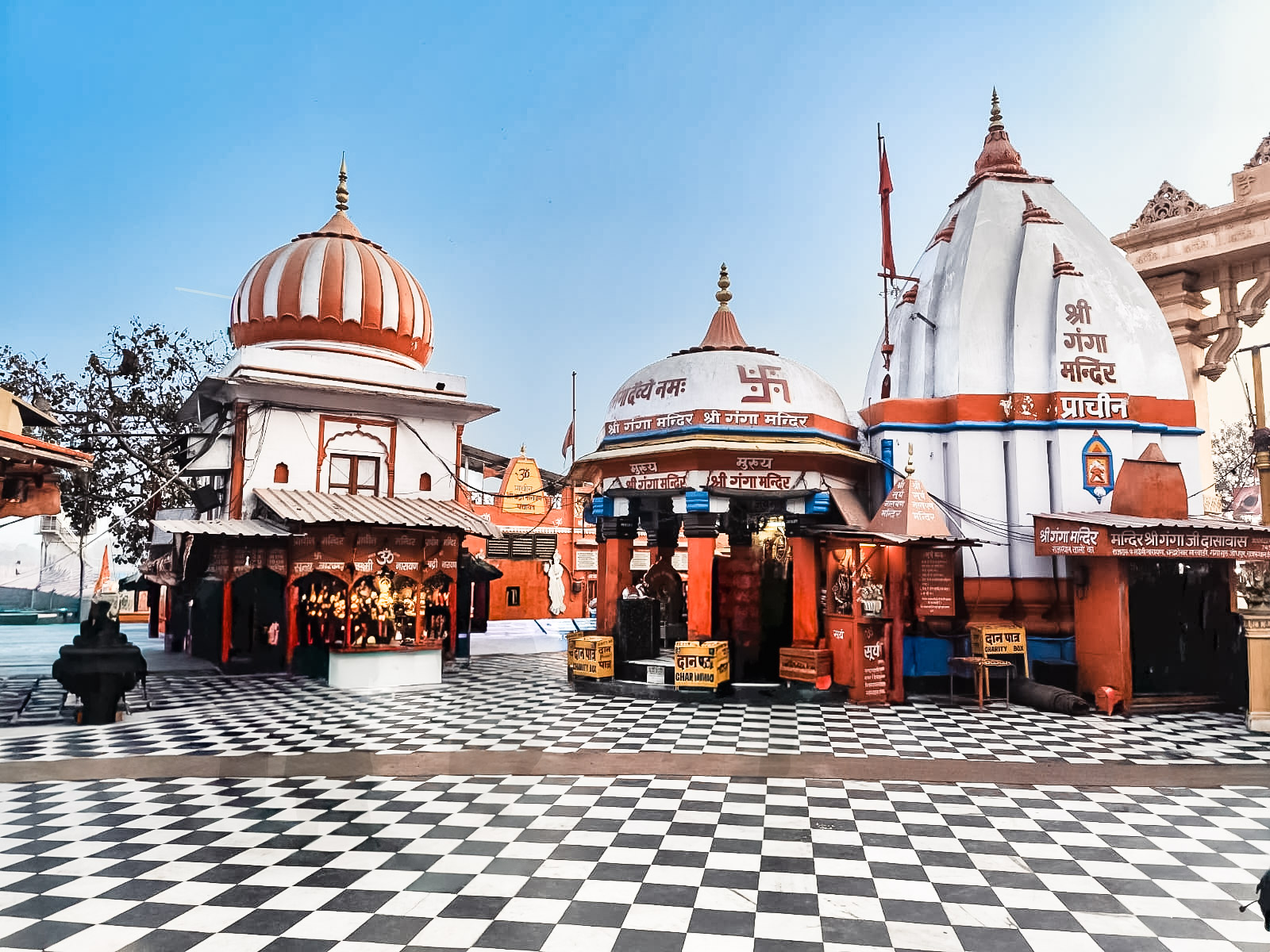
As mentioned in the Kashi Khand, worship at Gauri Kedareshwar is believed to give the same blessings as worship at Kedarnath. The Linga is unique and is worshipped as holding the presence of Shiva and Parvati on one side, and Bhagwaan Vishnu, Ma Lakshmi, and Ma Annapurna on the other. The mandir stands on a raised platform near the ghat. An open angan is surrounded by smaller mandirs. The architecture combines south Indian and north Indian styles. A Nandi stands in the angan and carries marks from past attacks, which many devotees see as a sign of the mandir’s strength and importance.
The mandir is located at Kedar Ghat and can be reached by boat or by walking through Bengali Tola and climbing the stone steps. Early mornings are preferred, especially by devotees who combine Ganga snan with darshan. Evenings see regular aarti and visitors. Shravan Mondays, Chaitra Purnima, and Maha Shivratri bring large gatherings. Devotees usually offer water, milk, and bilva leaves. Footwear is left at the ghat or entrance, and mobile phones are not allowed inside the garbhagriha. Many pilgrims take a slow pradakshina after darshan and sit by the river before continuing their yatra.
daily
Morning Aarti
6:30 AM
Evening Arti
8:00 AM
Ganga Pujan
Purification through the living river Goddess
Rudrabhishek
Shiva Abhishek for Mental Peace & Destiny Stability
Rudra Yagya
Fire ritual for deep karmic cleansing
Chandi Yagya
Invoking Ma Durga’s Supreme Protective Power
Satyanarayan Vrat Katha
For family peace and life stability