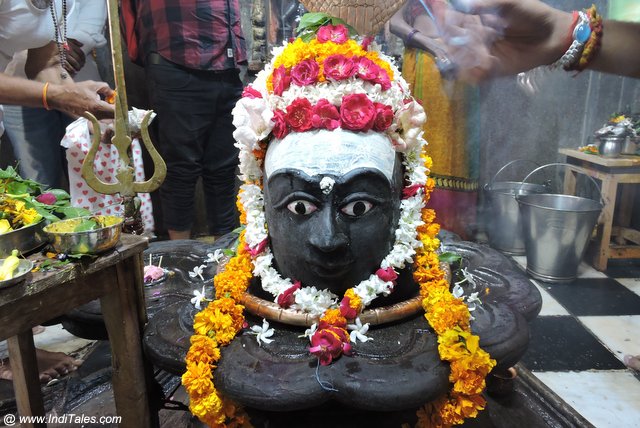
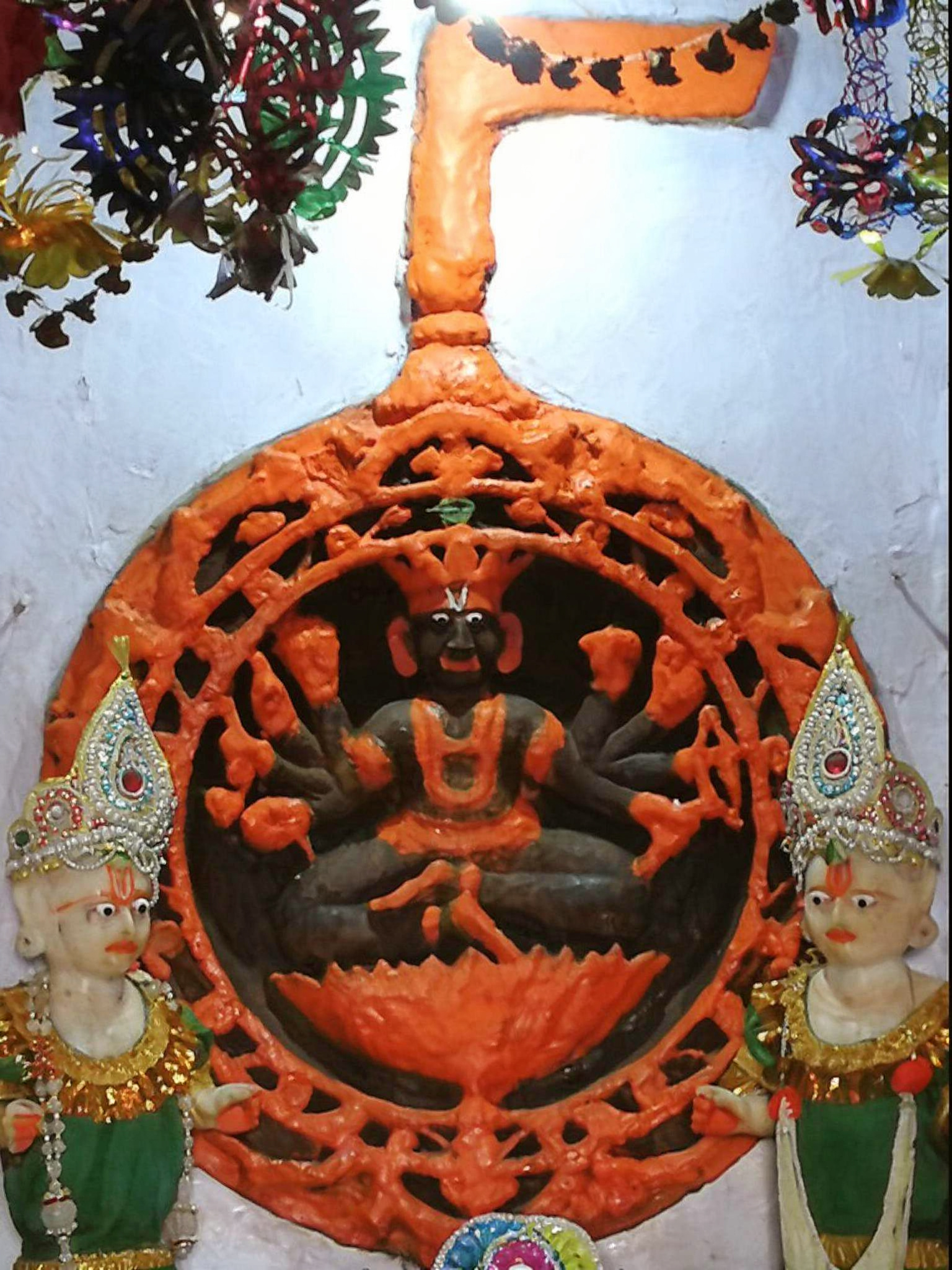
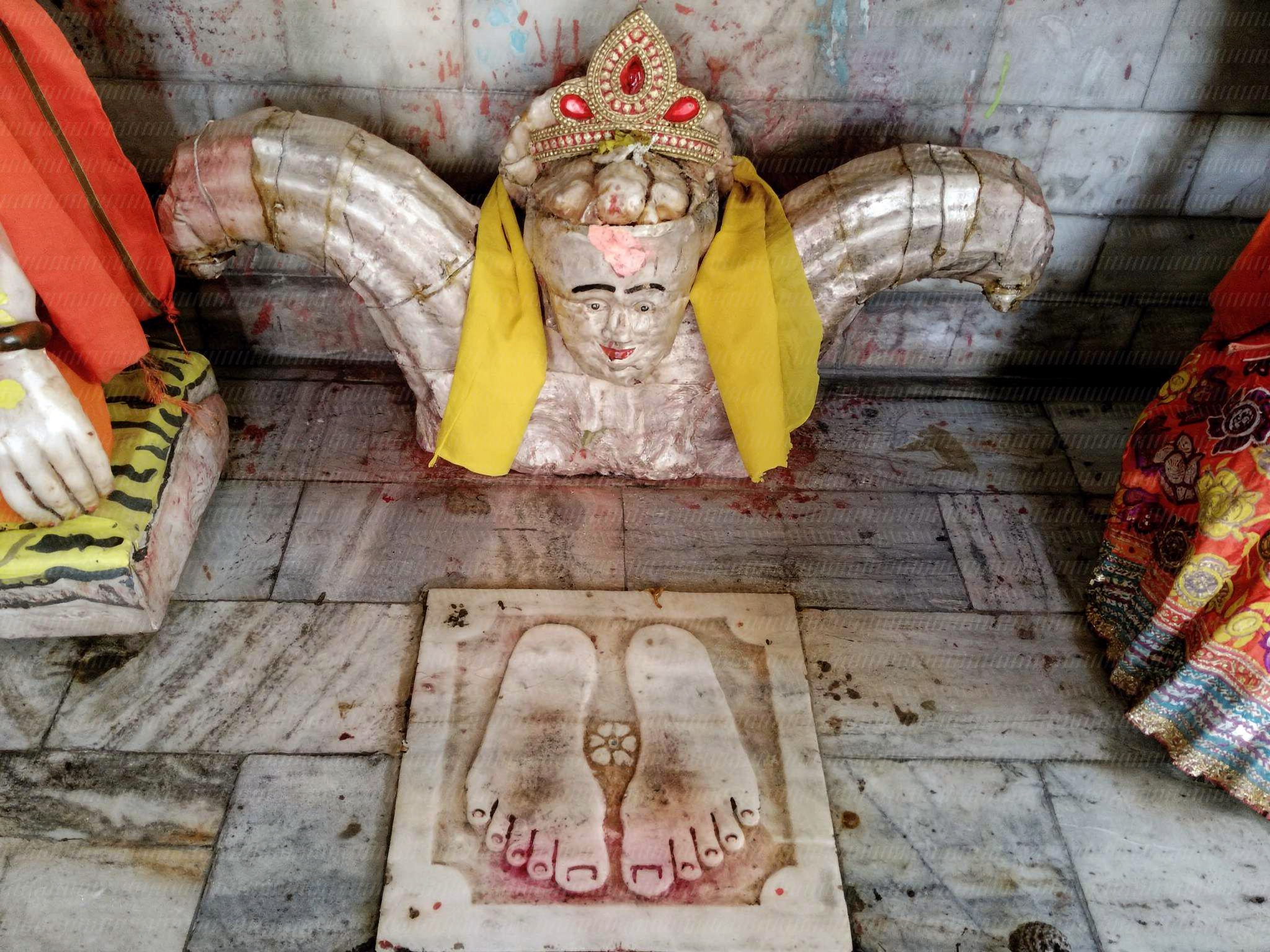
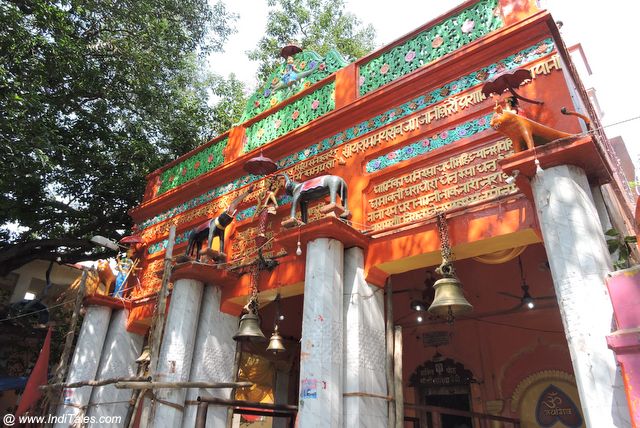
Shri Badri Narayan Dham, Naimisharanya (Sitapur)
The Vishnu mandir linked to Naimisharanya kshetra.
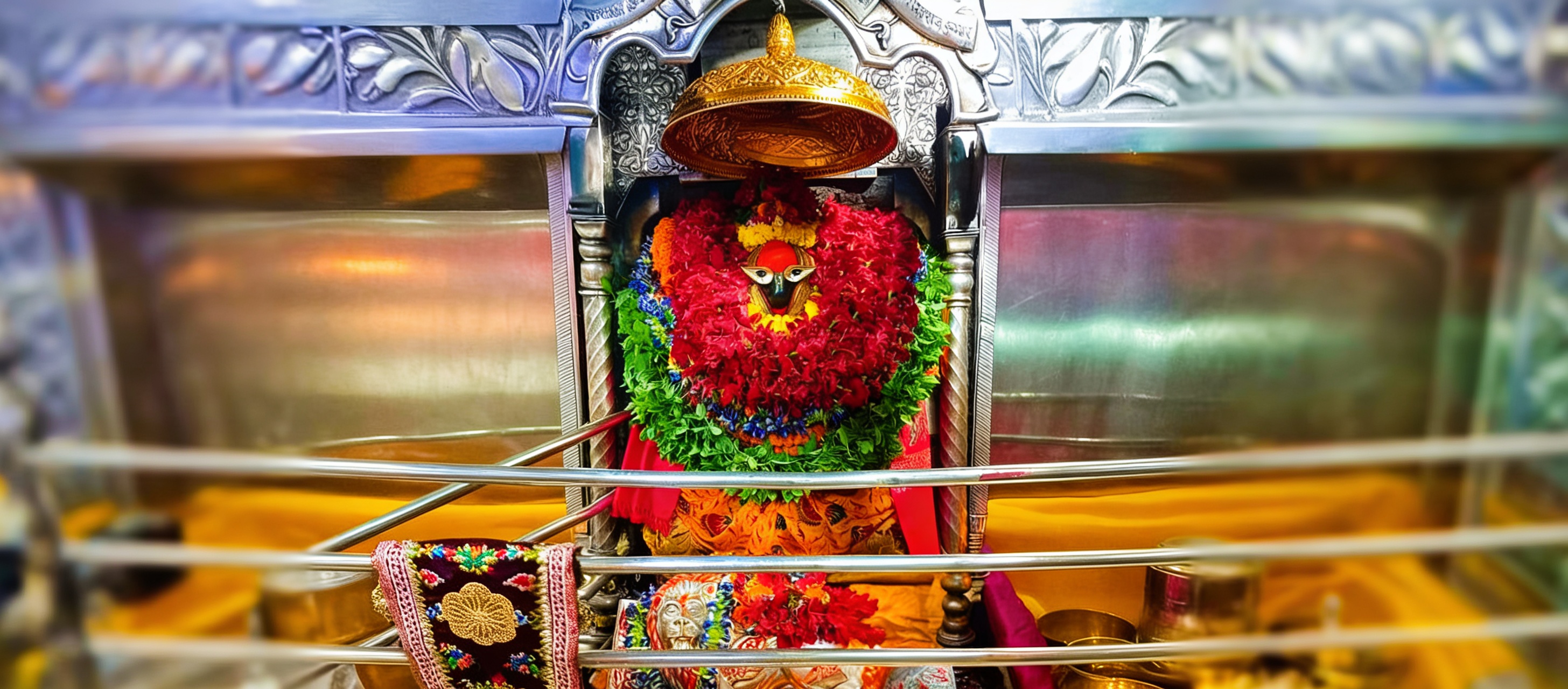
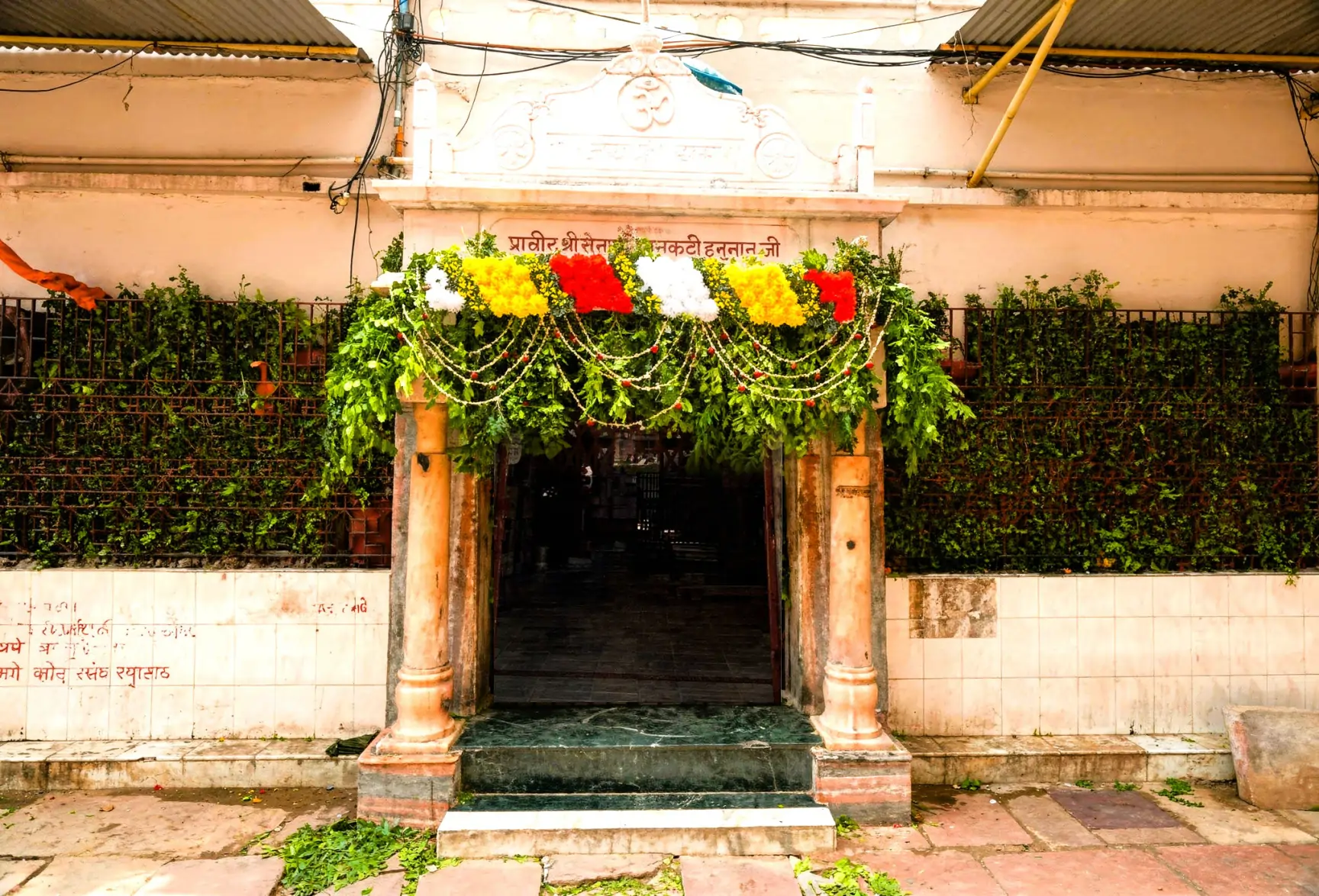
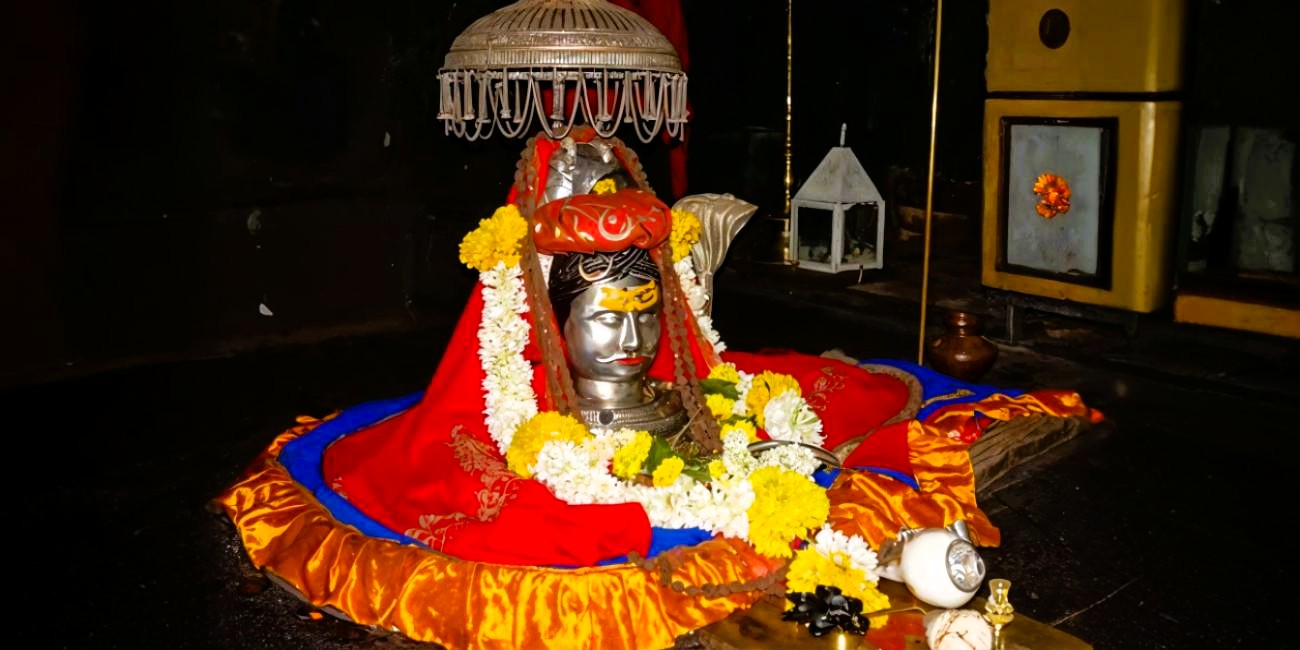
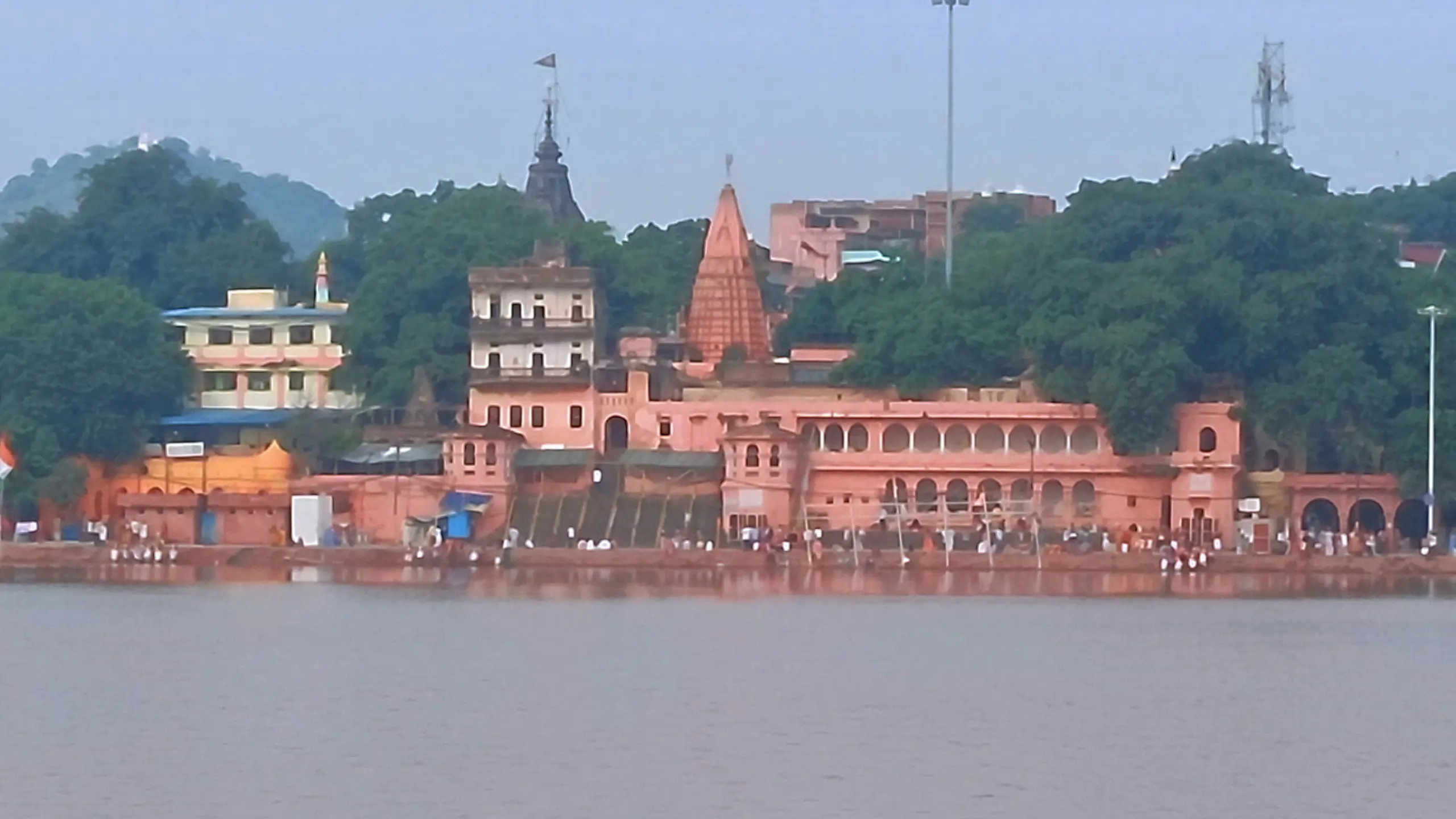
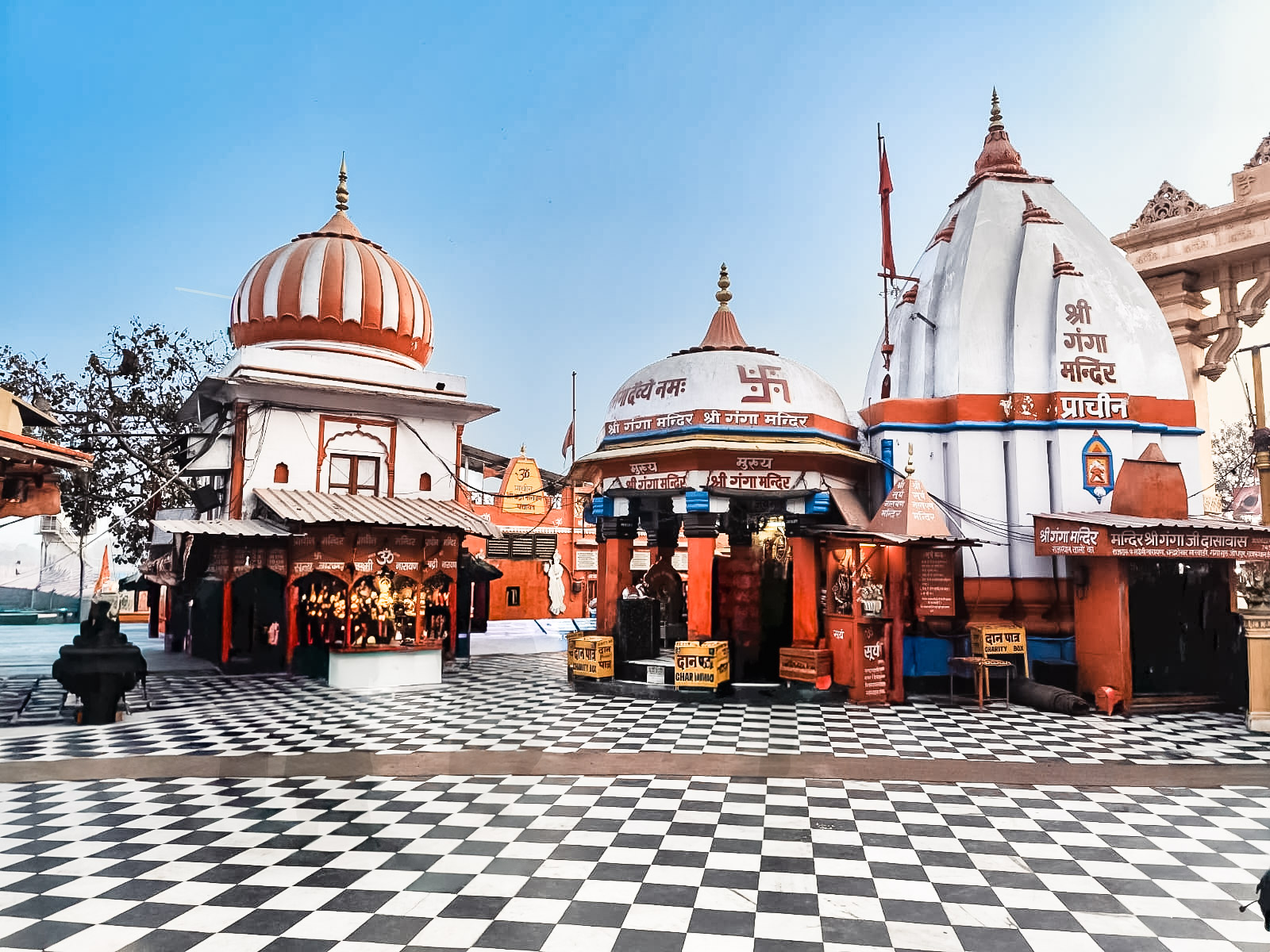
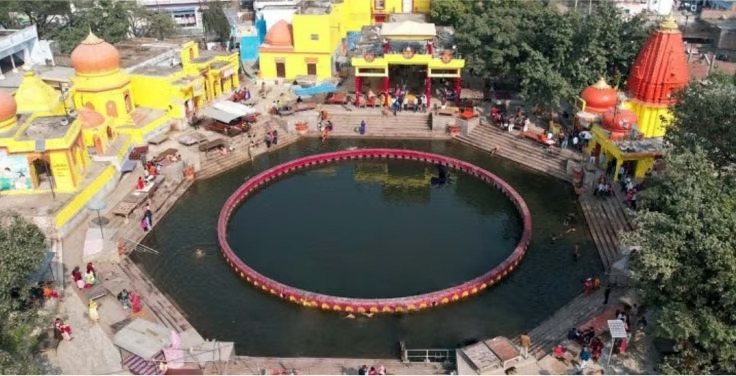
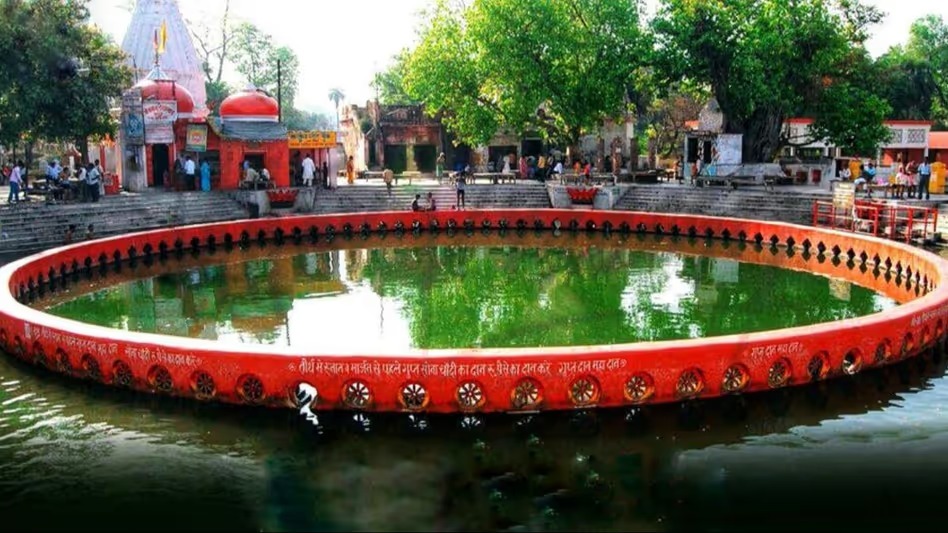
Shri Badri Narayan Dham in Naimisharanya is an important Vishnu temple closely linked with rituals related to honoring ancestors. Located near the sacred Chakra Tirth, the temple is widely visited by families who come here to perform pind daan, shraddh, and pitra-related pujas as part of their traditional duties. The temple is especially well known across Uttar Pradesh and neighbouring regions for these rituals. Pilgrims usually begin their visit with a snan at Chakra Tirth and then proceed to Badri Narayan Dham for worship. Over time, the temple has become a familiar and trusted place for families returning generation after generation to complete rites in a proper and organised setting.
Naimisharanya is mentioned in several Puranic texts as an ancient forest where sages gathered for long periods of study and narration of sacred knowledge. It is traditionally associated with Rishi Shaunak and the teachings delivered by Suta Goswami, where Lord Vishnu is described as the one who protects dharma. The presence of Badri Narayan at this site reflects this long-standing Vaishnava association. While the temple structure has been maintained and rebuilt over time to support pilgrims, the religious role of the site has remained as a place connected with Vishnu worship and ancestral rites within the larger sacred landscape of Naimisharanya.
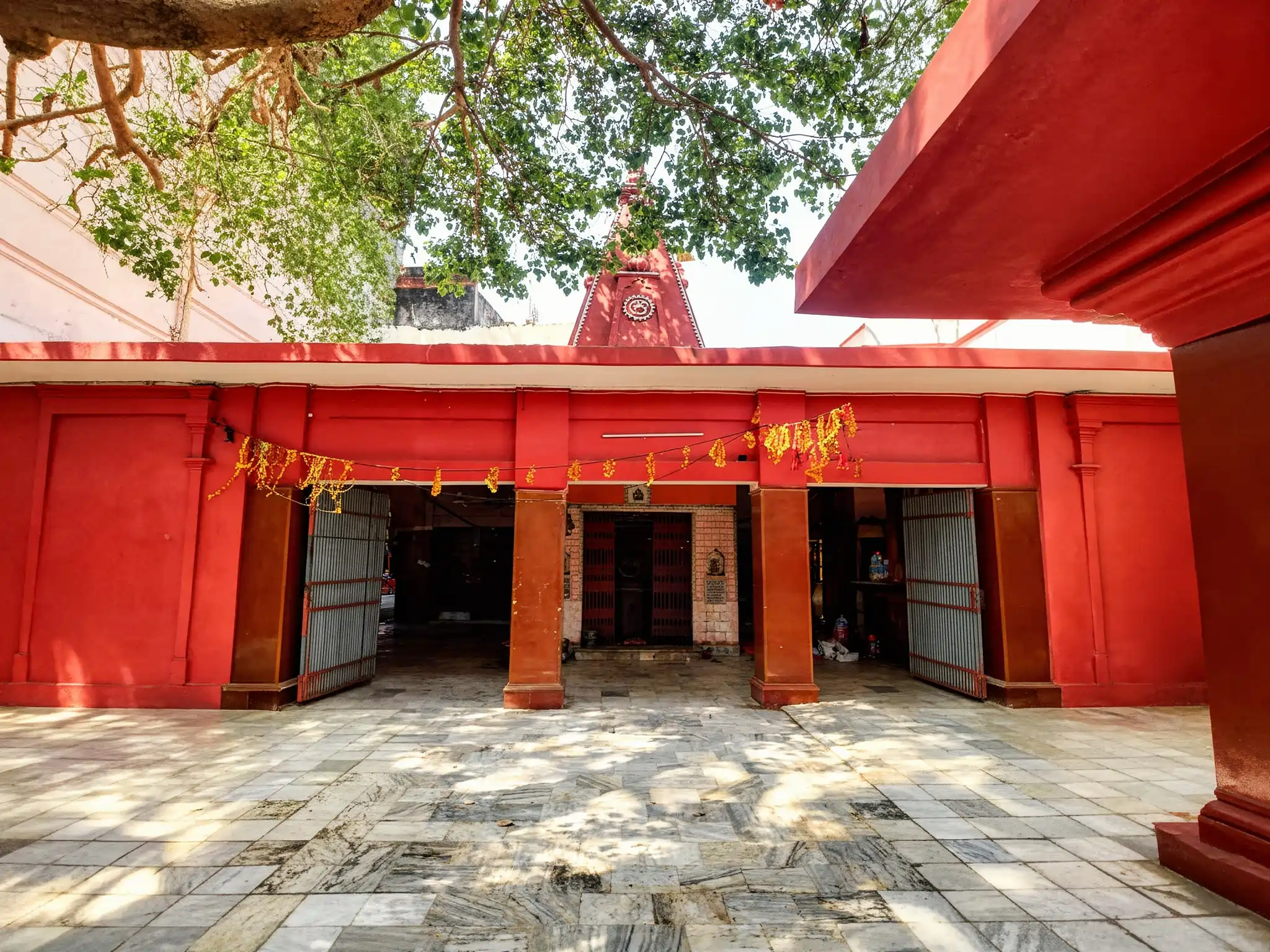
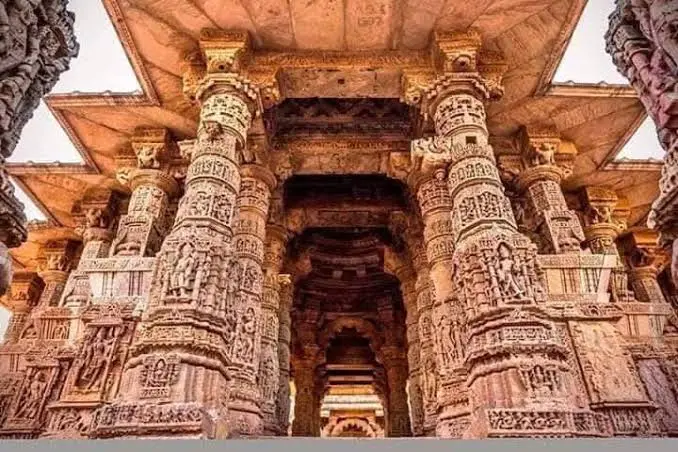
Naimisharanya is recognised in tradition as Nabhi Gaya, a sacred zone believed to hold special importance for ancestral worship. Because of this belief, Badri Narayan Dham is considered a suitable place for addressing pitra dosh, offering Shraadh, and performing rituals meant for ancestral peace. Many devotees are guided here by family Panditjis or elders based on long-followed custom. The temple follows a simple North Indian architectural style. A clearly visible shikhara marks the garbhagriha, while open mandaps around the temple allow multiple families to sit comfortably during rituals. The layout is designed to support group ceremonies. Its closeness to Chakra Tirth allows pilgrims to move easily between the pavitr snaan (holy bath) and temple worship.
Visits are best planned for the morning hours, especially when performing pind daan or shraddh, as rituals traditionally take place before noon after a snan at Chakra Tirth. Local pandits usually guide pilgrims through the process step by step. Footfall increases significantly during Pitru Paksha, when the town sees devotees from across the state. Modest clothing is advised, and visitors should be prepared to sit through rituals that may take time. This is a temple people come to for specific religious purposes.
daily
Darshan Timings
5:00 AM
Pitra Dosha Shanti Puja
Ancestral Peace, Generational Prosperity
Pind Daan Seva
A Sacred Offering for Moksha
Brahmin Seva Tirth Chakra Snan
Purification Through Sacred Waters
Satyanarayan Puja - Katha
For family harmony, steady progress, and peaceful beginnings.
Vishnu Sahasra Path
For mental calm, protection, and steady inner strength.
Chakra Puja
Protection Through Divine Energy
Shrimadbhagwat Paath
Divine Wisdom, Eternal Truth