Shri Adi Bhairav Mandir, Varanasi
Where the original form of Bhairav is worshipped.
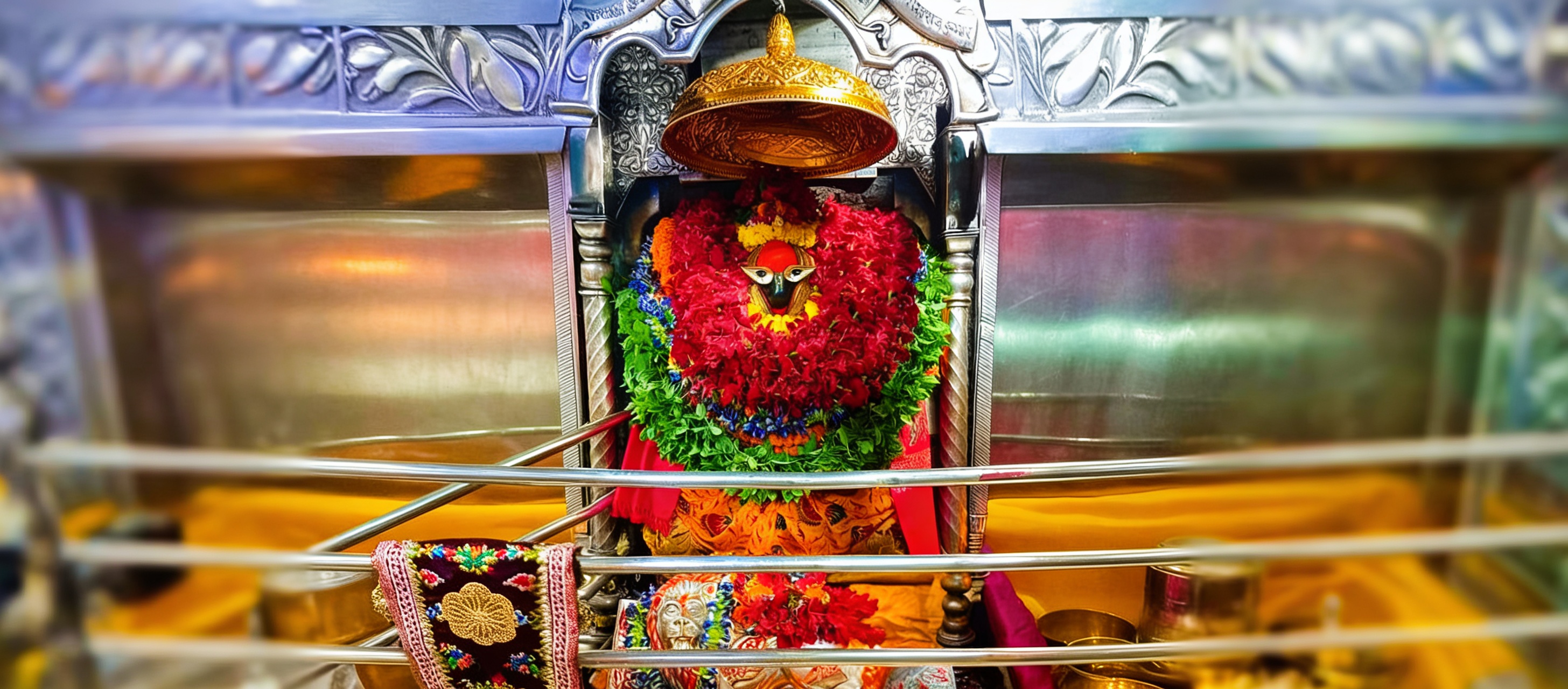
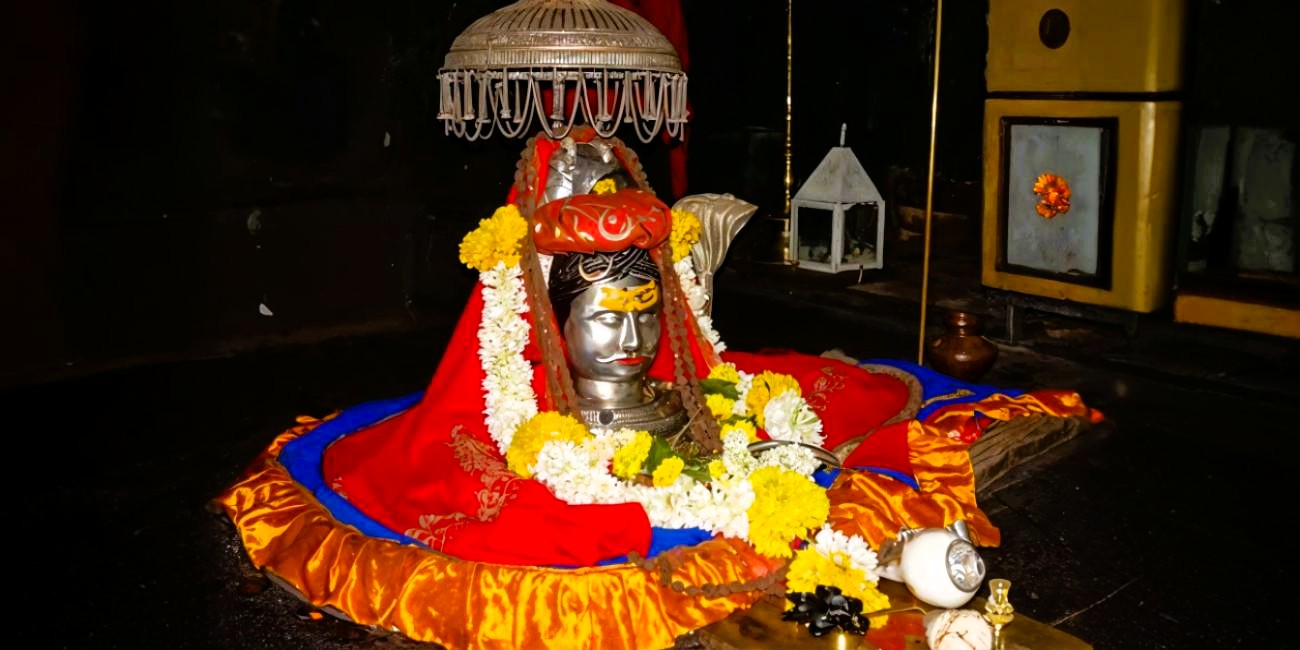
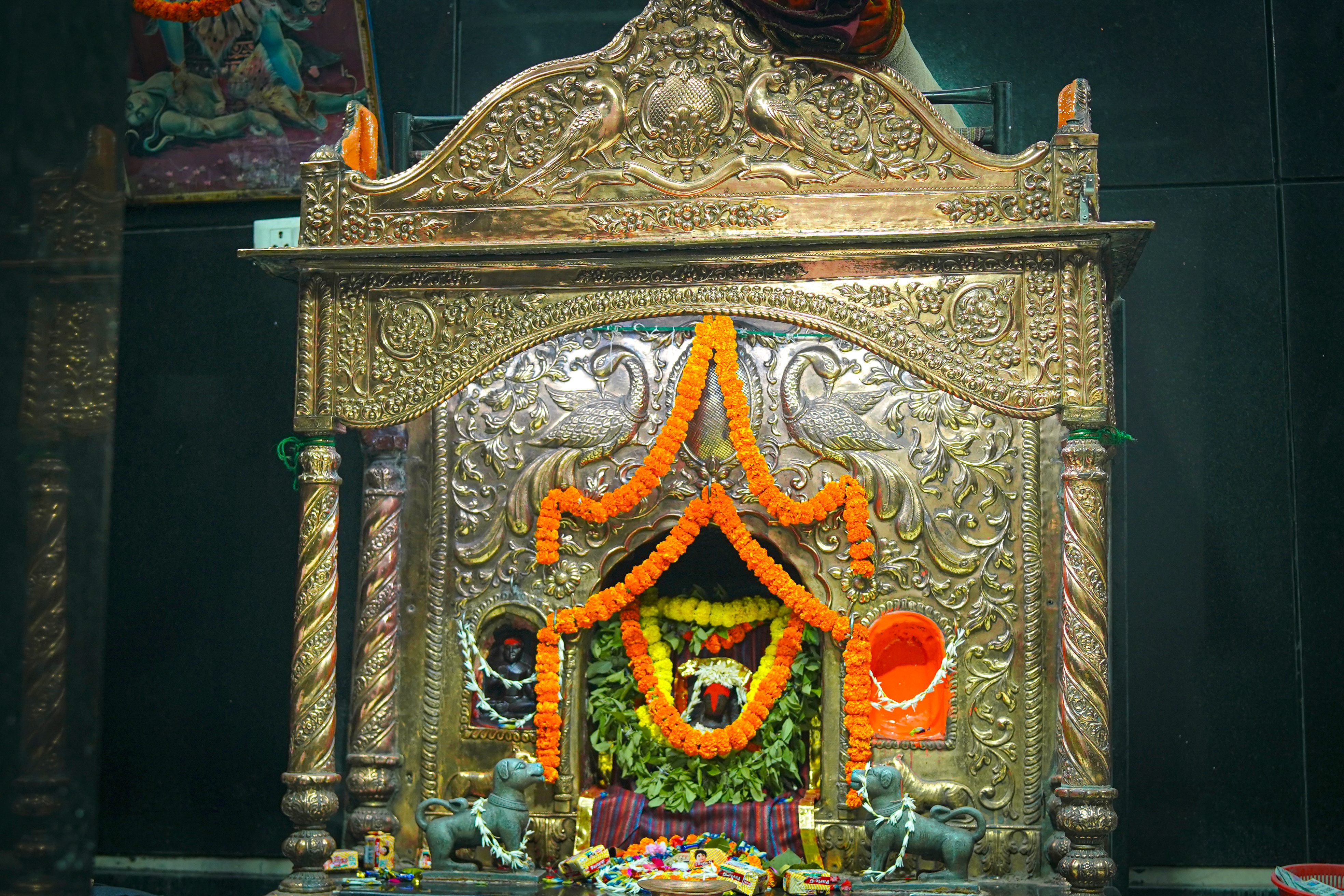
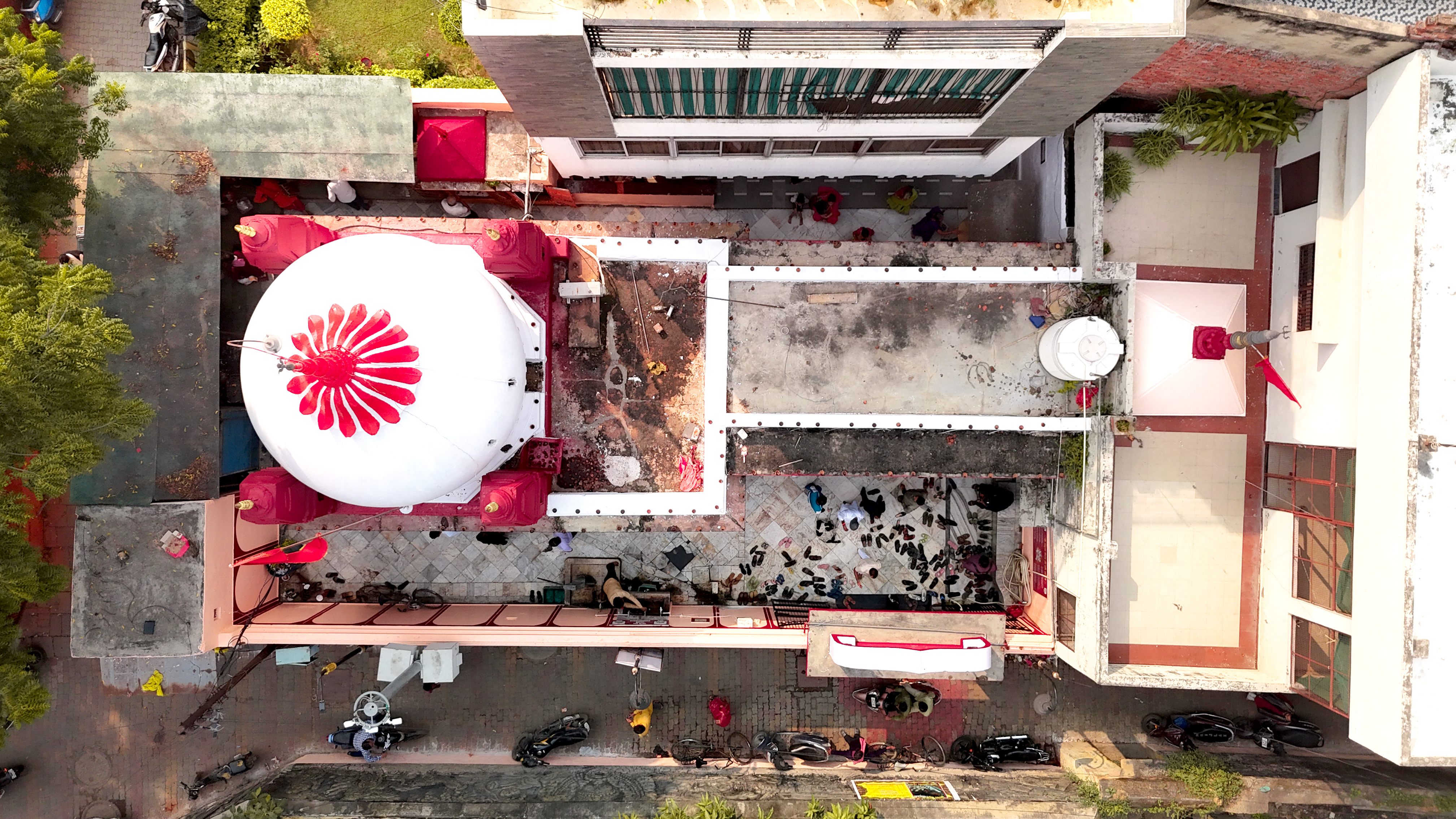
Shri Adi Bhairav Mandir is located in Kamachha, Varanasi, inside the larger Kamachha temple area. This mandir is dedicated to Adi Bhairav, worshipped as the original form of Bhairav, before the other known forms like Batuk Bhairav or Krodhan Bhairav. The murti of Adi Bhairav here has a silver-covered face and is worshipped mainly through mantra and traditional Bhairav rituals. This mandir is visited by devotees who are dealing with Rahu–Ketu dosha, Kaal Sarp Yoga, repeated blockages, or fear-related issues. Adi Bhairav Mandir is part of a spiritually dense area that also includes Kamakhya Devi, Pratyangira Devi, and Ghrishneshwar Mahadev. Each of these mandirs has a separate space and separate method of worship.
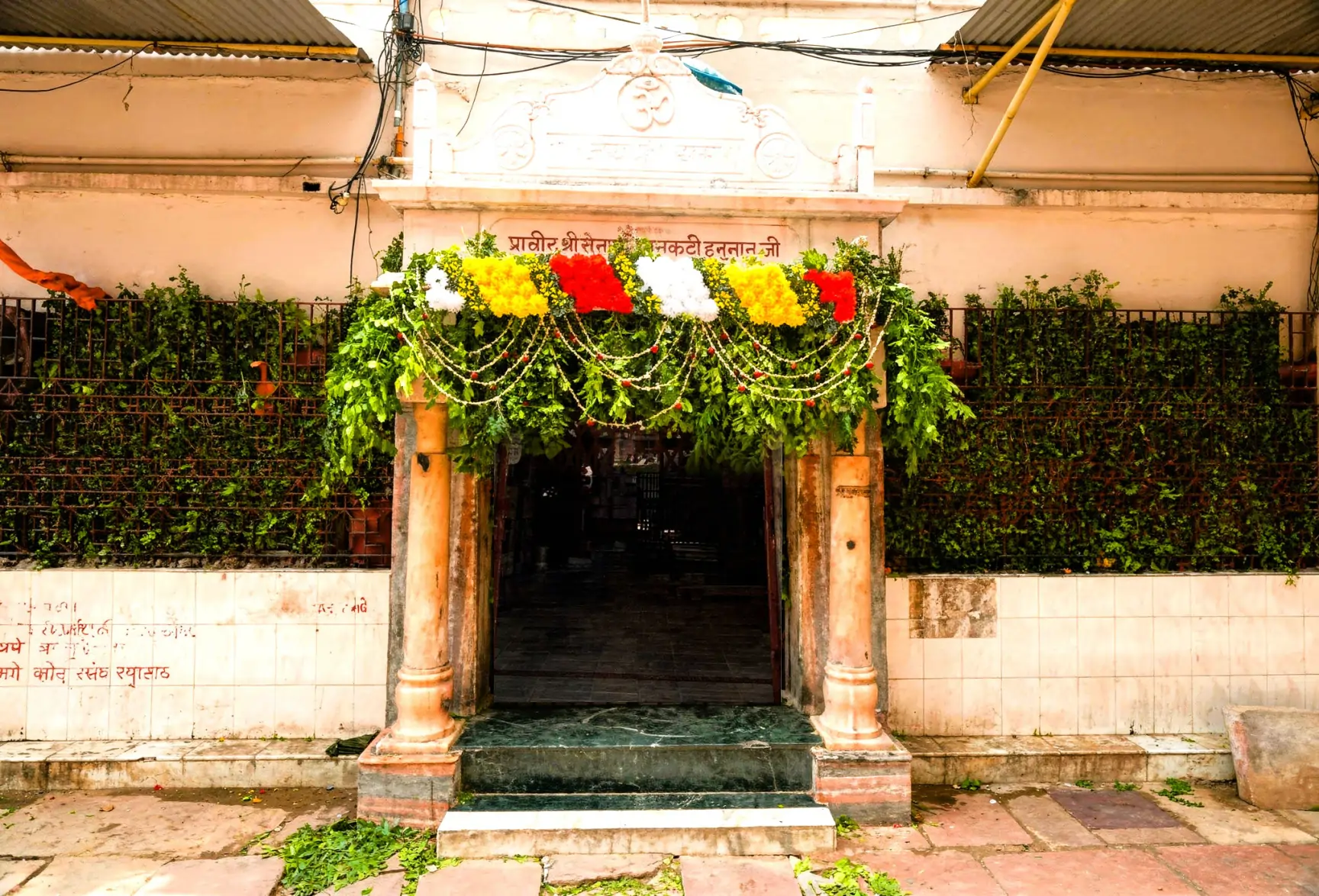
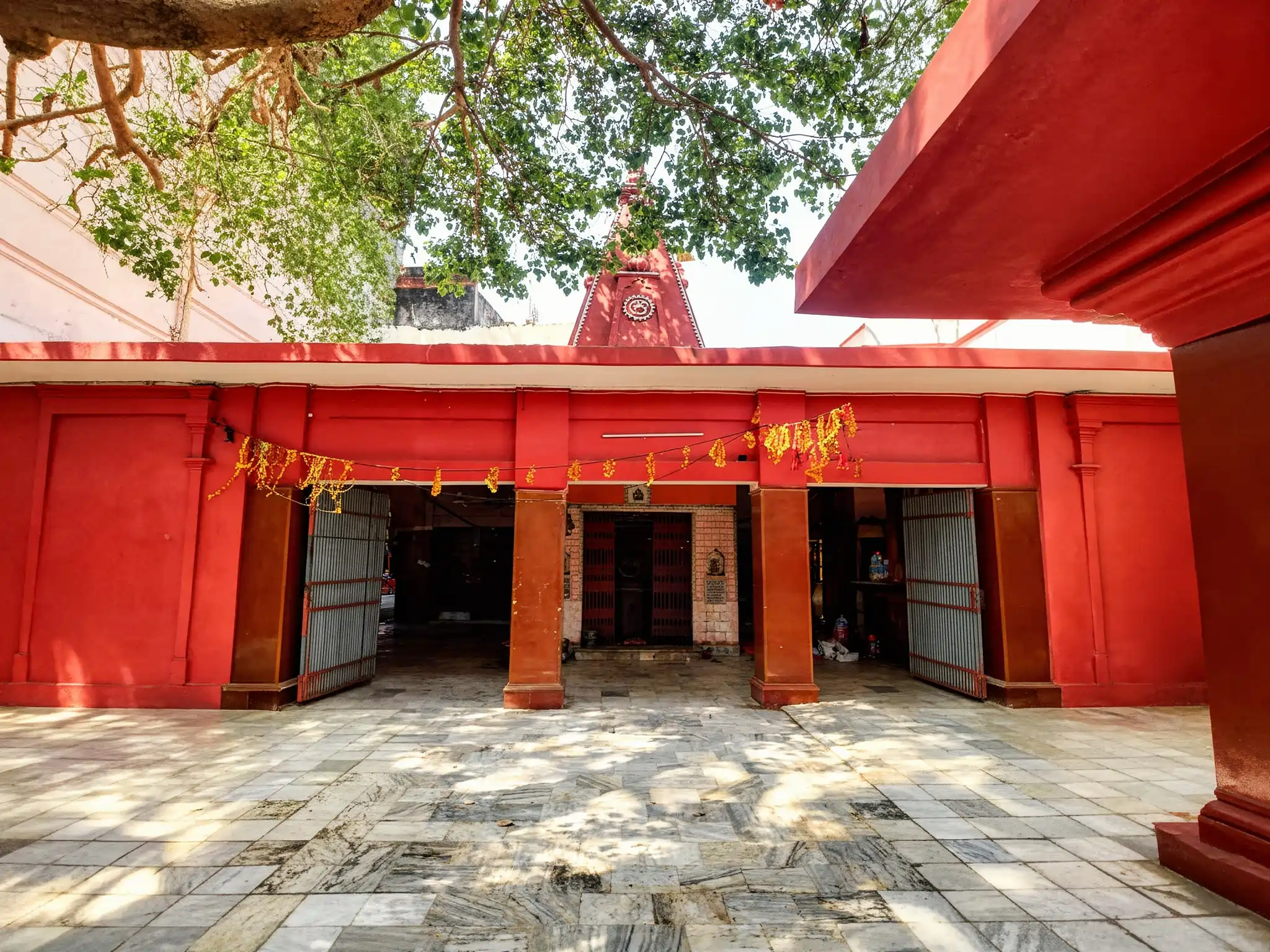
The word “Adi” means first. Adi Bhairav is understood as the earliest form of Bhairav, from which other Bhairav forms later emerged. This mandir is especially known for Rahu–Ketu related remedies. People come here when astrology charts show Kaal Sarp Yoga, sudden reversals, unexplained delays, or repeated failures despite effort. Worship is focused on calming these forces rather than asking for material gains. The mandir structure is small and simple. The garbhagriha is compact, with very little decoration. The focus remains on the murti and the ritual space. There are no large halls or grand entrances. The setting is quiet, inward, and meant for short but focused darshan.
The story of Adi Bhairav comes from the Shiva Purana, where Bhairav first appears after Shiva intervenes in a dispute involving Brahma. This first manifestation is remembered as Adi Bhairav. According to tradition, Bhairav later came to Kashi, where his burden was released and where Shiva declared that Bhairav would remain as the protector of the city. Over time, different forms of Bhairav were established across Varanasi. The Adi Bhairav mandir in Kamachha is believed to mark this original presence, distinct from the later forms. While exact construction dates are not recorded, temple traditions and priestly lineages suggest that worship here has continued for several centuries, especially among tantric practitioners. Renovations happened during the Maratha period, but the inner worship space has remained unchanged.
Adi Bhairav Mandir can be reached easily by auto or rickshaw to Kamachha. Most people ask for Kamakhya Devi Mandir, and from there walk a short distance inside the complex. Darshan usually happens smoothly, as this mandir is less crowded than Kaal Bhairav near Vishwanath. Early mornings and evenings are preferred. Tuesdays and Amavasya see more visitors. Offerings are handled by the panditji, and silence is maintained near the garbhagriha. Many devotees combine this visit with Kamakhya Devi and Ghrishneshwar Mahadev on the same day.
daily
Navagraha Puja
For repeated obstacles, confusion, and life imbalance caused by planetary influence.
Kaal Sarp Puja - Rudrabhishek Silver Naag–Naagin
For repeated failures, fear without reason, and long-running life blocks.
12,50,000 Mahamrityunjay Jaap – 11 Brahmins 11 days
For health protection, fear reduction, and life-force strengthening.