
Shakiteepth Kalighat, Kolkata
Power, Devotion & Divine Mother
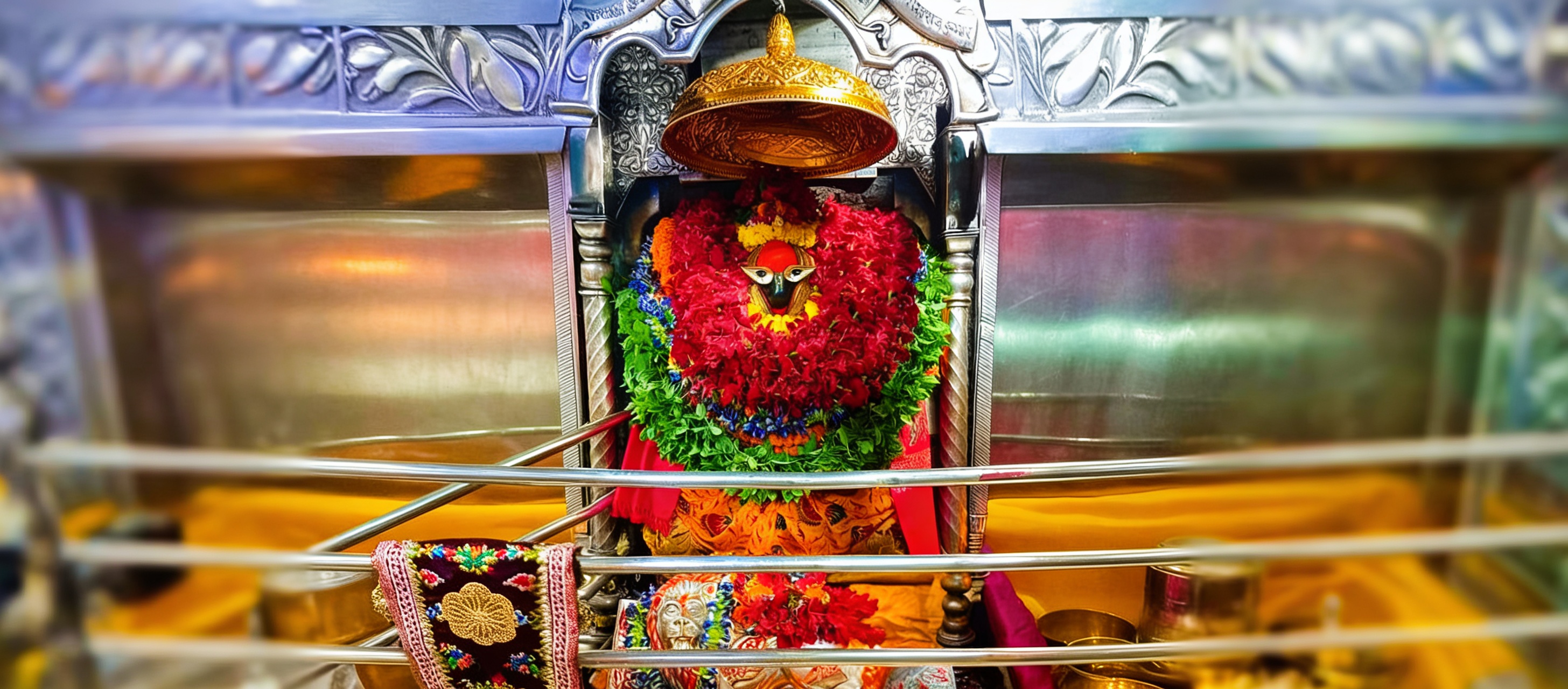
Kalighat Kali Temple is one of the most revered Shakti Peethas and an important pilgrimage destination dedicated to Goddess Kali, the fierce and powerful manifestation of the Divine Mother. Located in southern Kolkata beside the Adi Ganga, the temple attracts devotees seeking Maa Kali’s blessings, protection, inner strength, and spiritual transformation. The presiding deity is worshipped in a distinctive form featuring three eyes, four hands, a golden protruding tongue, and powerful symbolic attributes. Kalighat is deeply woven into Kolkata’s spiritual and cultural identity, with major festivals such as Kali Puja drawing exceptionally large gatherings. The temple’s intense devotional atmosphere, sacred rituals, and centuries-old traditions make it a significant destination for devotees and pilgrims from across India.
The sacred association of Kalighat is traditionally considered much older than the present structure. References to Kalighat are found in Bengali literary traditions, while legends connect the site with the discovery of a sacred representation of Sati and the worship of Goddess Kali. Historical accounts associate earlier temple structures with Raja Basanta Roy, while the present temple is generally associated with the early 19th century and was completed around 1809 under the patronage of the Sabarna Roy Chowdhury family of Barisha. Over time, Kalighat developed into one of Bengal’s most important centres of Shakti worship. The temple was historically connected with the Adi Ganga, an ancient channel of the Ganges, which contributed to the site’s importance for pilgrims and travellers. Today, Kalighat remains a living centre of worship where ancient traditions continue alongside modern Kolkata.
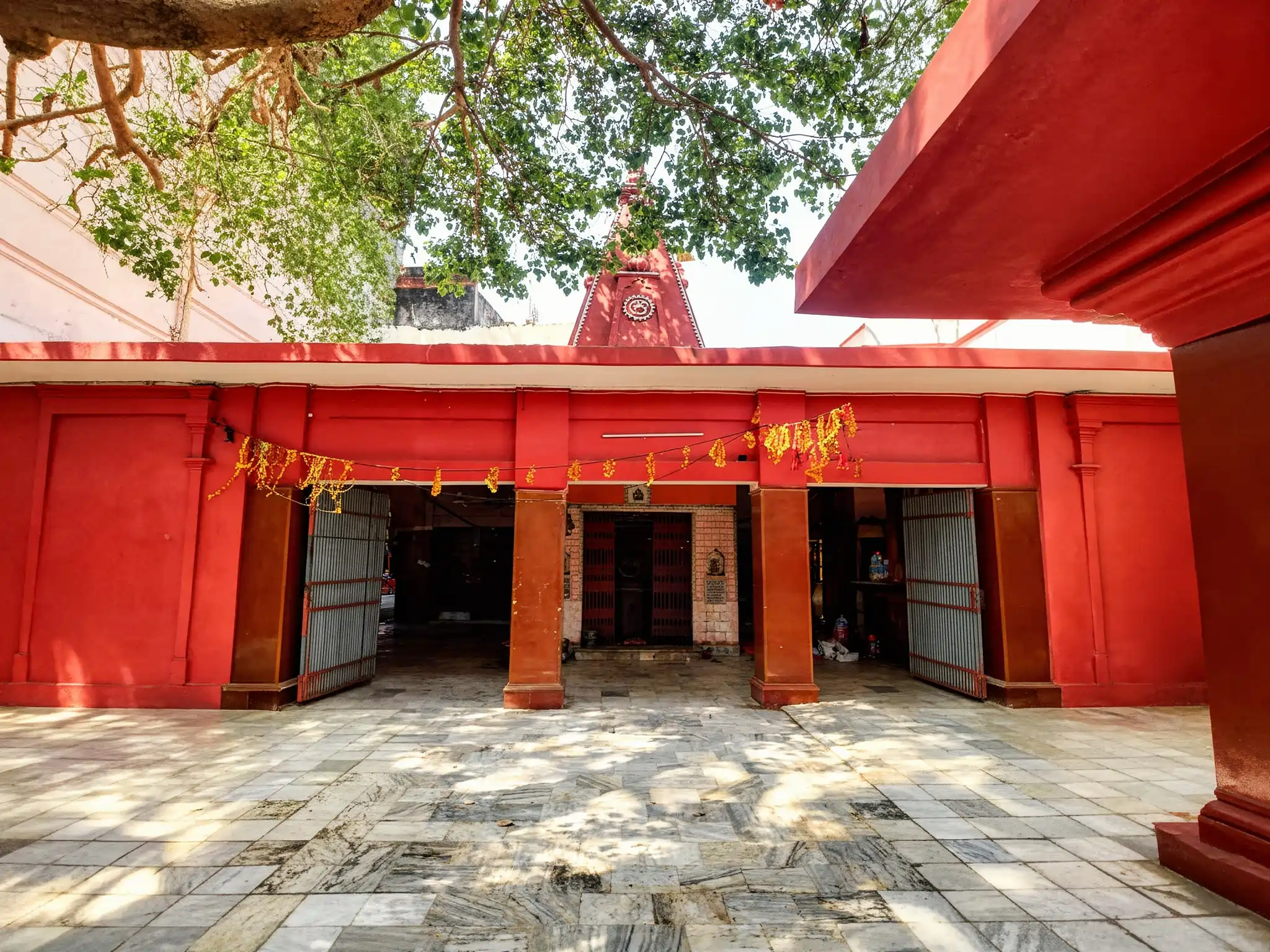
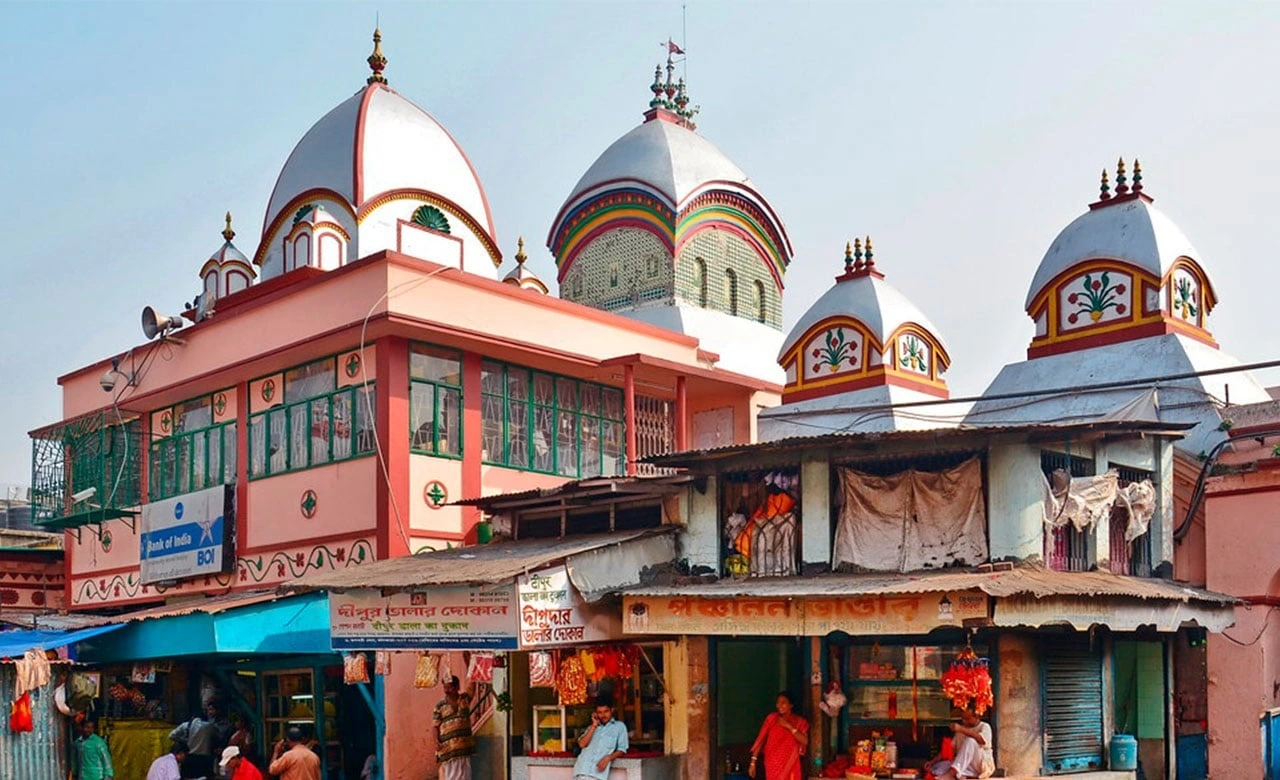
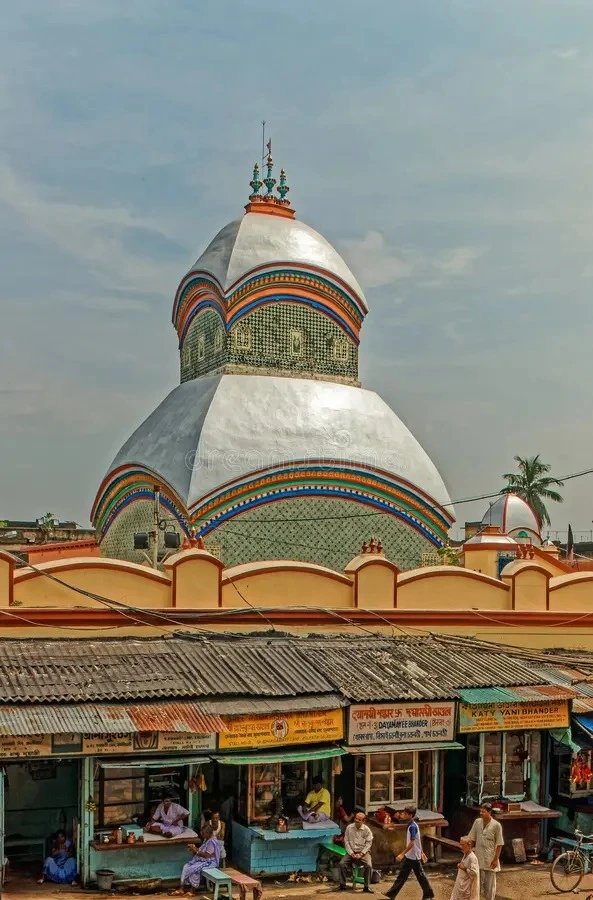
Kalighat is traditionally regarded as a Shakti Peetha, where a part of Goddess Sati is believed to have fallen during Lord Shiva’s cosmic dance. According to the widely followed tradition associated with the temple, Sati’s right toe fell at this sacred site. The present temple reflects the distinctive Bengal Chala architectural style, characteristic of traditional Bengali temple construction. Its sanctum houses the powerful image of Maa Kali, while the temple complex includes the Natmandir, Jor Bangla, Sosthi Tala, Harkath Tala, a Radha-Krishna shrine, and the nearby Nakuleshwar Mahadev Temple. The Natmandir provides devotees with a space from which the sacred rituals can be observed. The temple’s architecture is relatively compact compared with many monumental Indian temples, but its spiritual significance and intricate ritual traditions give the complex an extraordinary sacred presence.
A visit to Kalighat is best approached as a spiritual pilgrimage rather than simply a sightseeing experience. Devotees can begin their yatra with a darshan of Maa Kali and spend time absorbing the powerful atmosphere of the sanctum and surrounding temple complex. The nearby Nakuleshwar Mahadev Temple can also be included as part of the pilgrimage. Kalighat is located in southern Kolkata and is well connected by road, metro, rail, and other local transport. Kalighat and Jatin Das Park are among the nearest metro stations, while Howrah and Sealdah are major railway connections. The temple is particularly vibrant during Kali Puja and other major Hindu festivals, when large numbers of devotees gather for darshan and worship. Visitors should allow extra time during festival periods and follow temple guidelines and local customs.