Shree Ram Janki Mandir, Rameshwar, Rajatalab, Varanasi
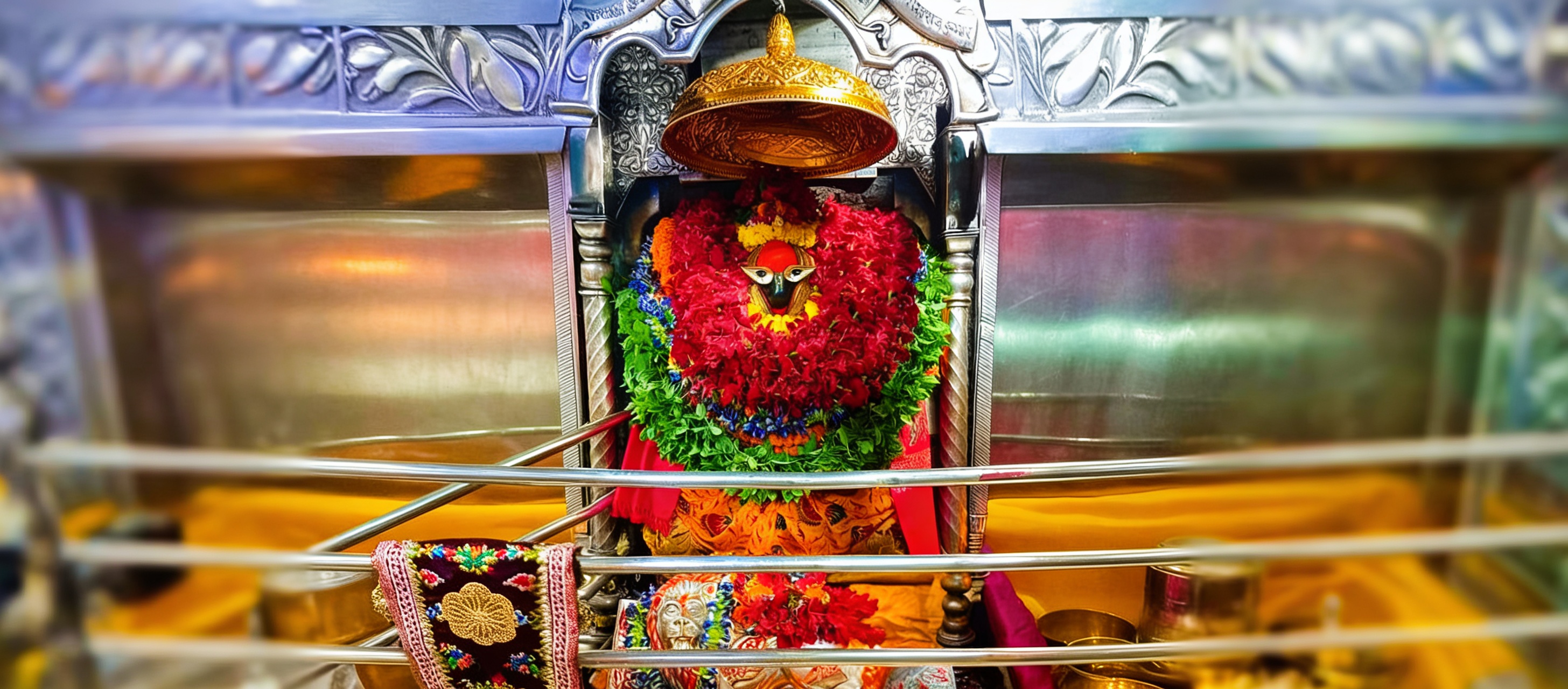
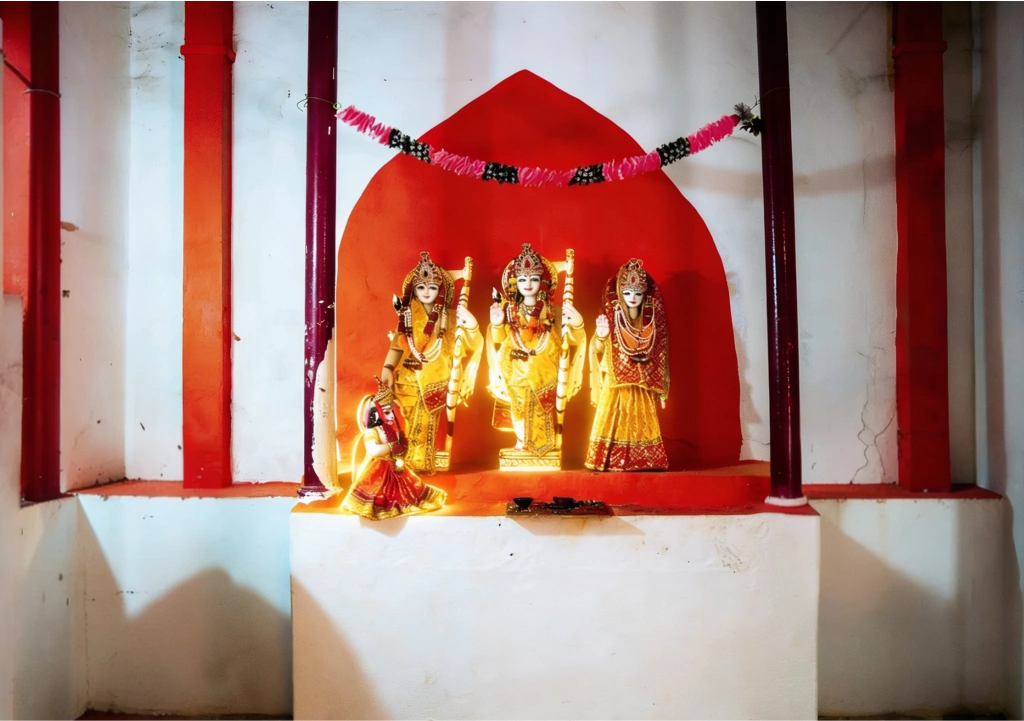
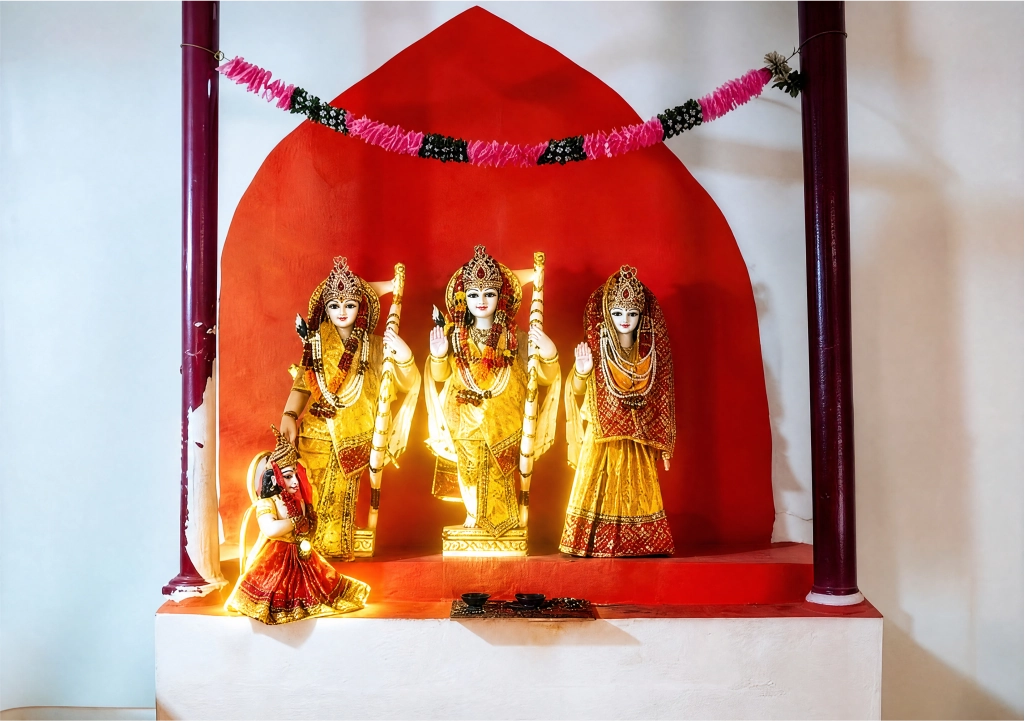
The mandir worshipping Shri Ram and Mata Sita together.
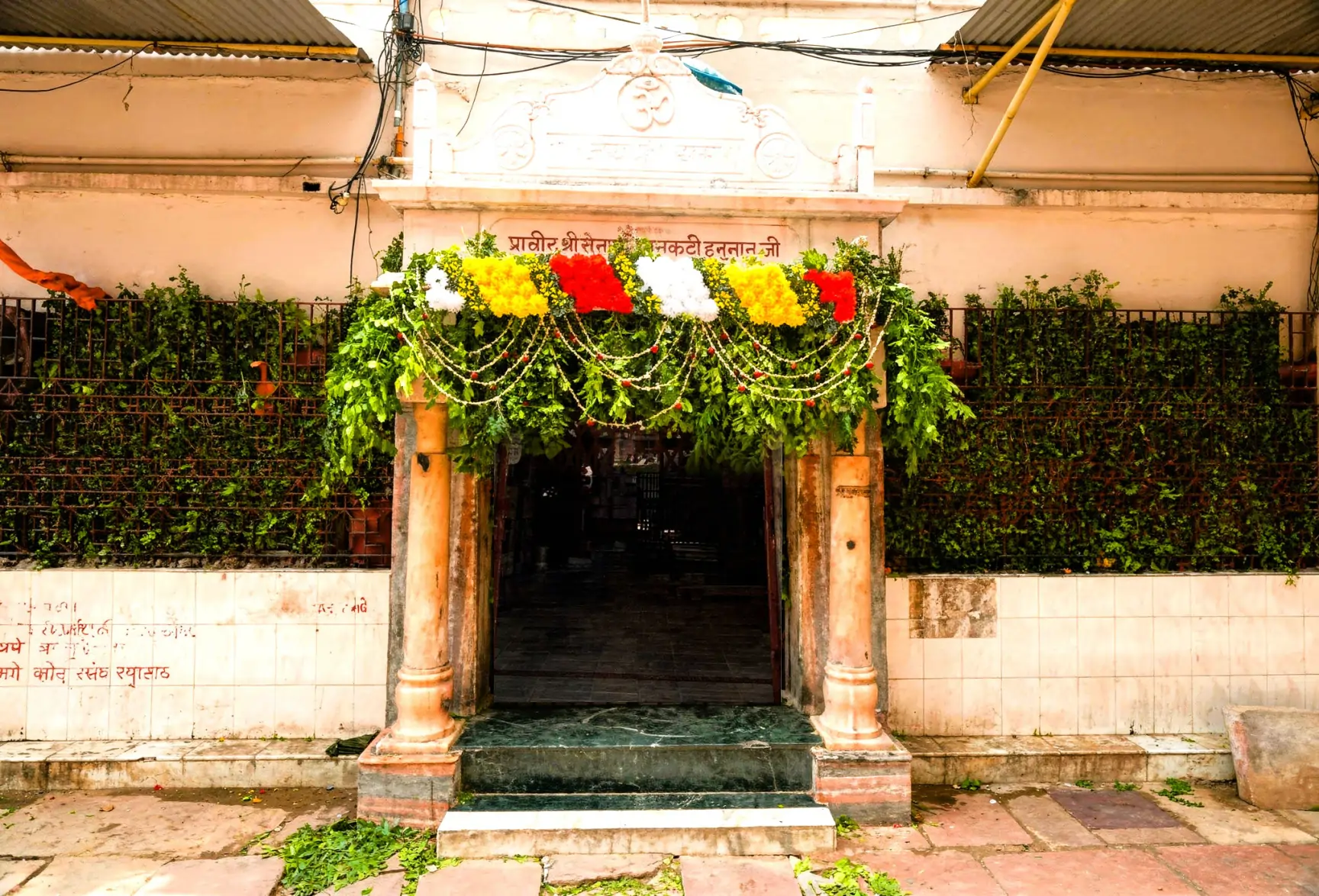
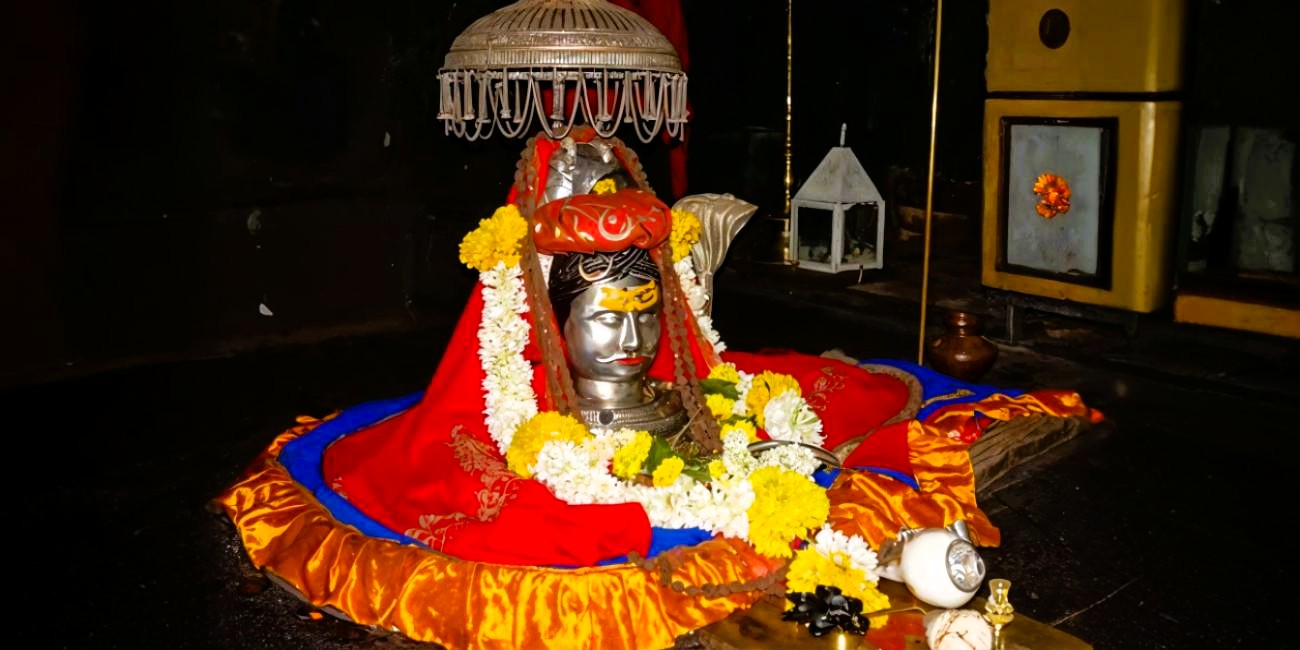
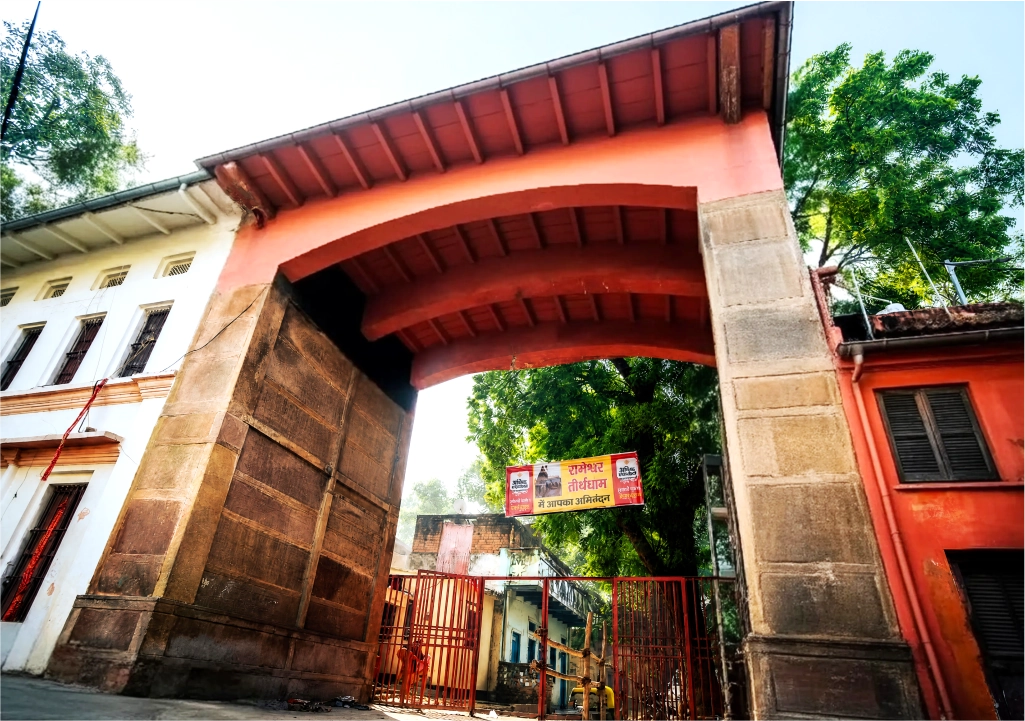
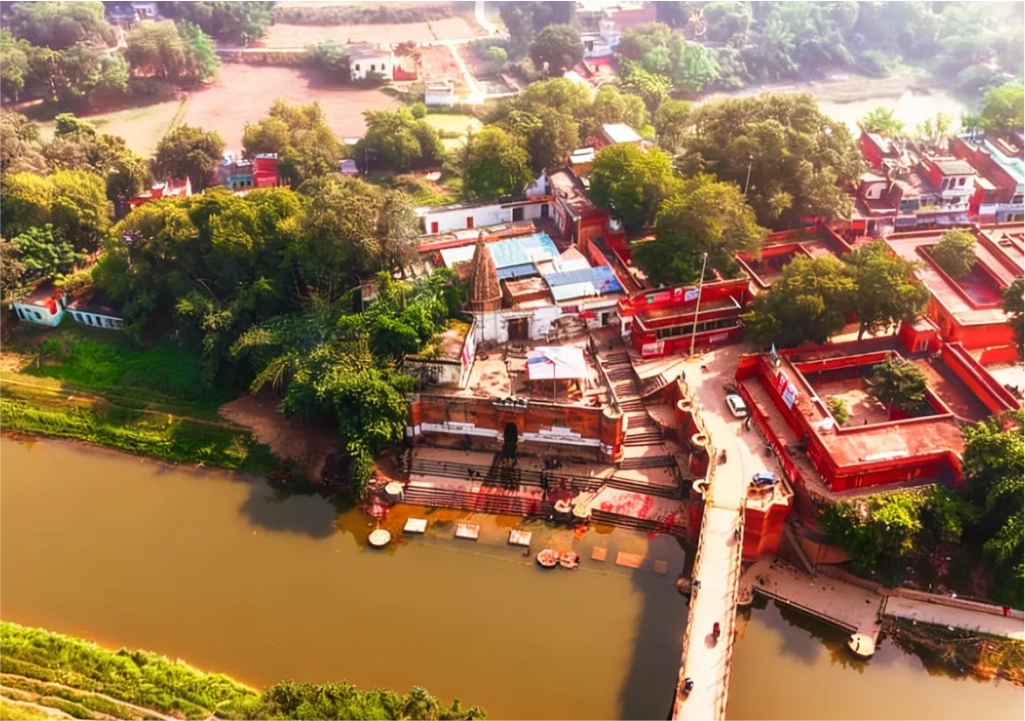
Located in Rameshwar village, Shree Ram Janki Mandir is a well-known place of worship for families living in and around this area of Varanasi. The mandir is dedicated to Lord Ram and Ma Sita, worshipped together as ideals of family life, responsibility, and living with honesty. Many devotees stop here while visiting nearby temples such as Rameshwar Mahadev and Tulja Bhavani, making it an important part of the local worship route. People come here to pray fo peace at home, the well-being of children, and guidance during important life decisions.
The mandir developed through devotion of the local people. Families in Rameshwar village established and maintained this place of worship to complement the nearby Shiva and Shakti temples. Over time, it became a centre for Ramayana-based worship, including regular readings, vows taken during key moments in family life, and prayers during festivals. Though the structure is simple, the mandir holds importance because worship practices have continued here across generations, with Ram worship forming an essential part of daily life.
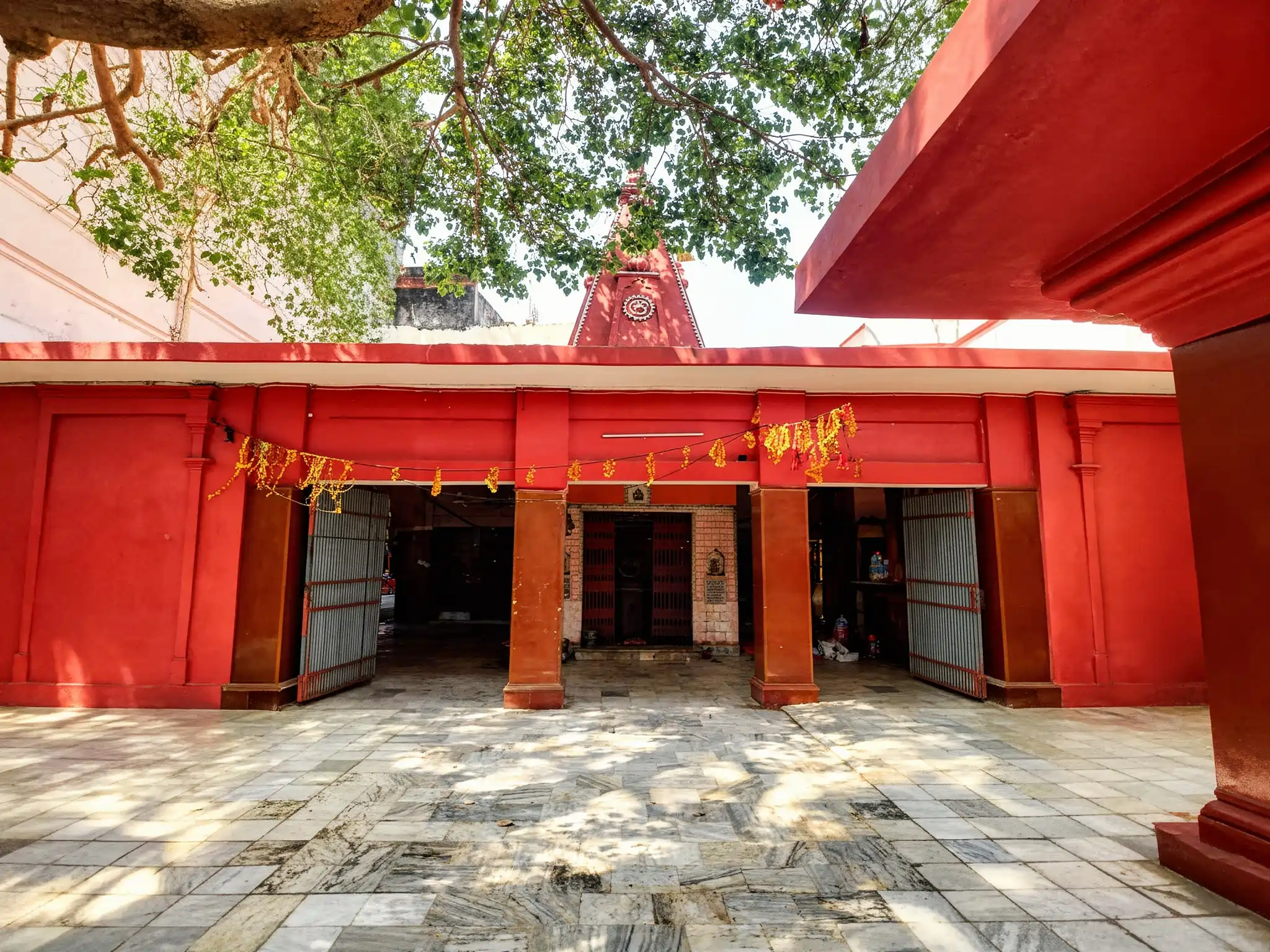
The mandir focuses on Ram and Sita as a married couple, representing mutual respect, duty, and balance in family life. Devotees believe that praying here helps in resolving family issues, strengthening relationships, and gaining clarity in important life choices Architecturally, the mandir follows a traditional temple style. The garbhagriha houses Ram, Sita, Lakshman, and often Hanuman. The structure is small and simple in size, with an open aangan and shaded areas where people gather for bhajans, Ramayana recitation, and group prayer. The layout supports collective worship rather than individual ritual performance.
Shree Ram Janki Mandir is located in Rameshwar village, close to Rameshwar Mahadev and Tulja Bhavani mandirs. It is easily accessible by road from Varanasi. Early mornings and late afternoons are preferred for darshan. Aarti and bhajans are performed regularly, especially on Ram Navami, Vivaha Panchami, Diwali, and Navratri. During these times, Ramcharitmanas readings and group prayer are common. The mandir is especially visited by families and elderly devotees who come seeking guidance in daily life and stability in household matters.
daily
Morning Aarti
5:30 AM
Evening Aarti
6:00 AM
Shri Ram Raksha Stotra Paath
For protection from fear, pressure, and unseen stress
Shri Ram Charit Manas Paath
For long-term peace, family stability, ancestral balance, and life direction
Shri Ram Darbar Shringar Pujan
For authority, leadership confidence, and financial stability