Makhauda Dham, Ayodhya
Sacred Birthplace of Divine Hope
Situated on the sacred banks of the Manorama River in Uttar Pradesh, Makhauda Dham is one of the most revered pilgrimage destinations associated with the Ramayana. Located in Basti district near Ayodhya, this ancient spiritual site is traditionally believed to be where King Dasharatha performed the sacred Putrakameshti Yajna to seek the blessings of progeny. The Dham holds immense religious significance as the place associated with the divine events preceding the birth of Lord Shri Ram and his three brothers, Bharata, Lakshmana, and Shatrughna. Surrounded by a peaceful rural landscape, Makhauda Dham attracts devotees seeking blessings for parenthood, family happiness, and spiritual well-being. The sacred site also serves as the traditional starting point of Ayodhya's renowned 84 Kosi Parikrama, making it an important destination for pilgrims following Lord Rama's spiritual legacy.
According to the Ramayana tradition, King Dasharatha of Ayodhya longed for an heir to continue the illustrious Suryavanshi dynasty. Following the advice of his royal guru, Sage Vashistha, he arranged the sacred Putrakameshti Yajna, conducted by Sage Rishyasringa. Local tradition identifies Makhauda Dham as the place where this momentous sacrifice occurred. It is believed that Lord Agni emerged from the sacrificial fire carrying a divine preparation known as Payasa, which King Dasharatha distributed among his queens, Kaushalya, Kaikeyi, and Sumitra. Through divine blessings, the queens subsequently gave birth to Lord Rama, Bharata, Lakshmana, and Shatrughna. Although the precise modern location is identified through regional religious tradition rather than definitive archaeological evidence, Makhauda Dham remains deeply revered as the sacred ground associated with the beginning of Lord Rama's earthly journey.
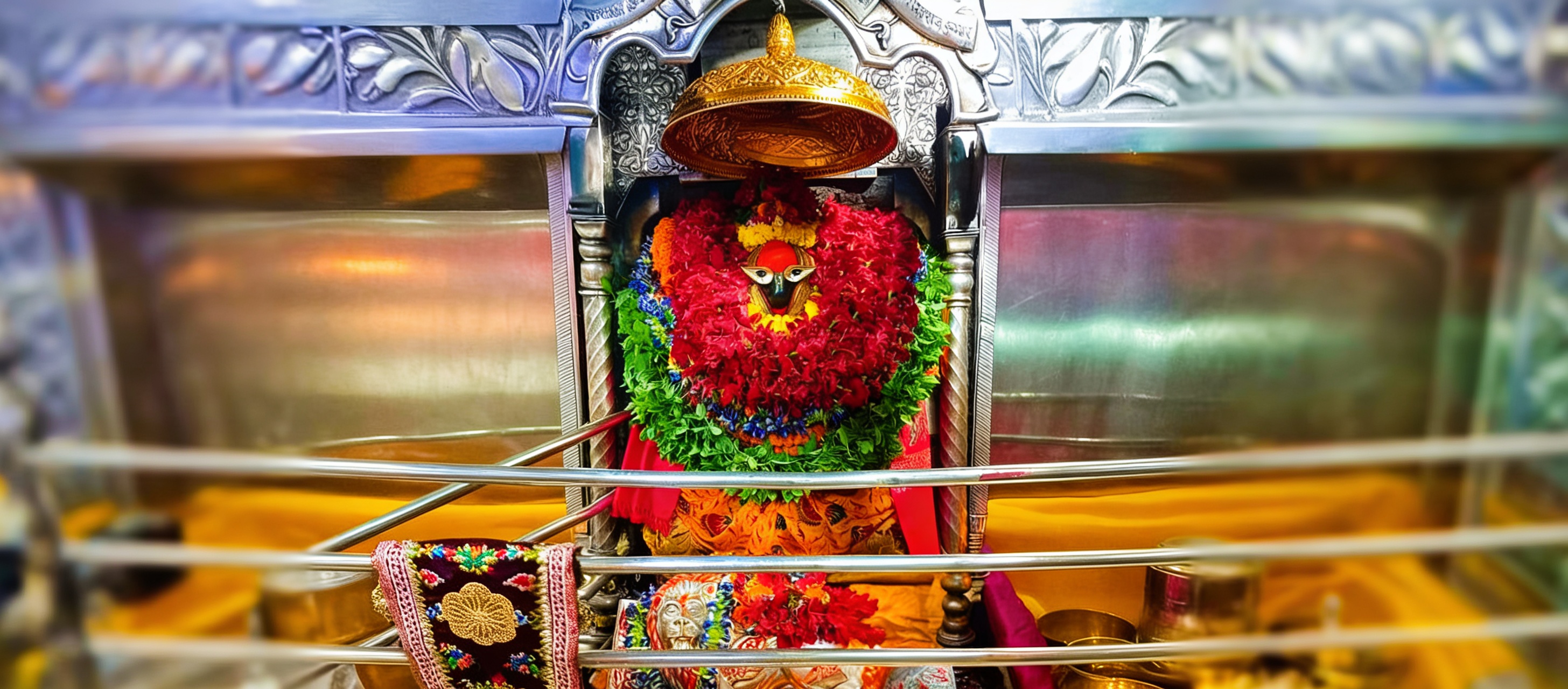
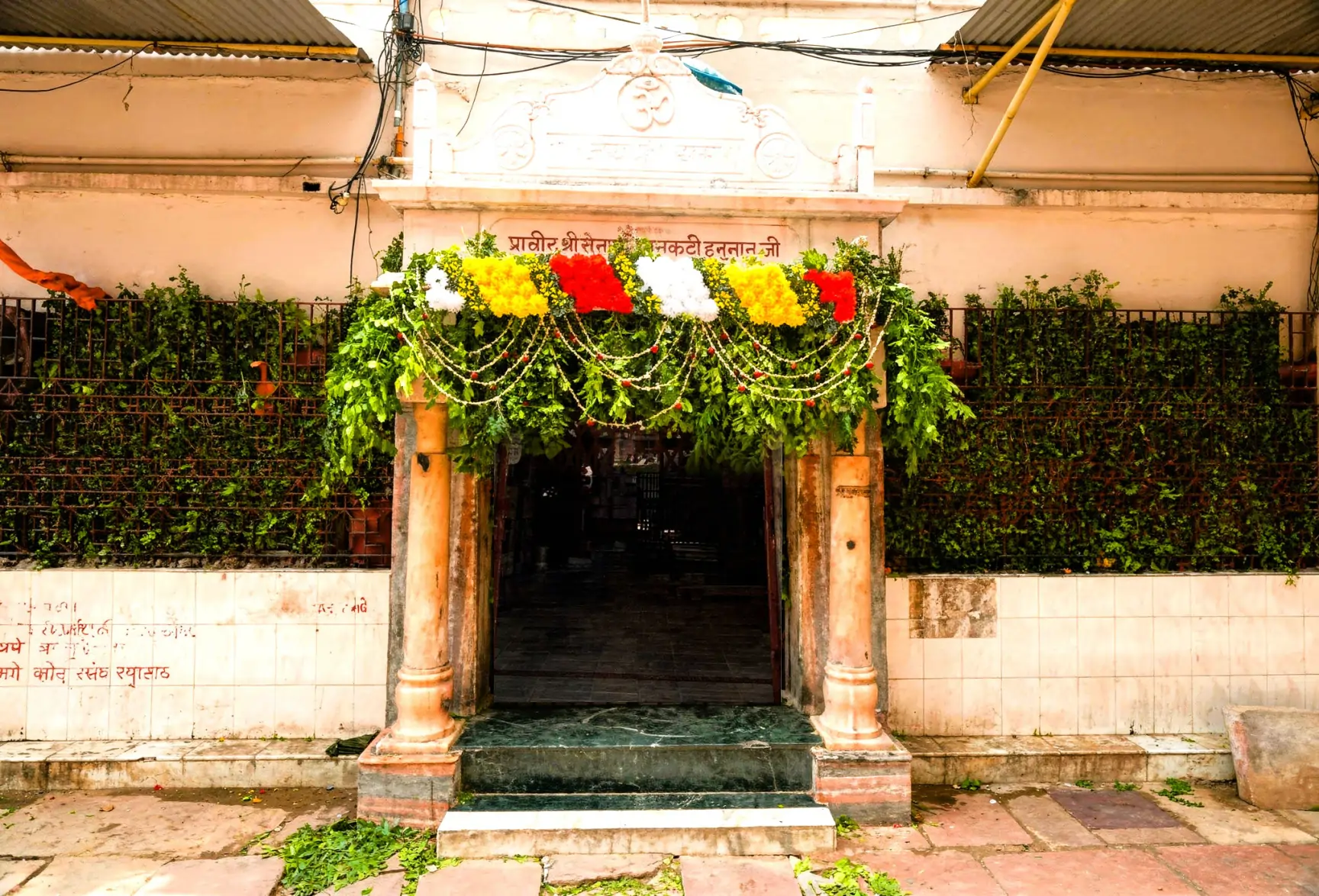
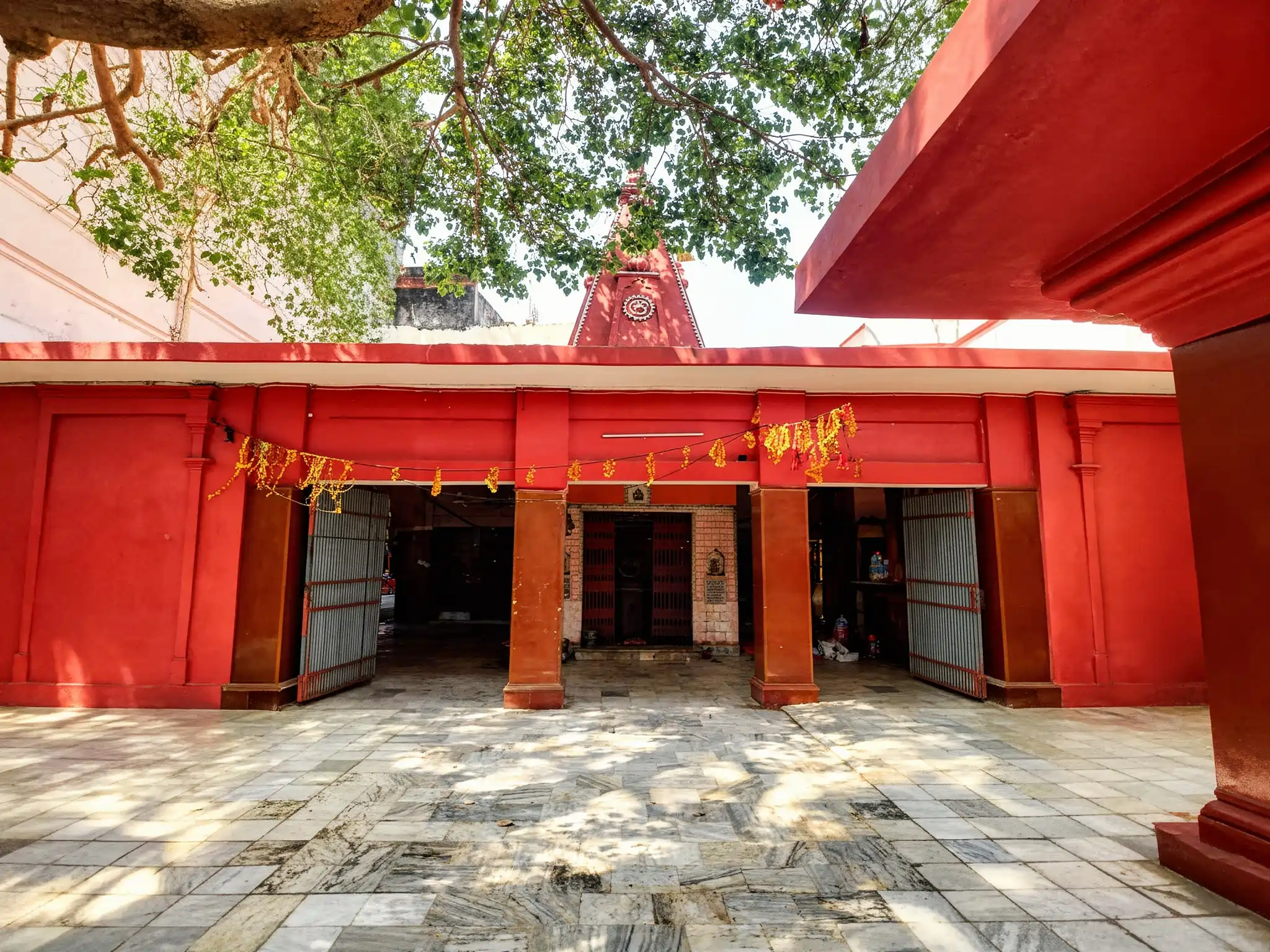
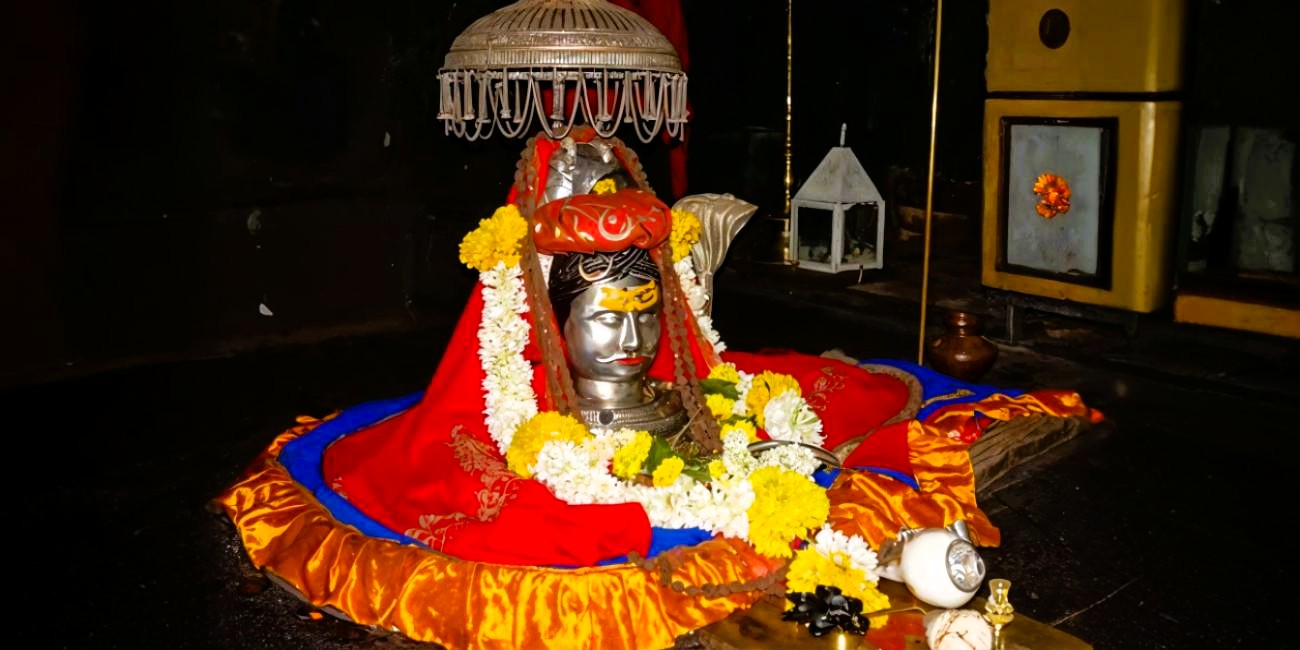
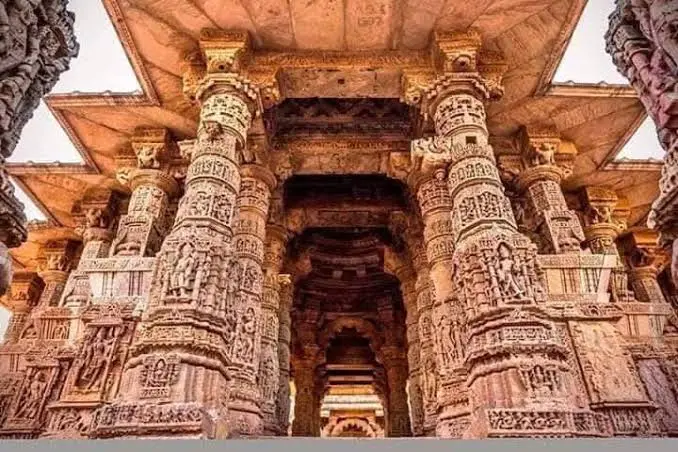
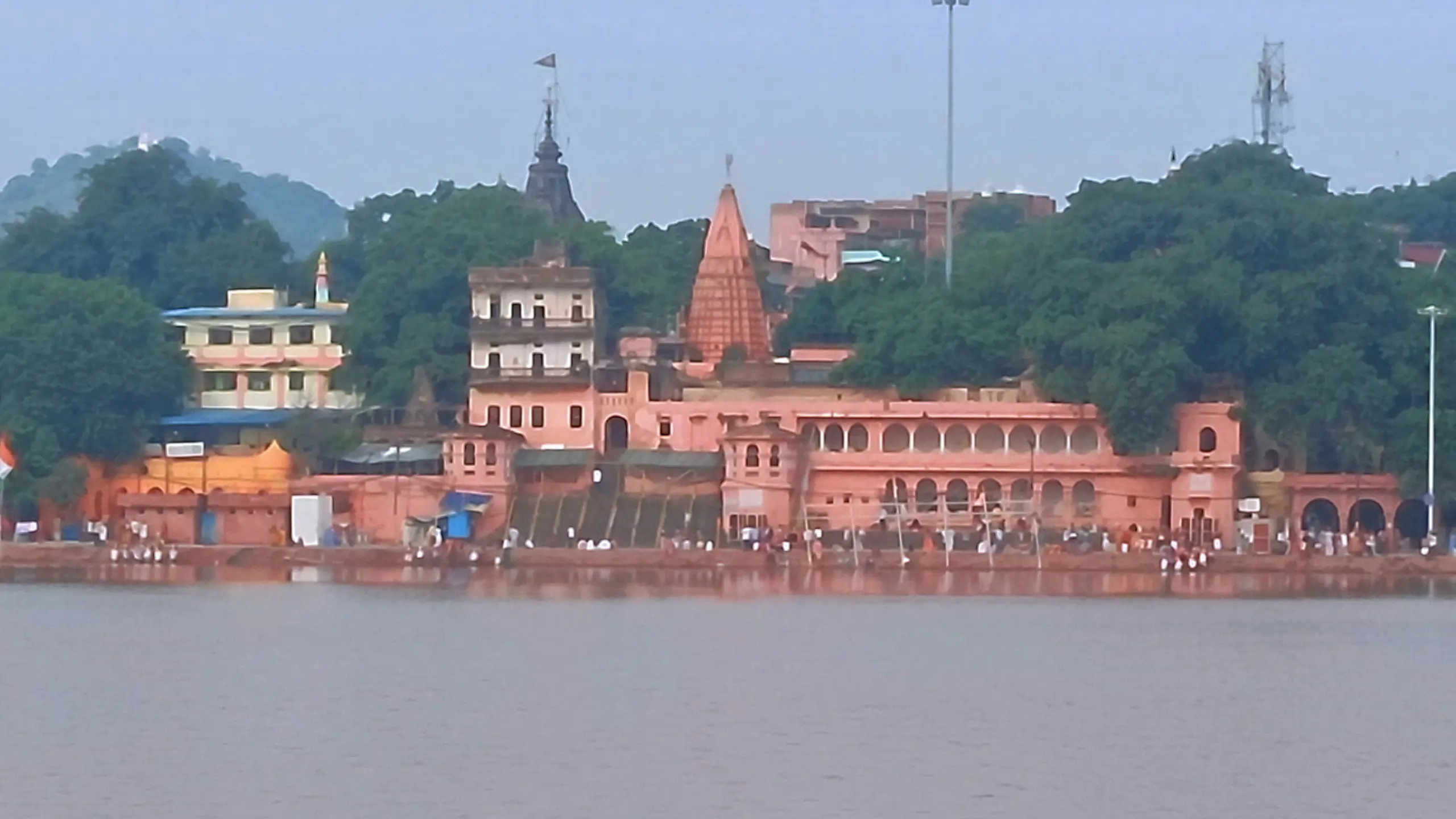
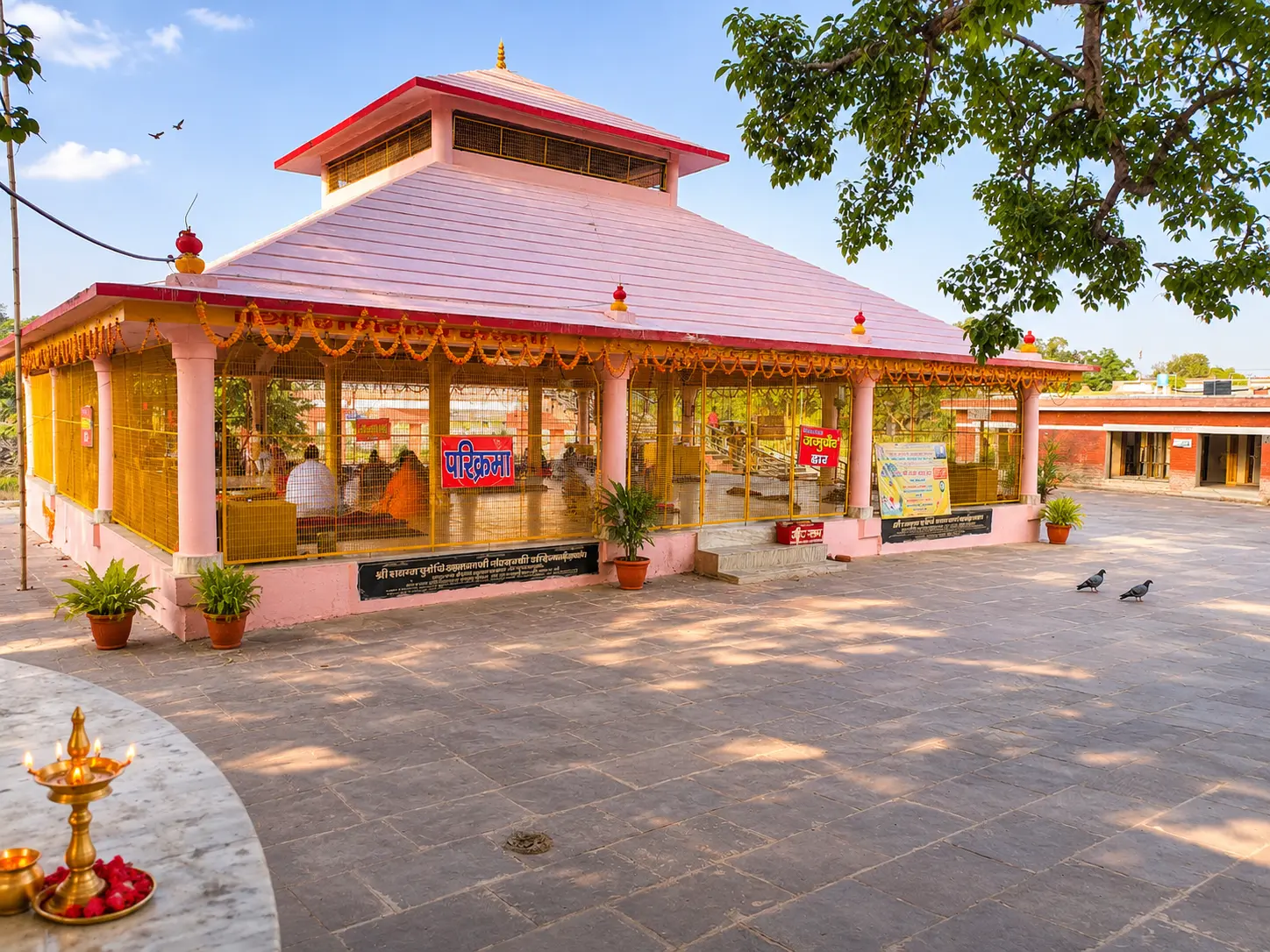
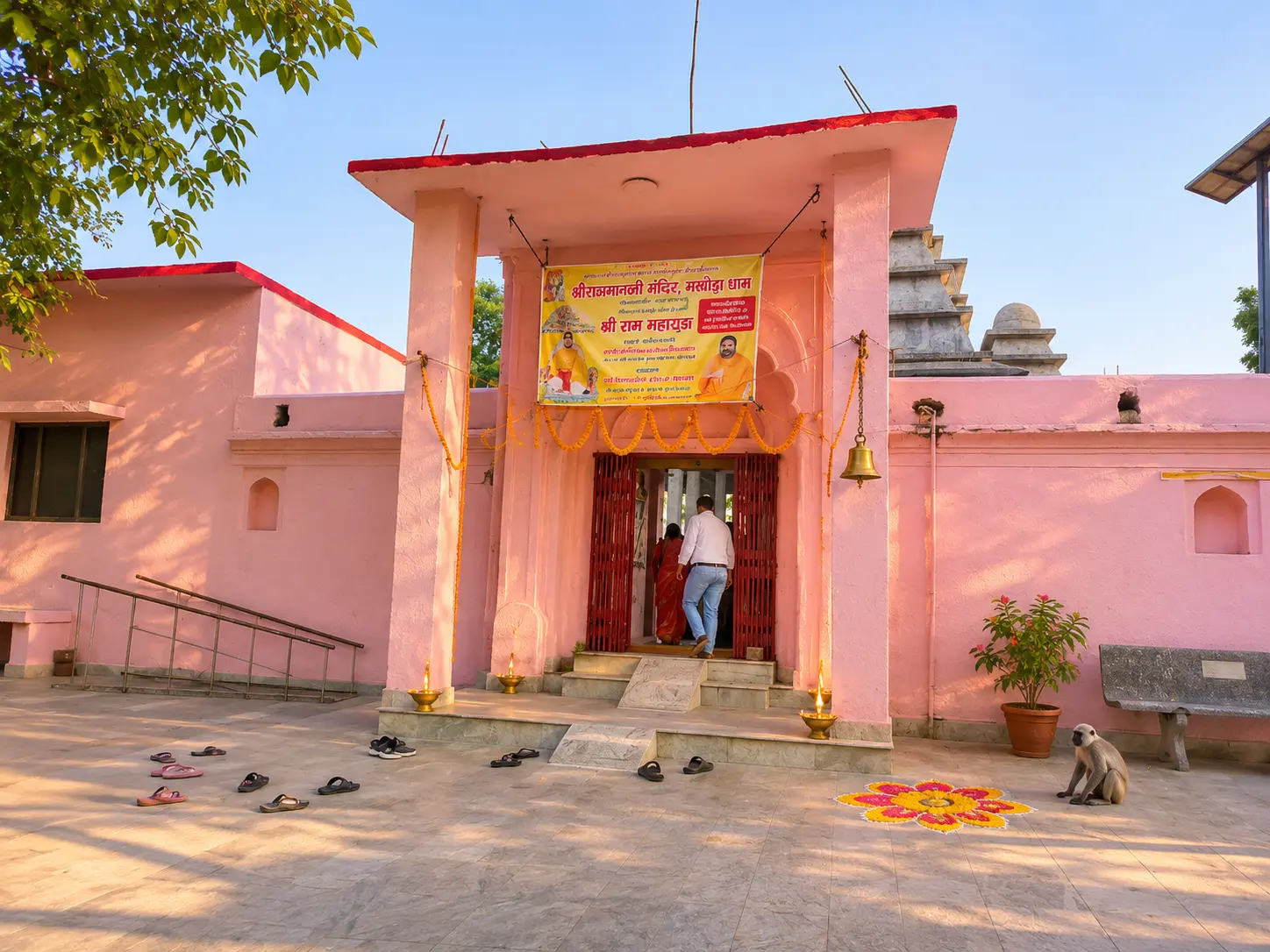
Makhauda Dham holds exceptional spiritual importance as the traditional site of King Dasharatha's Putrakameshti Yajna, performed under the guidance of Sage Rishyasringa. Devotees regard this sacred ground as a powerful symbol of faith, hope, and divine blessings for progeny. The temple complex reflects the simplicity of traditional North Indian pilgrimage shrines, with temples dedicated to Lord Rama and Goddess Sita. Its sacred yajna area commemorates the ancient Vedic sacrifice, while the nearby Manorama River enhances the spiritual atmosphere. Unlike monumental temple complexes, Makhauda Dham's significance lies primarily in its association with the Ramayana and its living devotional traditions. The riverside surroundings, worship spaces, and sacred ceremonial grounds create an atmosphere of reverence and contemplation. The site continues to preserve the spiritual memory of one of Hinduism's most celebrated narratives.
A pilgrimage to Makhauda Dham offers devotees an opportunity to experience the spiritual heritage associated with Lord Rama's birth. Situated in Harraiya Tehsil of Basti district, the Dham is accessible by road from Ayodhya and nearby towns. Pilgrims can offer prayers at the Rama-Janaki temples, visit the traditional yajna site, and spend peaceful moments near the Manorama River. The destination is especially meaningful for couples and families seeking blessings for progeny and family well-being. Makhauda Dham also marks the traditional beginning and conclusion of the famous 84 Kosi Parikrama, an extensive pilgrimage covering sacred locations associated with the ancient kingdom of Kosala. October to March generally offers comfortable weather for visiting. During Ram Navami and the annual Parikrama season, the Dham attracts larger gatherings of devotees, saints, and pilgrims.