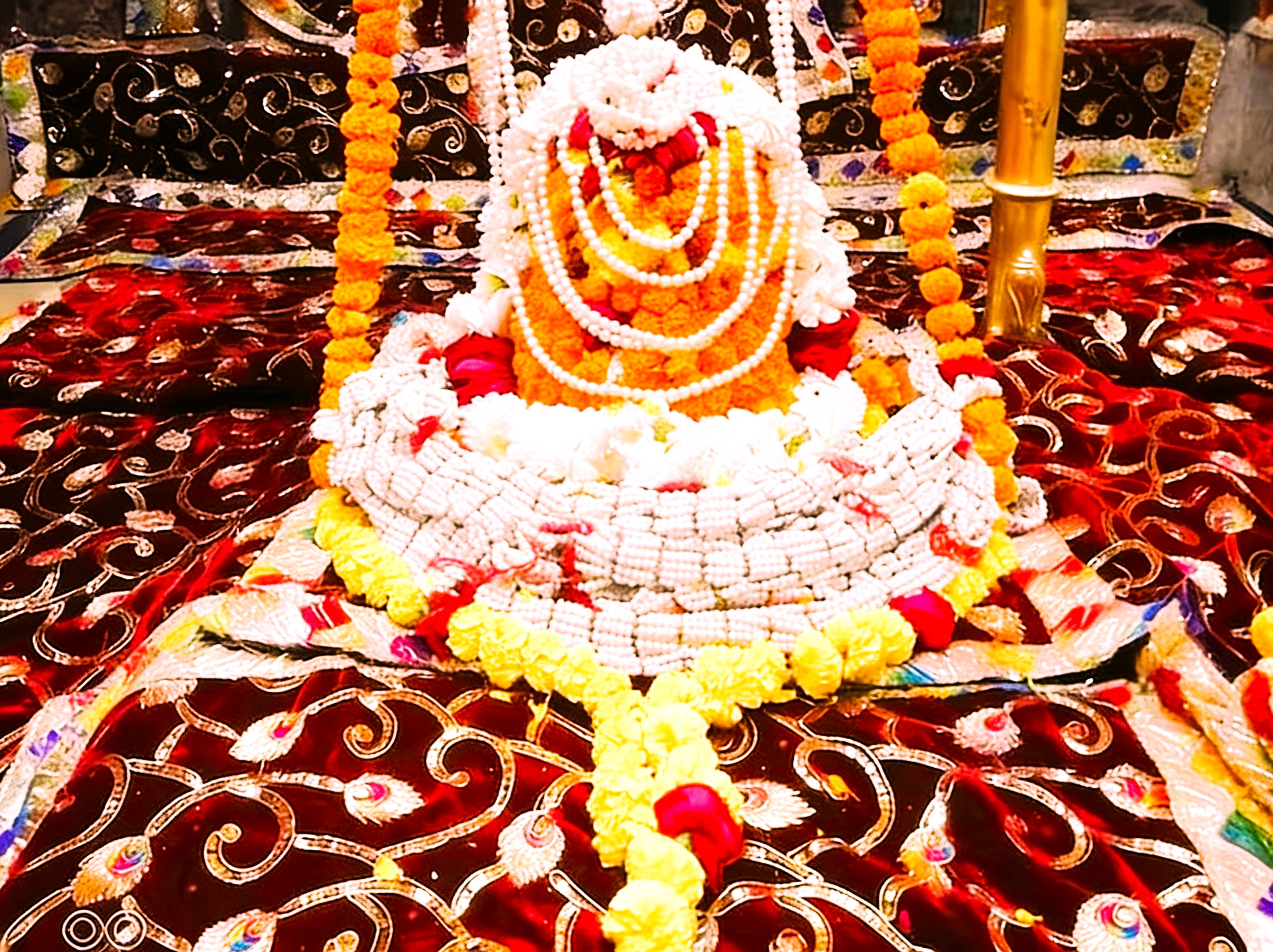
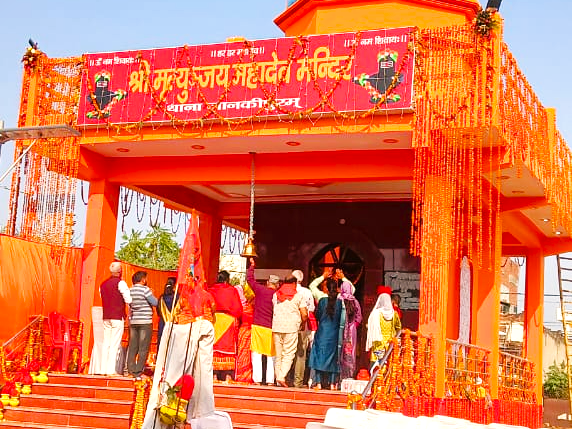
Mahamritunjay Mahadev Mandir, Dara Nagar, Maidagin, Varanasi
The Mahadev temple worshipped for Markesh dosh and protection from sudden death.
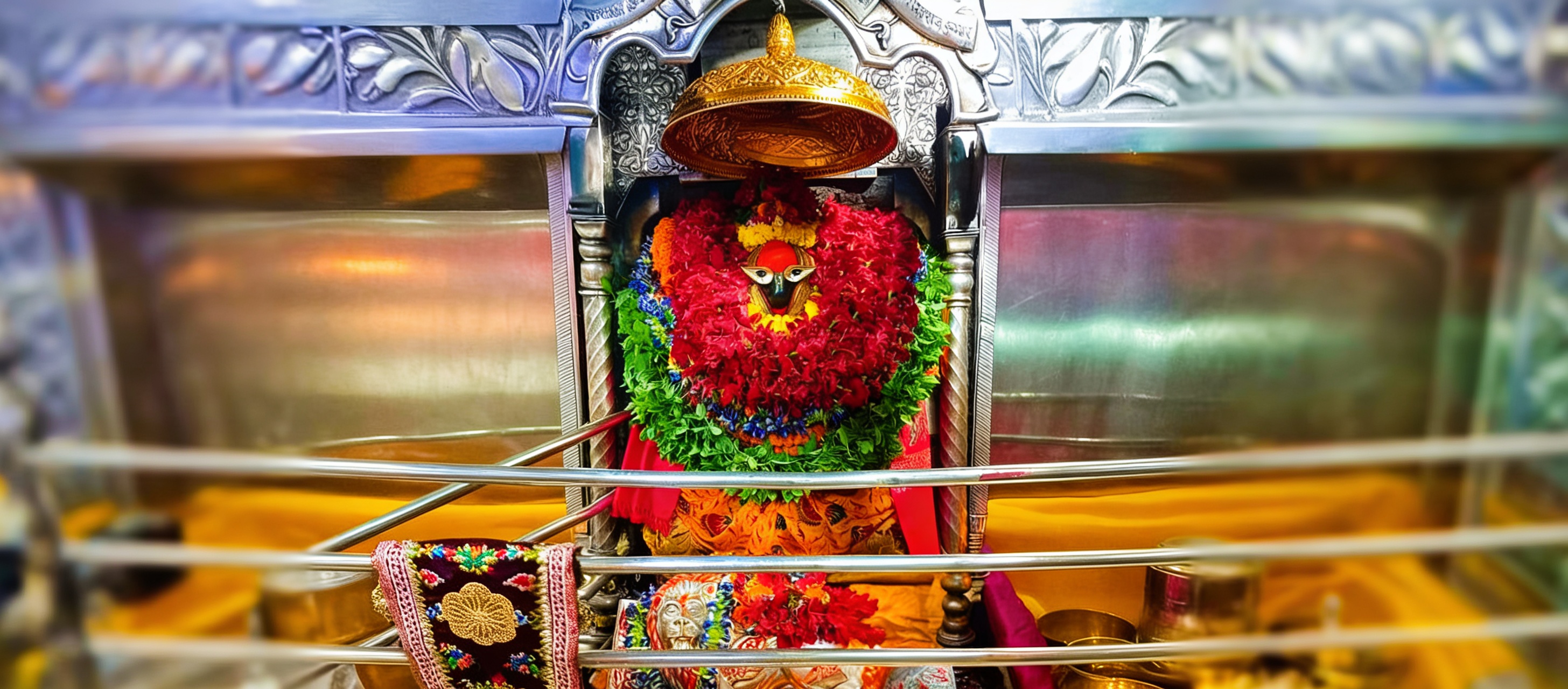
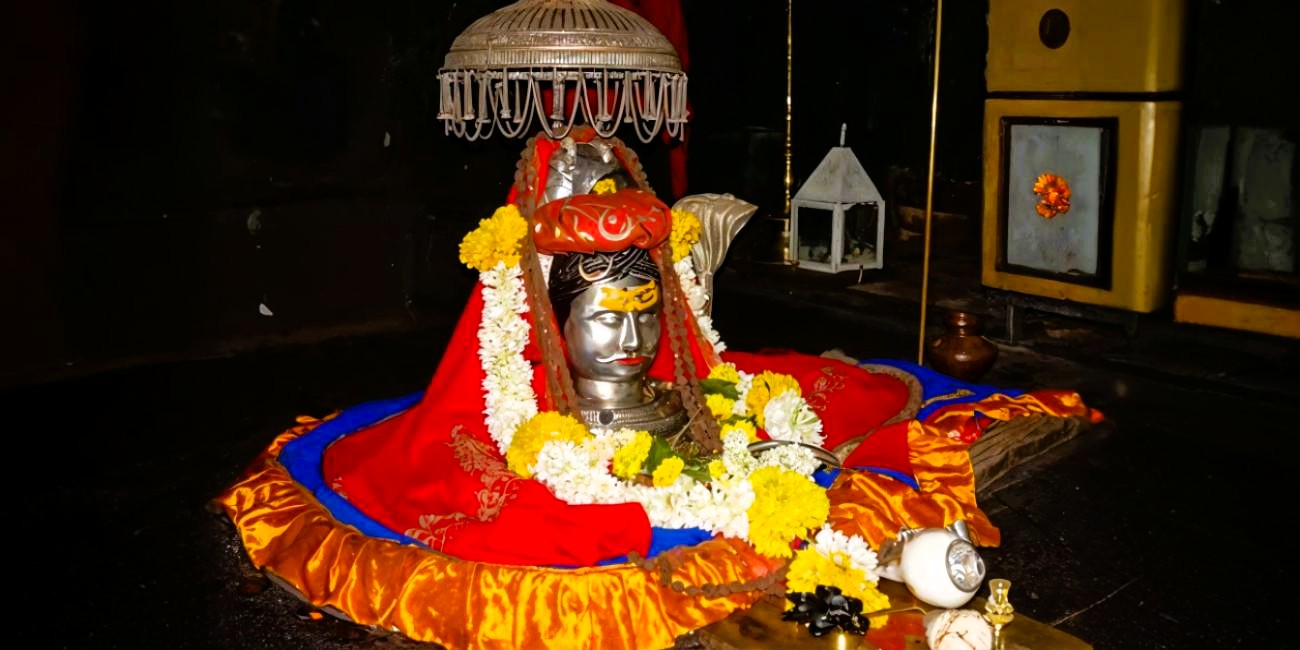
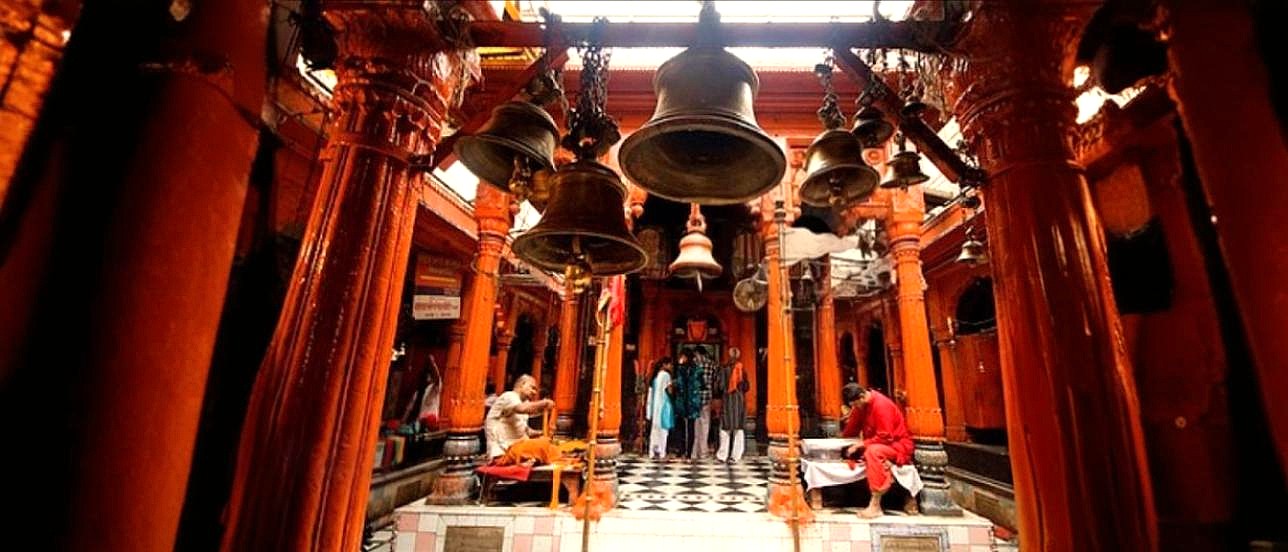
Mahamrityunjay Mahadev Mandir is one of the most important Shiva temples in Kashi for people seeking protection of life. Lord Shiva is worshipped here as Mahamrityunjay, the form that overcomes death. Devotees come especially when facing serious illness, repeated accidents, long hospital phases, or when astrology shows danger to life. This temple is widely known for prayers related to Markesh Dosh, a condition in birth charts believed to indicate sudden or untimely death. Many people visit after astrologers advise Mahamrityunjay Jaap as a remedy. The focus here is clear and serious: praying for life, recovery, and time.
Temple tradition directly connects this site to the Markandeya–Yama episode, making it one of the oldest centres of Mahamrityunjay worship in Kashi. For centuries, rituals here have continued without interruption, passed down through temple pandits and local devotees. While the structure has been repaired and strengthened over time, the core sanctum and the way worship is performed have remained unchanged. The temple’s identity has always been the same: a place where people come when life feels in danger and uncertain.
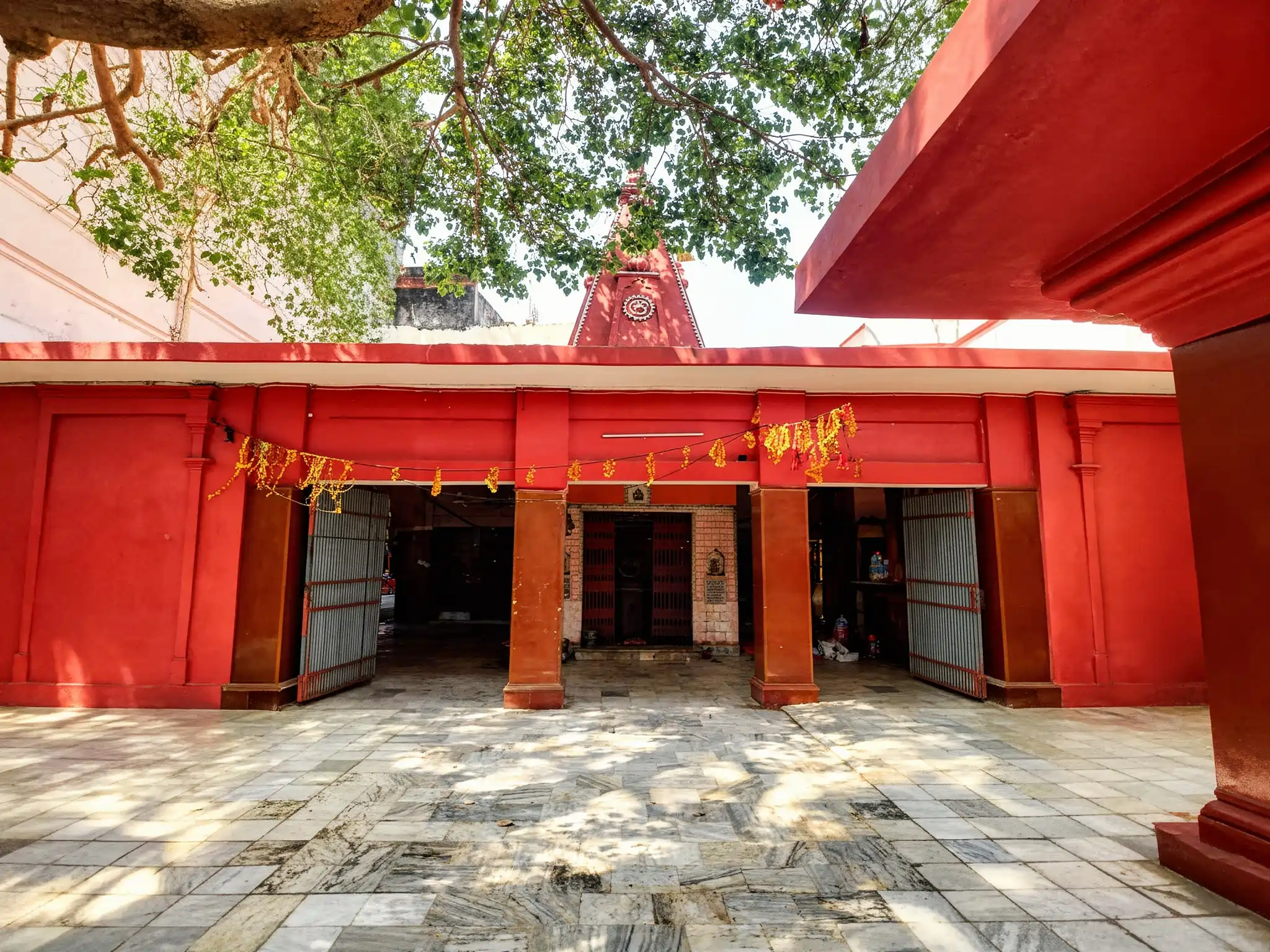
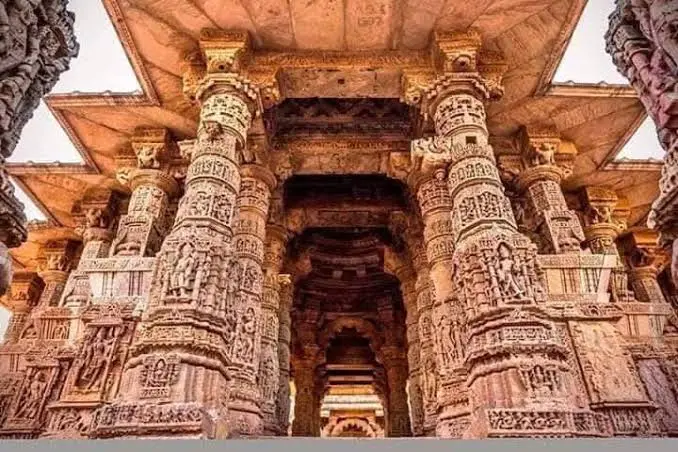
Across North India, this mandir is known for life-protection rituals. The worship here is closely linked to the story of Rishi Markandeya, whose devotion moved Shiva to stop Yama, the god of death. Because of this, the temple is strongly associated with the Maha Mrityunjaya Mantra, Rudrabhishek, and sankalp pujas for longevity and safety. Architecturally, the temple follows a simple early Nagara style. The garbhagriha is compact and functional, keeping attention on prayer rather than decoration. A sacred water source within the temple complex is used for abhishek and prayers, following a practice that has continued for generations.
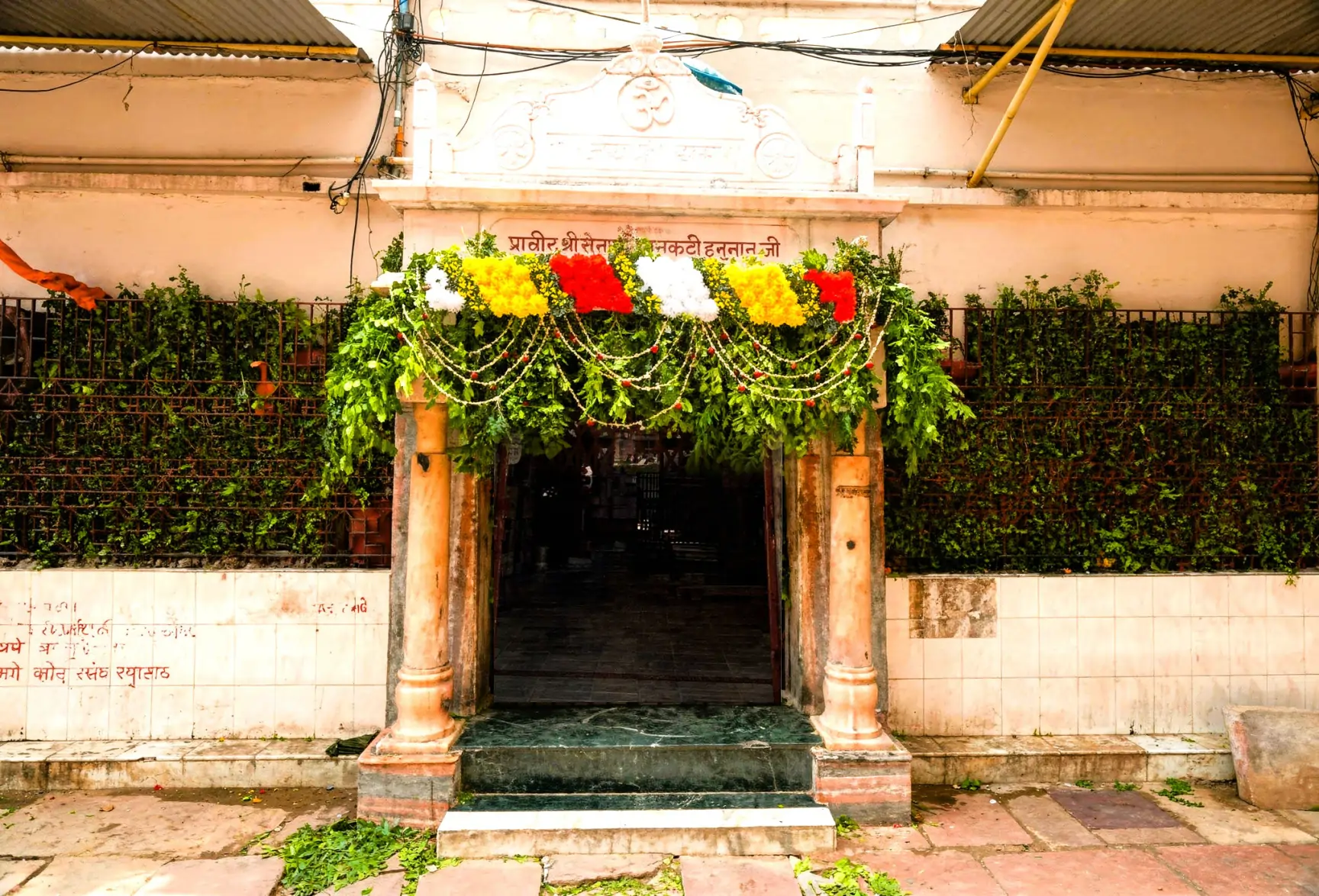
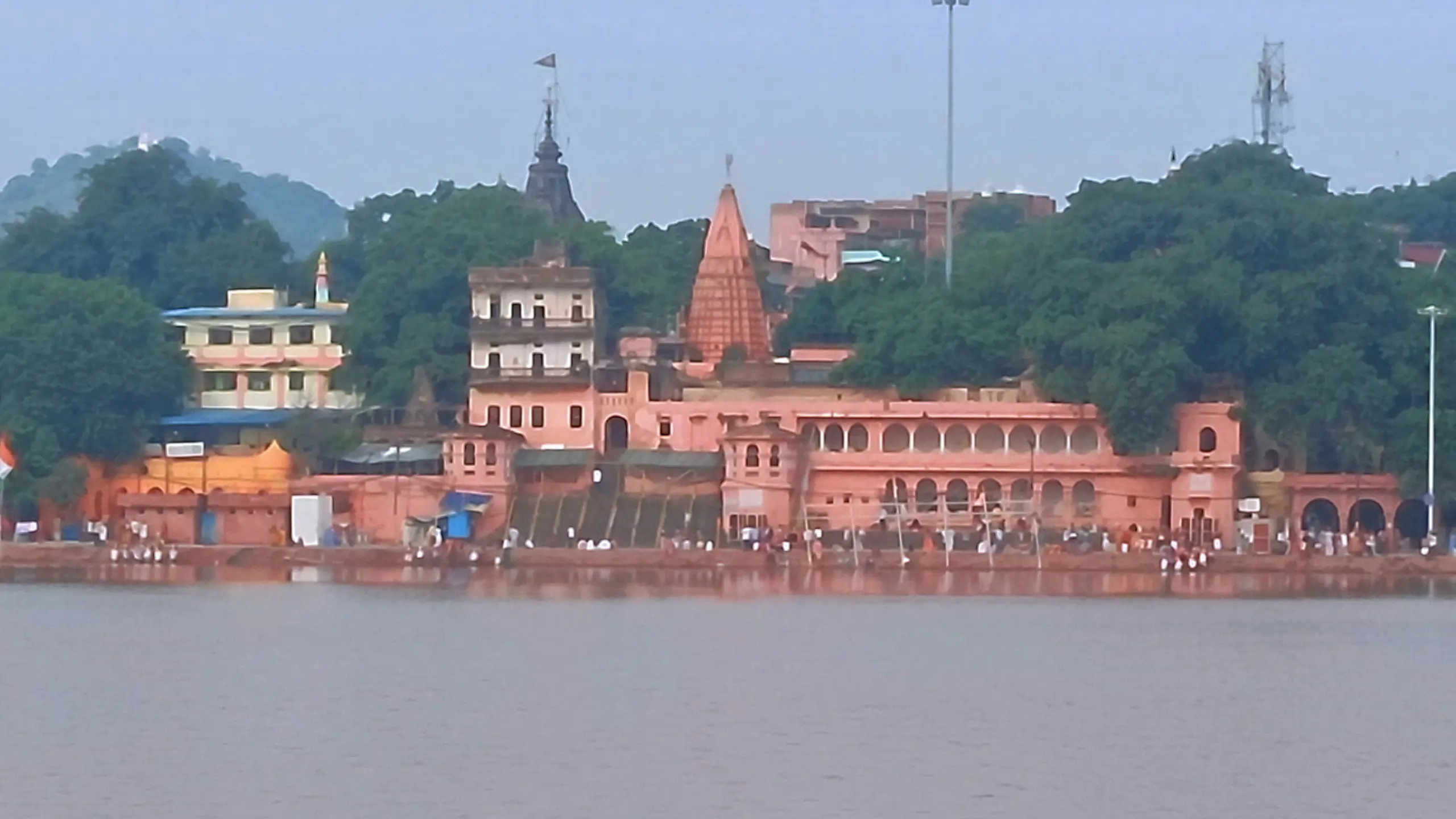
Located near Maidagin, the temple is easy to reach on foot through nearby lanes. Early mornings are filled with mantra chanting, while evenings see regular Rudrabhishek and a continuous flow of devotees for healing prayers. The Dhanvantari Koop remains open throughout the day. Mondays, Pradosh, Shravan month, and Amavasya attract larger crowds, especially from those performing life-protection or health-related rituals. Offerings are kept simple and traditional, usually water, bilva leaves, and white cloth. Many visitors choose to sit quietly after darshan, believing this temple offers calm, strength, and support during life’s most difficult moments.
daily
Morning Aarti
4:00 AM
Evening Aarti
5:00 AM
Maha Mrityunjaya Jaap – 11,000 with 4 Pandits
For early-stage health concerns and preventive spiritual protection.
Rudrabhishek by Sugarcane Ras with 2 Pandits
For wealth flow and sweetness in strained relationships.