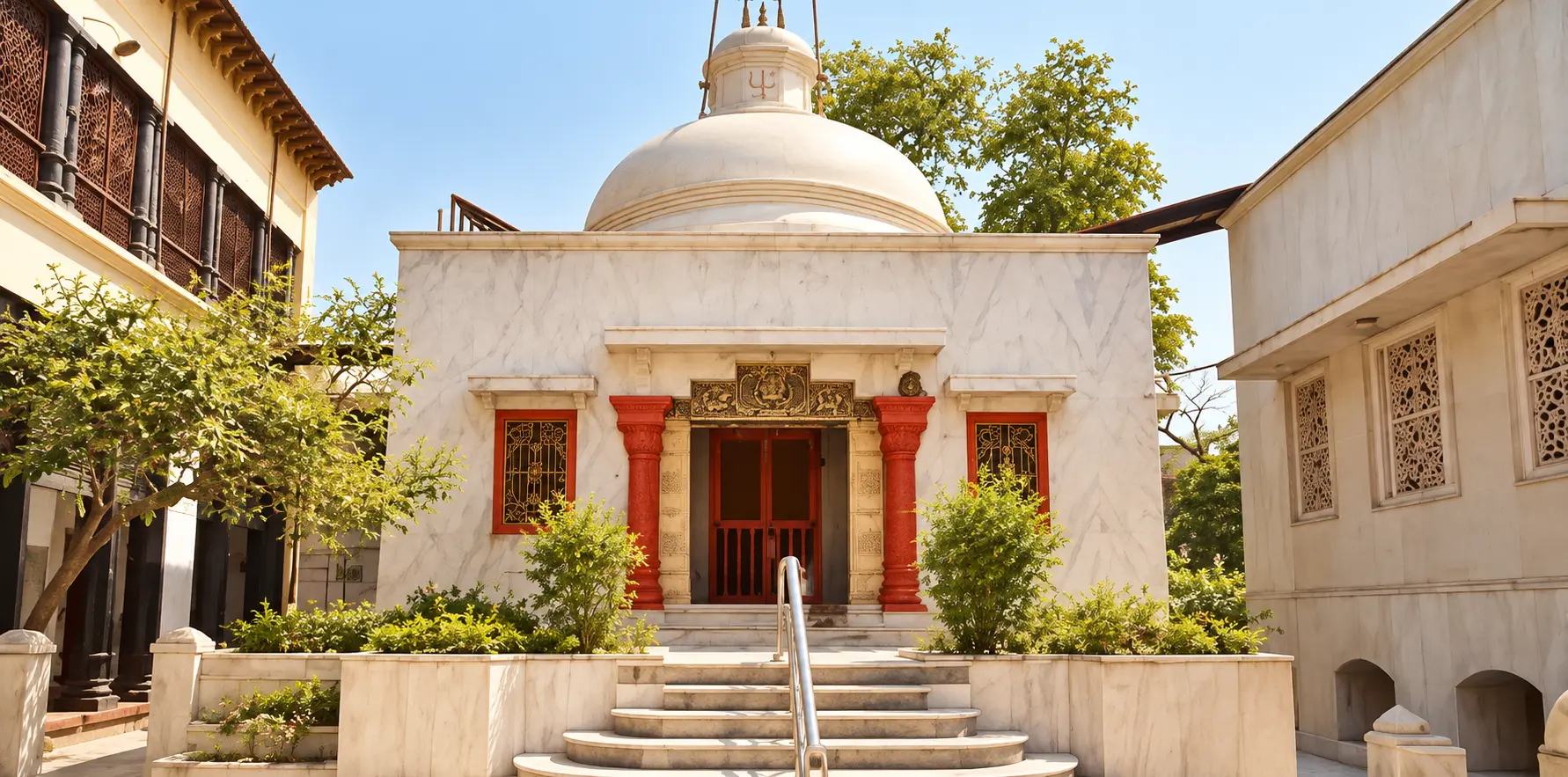
Maa Katyayani (Uma) Shaktipeeth, Mathura
Where Shakti Meets Krishna Bhakti
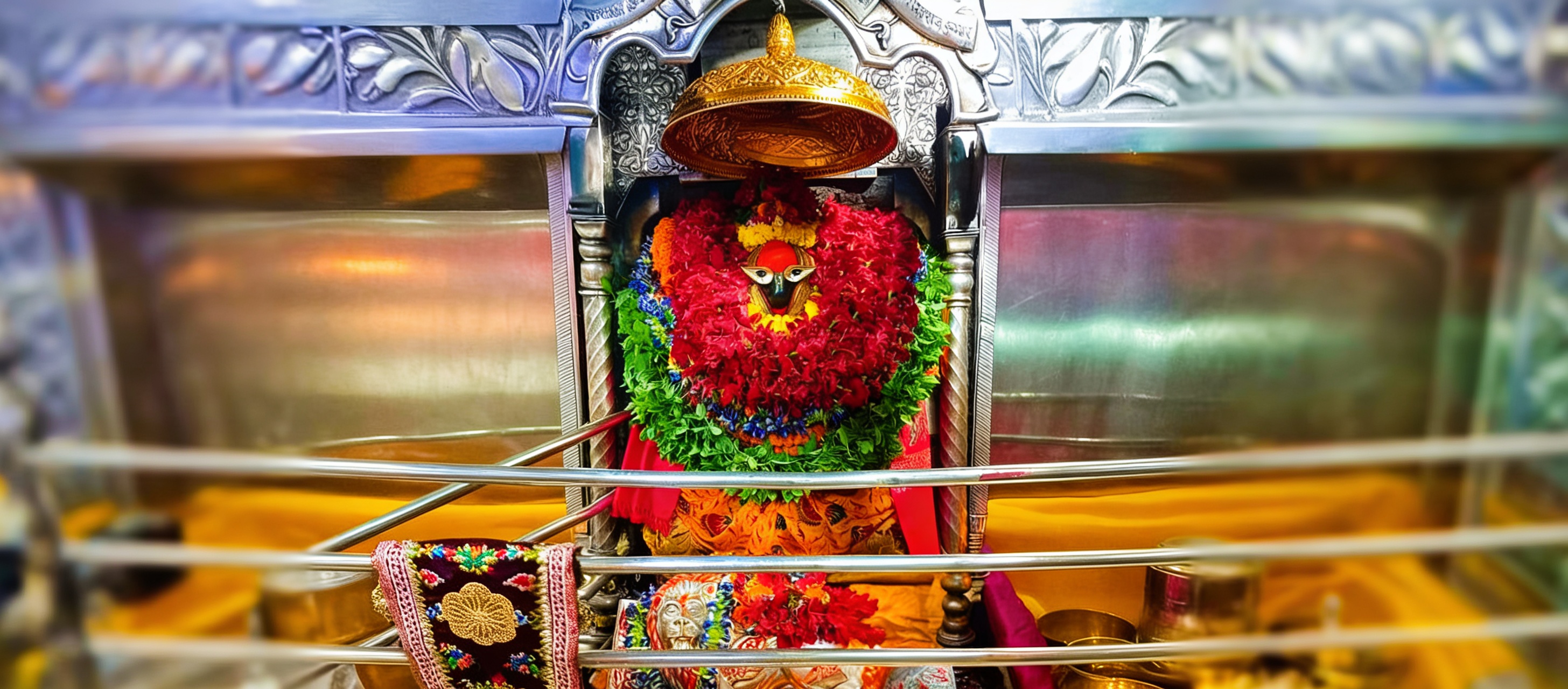
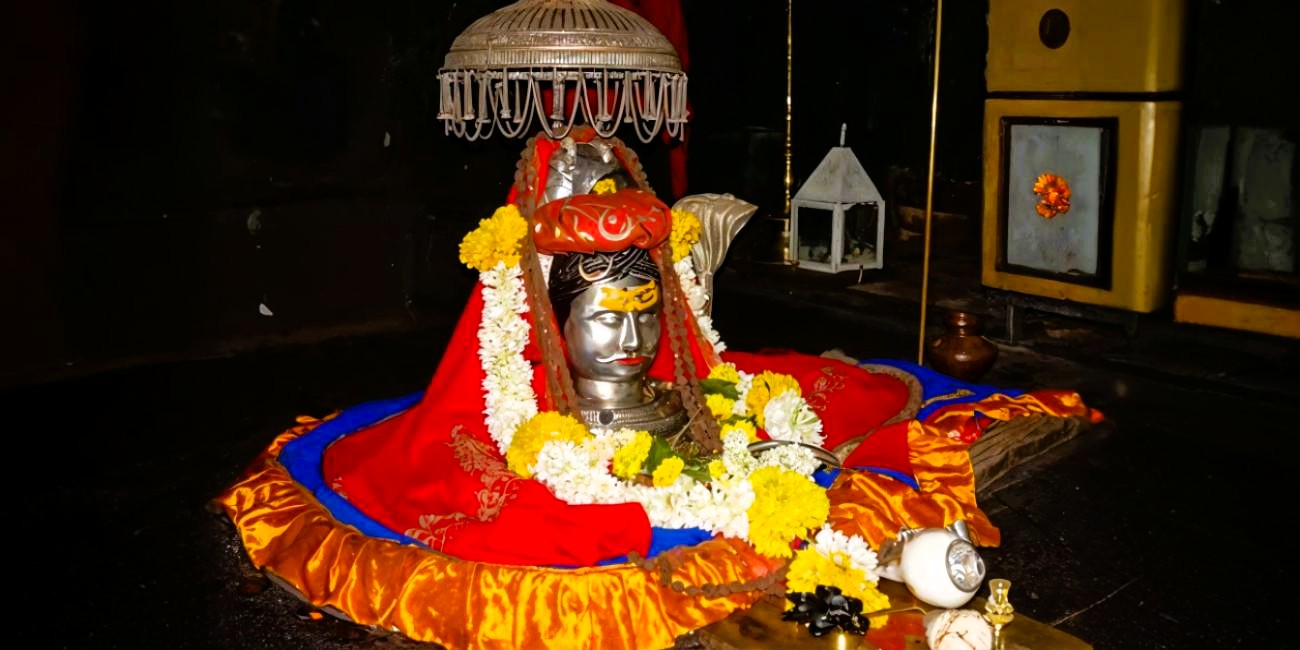
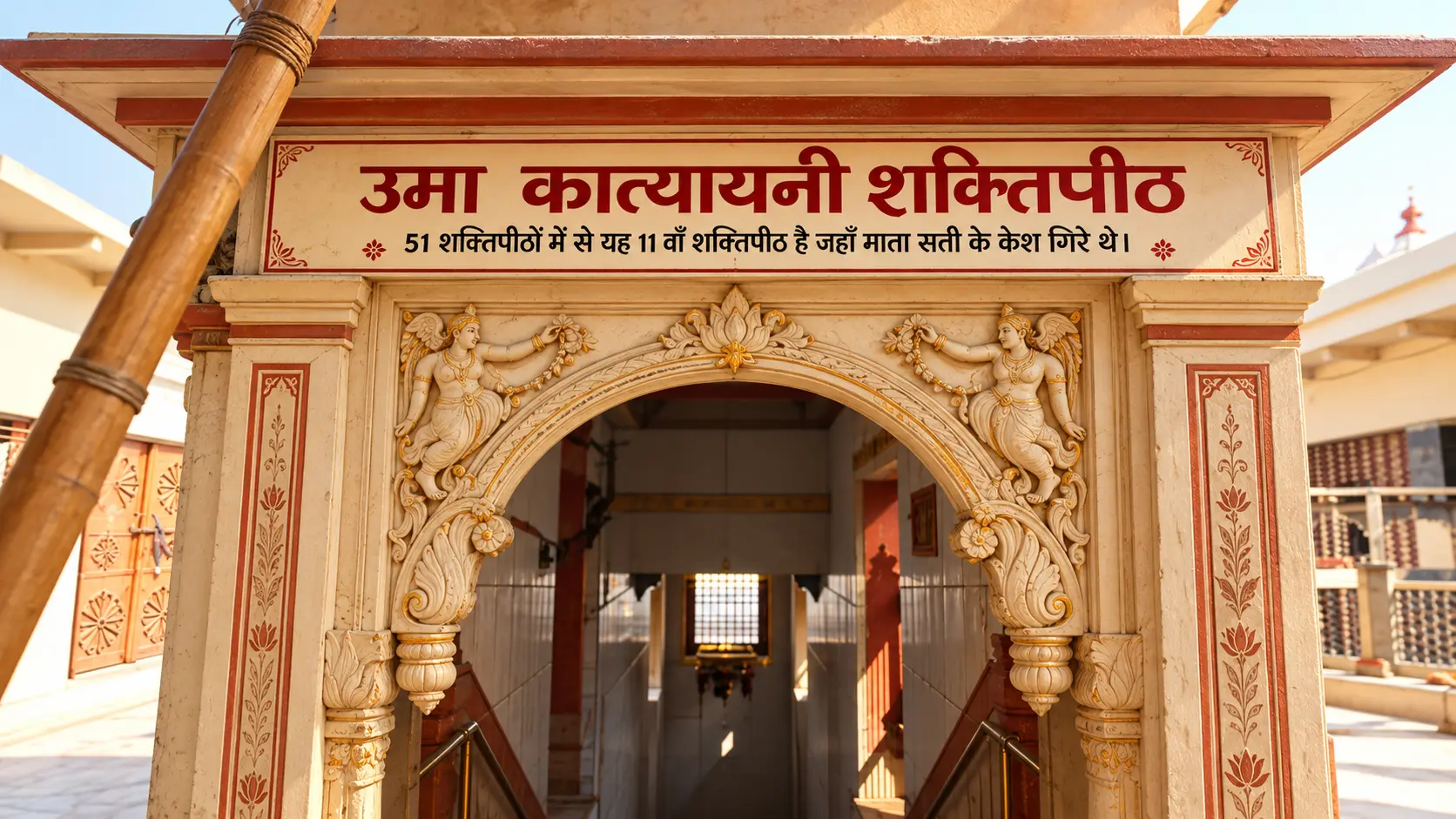
Maa Katyayani (Uma) Shaktipeeth is a revered Shakti shrine in Vrindavan, Mathura, where devotion to Goddess Katyayani beautifully meets the spiritual heritage of Braj. Traditionally counted among the Shakti Peethas, the temple is associated with the belief that the ringlets of Maa Sati's hair fell here. The Goddess is worshipped as Uma and Katyayani, while Lord Shiva is revered as Bhotesh/Bhuteshwar./n /n The temple holds a special place in Krishna tradition as well. According to the Srimad Bhagavatam, the gopis of Vrindavan worshipped Goddess Katyayani during their sacred Katyayani Vrat, praying for Krishna's grace. This unique connection makes the shrine an important destination for both Shakti devotees and Krishna bhaktas.
The sacred identity of Katyayani Peeth is rooted in ancient Shakti Peeth tradition, while the present temple structure dates to the early 20th century. According to the Katyayani Peeth tradition, Swami Keshavanand Brahmachari undertook extensive spiritual practice and was guided to Vrindavan to locate and revive the ancient Peeth mentioned in sacred texts. He subsequently established the Goddess's worship at the site./n /n The present temple is generally dated to 1923, when Swami Keshavanand Brahmachari is credited with constructing and consecrating the shrine. The traditional account connects the site with the Katyayani Peeth described in Puranic literature, particularly the association of Braj with the worship of Goddess Katyayani. Thus, while the existing structure is relatively modern, its spiritual lineage is presented as much older.
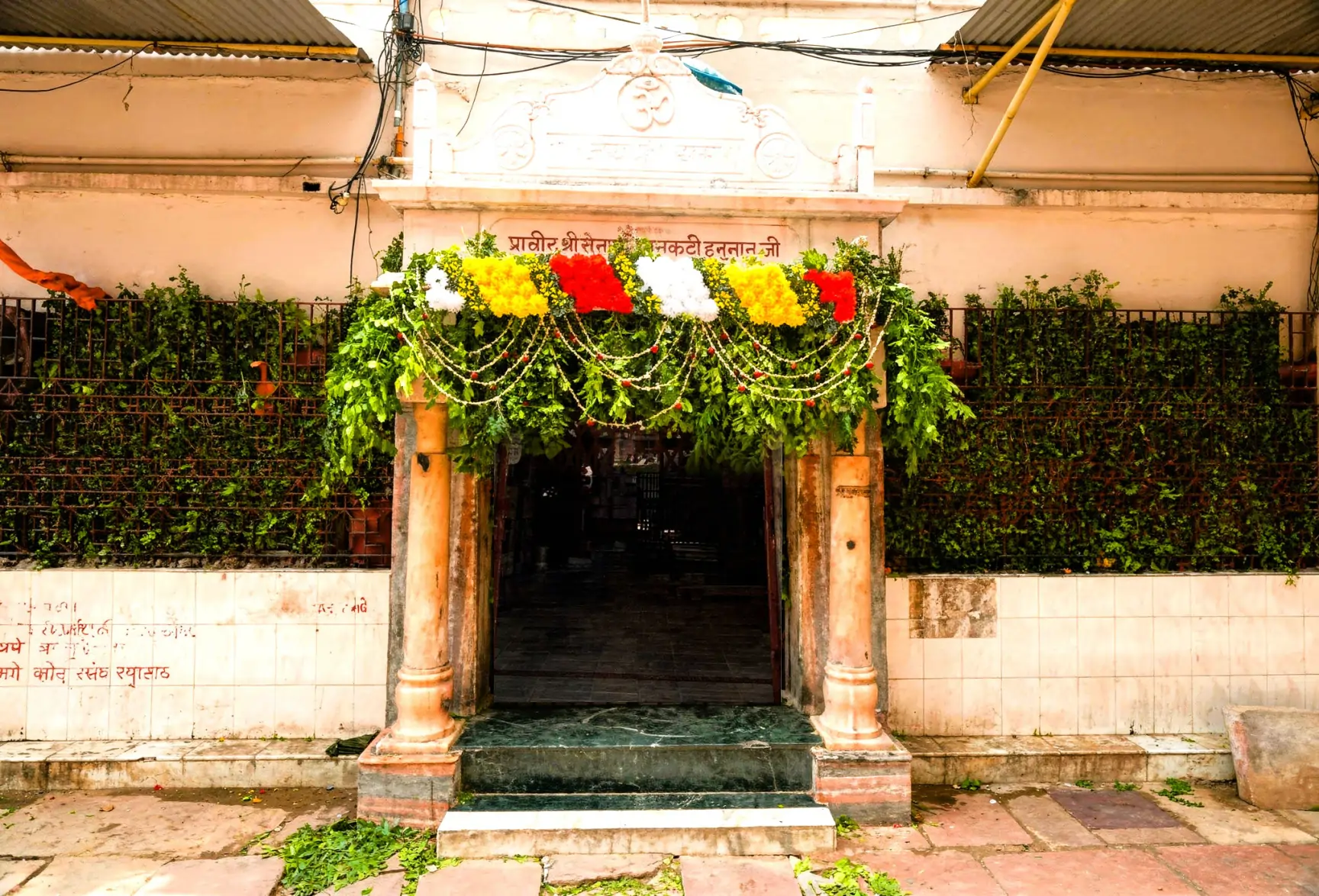
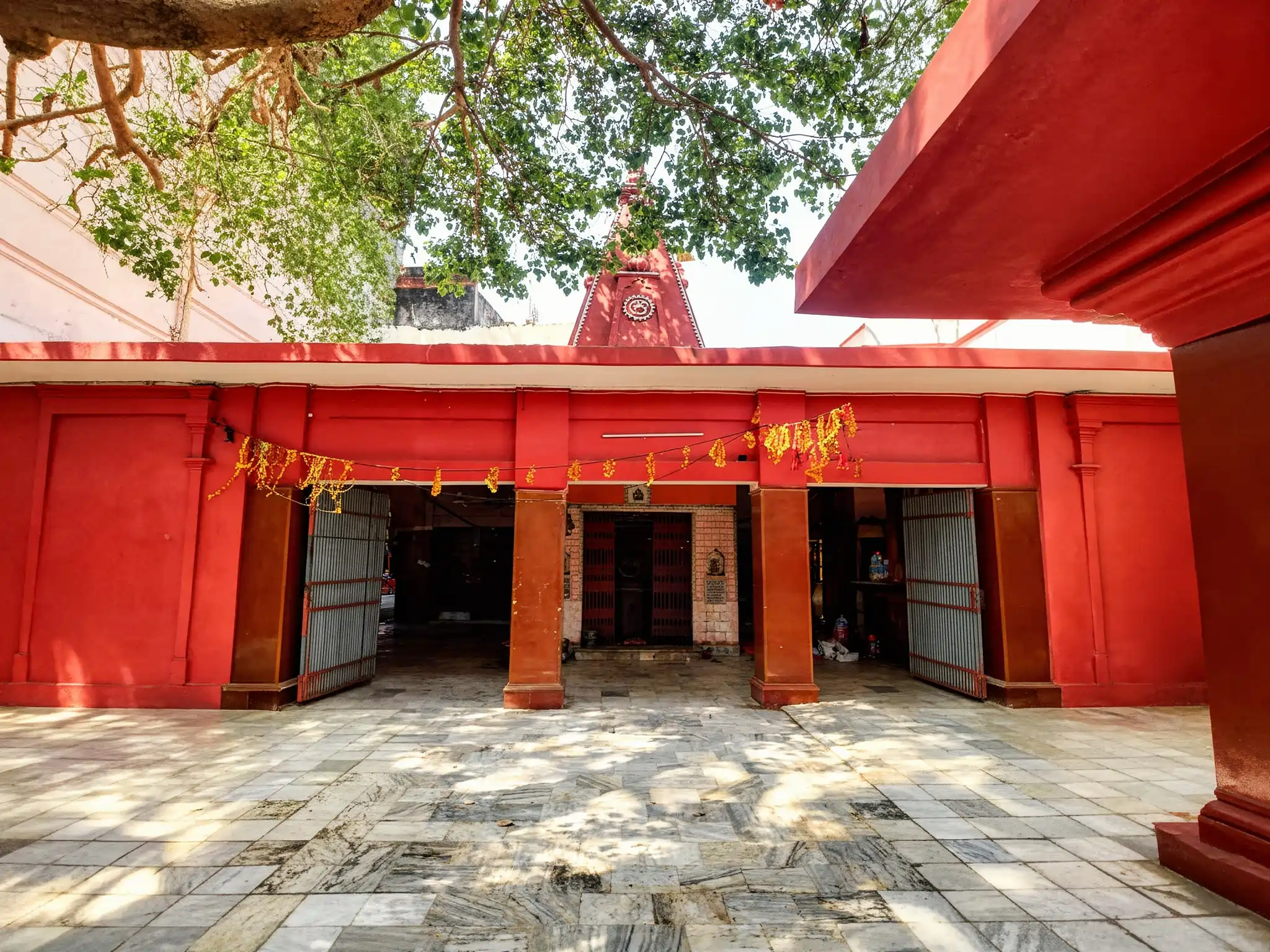
Maa Katyayani Shaktipeeth represents the meeting point of Devi Shakti and Braj Bhakti. The shrine is traditionally associated with Sati's hair, with Goddess Uma/Katyayani as the presiding deity and Bhotesh as her Bhairava. Its connection with the gopis' Katyayani Vrat gives the temple a distinctive place in the devotional landscape of Vrindavan./n /n The present temple is known for its elegant white-marble structure, black stone pillars and golden lion figures at the entrance, symbolising the Goddess's powerful divine presence. The temple complex brings together multiple traditions of Hindu worship, with shrines dedicated to Katyayani, Shiva/Bhotesh, Lakshmi-Narayan, Ganesha and Surya. This coming together of different devotional traditions makes the temple architecturally and spiritually distinctive.
A visit to Maa Katyayani Shaktipeeth can be naturally included in a Mathura–Vrindavan spiritual circuit, particularly for devotees exploring the sacred places associated with Krishna and the divine feminine. The temple's location in Vrindavan allows pilgrims to combine Devi darshan with visits to other important Braj temples and sacred sites. Navratri is especially significant for devotees of Maa Katyayani, when Goddess worship becomes more prominent. The temple's Krishna connection also makes it meaningful for those following the spiritual trail of the gopis and their Katyayani Vrat. Pilgrims should plan their visit around the temple's daily darshan schedule, maintain modest temple attire and allow sufficient time for peaceful darshan. For a fuller Braj experience, devotees can combine this visit with Bhuteshwar Mahadev, Krishna Janmabhoomi and other major Mathura–Vrindavan temples.