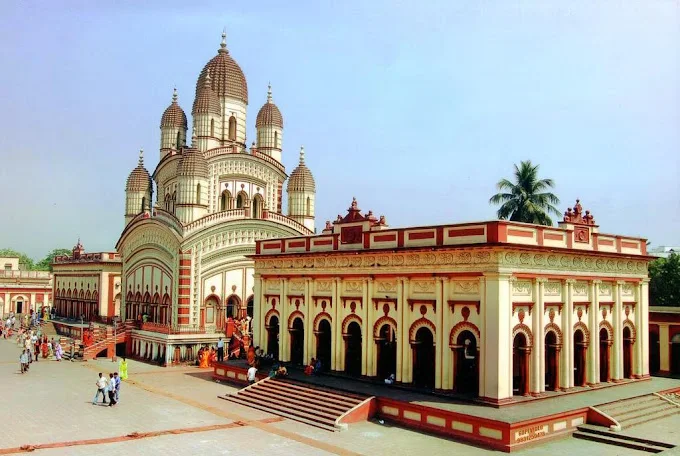
Maa Dakshineshwar Kali Mandir, Naimisharanya
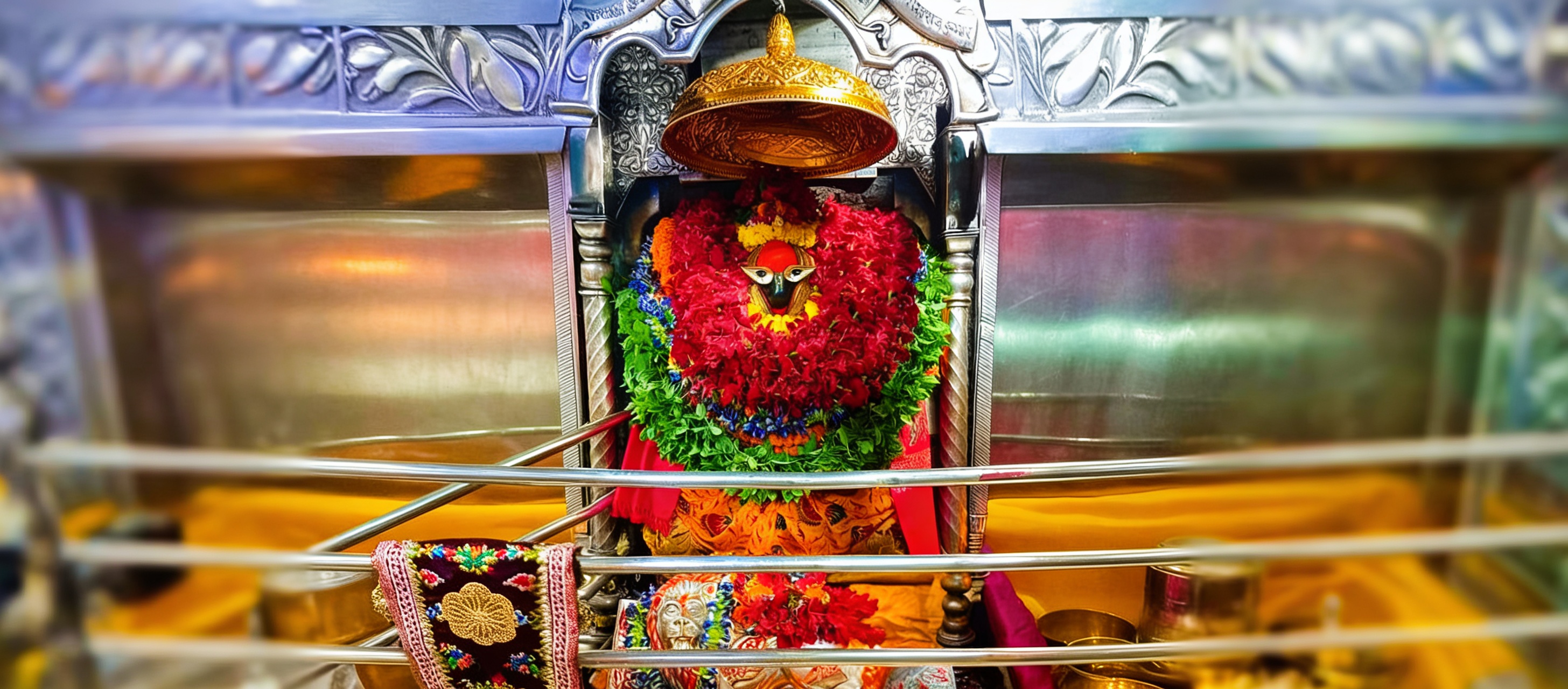
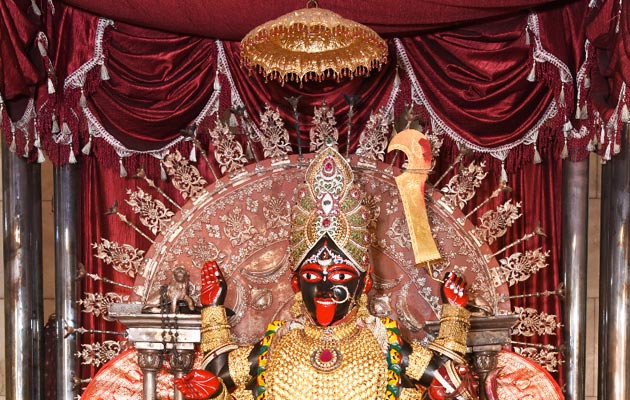
The south-facing form of Maa Kali worshipped at Naimisharanya.
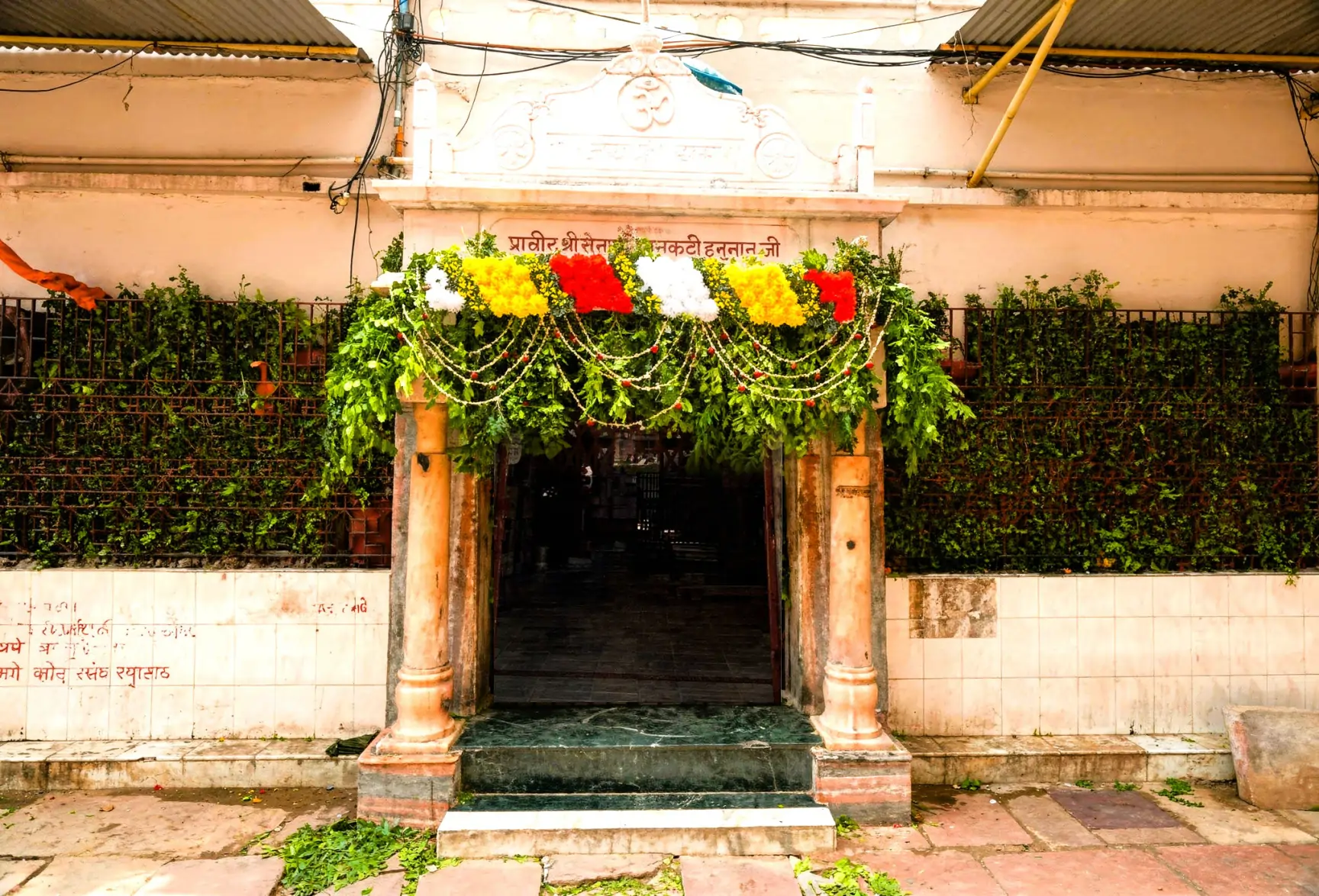
Maa Dakshineshwar Kali Mandir is located in Kaliyanpur village, Richhin, in Sitapur district of Uttar Pradesh. This mandir is dedicated to Maa Kali in her Dakshineshwar form, where the Devi faces the south. The mandir is an important place of worship for the surrounding villages and nearby towns and has been part of the region’s religious life for many generations. Unlike large city temples, this mandir remains closely tied to everyday worship. Devotees visit regularly for darshan, aarti, and personal prayers. The space is modest, the garbhagriha compact, and the atmosphere shaped by routine puja rather than crowds or spectacle. Worship here follows local Shakta traditions that have continued through family lineages. This mandir is distinct from the Dakshineshwar Kali Temple in Kolkata. While both are dedicated to the same form of the Devi, this temple belongs to the Uttar Pradesh Kali worship tradition, rooted in village-based devotion and regular ritual practice.
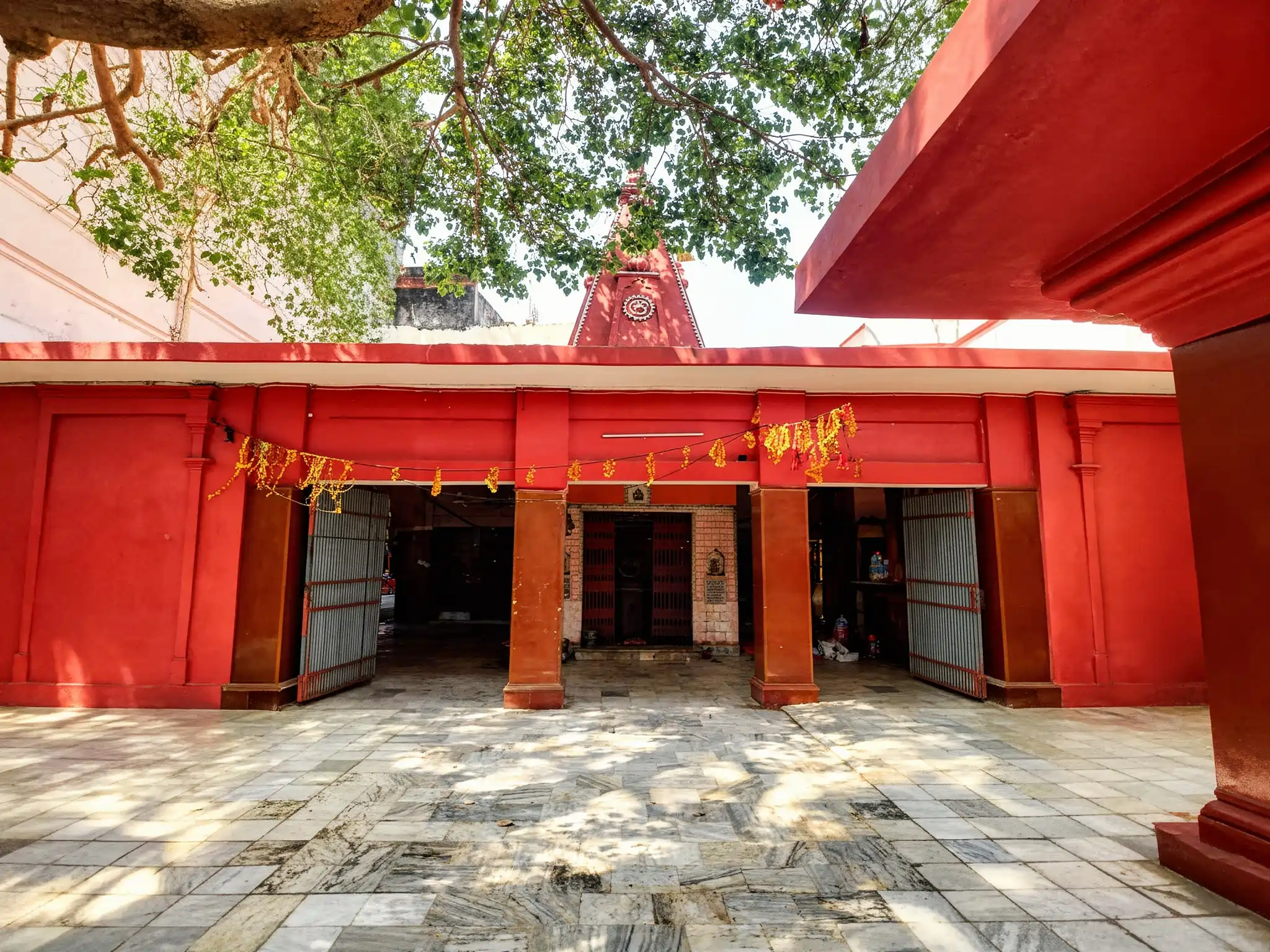
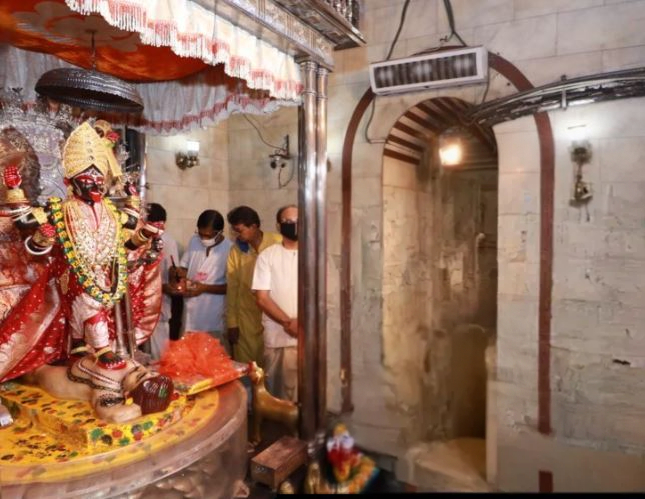
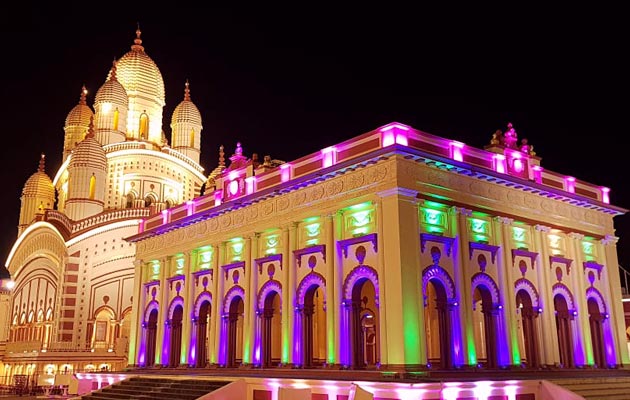
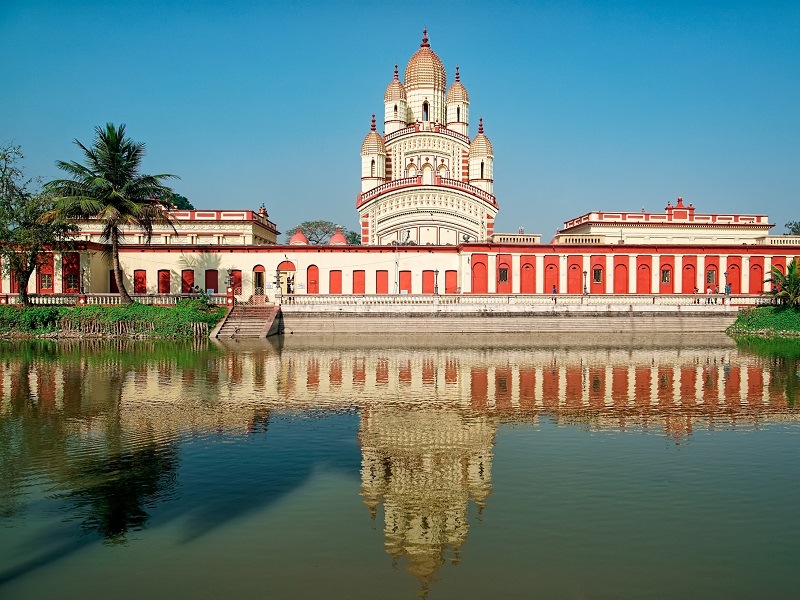
The name Dakshineshwar refers to Kali’s south-facing form. In Sanatan belief, the south is associated with Yama, transformation, and the ancestral realm. Worship of Dakshineshwar Kali is traditionally sought when devotees are dealing with fear, recurring obstacles, ancestral concerns, or deep inner unrest. Here, Kali is worshipped as a direct and protective force, approached through simple offerings, mantra, and aarti. The mandir structure is straightforward. The main garbhagriha houses the murti of Ma Kali, shown in her traditional form. The surrounding space allows devotees to stand close during darshan. There are no towering shikharas or extended mandaps.
There are no written inscriptions recording the exact founding year of Maa Dakshineshwar Kali Mandir. Like many village Kali mandirs in Uttar Pradesh, its history has been carried through oral tradition and worship. The Sitapur region has long been associated with Shakta practices, especially in rural belts where Kali worship continued through periods of political change. Local belief holds that the Devi’s presence was recognised here through a spiritual experience or vision, after which worship began and gradually became established. Over time, the mandir structure was formalised. While renovations and repairs have occurred, the core form of worship has remained unchanged. The mandir’s continuity comes less from recorded history and more from daily aarti, festival observance, and the steady return of devotees.
The mandir is reached via Sitapur city, from where Kaliyanpur and Richhin are accessible by road. Most visitors come by auto or private vehicle. Darshan is usually peaceful on regular days. Navratri, Diwali (Kali Puja), Amavasya, and Tuesdays see a larger number of devotees. Early mornings and evenings are preferred, especially during aarti time. Devotees usually carry simple offerings like flowers, coconut, and diya oil. Footwear is left outside, and visitors are expected to maintain silence near the garbhagriha.
daily
Dainik Puja – Ek Prahar
Daily worship for Maa's blessings
Satyanarayan Puja & Katha
The Puja of Gratitude, Prosperity & Life Stability
Rudrabhishek (Samanya)
Abhishek for Shiva’s Grace & Protection
Rudrabhishek with Shankhi
Powerful Abhishek for Deeper Purification
Shree Yantra Kumkumarchana
Shakti + Lakshmi Tatva for Prosperity & Power
Pind Daan
For ancestral peace, family harmony, and smoother life movement