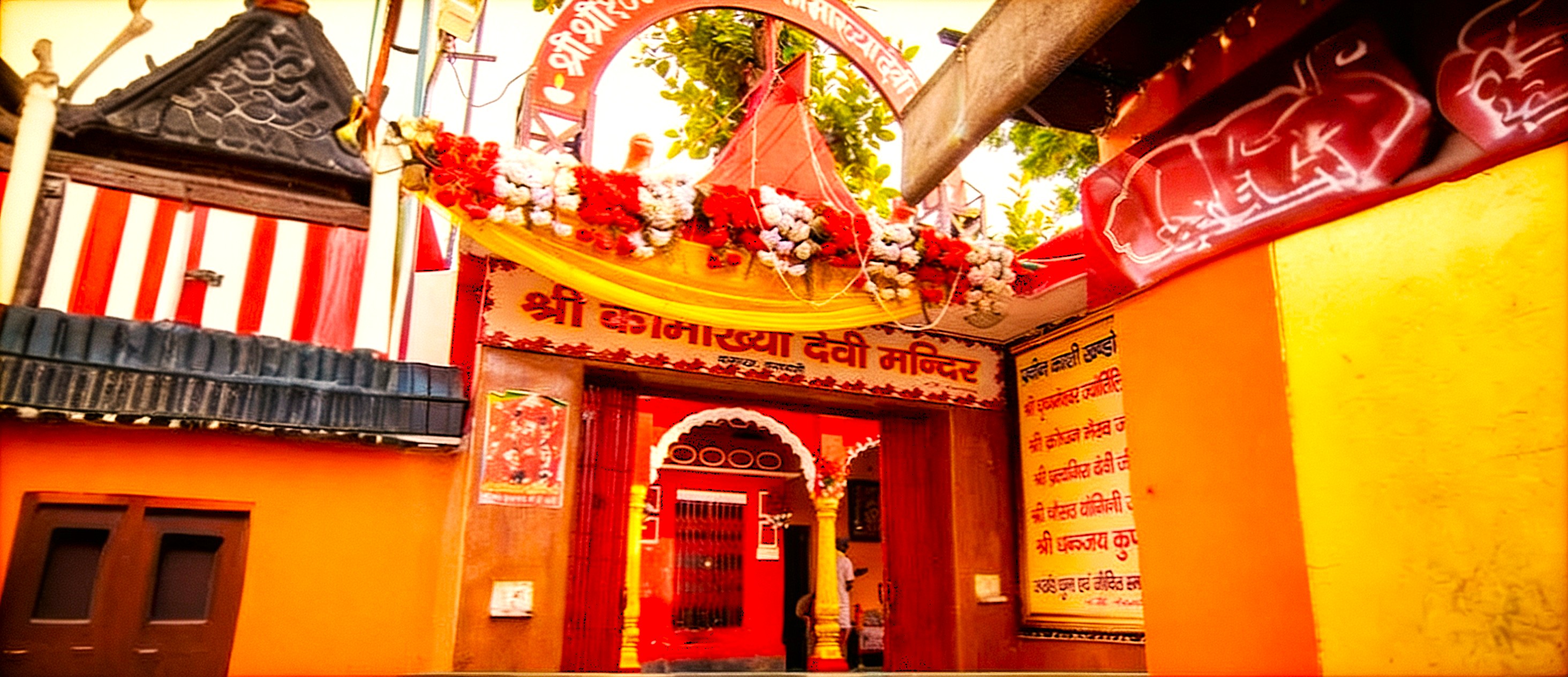
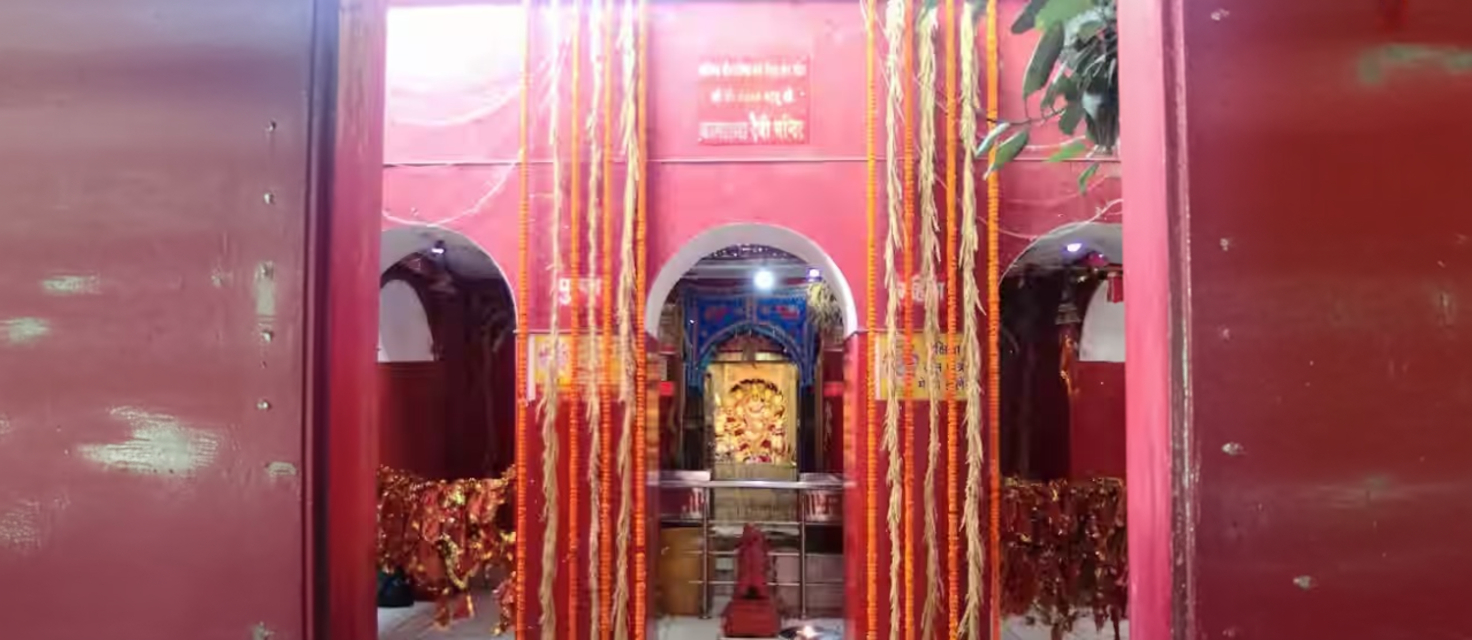
Shree Kamakhya Devi Mandir, Kamaccha, Varanasi
A Shakti temple linked to fertility and tantric worship
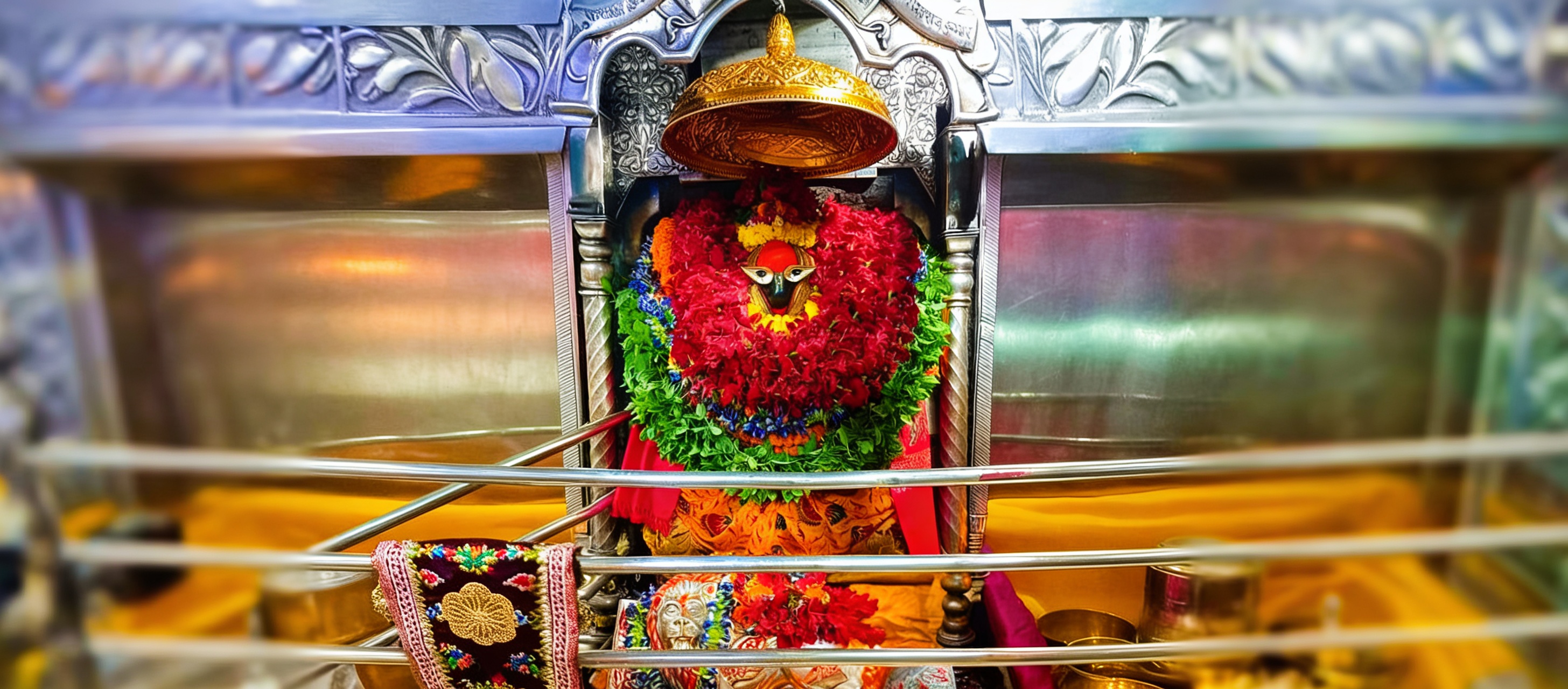
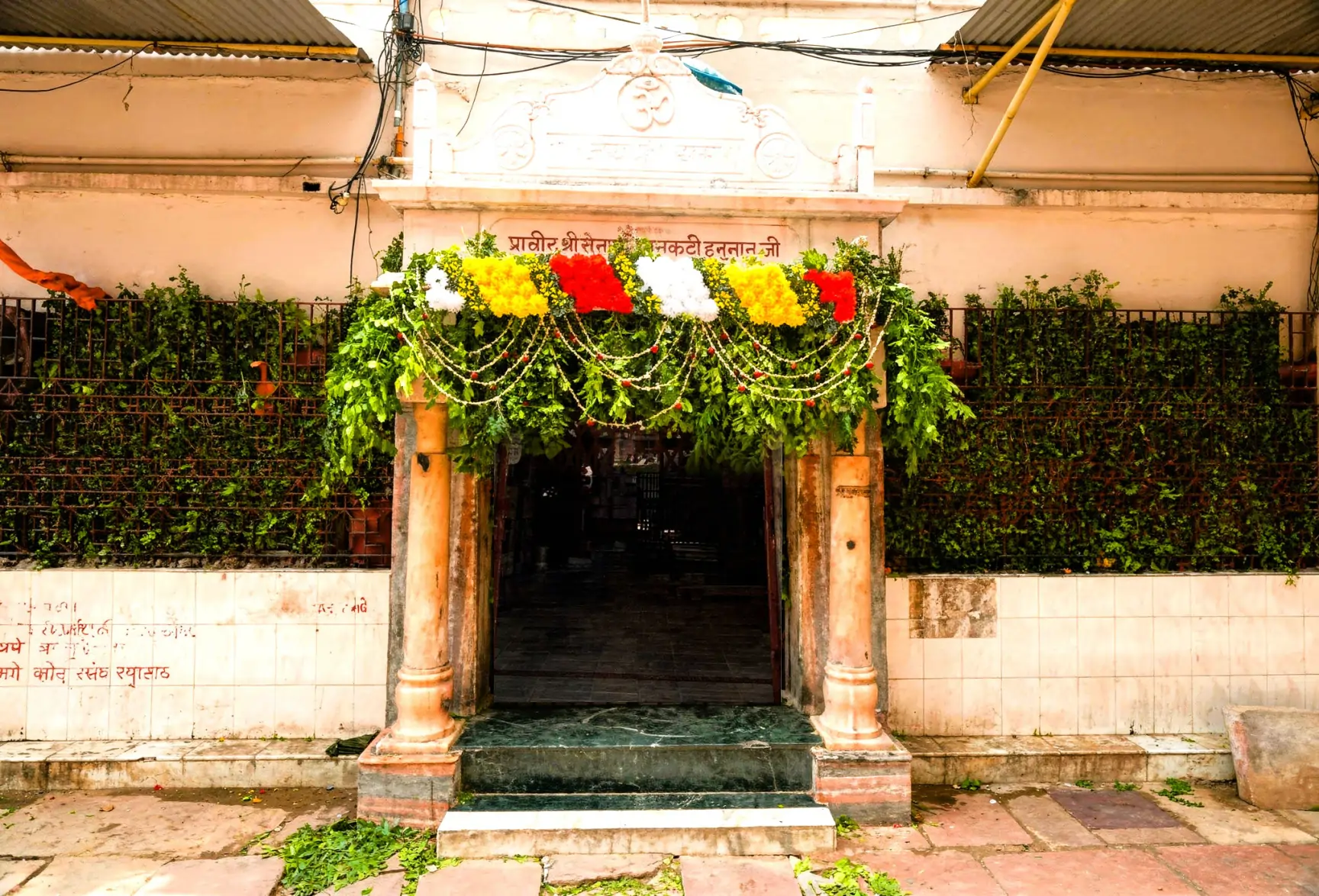
Located in Kamaccha, Shree Kamakhya Devi Mandir is one of the most important Shakti temples in this part of Kashi. It is known as a Siddha Peetha, where devotees come to pray for focus, inner strength, and stability in life. The temple is closely linked with the tradition of the 64 Yoginis, and nearby temples such as Batuk Bhairav add to the importance of this area. For many residents of Kamaccha, this mandir is the main place of daily worship and prayer.
Local tradition places this temple’s beginnings in ancient Kashi, with references linked to the time of King Divodas. The Kashi Khand describes that when Lord Shiva was kept away from the city, the 64 Yoginis were sent to keep Shakti established in Kashi, and Kamakhya Devi chose to remain here. Over time, Mahants and tantric practitioners protected the rituals and kept the worship flowing, preserving a rare blend of Yogini tradition, Tripura Sundari worship, and the daily devotional rhythm of Varanasi. Some legends also connect this temple to the larger Kamakhya tradition of Assam, suggesting that the eastern Shakti Peetha’s power was invoked here for seekers in North India. Today, the temple remains one of the few living centres of Kamakhya worship in this region.
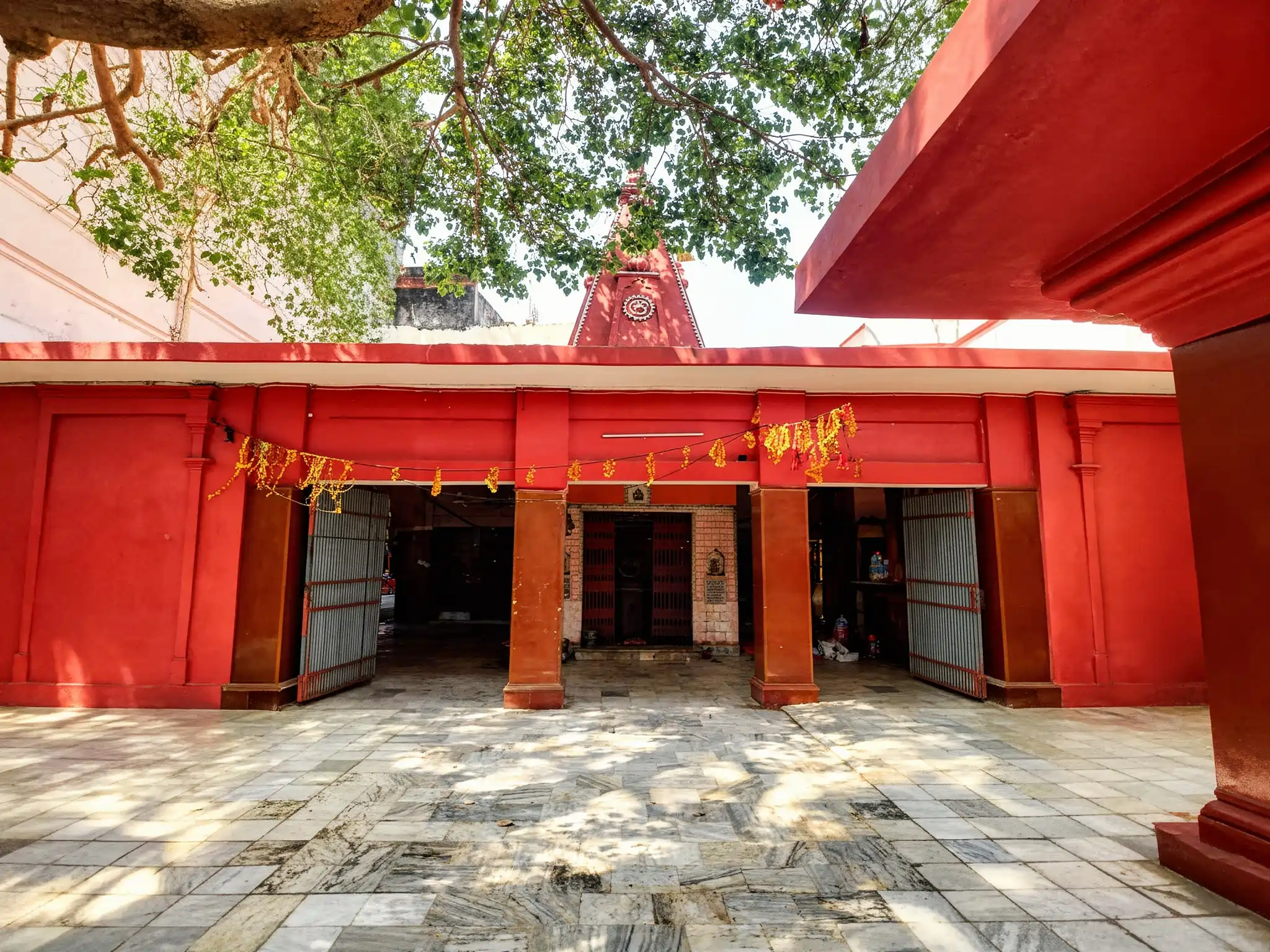
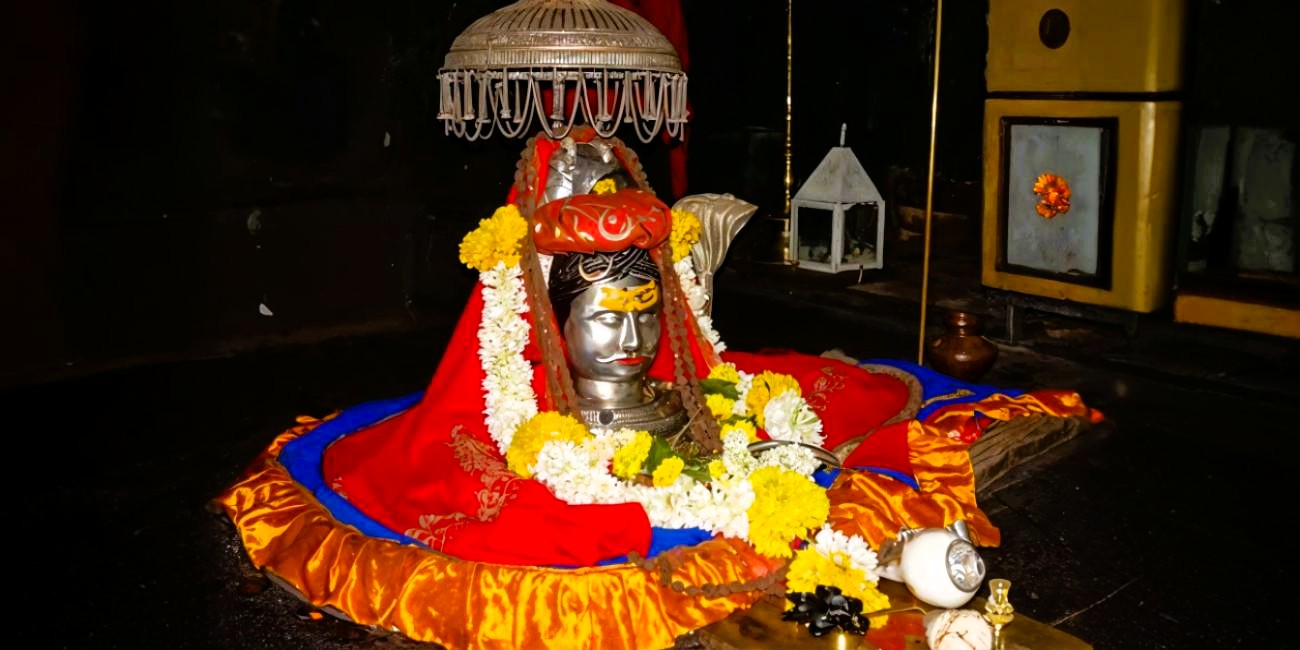
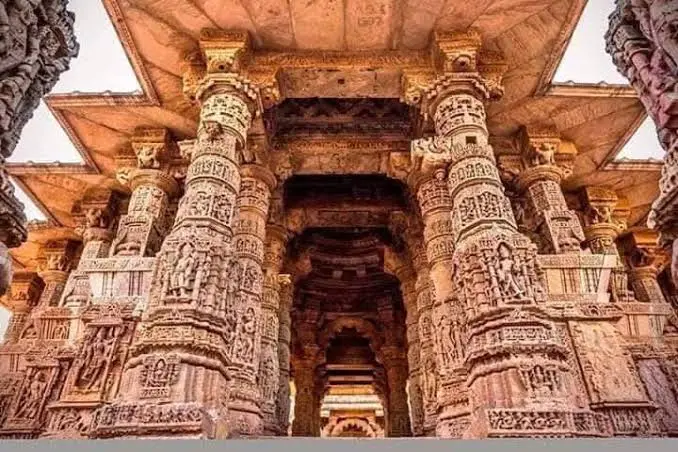
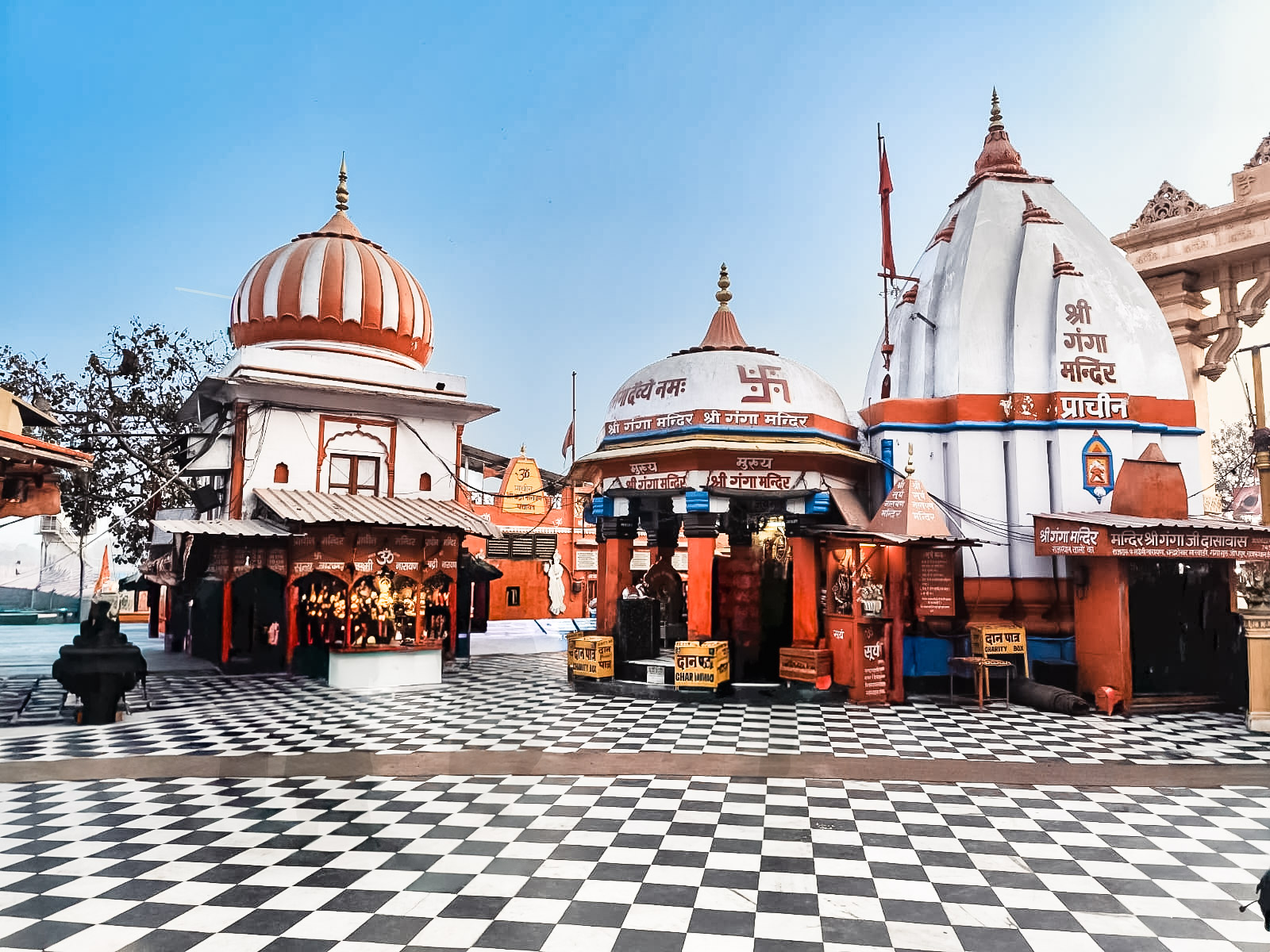
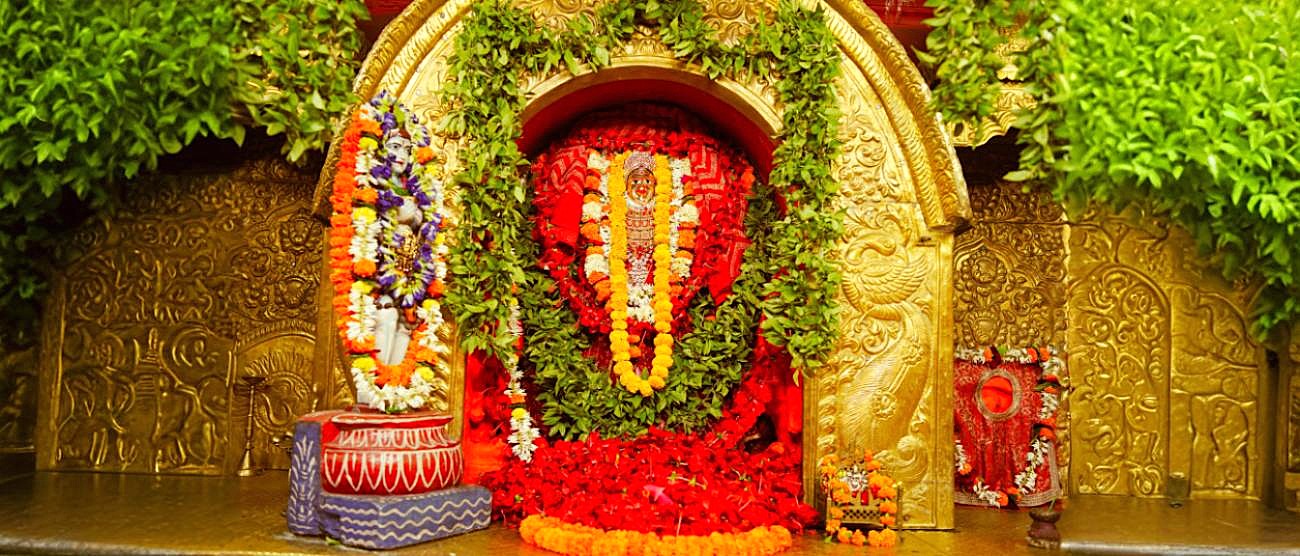
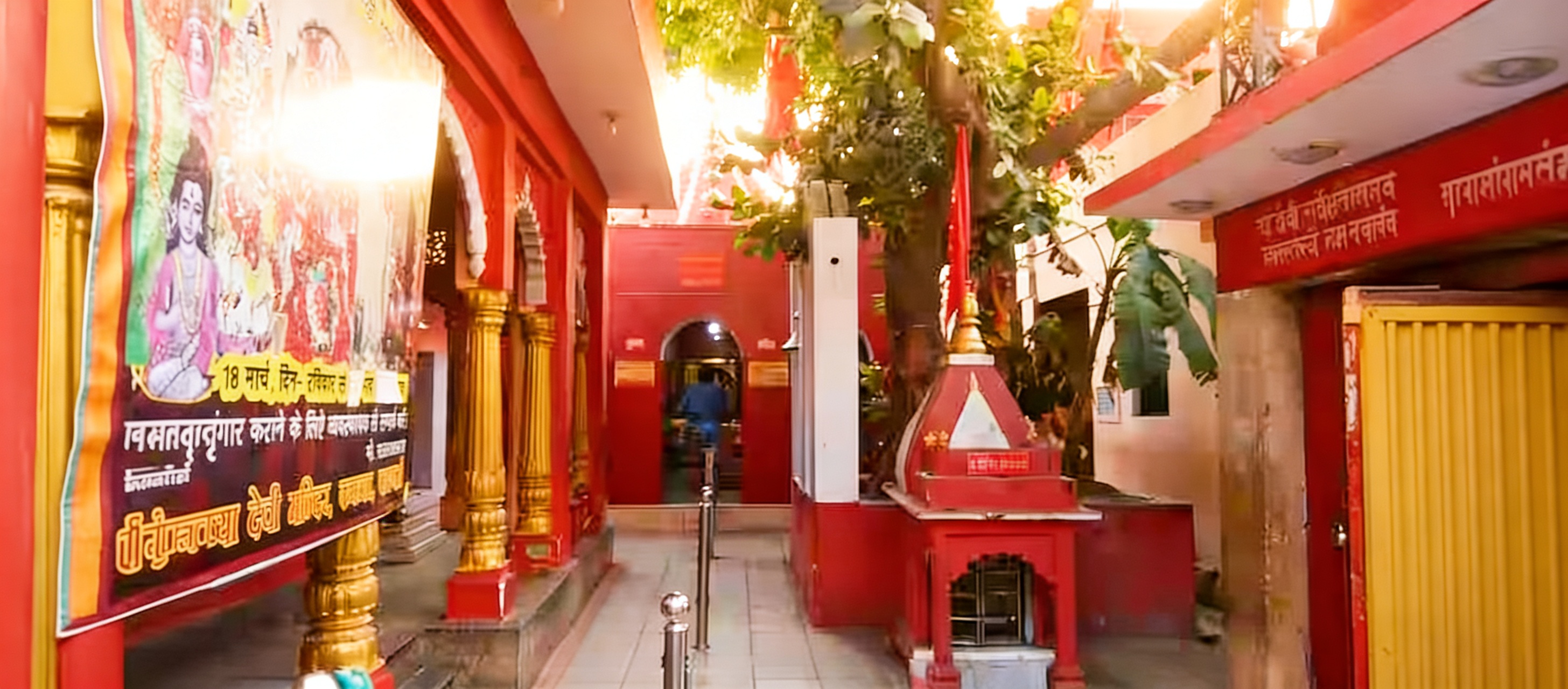
Kamakhya Devi is worshipped here as a Yogini and also as a form of Tripura Sundari. Devotees seek her blessings for good health, fulfilment, and steady progress in life. This is one of the few temples in Kashi where the goddess is worshipped through the Shri Mahamudra Yantra, an important symbol in Yogini and Shakti traditions. People often come during challenging periods, to pray for success in studies or work, and for confidence. Many women see the goddess as a strong source of support and guidance. The temple follows a simple North Indian design. The main garbhagriha is quiet and focused on the worship of the yantra. Around it are smaller temples dedicated to Krodhan Bhairav, Hanuman, and Yogini forms. An open aangan allows space for group chanting and Navratri celebrations. Though the temple is modest in size, regular worship and festivals keep it active throughout the year.
The mandir is easy to reach, a short ride from Varanasi Cantt and a short walk from the busy Bhelupur–Rathyatra stretch. The locality itself carries the goddess’s name. Evenings bring a steady flow of devotees. Tuesdays, Fridays, and all Navratri days usually see heavy crowds. Offerings include red flowers, coconut, dhoop, fruits, red cloth, and sindoor. During Ambubachi,a period linked with Ma’s natural menstrual cycle, the garbhagriha remains closed for three days, then reopens with special rituals, prasad, and distribution of blessed cloth. Many pilgrims who visit Batuk Bhairav also stop here, as both temples are part of an important spiritual circuit in Kashi.
daily
Morning Arti
6:00 AM
Evening Arti
6:30 AM
Kamakhya Paath
For protection, fearlessness, and Shakti kripa when life feels heavy.
Mithai Bhog
For punya, sweet blessings, and goodwill in the home.
Kheer Bhog
For peace in the mind and blessings of nourishment in family life.
Chunari Chadawa
For Ma’s protection over family, honour, and dignity.
108 Phool Mala - Chadawa
For strong Devi kripa and a complete, grand offering in Ma’s naam.
Saree Chadhava
For Maa’s blessings for women of the home, respect, and family protection.
Kunwari Sankalp
For personal protection, clarity, and Ma’s blessings through a single devotee sankalp.
Kunwari Poojan
For Devi kripa through respect to kanya-roop and pure blessings.
108 Kamalgatta Sankalp + Bhairav Maha Suraksha Puja
For Lakshmi-kripa type blessings, wealth discipline, and steady growth.
108 kamalgatta Sankalp + Hawan with samagri
For stronger sankalp power through 108 offering + Agni prayers.
Gotra Sankalp (Ambubachi Period)
For a clear family-line prayer during Ambubachi Shakti days.
Mithai Bhog (Ambubachi Period)
For punya-seva and blessings.
Kheer Bhog (Ambubachi Period)
For peace in the home, emotional comfort, and gentle blessings from the Divine Mother.
108 floral garlands chadhava (Ambubachi Period)
For a complete, devoted offering and strong blessings during sacred Shakti days.
Saree Chadava (Ambubachi Period)
For honouring the Divine Mother and seeking stability and protection for the home.
Kamakhya Paath
For protection, fearlessness, and Shakti kripa when life feels heavy.