Shri Aundha Nagnath Temple
The Jyotirlinga linked to the Pandavas and early Shiva worship.
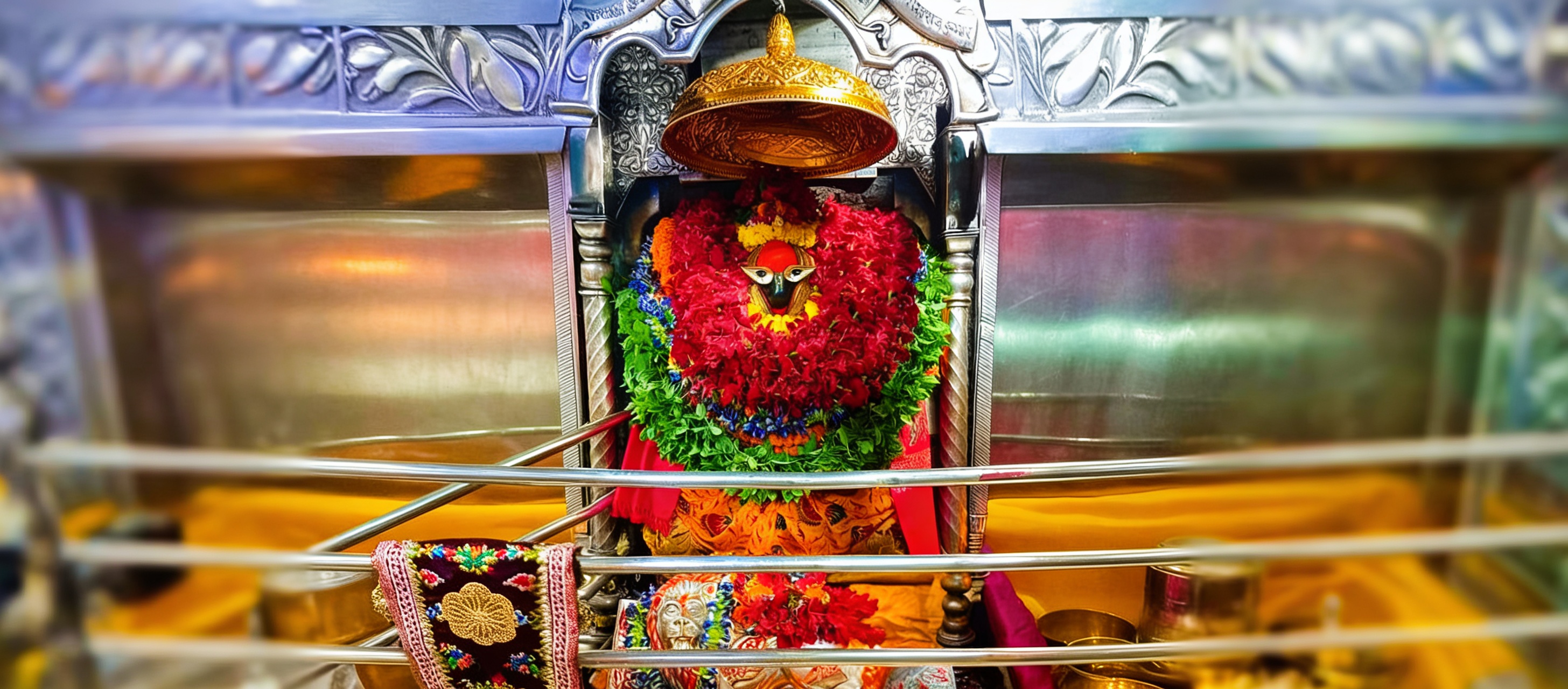
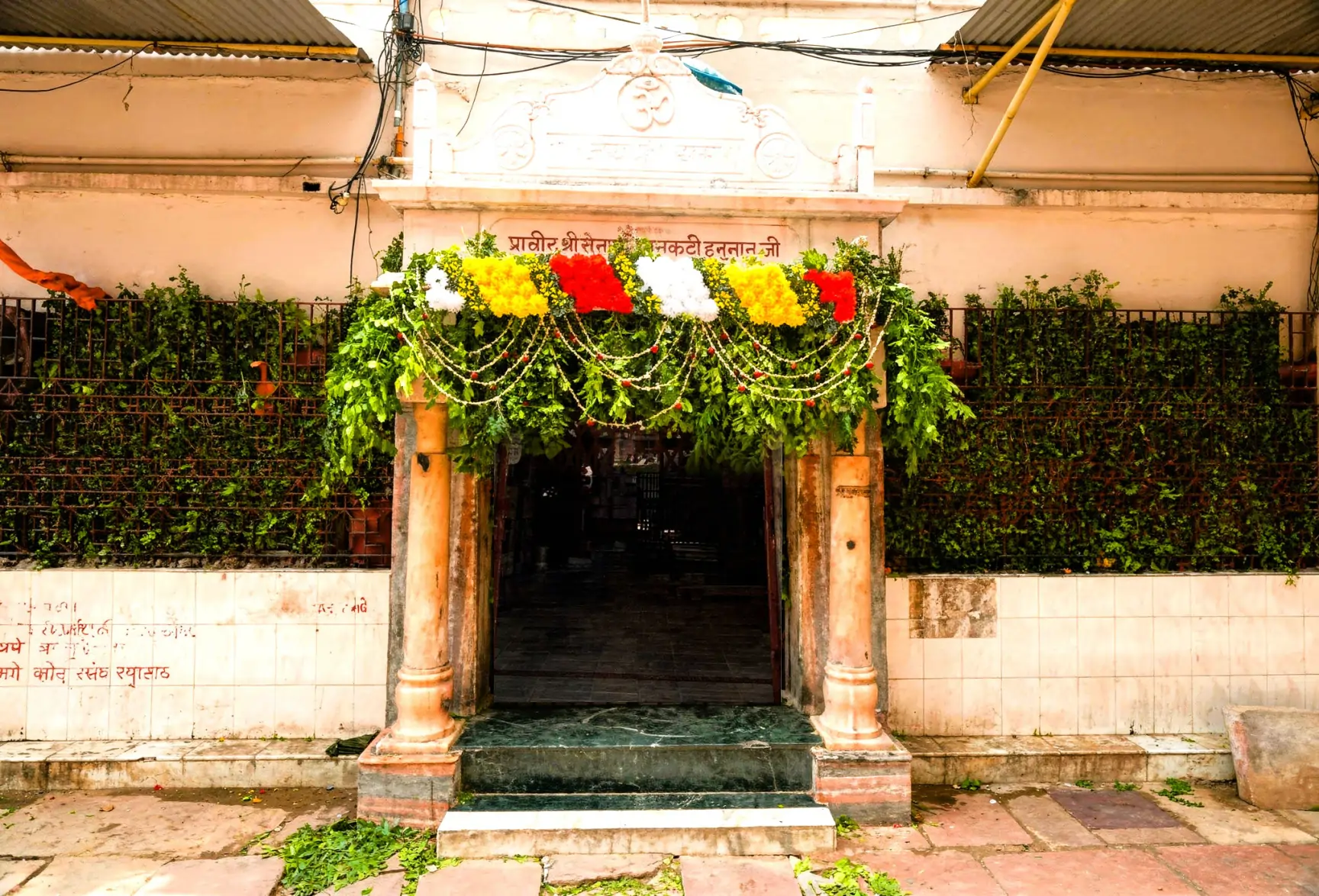
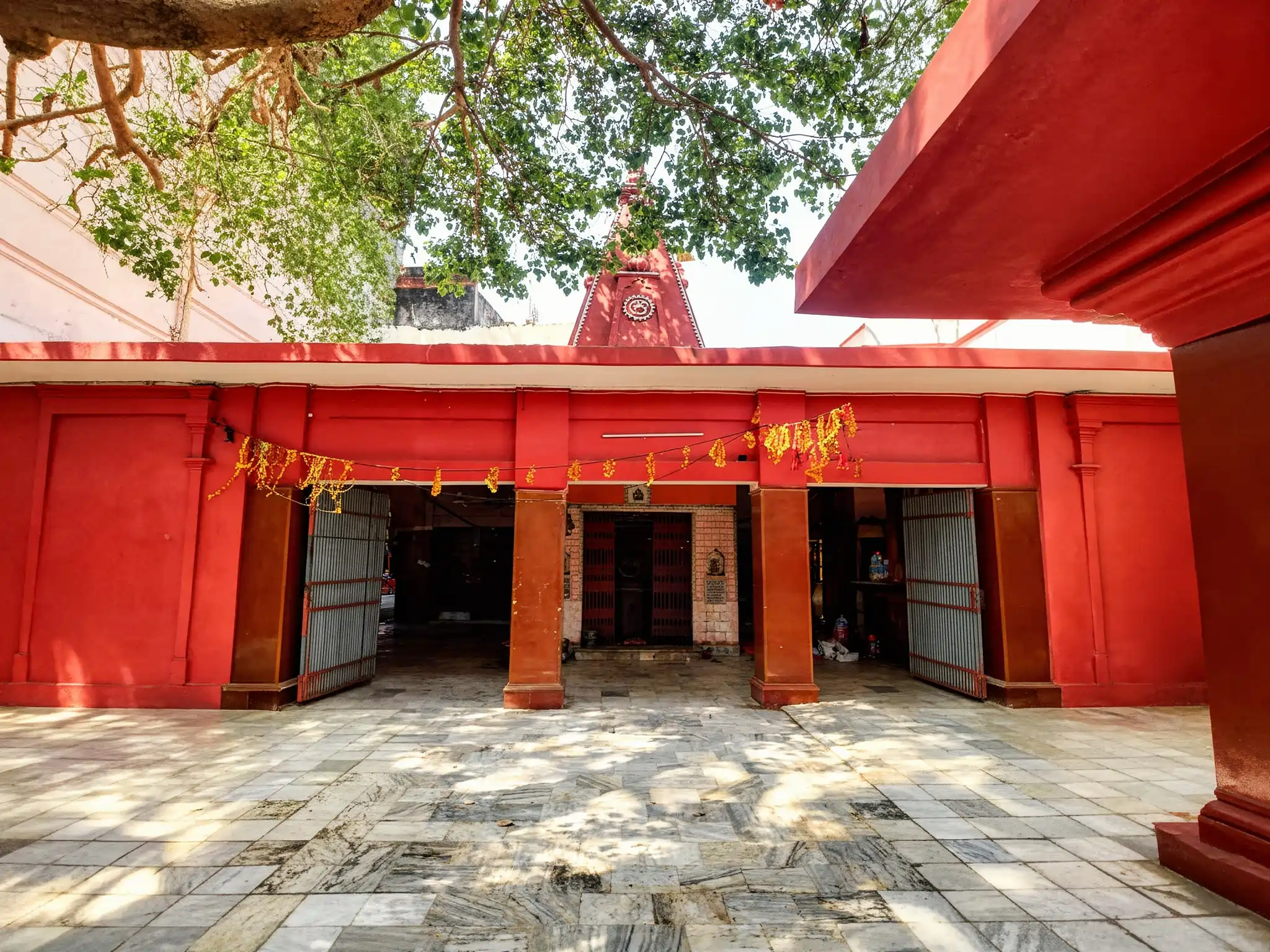
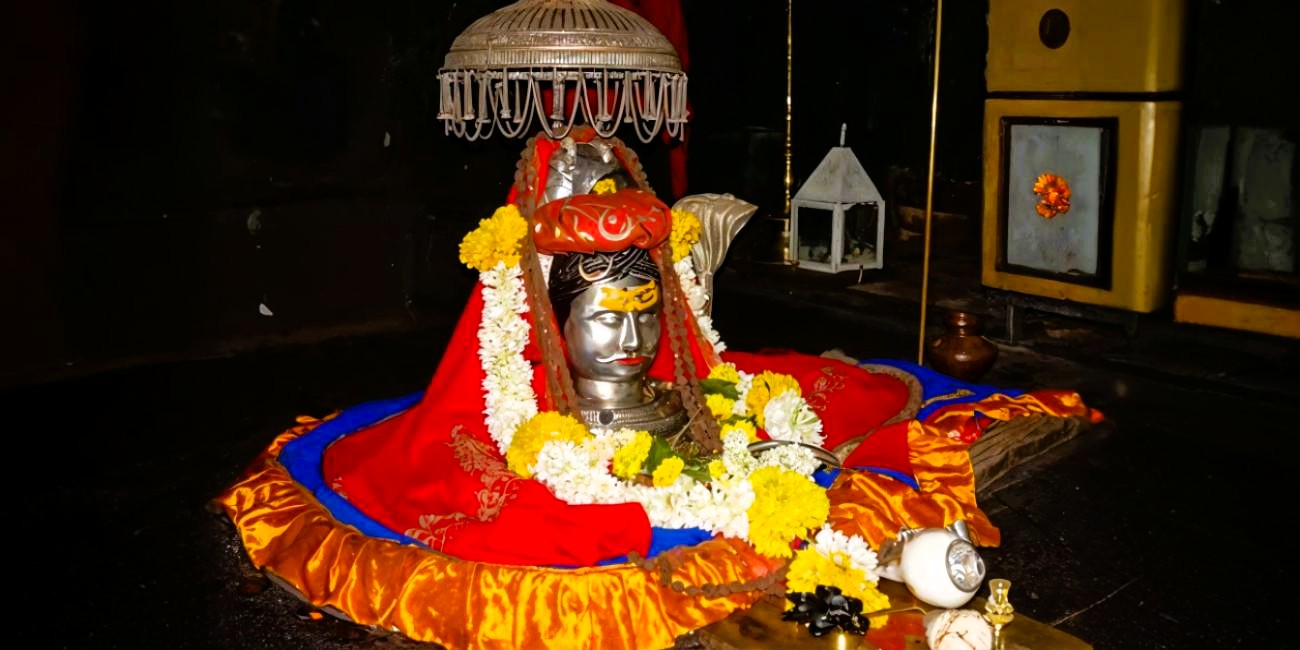
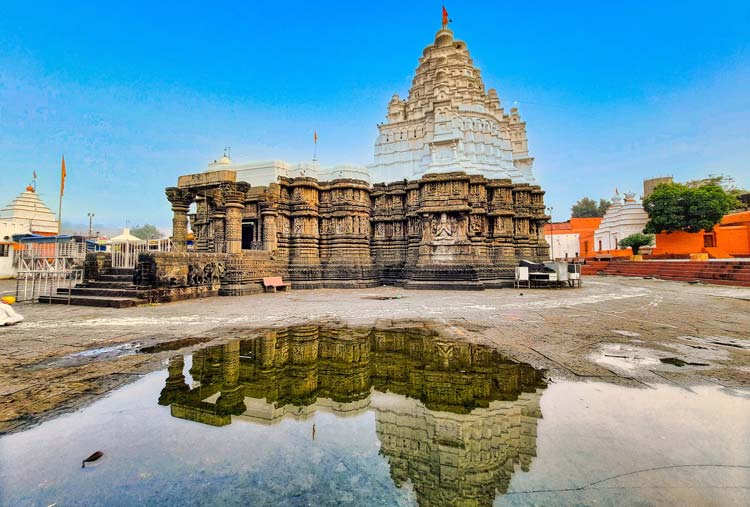
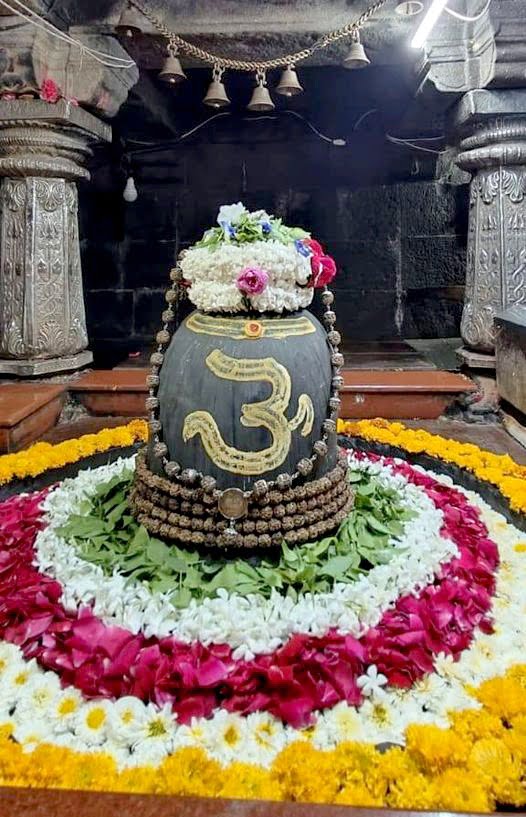
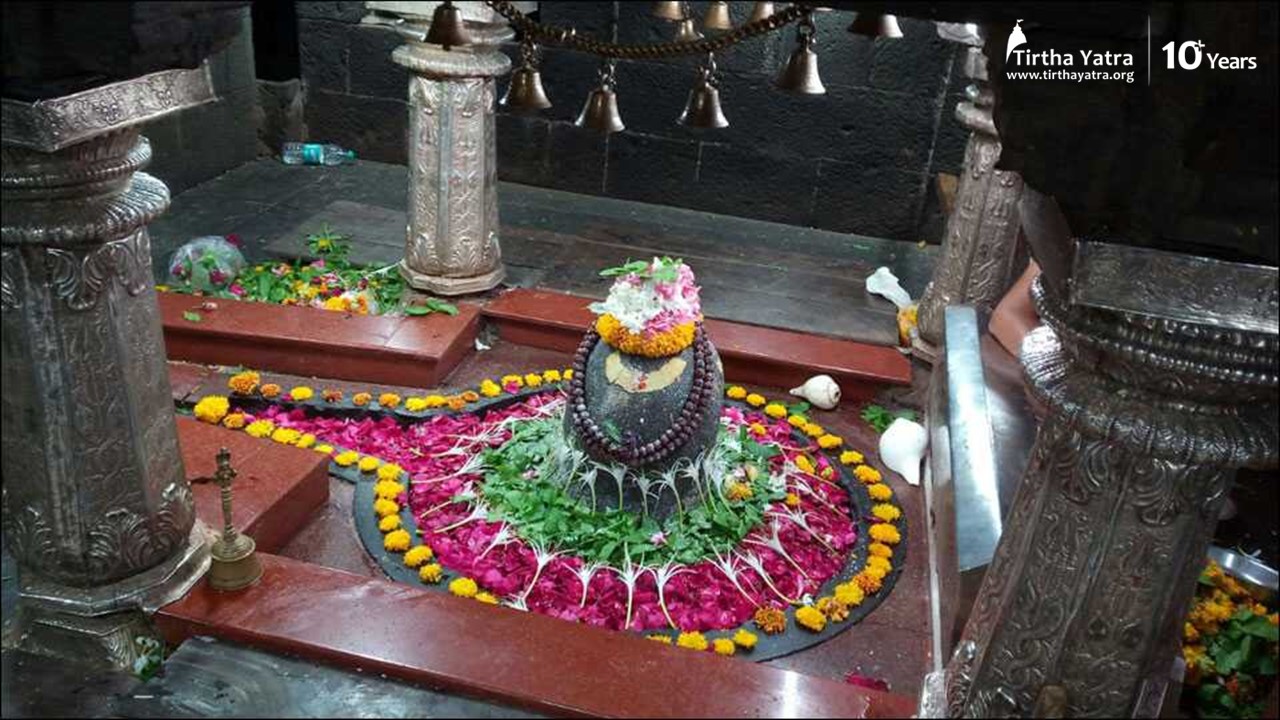
Shri Aundha Nagnath is one of the twelve Jyotirlingas of Lord Shiva and is located in Hingoli district of Maharashtra. According to traditional belief, worship at this place began during the time of the Pandavas, when Yudhishthira is believed to have prayed here during their vanvaas. Over time, the mandir became an important centre of Shiva worship for devotees from many regions. The temple complex is spacious, with open areas that allow devotees to sit, walk, and spend time in prayer. Many devotees come here for darshan and chanting, and many also sit quietly near the Jyotirlinga for personal prayer.
Traditional scriptures say that worship at Aundha Nagnath began in the Pandava period. In the 13th century, the temple was rebuilt by the Yadava rulers, giving it much of its present form. Over the centuries, the structure was repaired and strengthened when needed, while daily worship continued. Today, Aundha Nagnath reflects a long journey of faith, where early beliefs, temple building traditions, and present-day Shiva worship come together in one place.
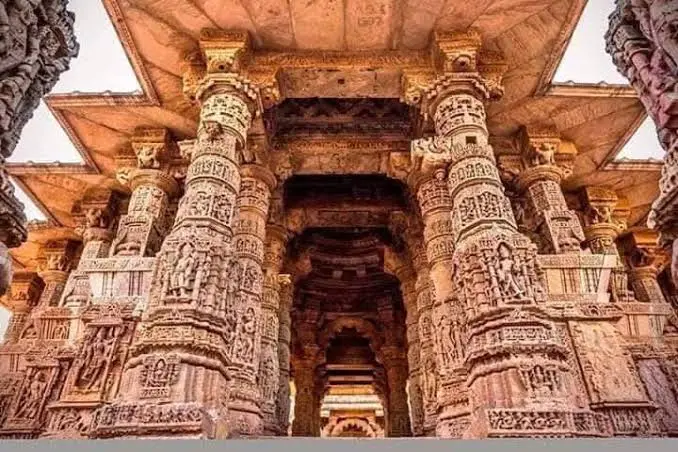
The temple is built using black basalt stone in the Hemadpanthi architectural style. The structure is large and solid, with thick stone walls, high ceilings, and strong carved pillars. The garbhagriha is deep and enclosed, guiding attention inward towards the Jyotirlinga. The stone carvings on the walls and pillars show figures and patterns linked to Shiva worship. The scale of the temple and the weight of the stone create a space suited for steady worship and meditation, allowing devotees to remain focused during prayer.
Aundha Nagnath is an important stop for devotees following the twelve Jyotirlinga yatra. The temple receives visitors throughout the year. Early mornings are preferred for darshan, especially during traditional shringar rituals. Many devotees choose to sit inside the mandir for some time after darshan, using the space for chanting, dhyan, or quiet prayer before continuing their journey.
daily
Mangla Aarti
5:00 AM
Maha Bhog Maha Aarti
12:00 PM
Madhya Snana
4:00 PM
Shayan Aarti
8:30 PM
Jal Abhishek by Purush Sukta
For mental restlessness, lack of clarity, and the need for a spiritual/mental reset.
Rudrabhishek
For recurring challenges, mental stress, and the need for steady protection.
Panchamrit Rudrabhishek
For health concerns, family harmony, and constant instability.
Panchamrit Mahapuja Rudrashtadhyayi
For deep-rooted problems, repeated failures and long-term relief from troubles.
Panchamrit Rudra Ekadashini Abhishek (11 Rudrapaath)
For intense Manglik effects, repeated setbacks, and long-standing instability.
Laghu Rudra Abhishek (11 Brahmin)
For serious life challenges
Laghu Rudrabhishek (11 brahmin With Bhoj)
To close important pujas with gratitude
Rudra Abhishek with Rudra Yagya Havan
For protection during serious health phases, fear, and uncertainty.
Jyotirlinga Vishesh Kaal Sarp Shanti Puja
For Kaal Sarp Dosh, repeated delays, and unexplained disturbances.
Trikaal Raksha Sawan Vishesh Mahamrityunjay Naag Devata Pujan
Divine Protection, Fearless Life