
Ram Janmabhoomi Teerth, Ayodhya & Saryu Ghat
Where Dharma Meets Devotion
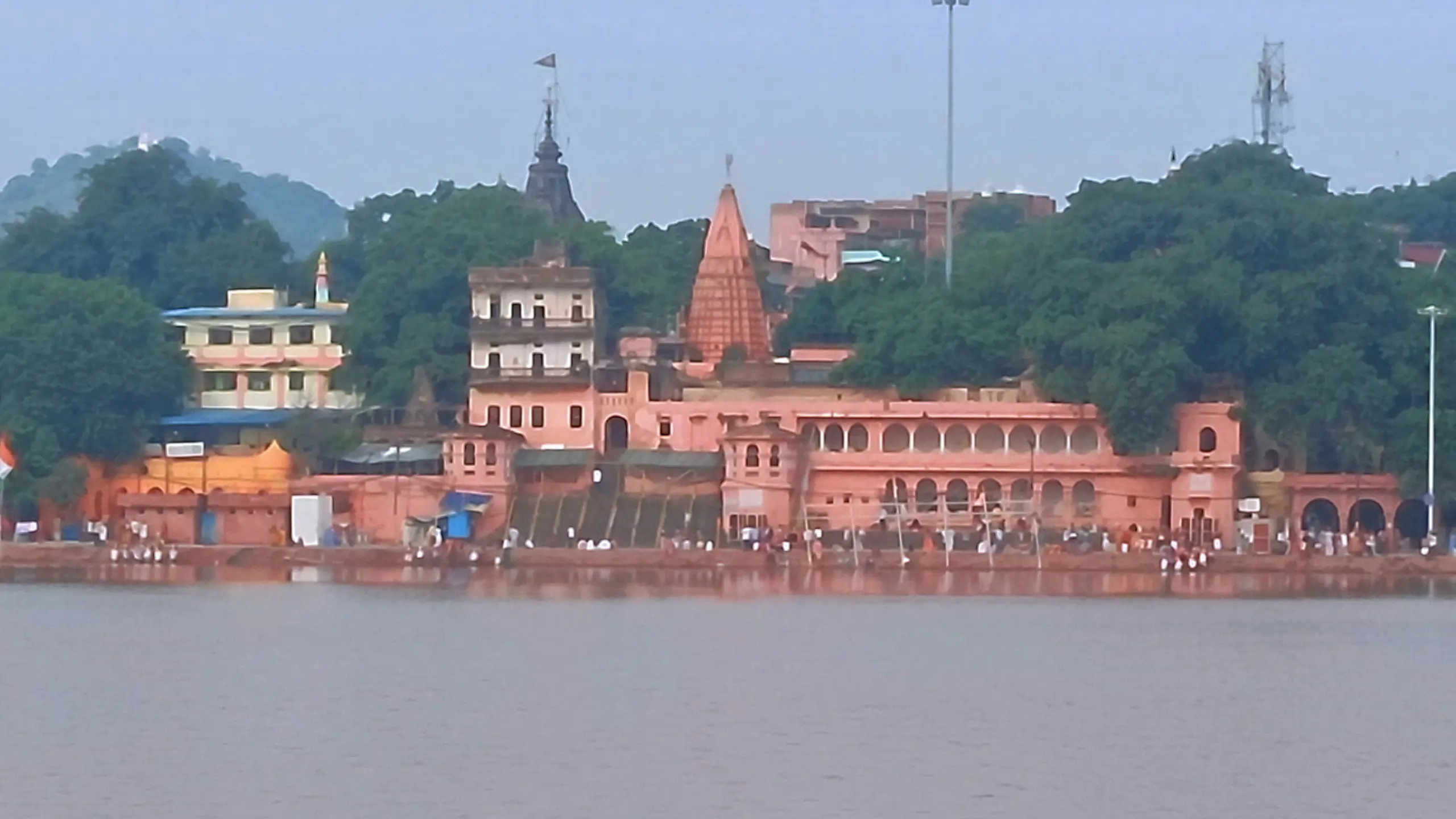
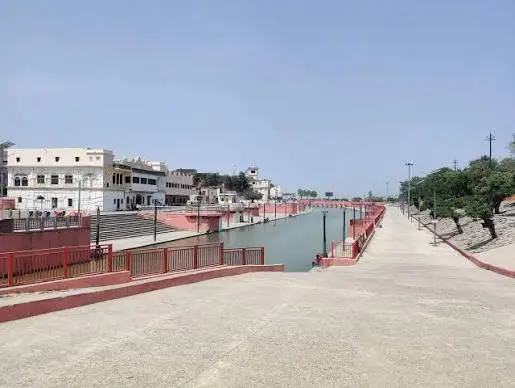
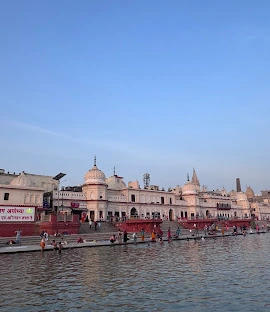
Located in the sacred city of Ayodhya, Uttar Pradesh, Shri Ram Janmabhoomi Teerth is revered as the birthplace of Bhagwan Shri Ram, the seventh avatar of Lord Vishnu. It holds immense spiritual significance for millions of devotees who regard Ayodhya as a symbol of dharma, devotion, and righteous living. The nearby Saryu Ghat, situated along the holy Saryu River, is an important destination for sacred bathing, prayers, Deep Daan, and evening Aarti. Together, Shri Ram Janmabhoomi and Saryu Ghat represent the devotional heart of Ayodhya. During festivals such as Ram Navami and Diwali, the city comes alive with illuminated lamps, sacred chants, and celebrations honouring Shri Ram. Pilgrims visit these holy sites to seek blessings, offer prayers for family well-being, and experience the spiritual heritage of Ram Nagari.
Ayodhya's history is deeply intertwined with the Ramayana and the ancient kingdom of Kosala. According to Hindu tradition, the city was ruled by the illustrious Ikshvaku dynasty, including Maharaja Dasharatha and Bhagwan Shri Ram. The Ramayana recounts Shri Ram's fourteen-year exile, victory over Ravana, and eventual return to Ayodhya, traditionally celebrated through the festival of Diwali. The sacred Saryu River has remained central to Ayodhya's religious identity, with generations of pilgrims visiting its ghats for holy bathing and devotional ceremonies. In modern history, following a prolonged legal dispute, India's Supreme Court delivered its landmark Ayodhya judgment in 2019. Construction of the new Shri Ram Janmabhoomi Mandir began in 2020, and the Pran Pratishtha of Shri Ram Lalla took place on January 22, 2024, marking a historic milestone for devotees.
Shri Ram Janmabhoomi Mandir stands as a magnificent expression of India's spiritual and architectural heritage. Constructed in the traditional Nagara style, the temple features a towering Shikhara, intricately carved sandstone pillars, and beautifully sculpted representations of Hindu deities. Its three-storey structure includes 392 pillars and five principal Mandaps dedicated to prayer, devotional singing, and religious gatherings. The Garbhagriha houses Shri Ram Lalla in his divine childhood form, symbolising innocence, righteousness, and divine grace. Nearby, the sacred Saryu Ghats feature broad stone steps descending towards the river, creating a serene setting for ritual bathing, Deep Daan, and Aarti. During Deepotsav, thousands of illuminated diyas transform the riverfront into a spectacular celebration of devotion, commemorating Shri Ram's return to Ayodhya and the enduring triumph of light over darkness.
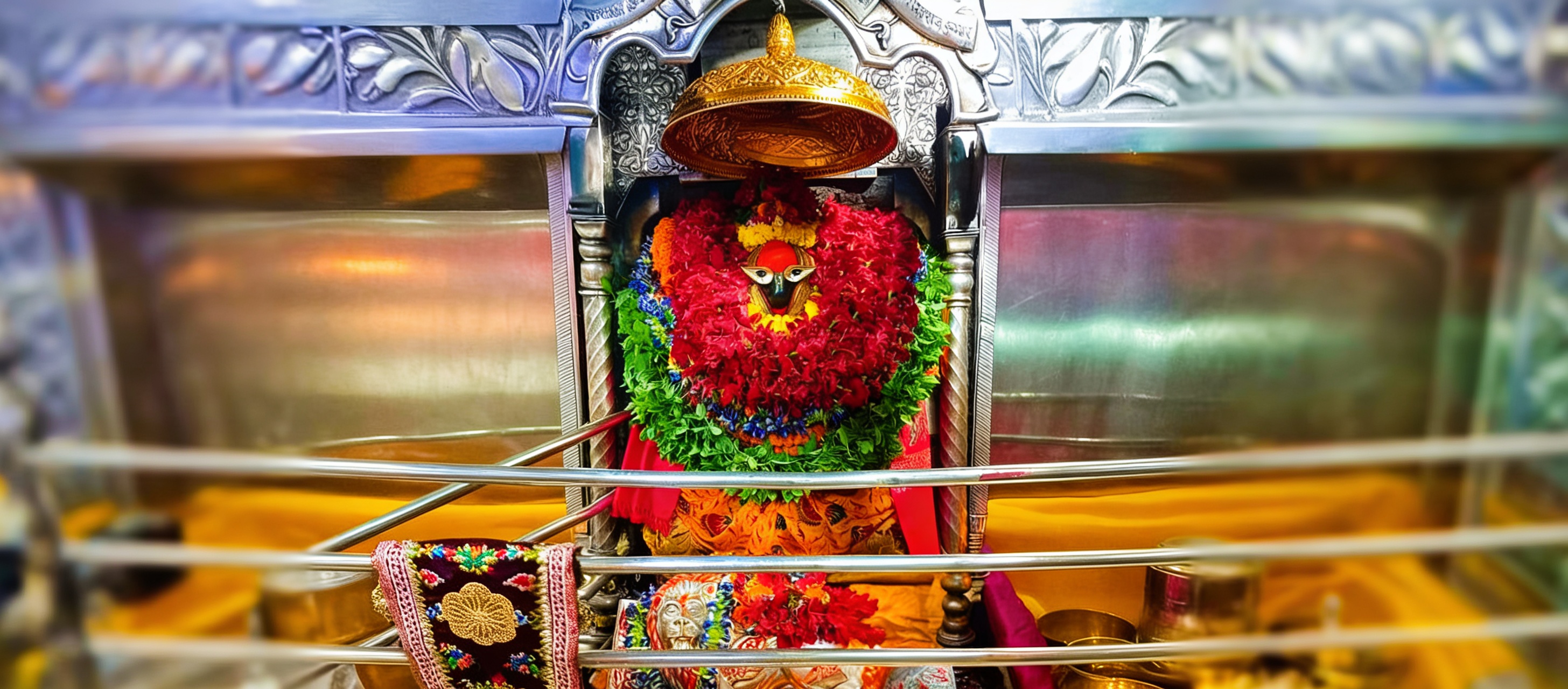
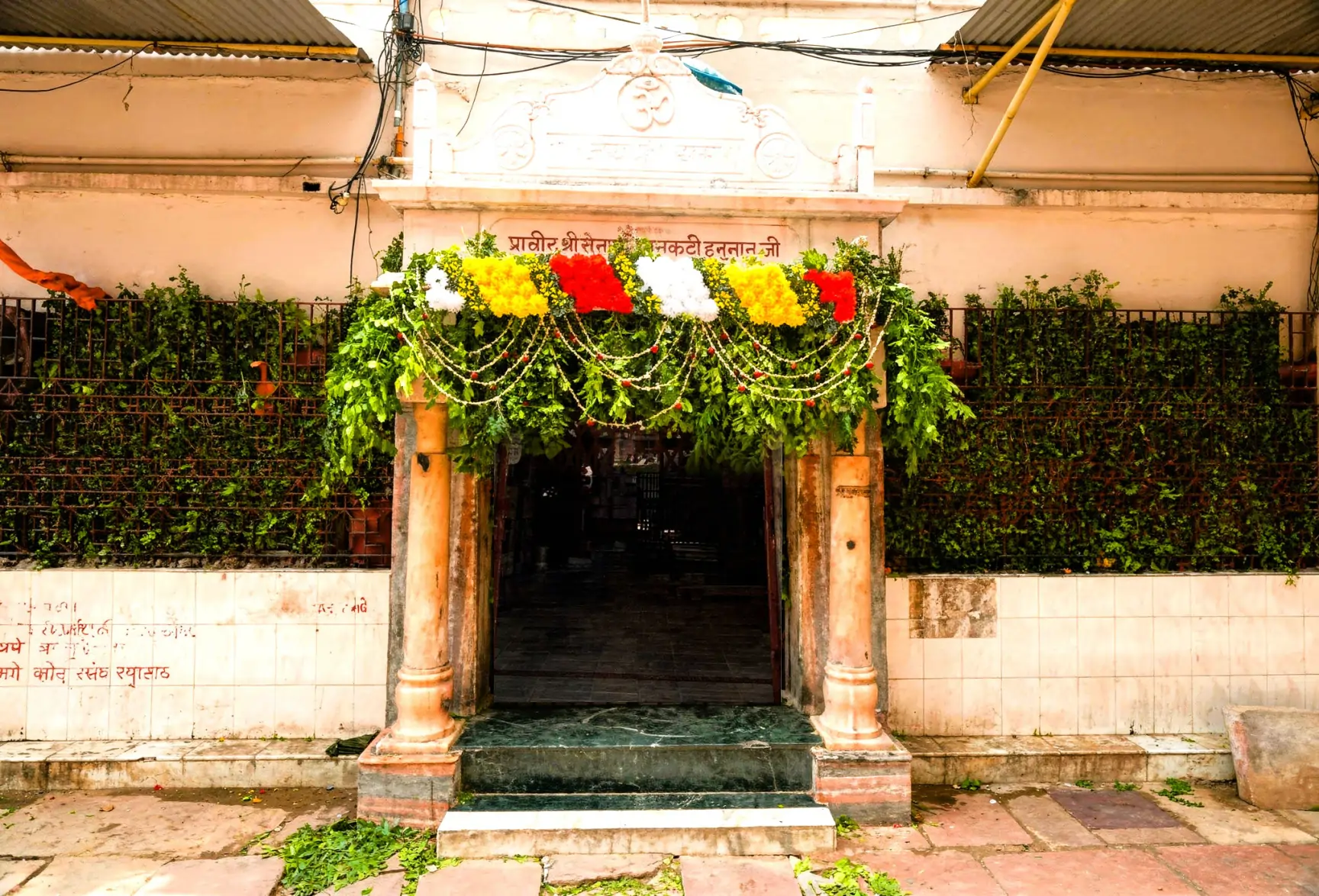
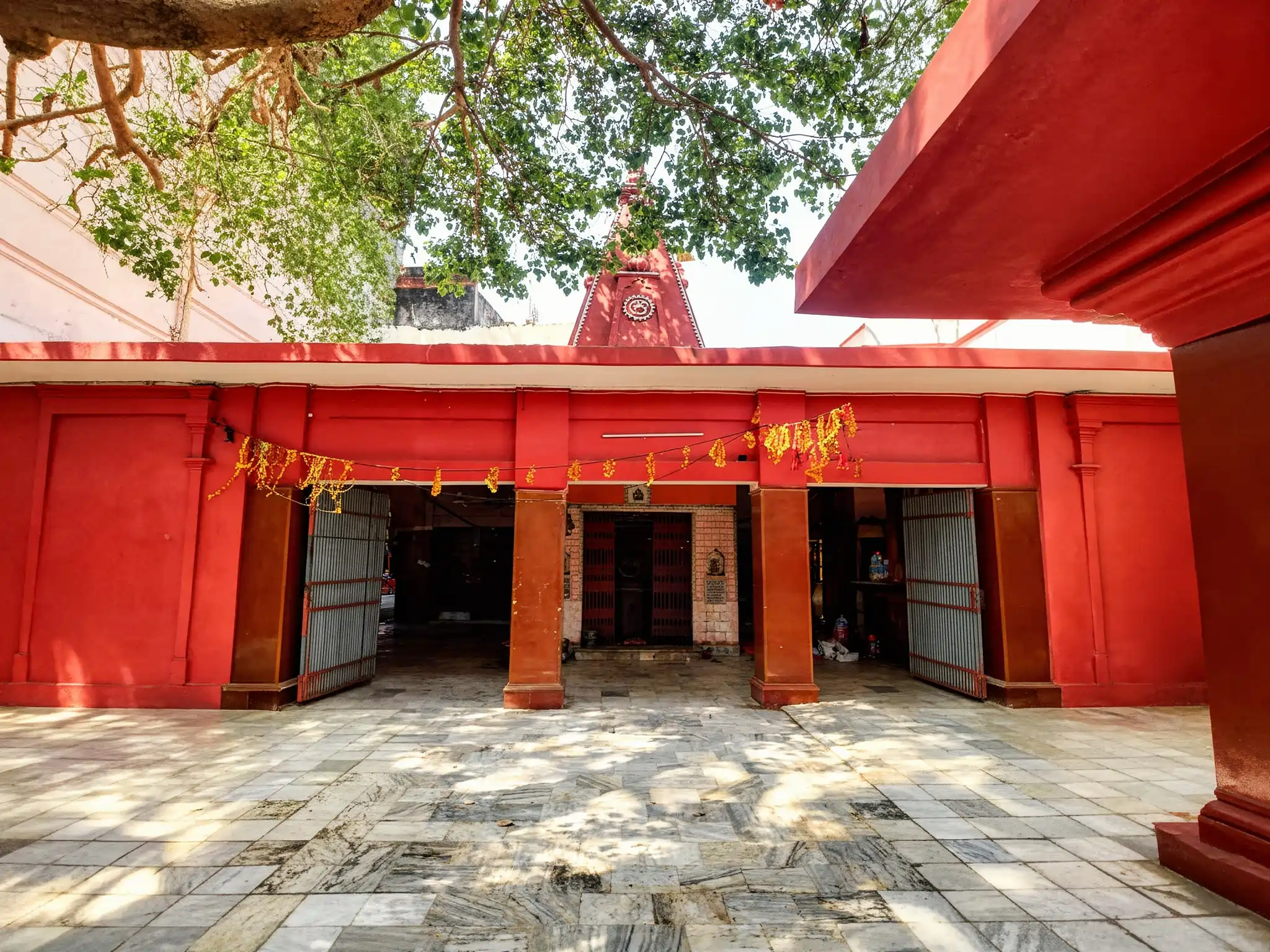
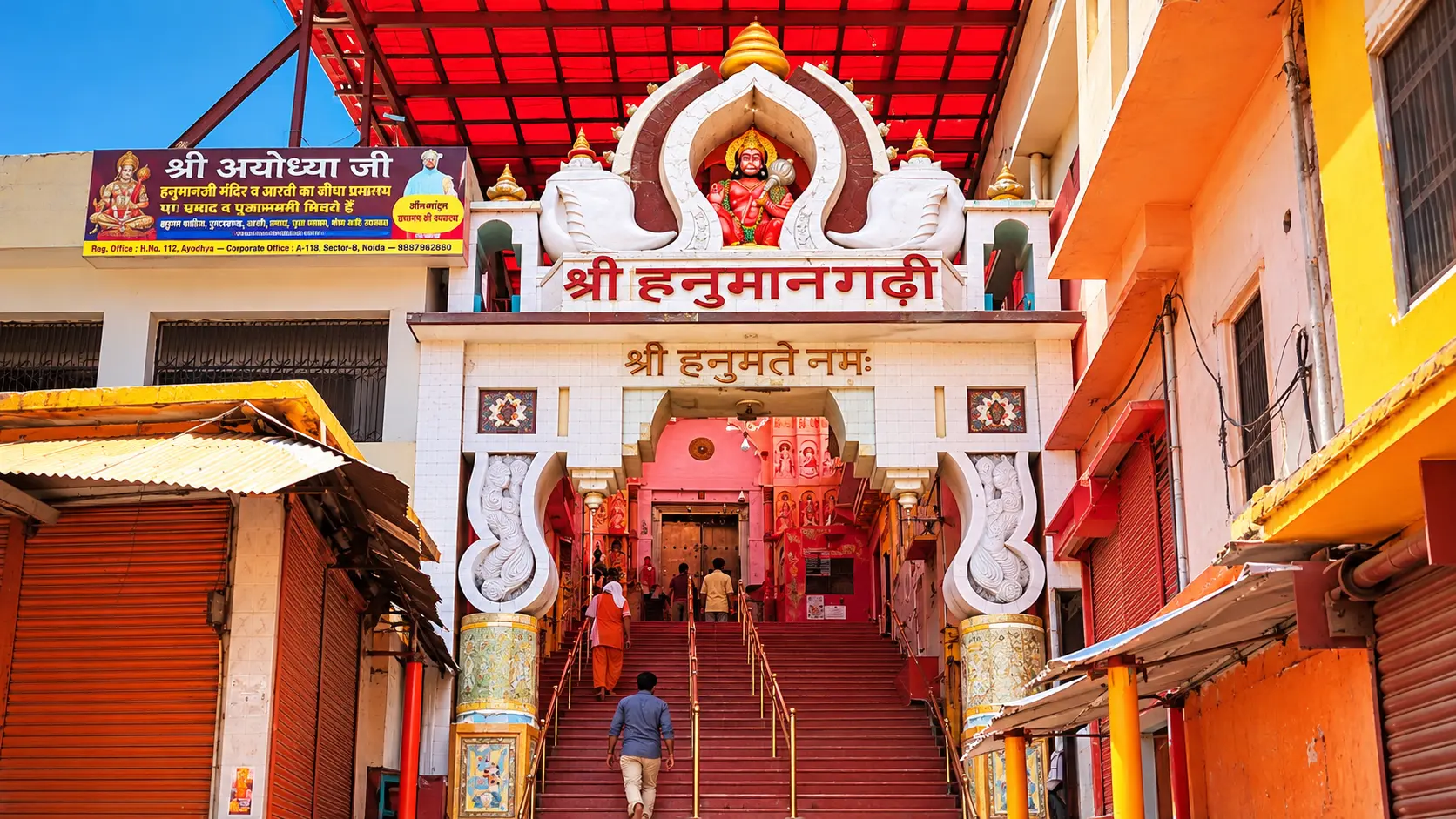
4. Yatra Insights A pilgrimage to Shri Ram Janmabhoomi and Saryu Ghat offers devotees an opportunity to experience Ayodhya's sacred traditions and spiritual atmosphere. Visitors often begin their journey with Darshan of Shri Ram Lalla, followed by visits to Hanuman Garhi, Kanak Bhawan, and the holy Saryu River. Ram Ki Paidi and the surrounding ghats are especially captivating during evening Aarti, when devotional chants and illuminated lamps create a peaceful atmosphere. Pilgrims may participate in Saryu Snan, Deep Daan, and prayers according to their personal traditions. Ayodhya is accessible by road, rail, and air through Maharishi Valmiki International Airport. October to March generally offers pleasant conditions for pilgrimage. During Diwali and Ram Navami, devotees should anticipate large crowds and confirm temple Darshan arrangements in advance.